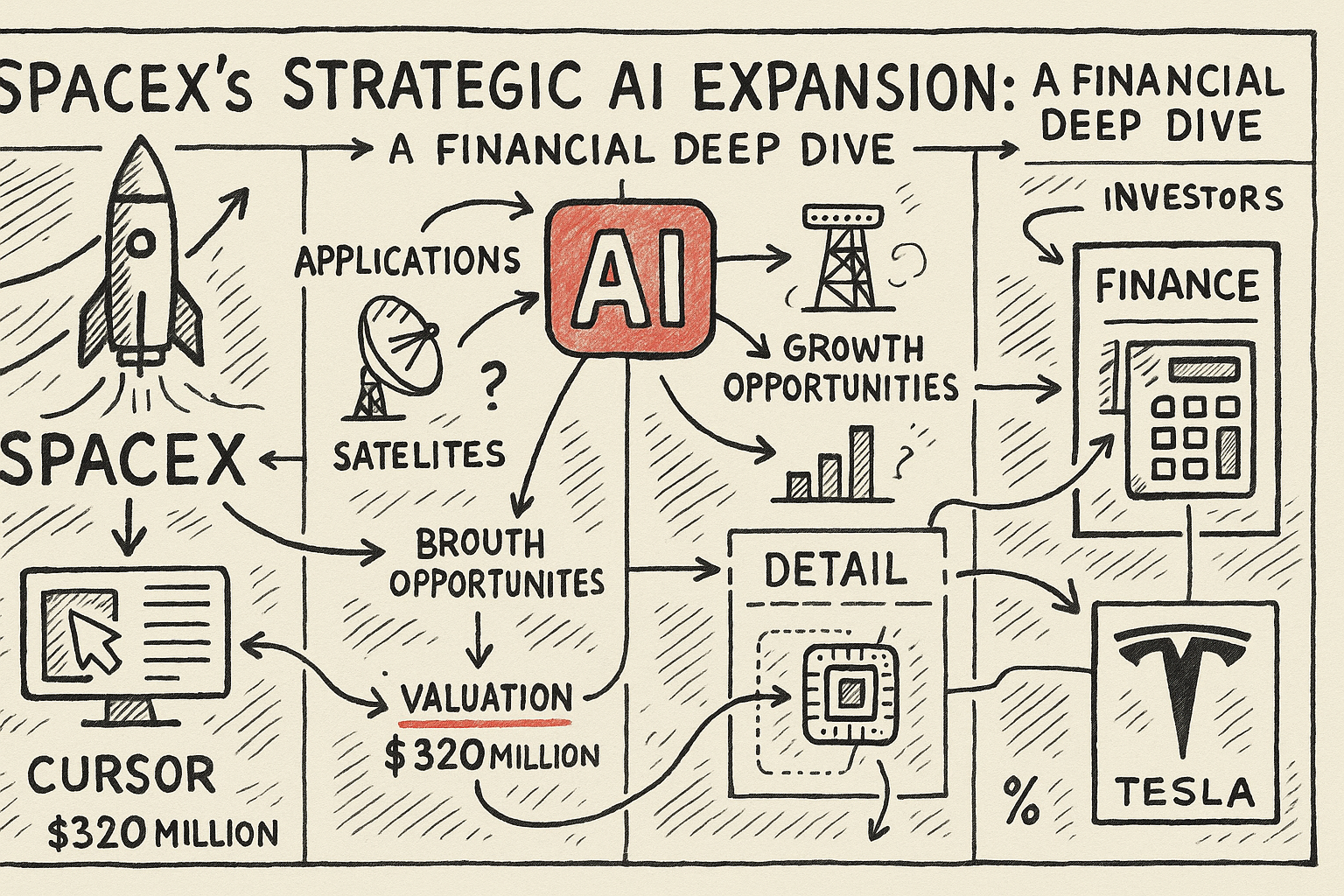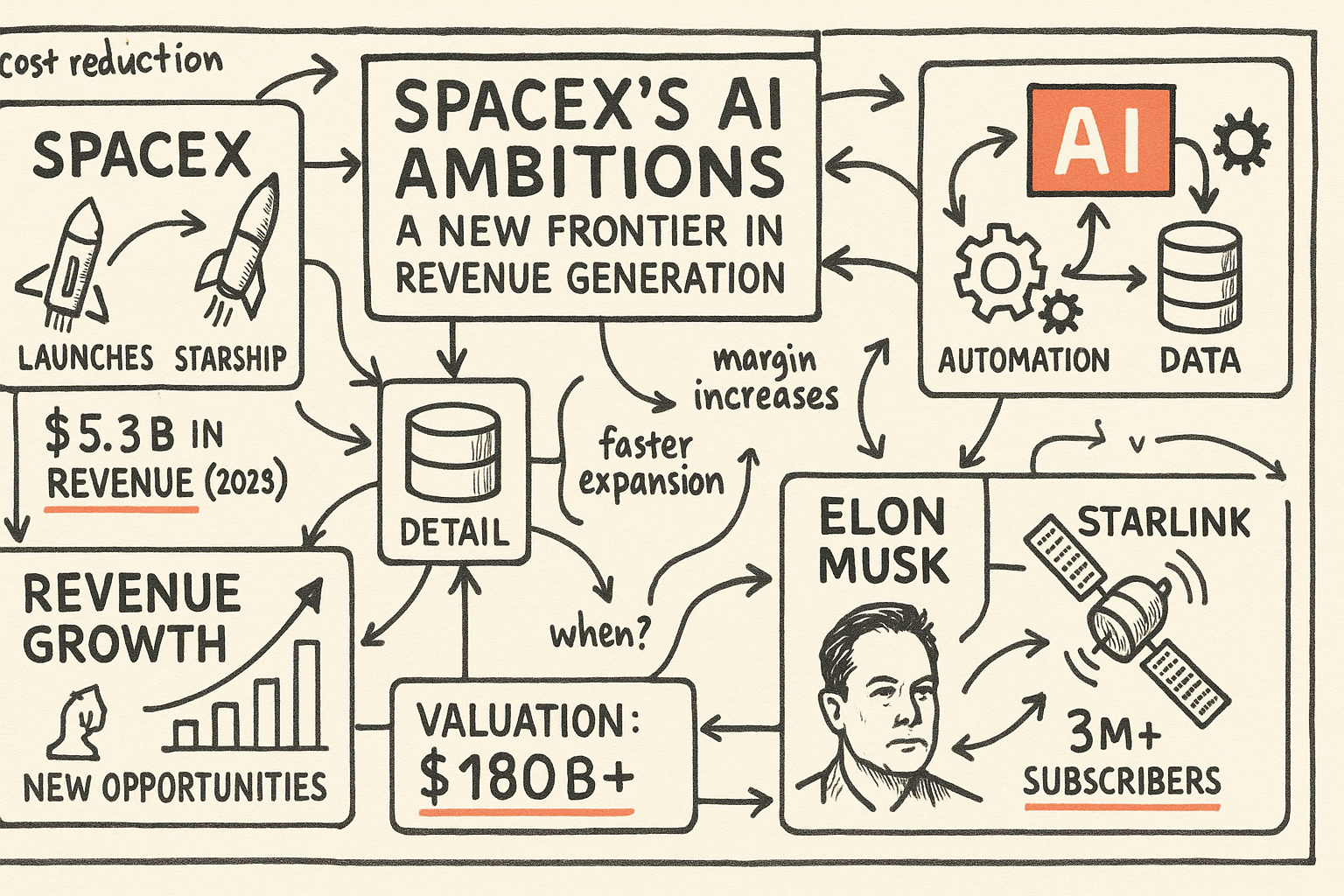
SpaceX, under the leadership of Elon Musk, is making significant strides in integrating artificial intelligence (AI) into its operations, a move that is poised to redefine its business model and revenue streams. This pivot towards AI is not just a strategic shift but a bold vision to capitalize on the burgeoning AI sector.
Elon Musk has projected that SpaceX could generate a staggering $1 trillion in revenue by 2030, a figure that underscores the company's ambitious growth trajectory. This projection aligns with Musk's assertion that SpaceX is now an AI company, with plans to leverage AI technologies to enhance its existing services and explore new opportunities.
A key component of SpaceX's AI strategy involves the deployment of advanced AI satellites. These satellites, expected to be launched using an innovative electromagnetic mass driver on the moon, will significantly enhance SpaceX's Starlink service. Musk has claimed that Starlink could deliver a majority of the world's internet within the next decade, thanks to the higher bandwidth capabilities of the new 'V3' satellites.
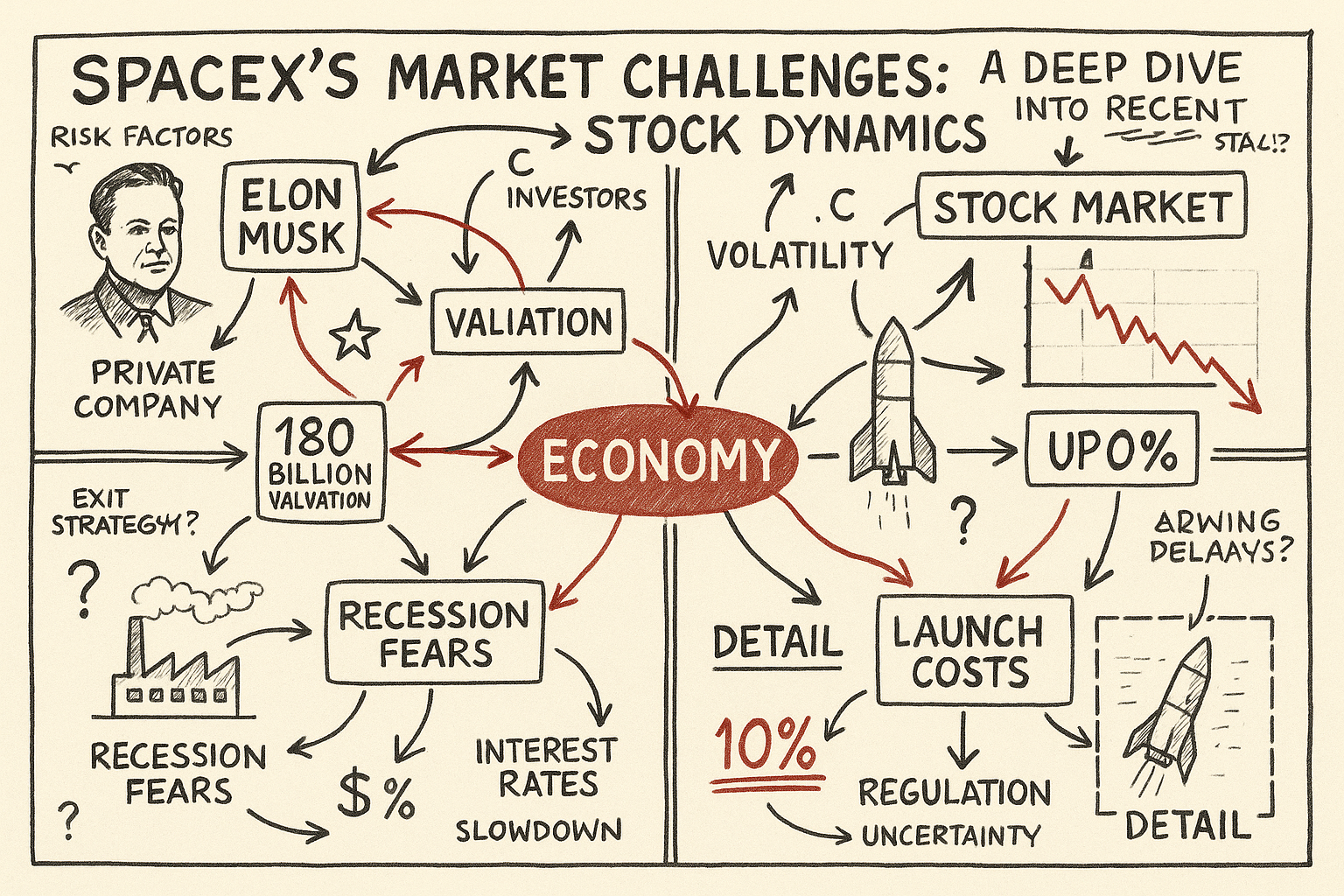
Despite these ambitious plans, SpaceX faces financial challenges. The company's first earnings call revealed a 92% increase in revenue from the previous year, reaching $7.8 billion. However, it also reported a loss of $541 million, a reduction from the previous year's $1 billion loss. This financial backdrop has led to a more than 7% drop in SpaceX's stock in after-hours trading, reflecting investor concerns about the company's profitability amidst its aggressive expansion plans.
Musk's bold claims during the earnings call, including the potential for SpaceX to generate $500 billion by 2027, were met with skepticism from his executives, who sought to temper expectations. This dynamic highlights the tension between Musk's visionary outlook and the practical considerations of SpaceX's leadership team.
The integration of AI into SpaceX's operations is a strategic move to diversify its revenue streams and enhance its technological capabilities. By positioning itself as an AI company, SpaceX is not only aiming to revolutionize satellite internet but also to tap into the lucrative AI market, which is expected to grow exponentially in the coming years.
As SpaceX continues to navigate its financial challenges and ambitious growth plans, its focus on AI could prove to be a pivotal factor in achieving its revenue targets. The company's ability to successfully integrate AI technologies and deliver on its promises will be closely watched by investors and industry analysts alike.