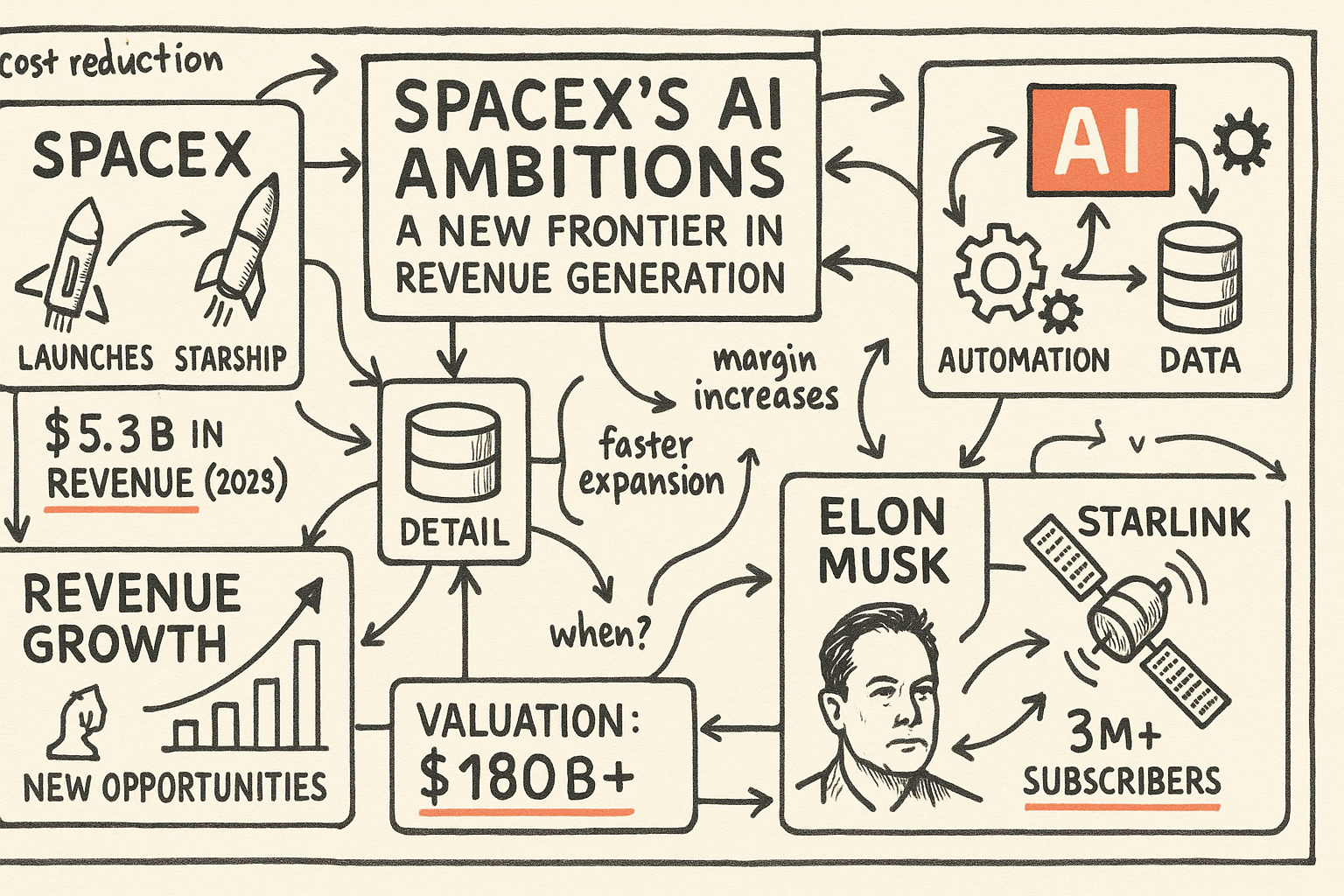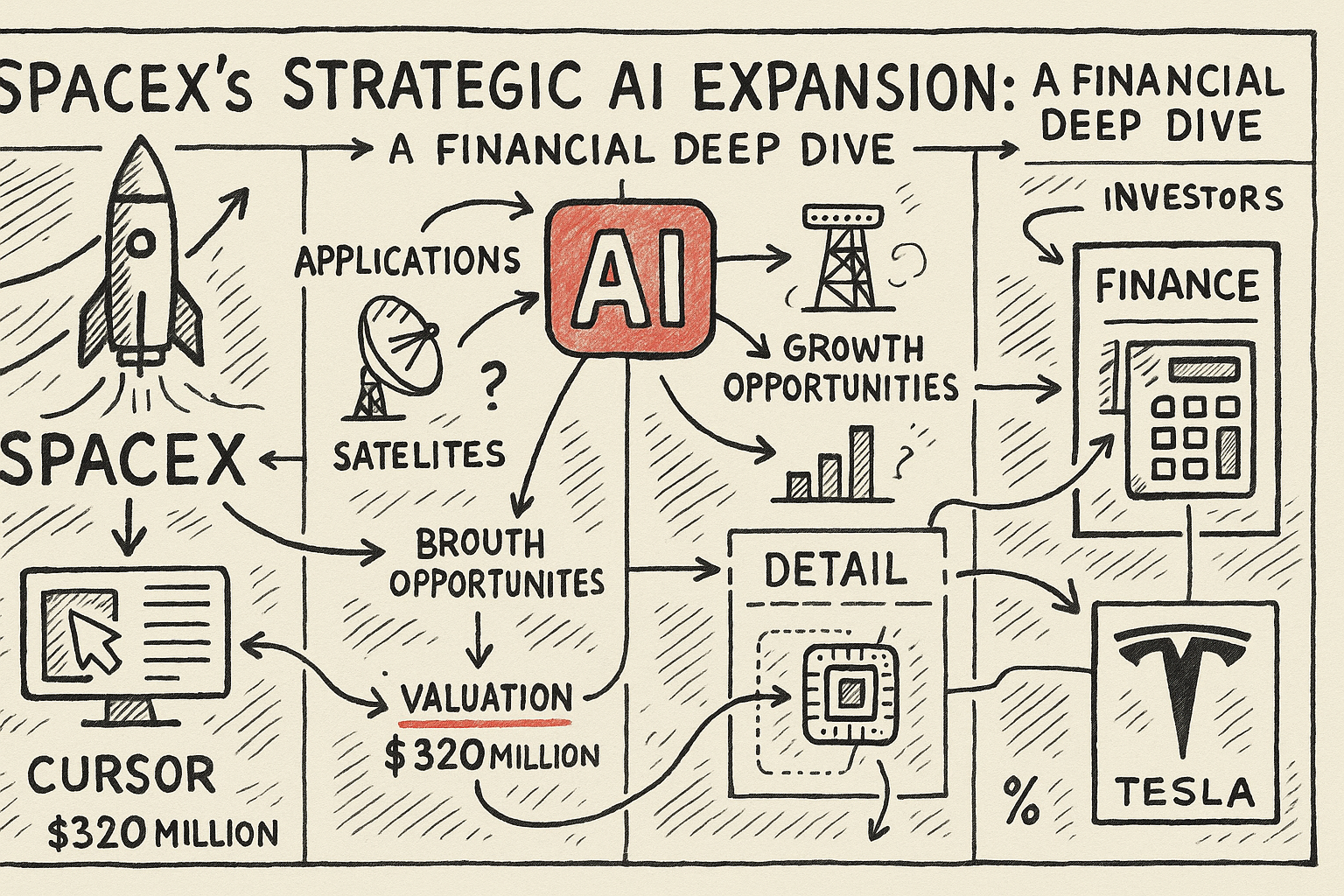
SpaceX, traditionally known for its groundbreaking work in rocket and satellite technology, is making a significant pivot towards artificial intelligence (AI), a move that could redefine its business model and financial trajectory. This shift is underscored by its recent acquisition of the AI coding platform Cursor, a deal valued at $60 billion, which Morgan Stanley believes could substantially contribute to SpaceX's revenue in the coming years.
Morgan Stanley estimates that Cursor could add $2.5 billion to SpaceX's revenue by 2026 and a staggering $13 billion by 2027. This acquisition is part of SpaceX's broader strategy to position itself as a key player in AI infrastructure, not just a space exploration company. The brokerage has projected that Cursor's annual recurring revenue could reach $8 billion by the end of the year and approximately $33 billion by 2030.
Despite these promising forecasts, SpaceX's financial performance presents a complex picture. In its first quarterly earnings report since going public, SpaceX reported a significant revenue increase of 92% year-over-year, reaching $7.8 billion. However, the company also recorded a loss of $541 million, an improvement from the previous year's loss of around $1 billion. This financial strain was reflected in the stock market, where SpaceX's shares fell by more than 7% in after-hours trading.
SpaceX's integration with other Elon Musk-led companies is also noteworthy. The company has invested heavily in Tesla Megapacks, spending $329 million so far this year. These industrial-scale batteries are likely being utilized at SpaceX's xAI data centers, further highlighting the interconnectedness of Musk's business ventures. Before xAI merged with SpaceX, it had already purchased $430 million worth of Megapacks for its data centers.
This strategic alignment with AI and energy storage technologies is not only a testament to SpaceX's evolving business model but also a reflection of the broader trend of convergence between space exploration and AI. As SpaceX continues to expand its AI capabilities, it is poised to leverage these technologies to enhance its operational efficiencies and open new revenue streams.
In conclusion, SpaceX's strategic pivot towards AI, bolstered by significant investments in Cursor and Tesla Megapacks, is reshaping its financial landscape. While the company faces immediate financial challenges, its long-term prospects appear promising, with AI positioned as a critical driver of future growth.