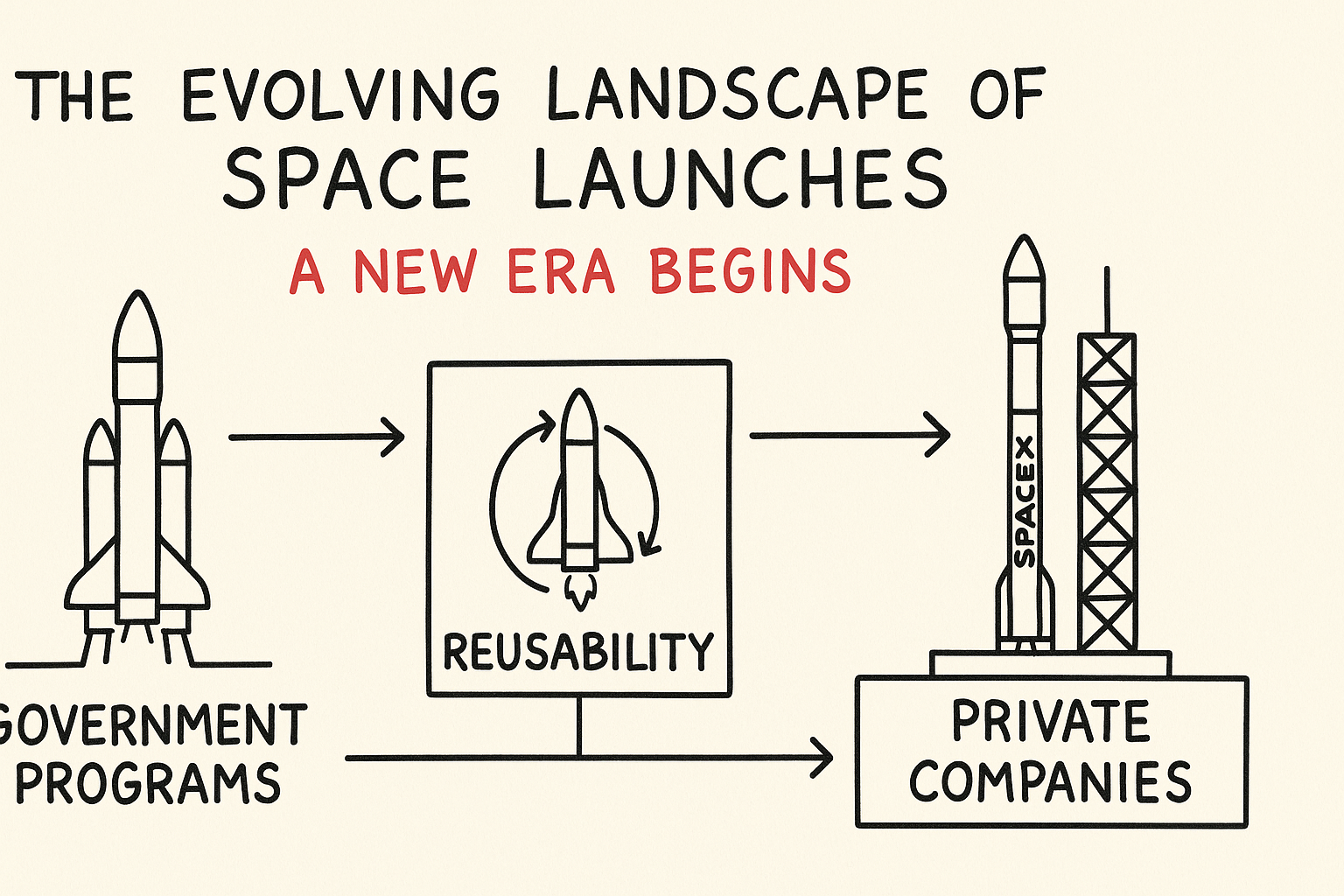
The recent developments in space launches highlight a rapidly evolving industry that is both challenging traditional paradigms and setting new benchmarks for technological and commercial success. At the forefront of this transformation is SpaceX, whose recent Starlink mission coincided with its debut on the Nasdaq stock exchange, marking a significant milestone in the company's journey.
SpaceX: A Commercial Titan
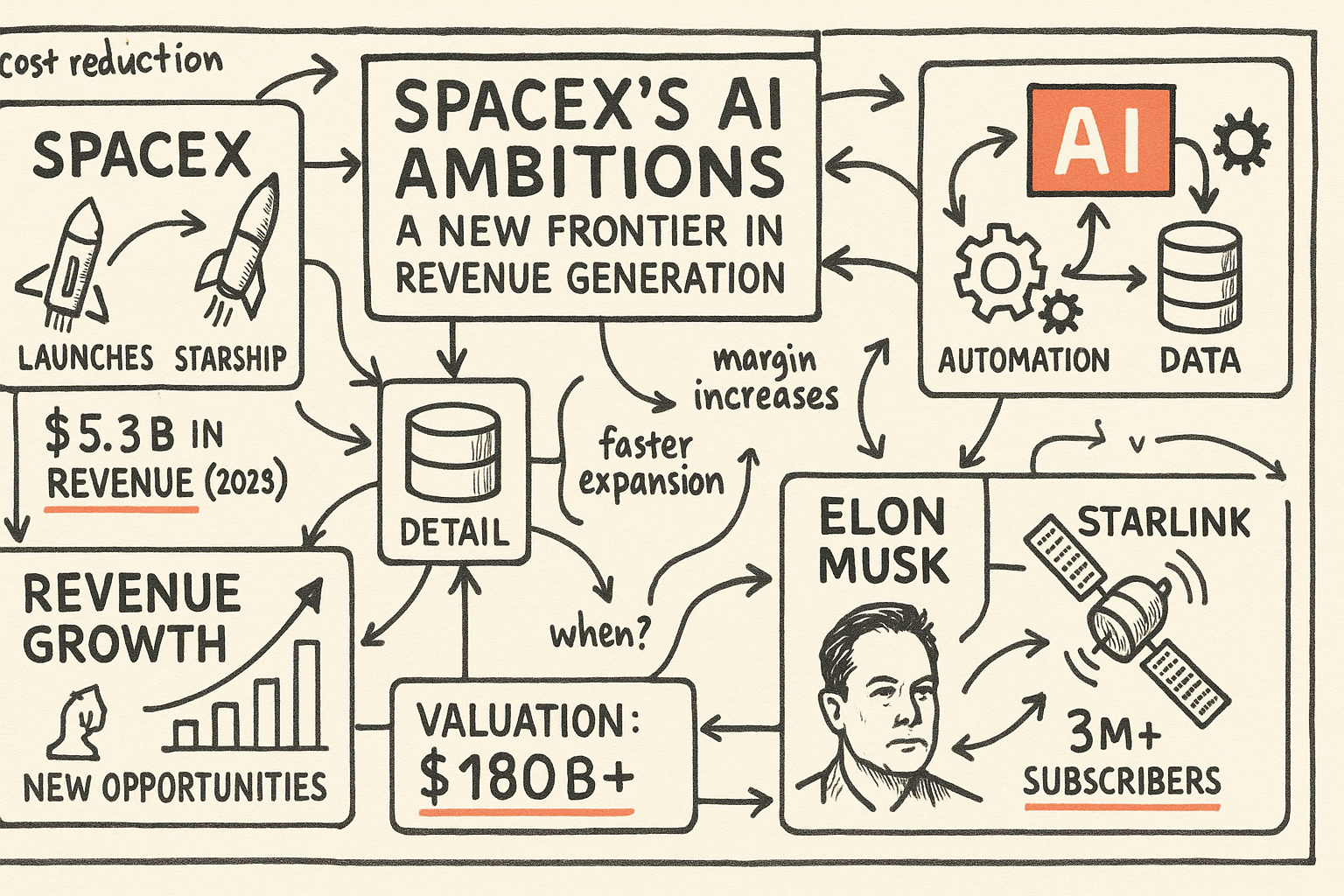
SpaceX's entry into public trading under the ticker symbol 'SPCX', with a valuation of $1.77 trillion, underscores its dominance in the commercial space sector. The company's ability to launch 24 Starlink satellites into orbit just as it enters the stock market is a testament to its operational efficiency and ambitious vision. This move not only signifies SpaceX's financial prowess but also reflects the growing investor confidence in the commercial viability of space exploration.
The implications of SpaceX's IPO are far-reaching. It sets a precedent for other private aerospace companies considering public listings, thereby potentially reshaping the financial landscape of space exploration. Moreover, it signifies a shift in how space ventures are perceived, from high-risk endeavors to lucrative investment opportunities.
International Collaboration and Competition
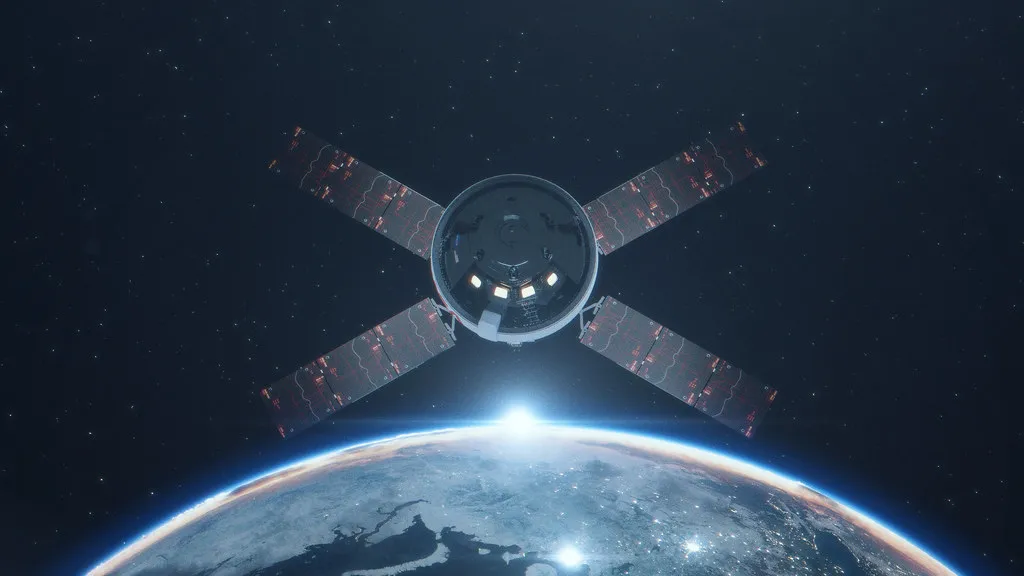
On the international front, Italy's unexpected advancement in the crew allocation queue for the Artemis mission, due to astronaut Luca Parmitano's test pilot experience, highlights the nuanced dynamics of international collaboration in space exploration. This decision deviates from the earlier agreement to prioritize Germany, demonstrating how individual expertise can influence strategic decisions within multinational agreements.
This scenario underscores the complexity of international partnerships in space exploration, where technical expertise and political considerations must be balanced. It also points to a competitive undercurrent among nations to secure prominent roles in high-profile missions.
Technological Innovation and Workforce Development
As these commercial and international developments unfold, NASA continues to emphasize the importance of workforce development in sustaining its leadership in space exploration. Through initiatives like the Career Technical Education Day, NASA is fostering the next generation of technical talent essential for future missions. This focus on education and training is crucial as the industry anticipates increased demand for skilled technicians to support burgeoning space missions.
Simultaneously, NASA's collaboration with NOAA at the upcoming symposium on operational environmental satellite systems highlights the growing importance of technological innovation in addressing earthly challenges. This collaboration aims to enhance satellite systems that play a critical role in monitoring and mitigating environmental issues, demonstrating how space technology can have direct terrestrial benefits.
Future Implications
The current trajectory of space launches suggests a future where commercial enterprises play an increasingly significant role in exploration initiatives traditionally dominated by governmental agencies. This shift could lead to greater innovation, reduced costs, and accelerated timelines for space missions. However, it also raises questions about regulatory frameworks and the need for international cooperation to manage space traffic and ensure the sustainability of space activities.
In conclusion, the recent developments in space launches reflect a transformative period in space exploration. The integration of commercial ventures, international collaborations, and technological advancements is paving the way for a new era of exploration that holds immense potential for scientific discovery and economic growth.