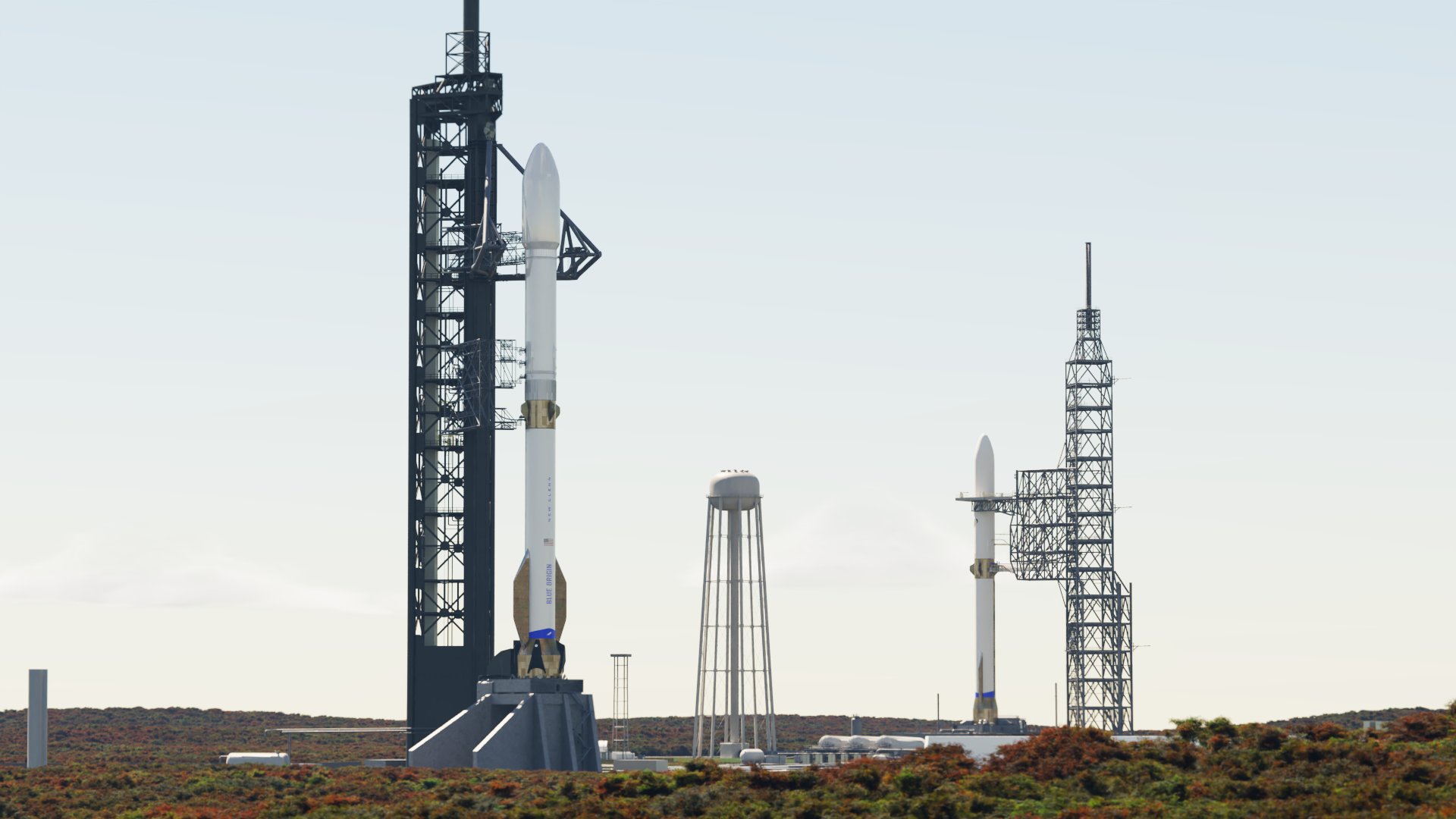
Google announced on Thursday that it has selected Blue Origin’s New Glenn rocket for a dedicated launch of Project Suncatcher satellites targeted for the first quarter of 2029. The mission will place a batch of AI server satellites into Sun‑synchronous orbit (SSO), the companies said, advancing Project Suncatcher from prototype testing toward dedicated heavy‑lift deployment.
Project Suncatcher is Google’s moonshot research effort to explore operating solar‑powered machine‑learning compute infrastructure in space. Each spacecraft is described by Google as carrying custom Tensor Processing Units (TPUs) and having computing capacity “roughly the capacity of a data center rack,” according to Travis Beals, Google’s senior director for the project. The sail of systems includes thermal management and optical inter‑satellite links designed to process and route AI workloads in low Earth orbit.
Google previously launched a prototype TPU-equipped satellite in October via a SpaceX Falcon 9 rideshare, where the hardware booted and ran an onboard Gemma 4 model that transmitted an AI‑generated haiku to Earth. The new New Glenn booking represents the first dedicated heavy‑lift mission reserved for Project Suncatcher and moves the program toward deploying multiple rack‑scale compute satellites into a dawn‑dusk SSO to maximize continuous solar exposure and minimize eclipse periods.
Blue Origin said the New Glenn mission will deploy the satellites to a Sun‑synchronous orbital plane selected to support sustained high‑power computing operations. In preparatory work for the 2029 flight, engineering teams from both companies will coordinate payload interface definitions, environmental qualification testing, and spacecraft integration schedules; execution remains contingent on Blue Origin returning New Glenn to regular flight operations and Google completing ongoing orbital prototype validation.
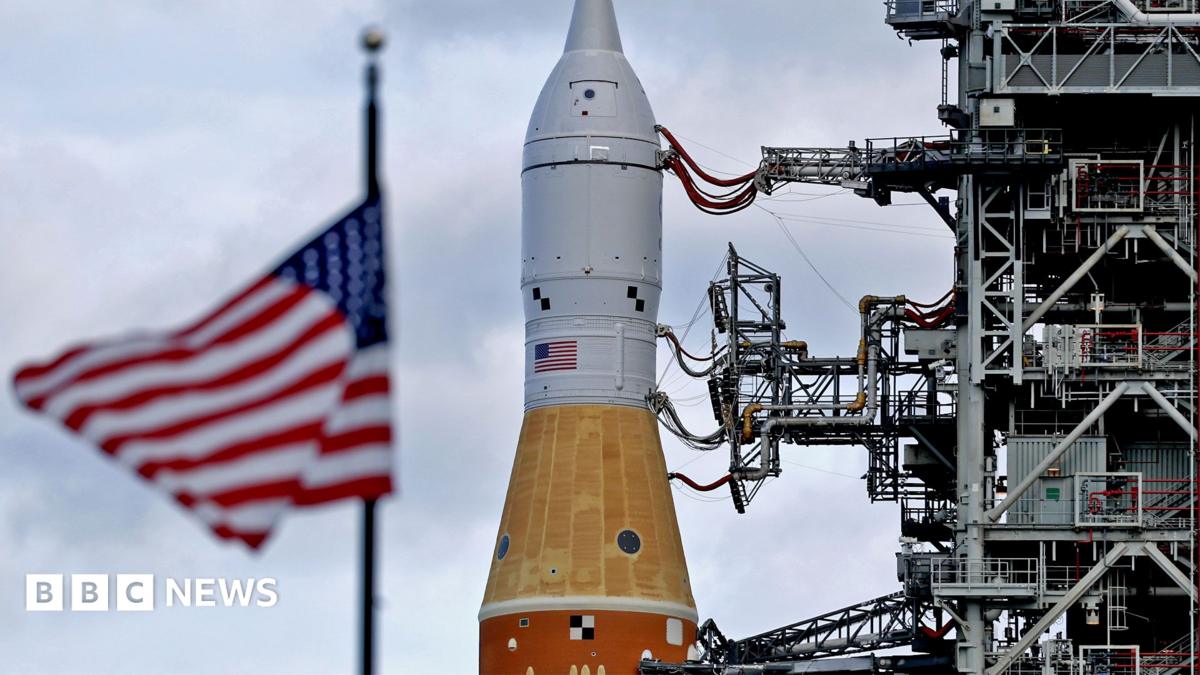
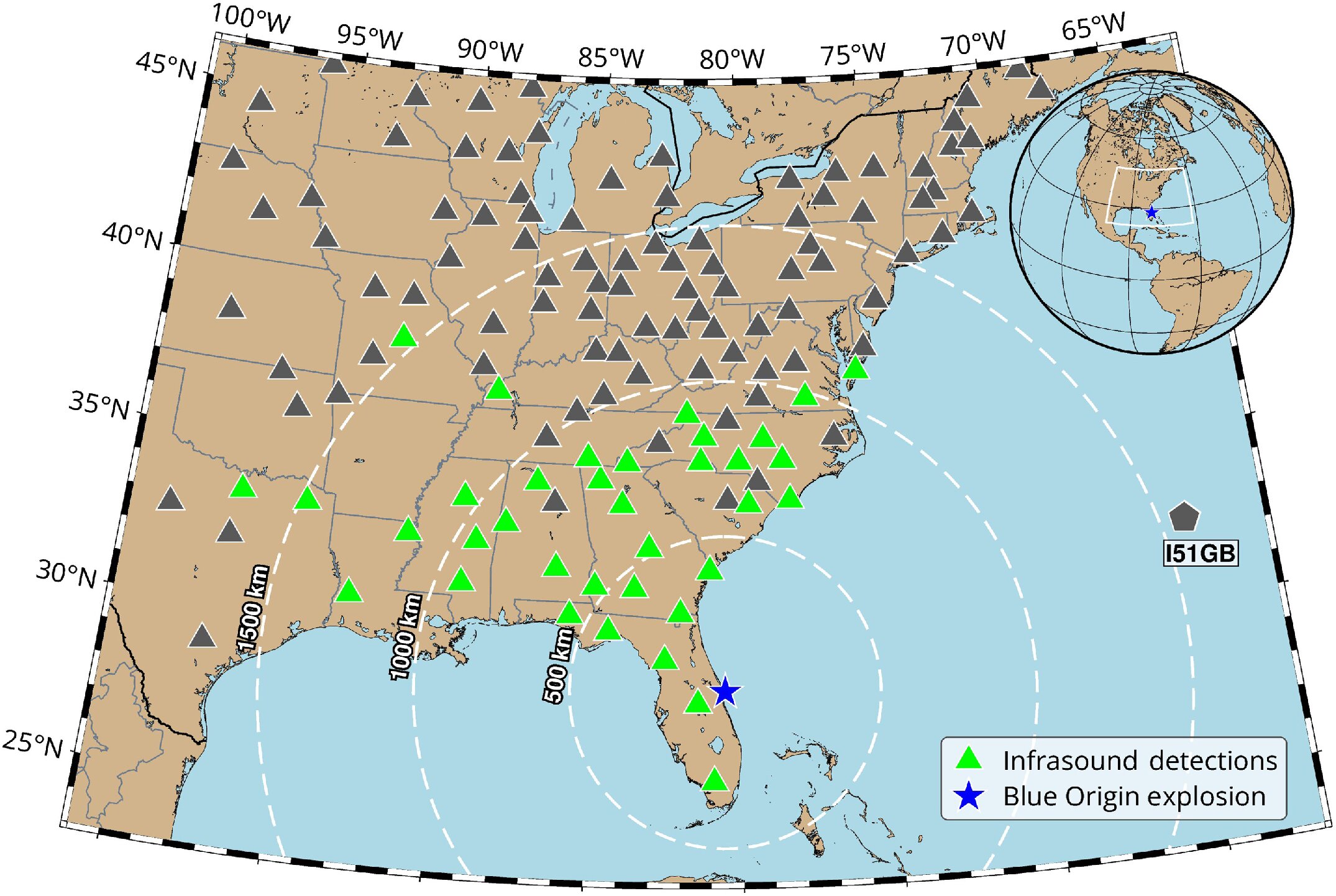
For Blue Origin, the agreement adds a major commercial technology customer to New Glenn’s manifest as the company repairs and readies Launch Complex 36 at Cape Canaveral Space Force Station following a May static‑fire anomaly. The booking uses the New Glenn 7×2 variant — the smaller configuration of the vehicle that has flown three times to date, according to reporting — and secures dedicated fairing volume and payload integration support for the multi‑satellite payload.
NovΔ mAInd's launch database shows Blue Origin with 13 launches tracked and a 92.3% success rate, with the most recent tracked launch dated 2026-04-19. Our tracker also lists a New Glenn | Blue Ring-1 launch scheduled for 2027-01-31 (it has NOT flown yet) to Geostationary Transfer Orbit, operated by Blue Origin.
Neither company disclosed the number of satellites to be carried on the 2029 mission. Google framed the Suncatcher program as a long‑term effort to scale AI infrastructure by tapping abundant orbital solar power; Blue Origin’s New Glenn provides the heavy‑lift capacity and fairing volume to carry satellites with rack‑scale computing hardware into SSO. Both firms emphasized this as a milestone for the project while noting remaining technical and schedule dependencies ahead of the targeted liftoff.