The Italian Space Agency (ISA) has announced a significant milestone in its effort to develop a lunar habitat. On May 22, the agency revealed that its Multi-Purpose Habitation (MPH) module has successfully cleared a critical system requirements review conducted by NASA. This approval is a pivotal step in the MPH module's journey towards its Preliminary Design Review, scheduled for 2027.
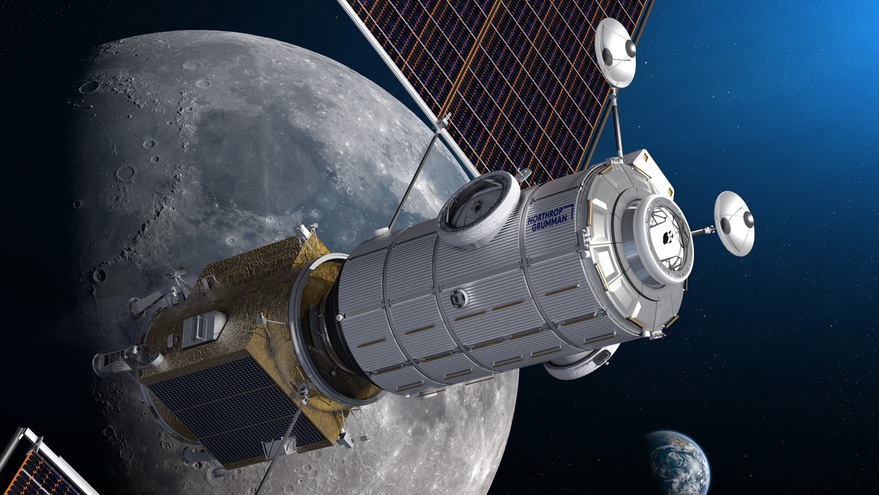
The MPH module is a vital component of Italy's ambition to contribute to lunar exploration efforts. This module is designed to serve various roles, potentially supporting scientific research, technological experiments, and providing living space for astronauts on the Moon.
According to the Italian Space Agency, the MPH module's successful review signifies that the design meets the necessary technical and safety standards set by NASA. This accomplishment is part of a broader collaboration with international partners, as NASA continues to foster global partnerships for its space exploration initiatives.
Looking ahead, the first MPH module is anticipated to launch in 2033. This timeline aligns with broader efforts to establish a sustainable human presence on the Moon, a goal shared by many space-faring nations. The module's development and eventual deployment will contribute to the broader framework of lunar exploration strategies, potentially playing a role in the Artemis program, which aims to return humans to the Moon and establish a long-term presence there.
The announcement of the MPH module's progress comes at a time when NASA Administrator Jared Isaacman has indicated a strategic pause in some of the agency's activities. Despite this, the collaboration with the Italian Space Agency continues to move forward, underscoring the importance of international cooperation in space endeavors.
The Italian Space Agency's achievement highlights the growing role of European countries in the global space exploration landscape. By advancing the development of the MPH module, Italy is positioning itself as a key player in future lunar missions, contributing technological expertise and fostering international collaboration.