NASA has long been at the forefront of space exploration, with ambitious projects like the Artemis campaign aiming to return humans to the Moon. However, the complexities of managing programs and projects after mission termination present significant challenges. A recent audit by the NASA Office of Inspector General highlights these challenges, focusing on canceled or repurposed Artemis campaign systems, and provides a lens into how NASA can optimize its resources and infrastructure.
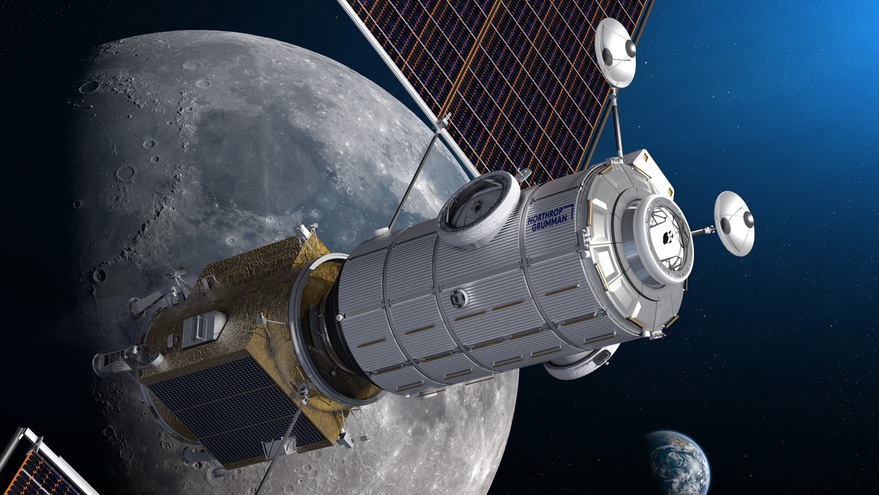
The Artemis campaign, a series of programs intended to return humans to the lunar surface, has faced its share of hurdles. Projects within this campaign have been terminated or repurposed due to various factors, including changing mission priorities and budget constraints. The NASA Office of Inspector General (OIG) report underscores the importance of efficient management of these programs post-termination to maximize resource utilization and infrastructure capabilities.
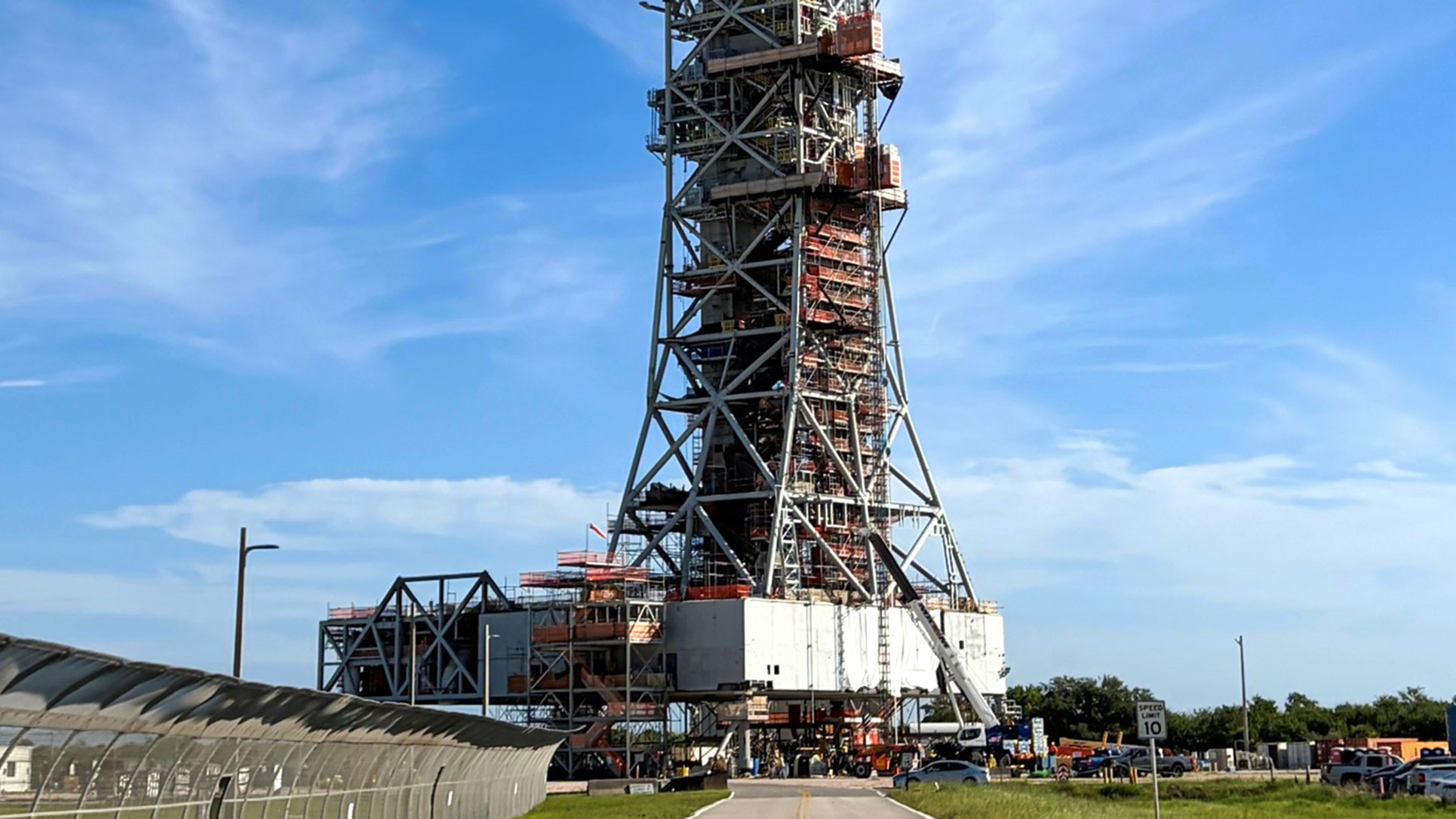
One of the key issues identified is the aging infrastructure NASA relies upon, which is increasingly unable to meet the growing demands of current space missions. The infrastructure, some of which dates back decades, struggles to support the advanced requirements of modern space exploration activities. As a result, NASA is grappling with capacity limits at its launch sites, which could potentially hinder future missions if not addressed.
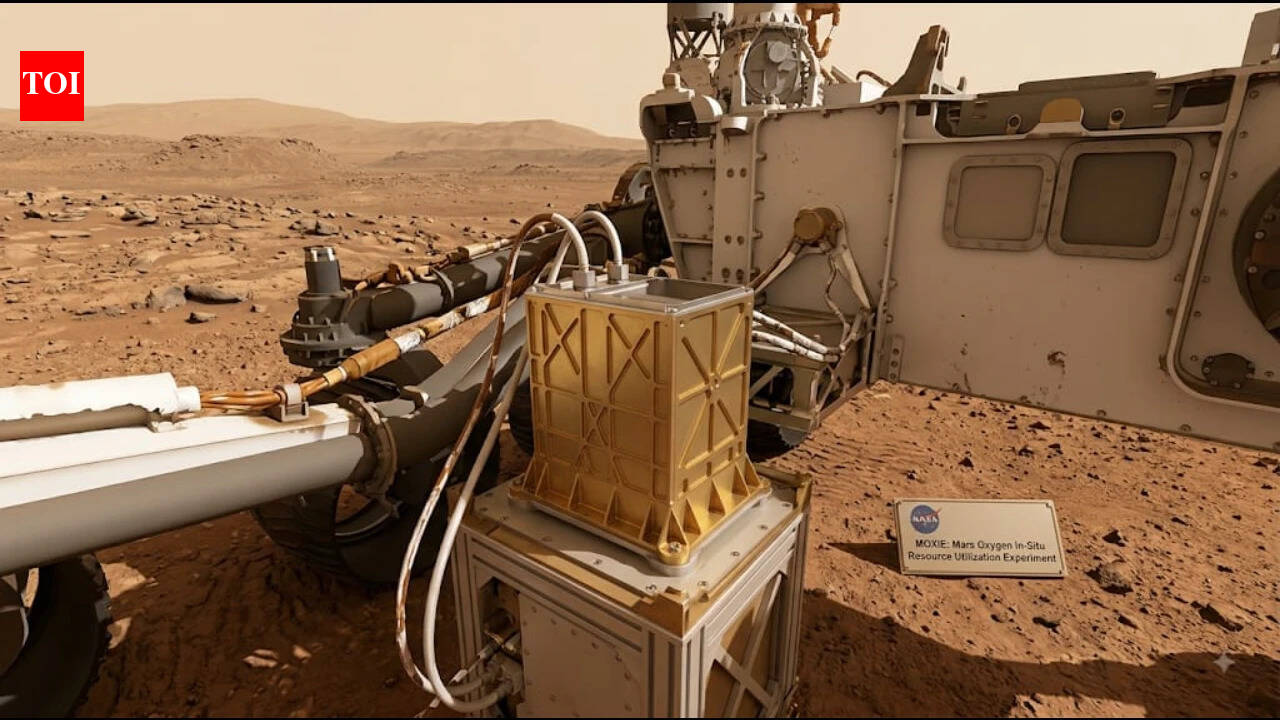
The report suggests that NASA needs to adopt a more strategic approach to resource allocation and infrastructure modernization. This includes reevaluating current systems and potentially repurposing them for other uses within NASA's broad array of projects. By doing so, NASA could better address the limitations posed by outdated infrastructure and optimize its operational efficiency.
In the context of the Artemis campaign, the termination or repurposing of projects highlights the dynamic nature of space exploration. NASA must remain adaptable, continuously assessing the viability and relevance of its missions. This adaptability is crucial not only for the Artemis campaign but for the broader scope of NASA’s objectives in space exploration.
Historically, NASA has faced similar challenges with other programs, such as the Space Shuttle program, which required substantial resource reallocation following its conclusion. The lessons learned from these past experiences are instrumental in shaping the current strategies for managing terminated missions.
Looking forward, NASA's ability to manage its programs efficiently post-termination will be pivotal in its ongoing and future missions. As the space agency continues to aim for ambitious goals, such as establishing a sustainable human presence on the Moon and eventually Mars, the need for robust management strategies becomes increasingly evident.
The future implications of these findings are profound. By addressing the issues of resource allocation and infrastructure modernization, NASA can ensure that it remains at the cutting edge of space exploration. This not only involves technological advancements but also strategic planning and foresight in program management.
In conclusion, the report by the NASA OIG sheds light on the critical challenges faced by NASA in managing programs after mission termination. It underscores the necessity for strategic resource management and infrastructure adaptation in the face of evolving mission demands. As NASA continues its quest for space exploration, these findings will play a crucial role in shaping its path forward.