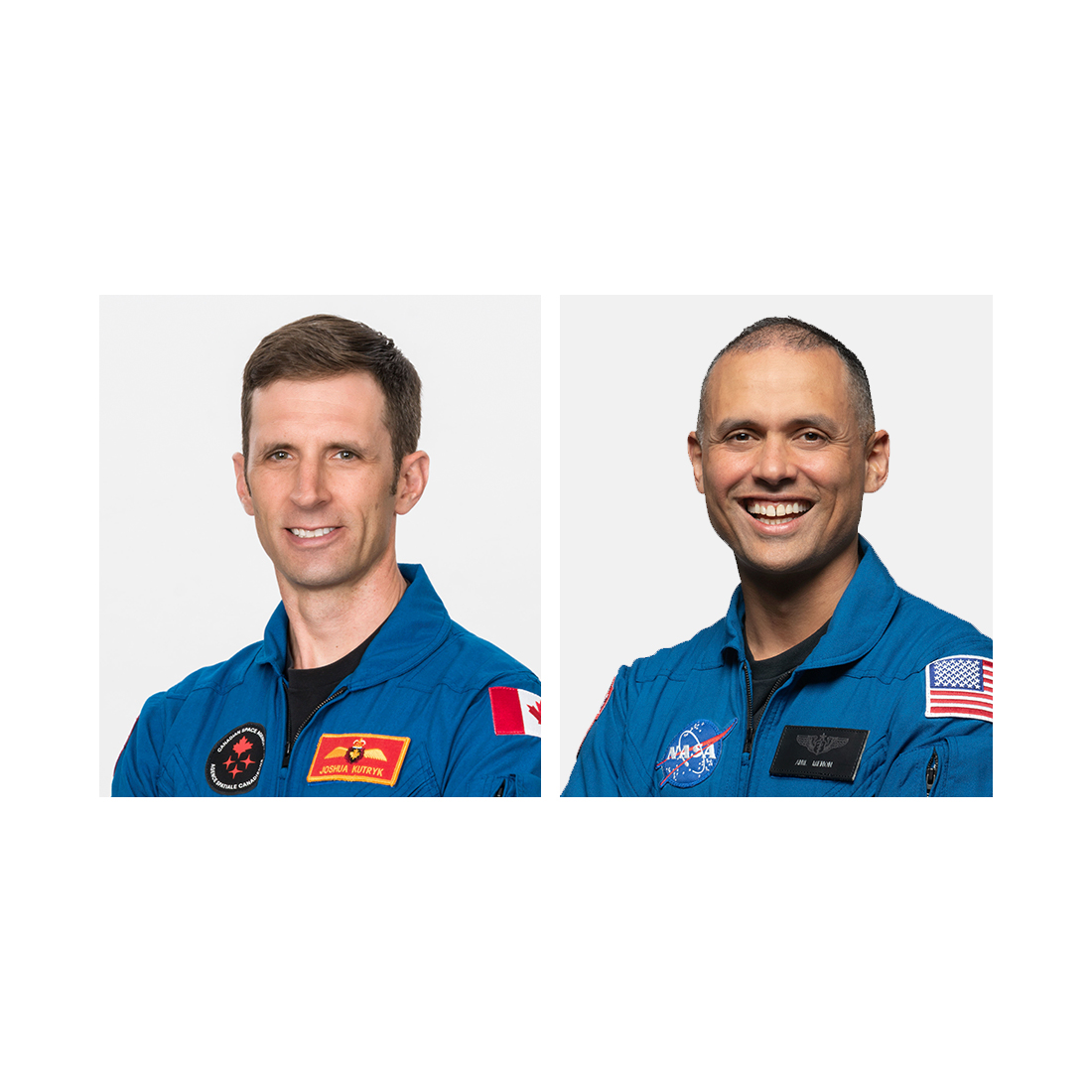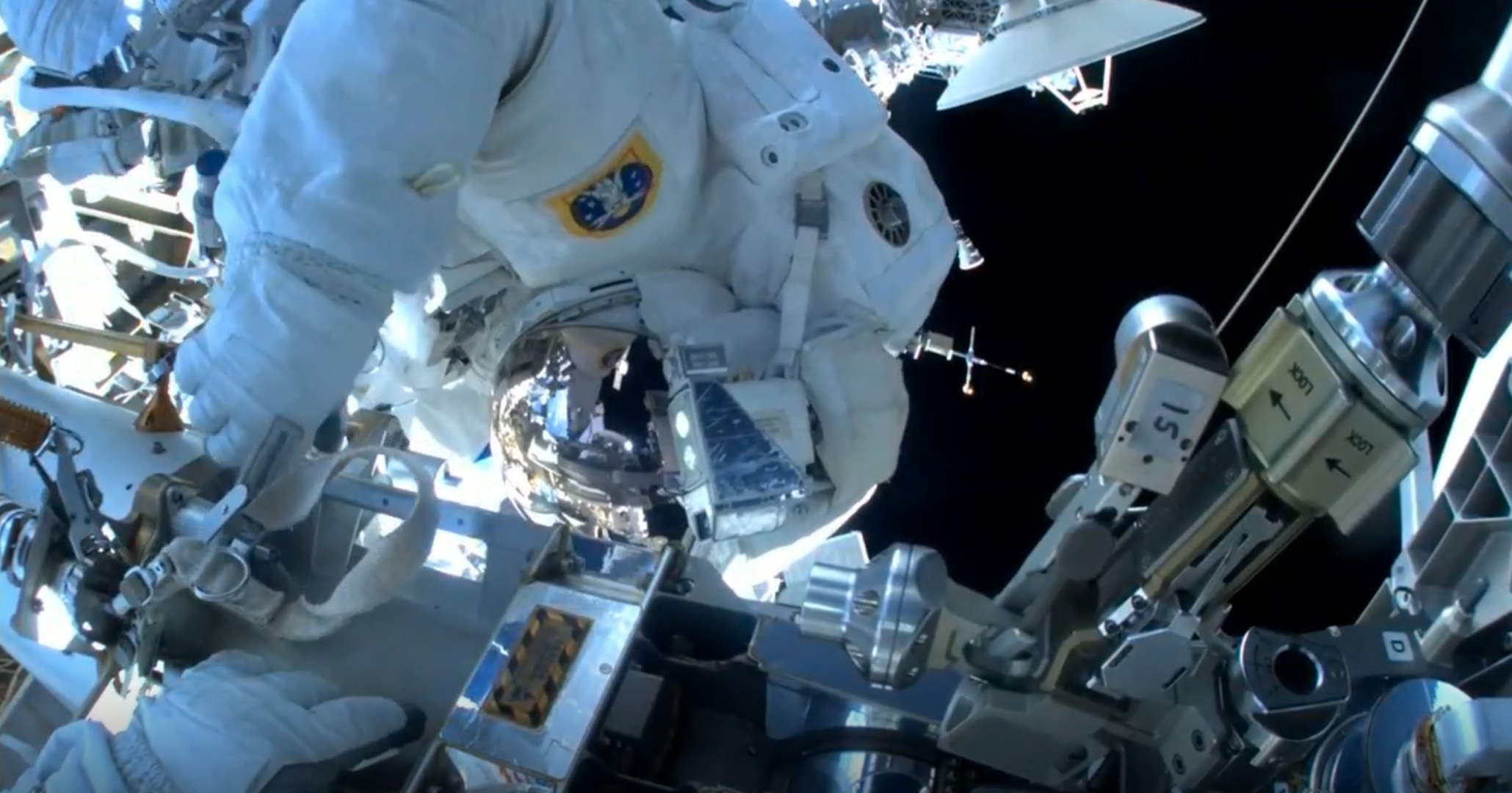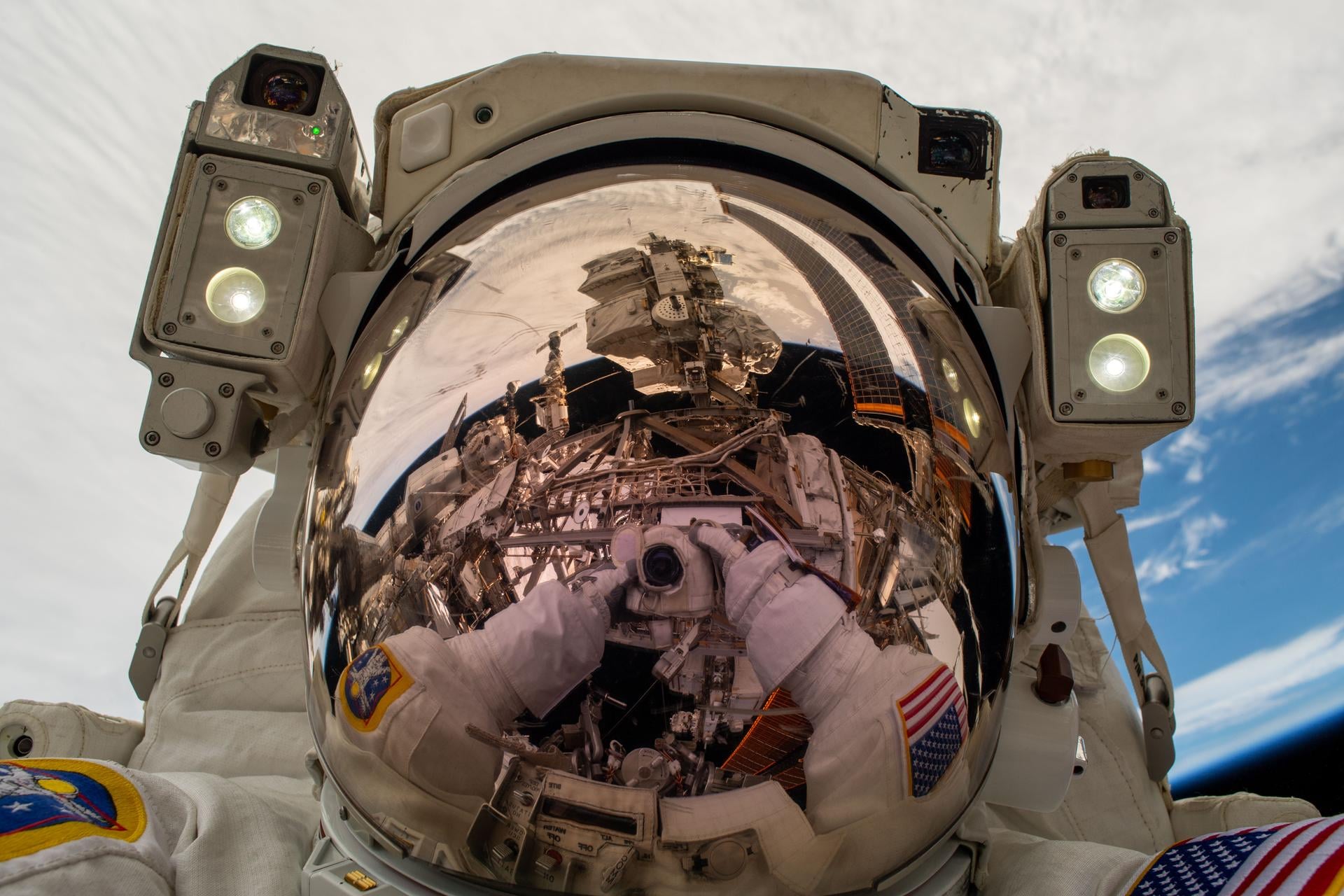
NASA astronaut Anil Menon and Canadian Space Agency (CSA) astronaut Joshua Kutryk on Nov. 5, 2026, installed and deployed the eighth and final International Space Station Roll-Out Solar Array (IROSA) on the station's 3B power channel, completing the power augmentation upgrades. Together, the eight roll-out arrays raise the station's power generation capacity from 160 kilowatts to approximately 215 kilowatts.
The spacewalk began at 8:36 a.m. EST, when the two exited the Quest airlock, and ended at 3:35 p.m. EST, after six hours and 59 minutes. NASA had scheduled the start for about 8:30 a.m. Kutryk was spacewalk crew member 1 and wore the suit with red stripes. Menon was crew member 2 and wore the unmarked suit.
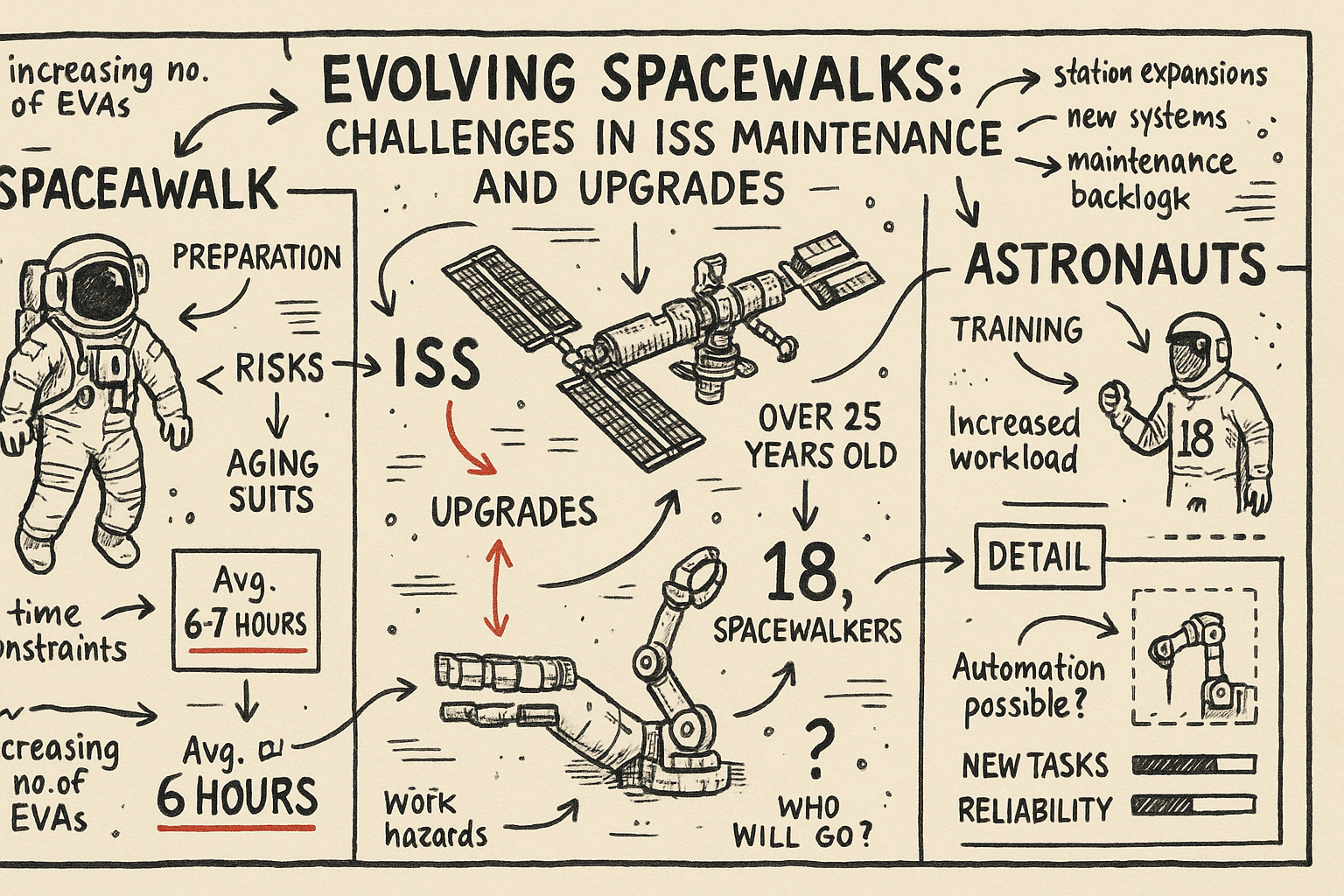
A tally of 18 spacewalks since February 2021
Work to augment the station's power generation began in February 2021. Since then, astronauts have completed 18 spacewalks to prepare power channel equipment and install the eight arrays. U.S. spacewalk 101 was Menon's fifth and Kutryk's second. It was also the 286th spacewalk in support of space station assembly, maintenance and upgrades.
The IROSAs mount in front of and partially cover the station's original wings rather than replacing them. As NovΔ mAInd reported in our preview of the final two spacewalks, the last two arrays reached the station aboard SpaceX's 35th Commercial Resupply Services mission. That Dragon launched Oct. 13 from Cape Canaveral Space Force Station and docked to the Harmony module two days later. Canadarm2 lifted the arrays out of Dragon's trunk and served as a platform for one of the spacewalkers.
Each IROSA produces about 8 kilowatts, compared with about 19 kilowatts from each original wing when new. According to NASA, the eighth array will also provide additional power for critical station operations, including the station's safe and controlled deorbit.
An electrical snag, a reseated connector and "good currents"
After the initial cable mating, mission controllers saw the newly connected array producing lower-than-expected current. Power connections to the live legacy wing can only be handled safely during orbital night. Flight controllers therefore had the crew pause and move up cleanup tasks while they waited for the next darkness window. During that night pass Kutryk inspected and reseated a power connector. After the station returned to daylight, engineers reported "good currents," and the crew released the final restraint bolts.
For the installation, Menon rode Canadarm2 carrying the folded array, handed it to Kutryk, then detached from the arm to help at the worksite. The two made several handoffs and used foot restraints to secure the array for attachment. The array unfurled in about ten minutes and reached full length. NASA reported the deployment complete at roughly 3:05 p.m. EST.
The pair had practiced the sequence a week earlier. As NovΔ mAInd reported in our coverage of Kutryk's first spacewalk, he and Menon installed the seventh IROSA on the 2A power channel on Oct. 29. SpaceQ reported that outing lasted seven hours and 11 minutes and was the first CSA spacewalk in more than seven years.