NASA finalises SR-1 Freedom architecture and buys heat-rejection hardware
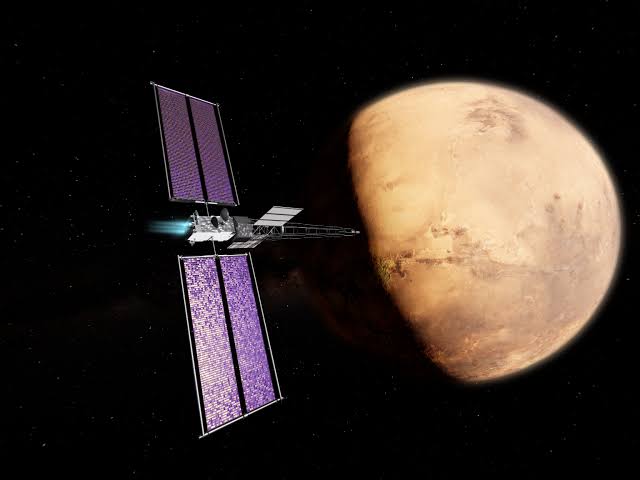
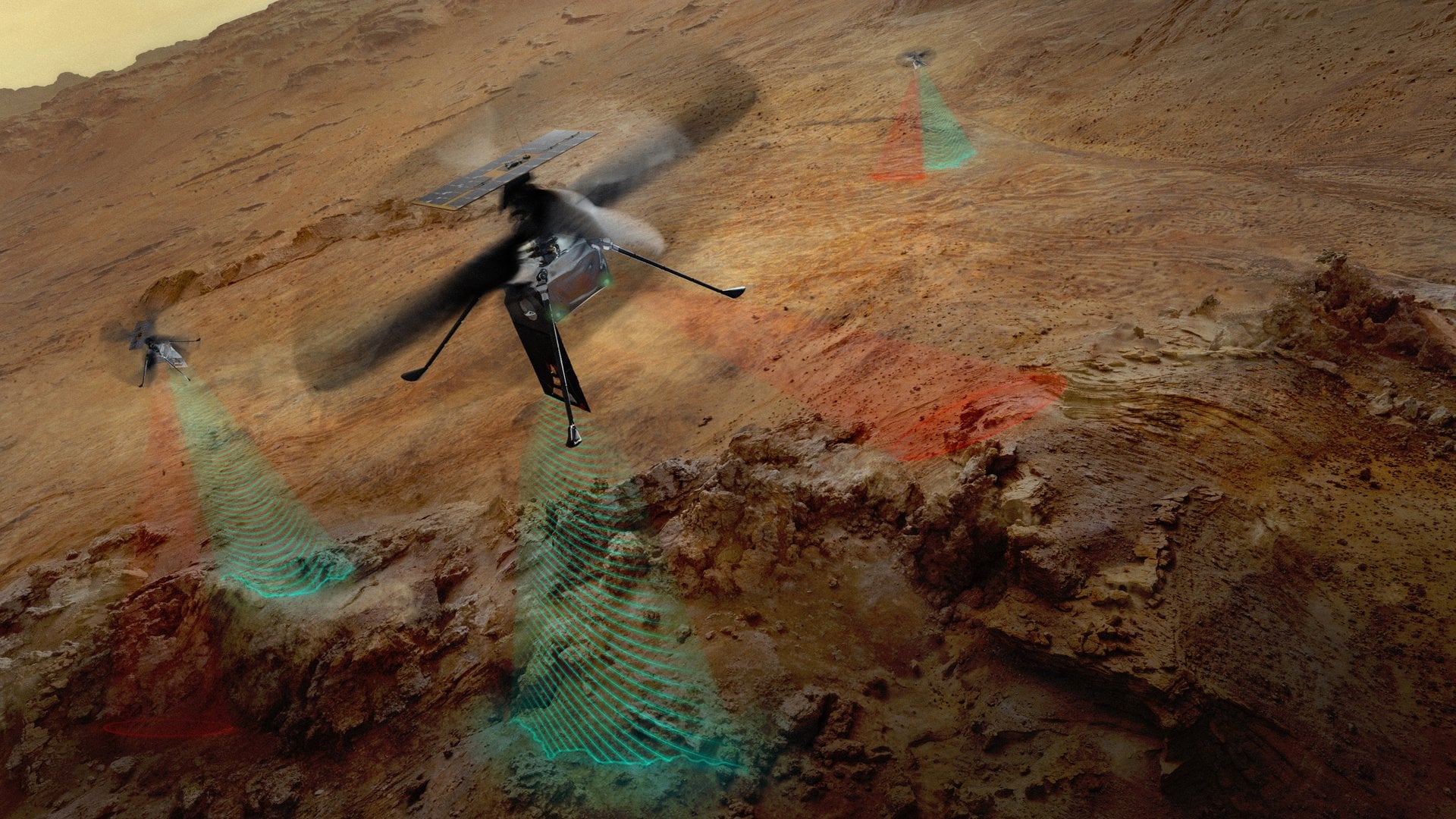
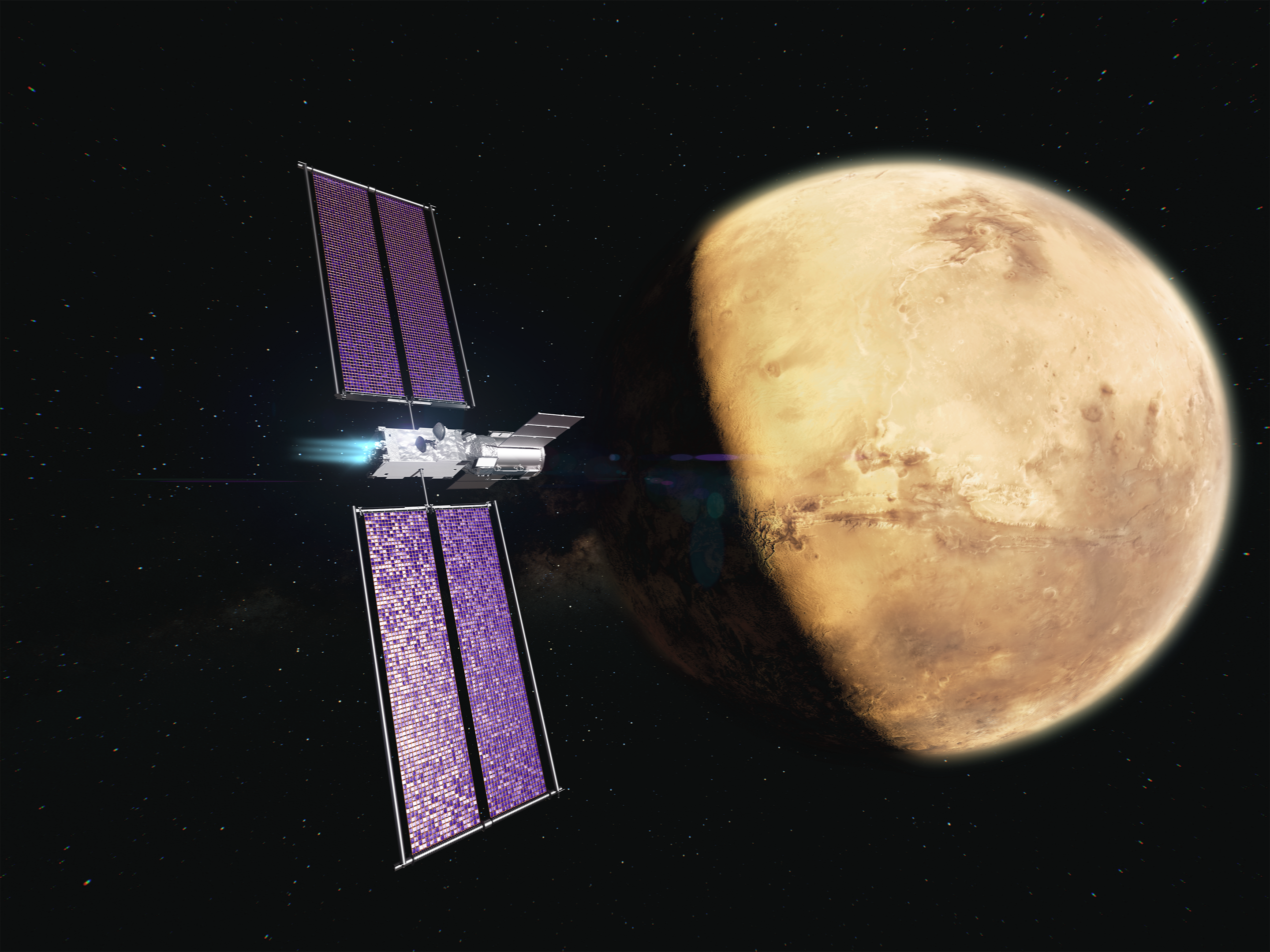
NASA completed a major mission design review in October and on 24 November announced it has locked key elements of Space Reactor-1 (SR-1) Freedom, a spacecraft aimed at demonstrating nuclear electric propulsion in deep space and delivering the SkyFall capsule carrying three next-generation JPL helicopters to Mars. The agency is targeting a late-2028 launch window to coincide with the next Mars transfer opportunity.
Officials from across NASA, the U.S. Department of Energy (DOE) and industry met at NASA’s Glenn Research Center in Cleveland for the review that moved the effort from an early concept toward a defined spacecraft design. Steve Sinacore, SR-1 Freedom program director, was quoted saying the decisions “lay the tracks for every nuclear-powered spacecraft that follows.”
One prominent change from earlier illustrations is a shorter boom separating the fission reactor from the spacecraft’s main body, the Power and Propulsion Element (PPE). NASA and DOE experts concluded that improvements in shielding and spacecraft design will allow the reactor to operate closer to the PPE while still protecting electronics and the SkyFall payload. The shorter boom is expected to reduce mass, simplify assembly and streamline the overall design.
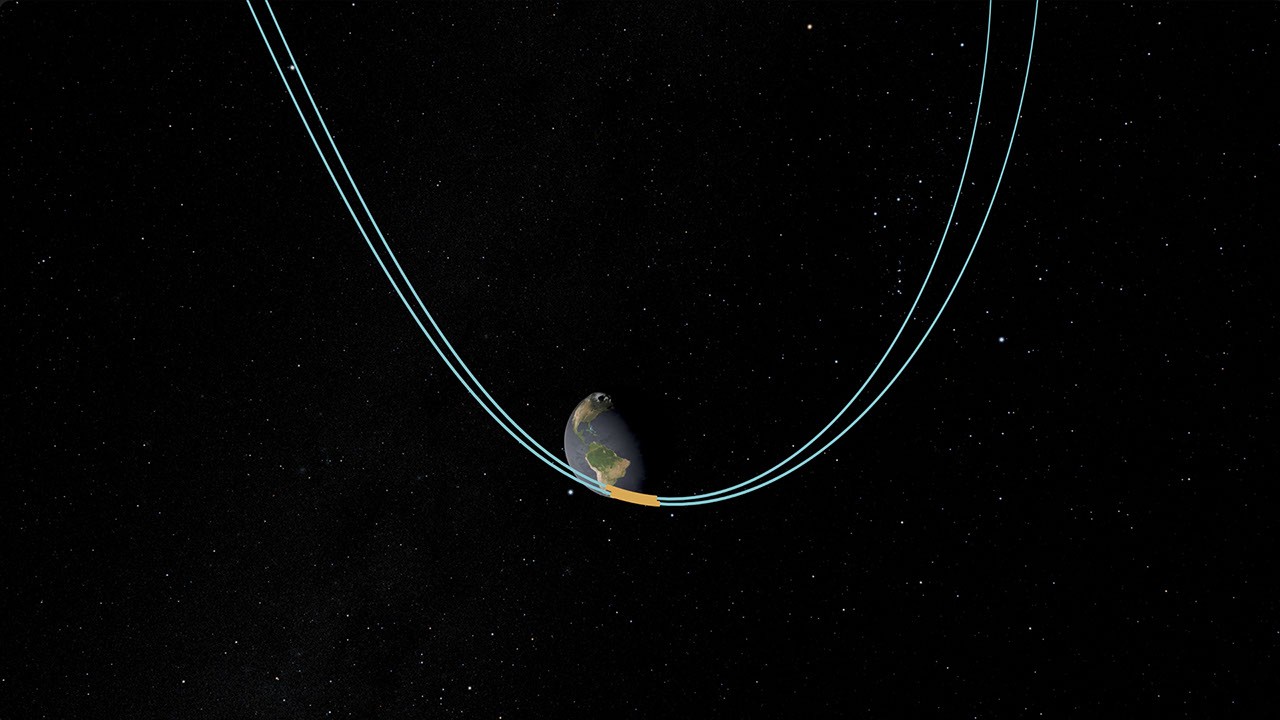
The mission will use both nuclear and solar power. After launch and departure from Earth orbit, SR-1 Freedom will activate its fission reactor and gradually raise power for an initial operating period during which performance data will be returned to Earth; the reactor will then be shut down and the spacecraft will cruise to Mars on solar arrays. After delivering SkyFall into Martian orbit, SR-1 will restart the reactor to gather additional deep-space performance data.
NASA also plans modifications to the PPE for the Mars voyage, notably larger X-band antennas to transmit data from deep space. Teams continue to evaluate other design details, including the number of radiator panels, the nuclear module’s output power and how long the reactor will operate.
To support thermal management of the nuclear power module, NASA awarded a $39.3 million contract to Johns Hopkins University’s Applied Physics Laboratory (APL). Under the Aerospace Research, Development, and Engineering Support II contract, APL will design, build, test and produce flight hardware for the heat-rejection system that removes excess heat from the spacecraft’s nuclear power system. APL is working with Advanced Cooling Technologies, which will supply heat pipes and composite radiator technologies as a strategic commercial partner.
NASA described the heat-rejection system as a key component for demonstrating nuclear electric propulsion and said the work will help establish the industrial foundation for future high-power nuclear systems used in deep-space exploration.
With these design decisions advanced and cross-agency teams aligned, NASA said SR-1 Freedom is progressing toward its 2028 launch goal and will inform future nuclear-powered transportation and surface power systems, including technologies relevant to lunar bases and missions deeper into the solar system.