Overview
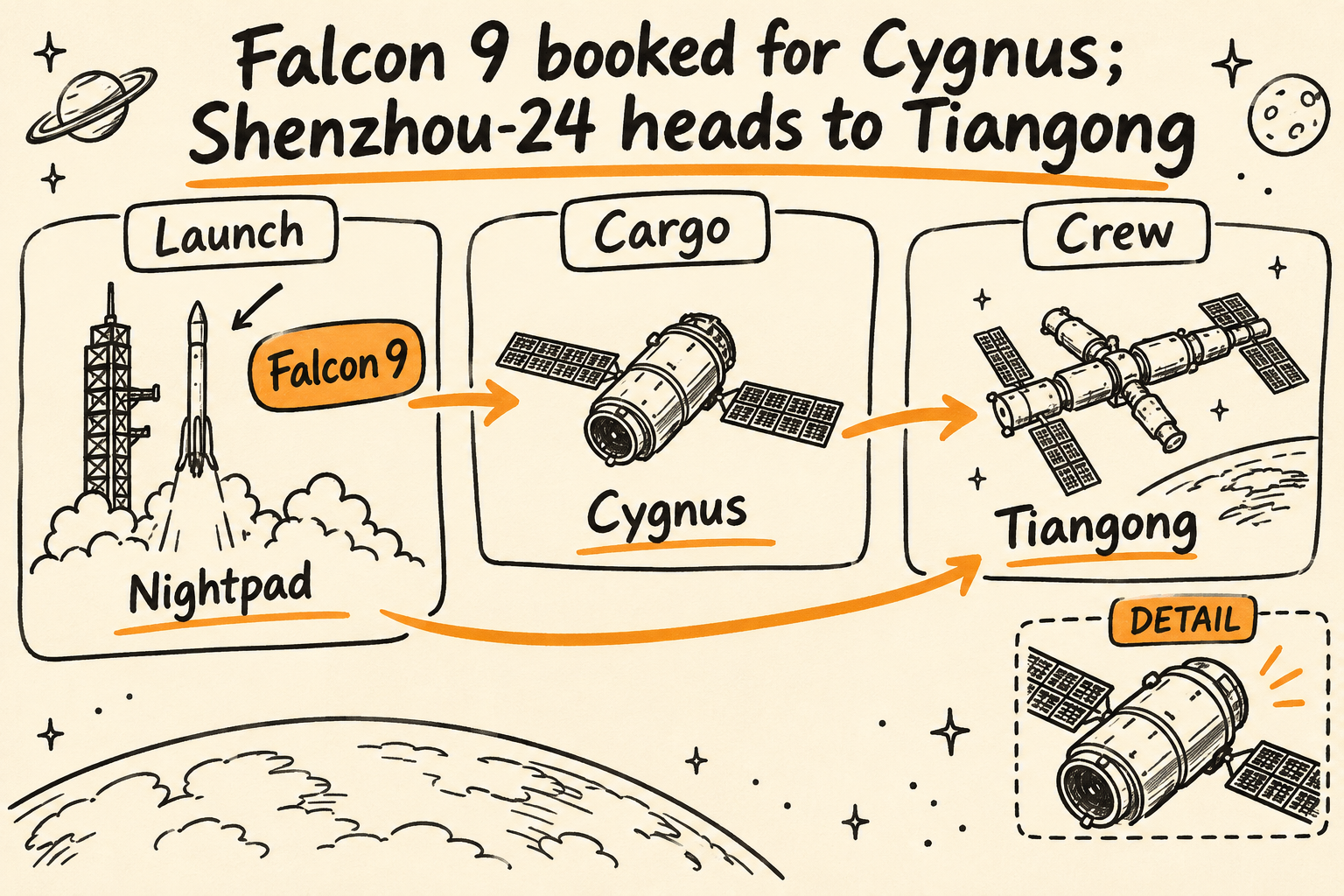
The week’s manifest — spanning Russian Progress freighters, a SpaceX Dragon return, Northrop Grumman’s use of Falcon 9 for Cygnus, multiple U.S. Space Force rideshares, Rocket Lab’s centennial mission and China’s Shenzhou‑24 to Tiangong — reads like a compressed history of modern launch politics and commercial evolution. Beneath the parade of vehicles is a set of structural changes: commercial providers are subsuming traditional incumbent roles, geopolitical rivals are normalizing routine crew-exchanges, and launch tempo is increasingly driven by a blended set of civil, commercial and defense priorities.
From niche contractors to launch marketplace incumbents
Northrop Grumman’s decision to book a sixth Falcon 9 for a Cygnus resupply mission is not an isolated logistics hiccup; it marks a tectonic shift in how national-level spacecraft procurement treats launch capacity. Historically, the Antares family served as Cygnus’ default ride. Antares 330’s delays and the resulting switch to Falcon 9 make the case that vertical integration and reliability — as demonstrated by SpaceX’s high cadence and manifest flexibility — are now purchasing criteria as important as price. This dynamic accelerates a marketplace consolidation: operators will increasingly hedge by securing launches from providers with deep flight heritage and spare capacity rather than depending solely on bespoke or national vehicles.
China’s Tiangong and the normalization of international visitors
Shenzhou‑24’s planned mission to the Tiangong space station, carrying the PRC’s first official international visitor, signals China’s intent to convert its independent orbital platform into a diplomatic instrument. Historically, the International Space Station (ISS) served not only as a scientific outpost but as a site of geopolitical cooperation. Tiangong’s opening to international crewmembers represents a parallel strategy: offering partnership and training opportunities to states that have limited access to NASA’s programs. This undercuts the long-standing exclusivity of ISS partnerships and could accelerate bilateral space diplomacy outside U.S.-led channels.
Launch cadence: democracy of missions or strategic crowding?
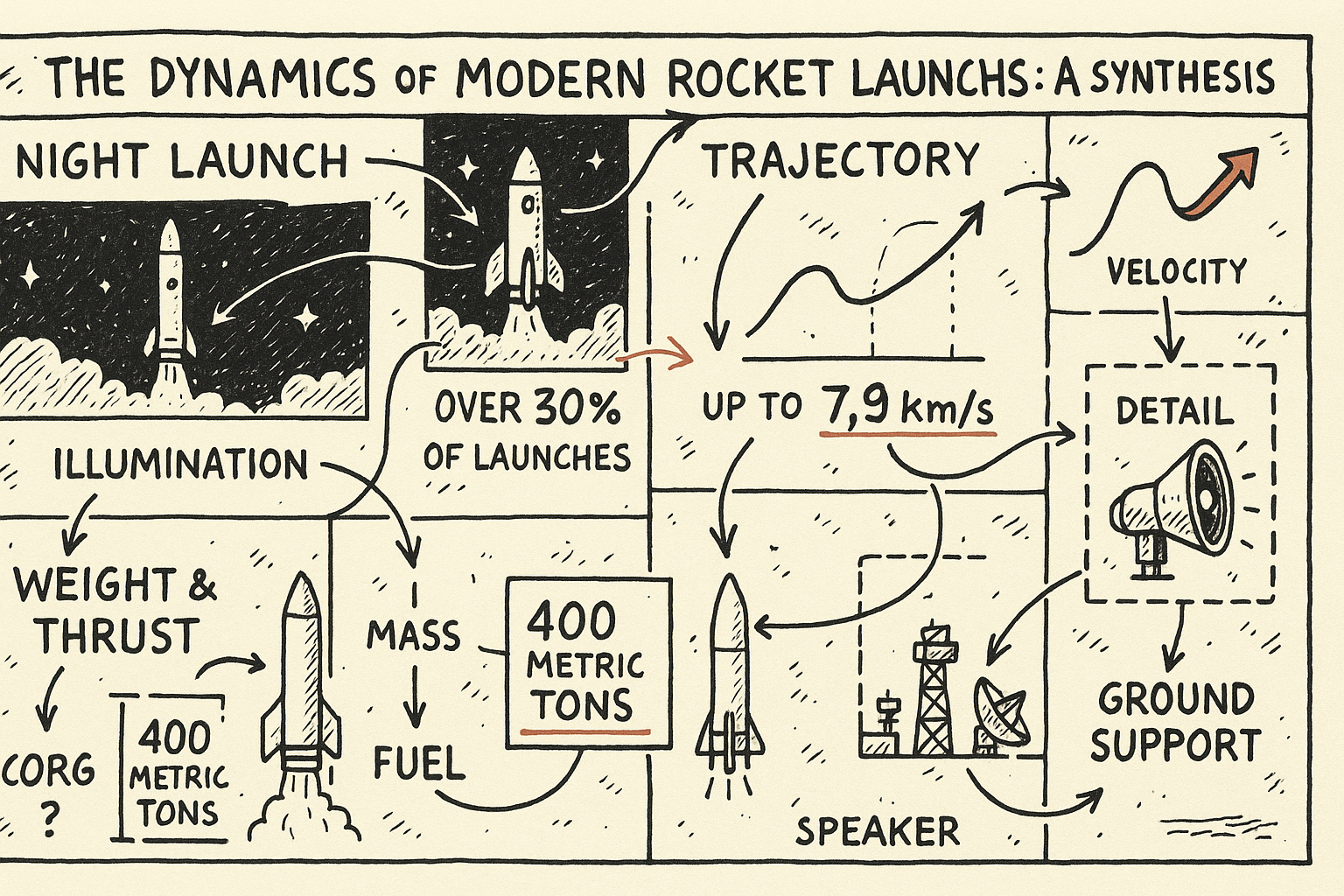
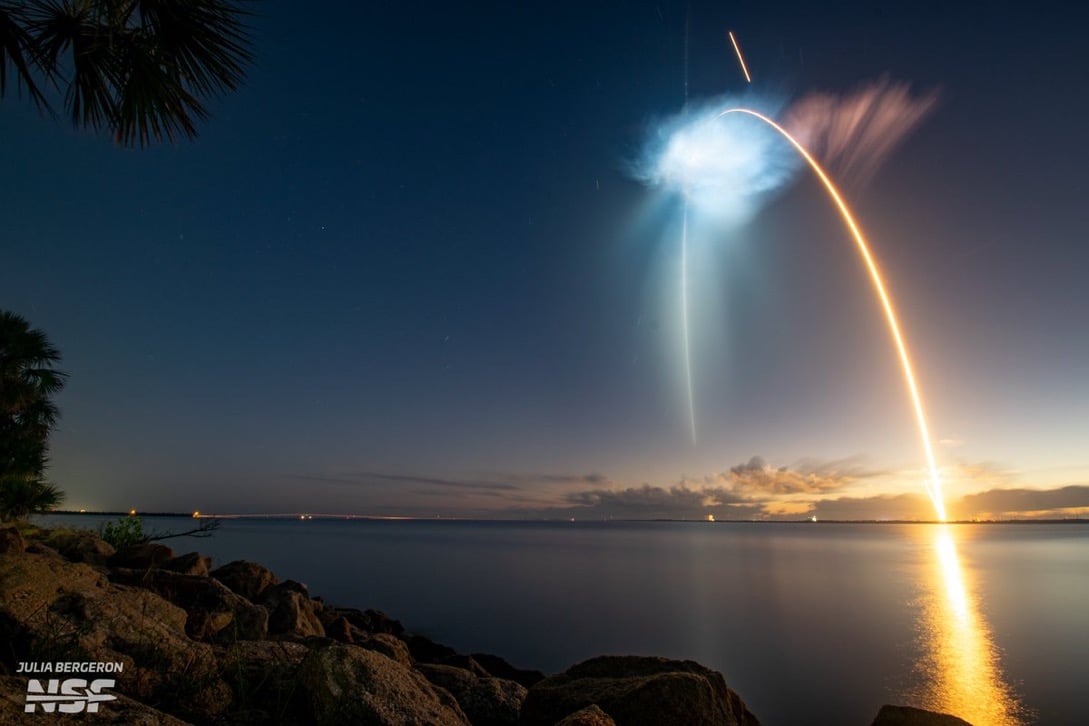
This week’s ten planned launches illustrate two opposing trends. On one hand, the increasing frequency and diversity of orbital access — smallsat firms like Rocket Lab hitting milestone numbers alongside heavy lifters — democratizes space. On the other, the proximity of multiple launches for defense payloads, including back‑to‑back classified Space Force missions by SpaceX, tightens the interface between commercial launch schedules and national security timelines. Commercial providers now juggle customer confidentiality, regulatory approvals, and airspace constraints without the buffering layer of national launch monopolies. That raises questions about prioritization during peak windows and the resilience of launch infrastructure should a major anomaly ground a primary provider.
Progress and Dragon: legacy systems still matter
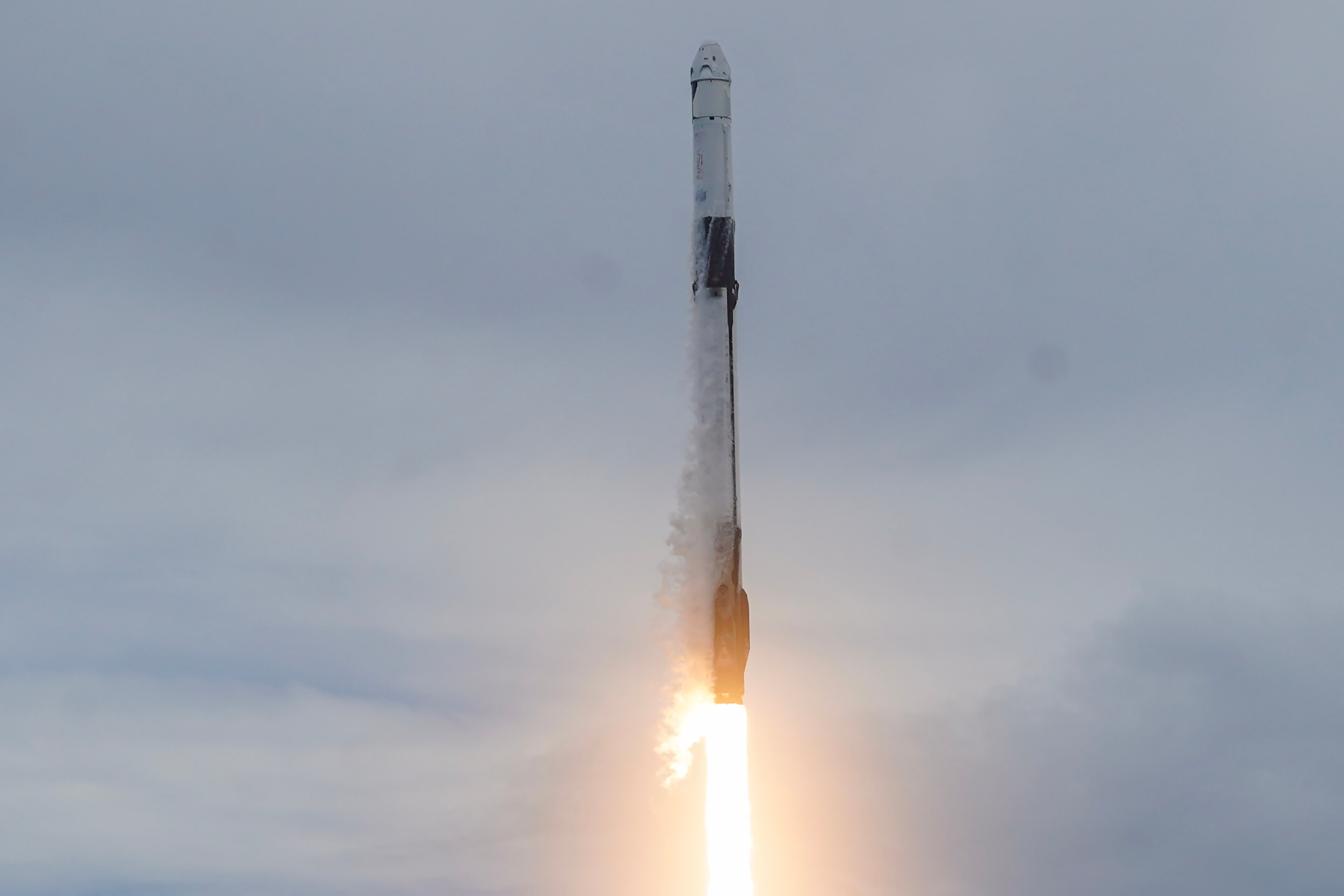
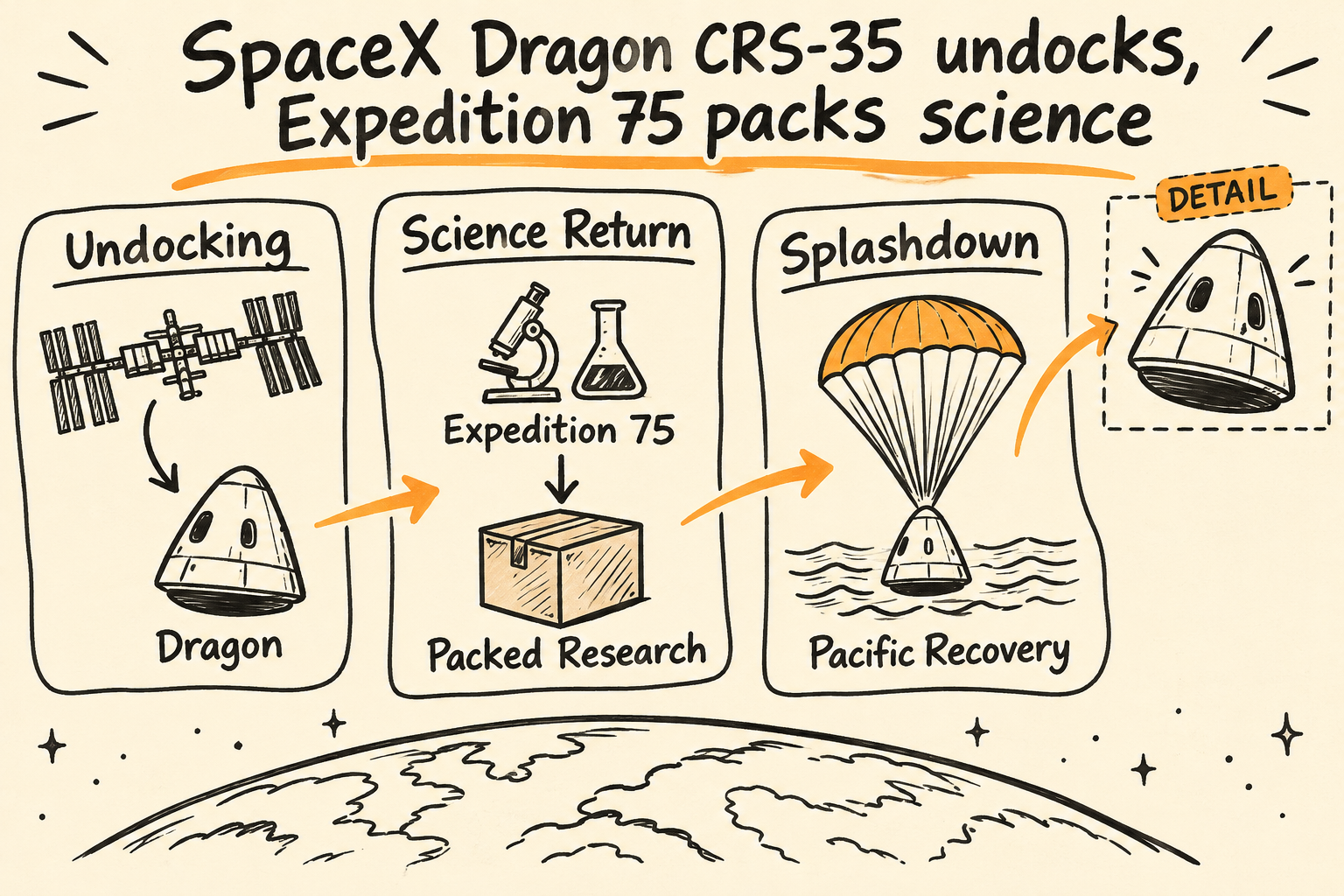
Russia’s Progress MS‑36 launch and SpaceX’s Dragon undocking and return underscore a pragmatic redundancy. The Progress fleet remains a workhorse for station logistics, benefiting from straightforward design, low cost and decades of operational experience. Dragon’s return capability, by contrast, demonstrates how commercial vehicles have extended services — rapid return of experiments, downmass and agile cargo processing — that legacy systems never prioritized. The interplay between these two approaches creates a complementary logistics architecture where reliability and capability overlap but do not completely substitute.
Strategic implications and future trajectories
Short-term, expect more patchwork solutions: commercial rockets filling for delayed national vehicles, and providers offering bespoke missions for defense customers. Medium-term, the market will reward launchers that pair cadence with transparency and international reach. Geopolitically, Tiangong’s outreach could fragment long-standing space coalitions, particularly if non‑Western states accept training and flight opportunities unavailable under ISS rules. Operationally, the risk is that higher tempo yields more single‑point failures: a major mishap affecting a dominant commercial provider would ripple through science, commerce and defense manifests globally.
Conclusion
What appears as routine scheduling is in fact an inflection point: the maturation of commercial launch capability, the strategic deployment of national stations as diplomatic tools, and an operational landscape where redundancy is both a safety net and a source of competition. The delivery and return cycles of the next months will test whether this mixed ecosystem can maintain both the safety and the pace demanded by science, commerce and security.
NovΔ mAInd will continue tracking how launch operators balance cadence, cost and cross‑border politics as the orbital economy grows.