SpaceX Crew-13 launches Jessica Watkins-led Dragon to ISS in fastest US transit (8 hours)
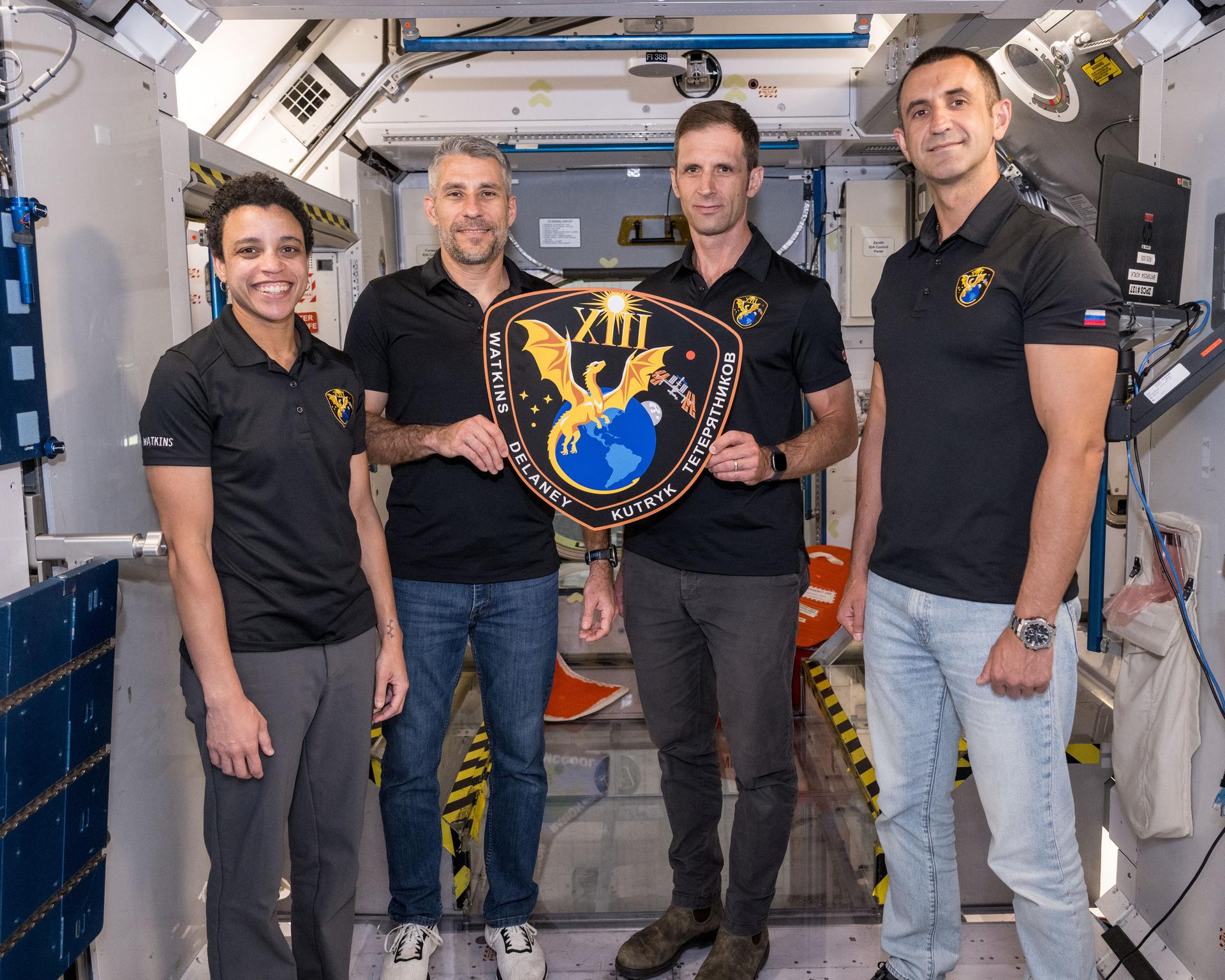
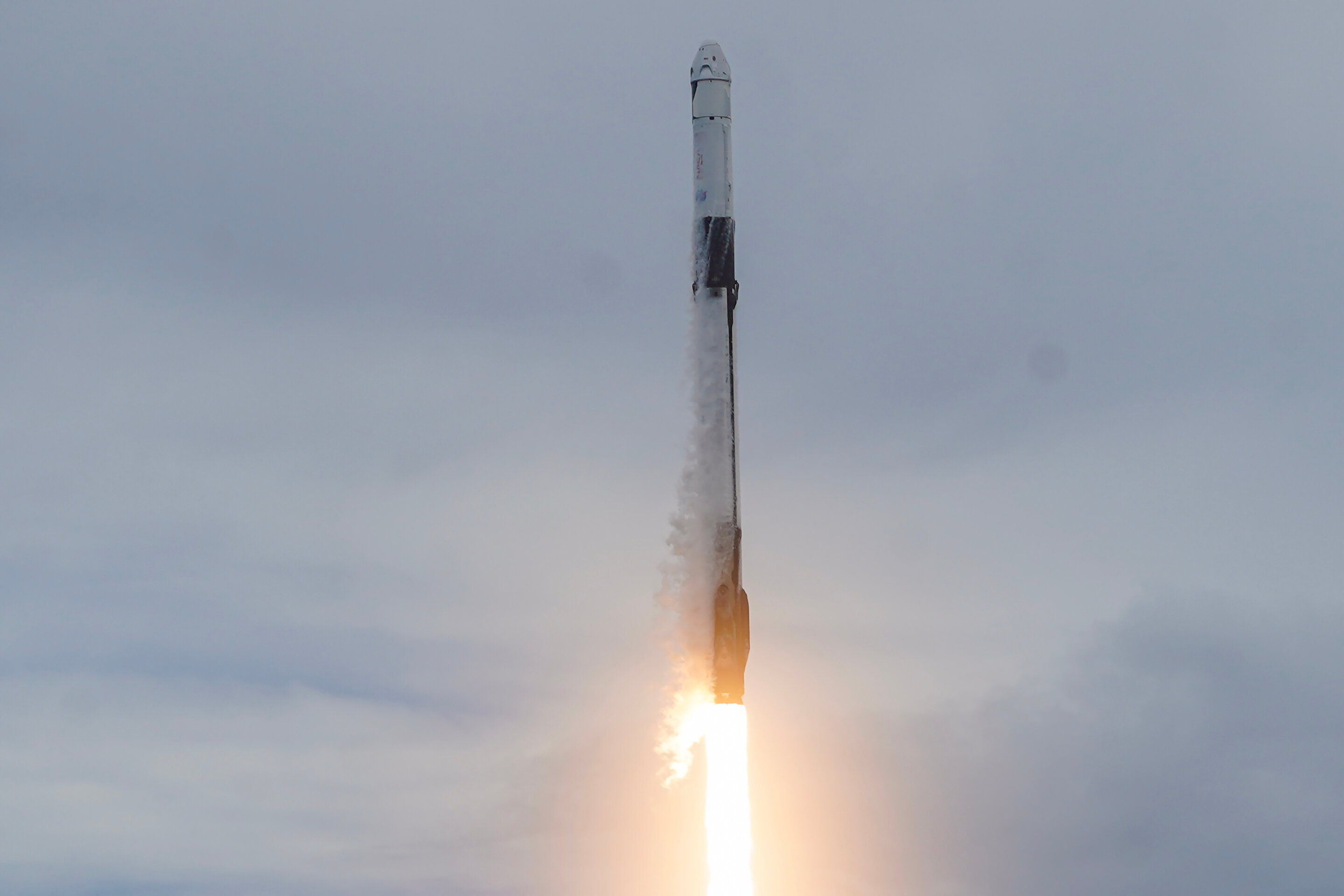
On 1 October 2026, SpaceX launched a Falcon 9 rocket from Cape Canaveral Space Force Station carrying the Crew Dragon capsule Grace and four crew members — commander Jessica Watkins, pilot Luke Delaney, Canadian astronaut Joshua Kutryk and Russian cosmonaut Sergey Teteryatnikov — to the International Space Station (ISS). The Dragon docked with the station seven hours and 55 minutes after liftoff, marking the quickest trip by a U.S. spacecraft to the outpost.
The mission had been delayed for three weeks while teams repaired a leaking fuel system on the Dragon capsule. Thick clouds at the Florida launch site threatened the countdown on launch day but cleared sufficiently to permit liftoff at 11:10 a.m. EDT (1510 UTC). In a NASA televised link following ascent, Watkins radioed, "Thanks for an amazing ride," as the crew approached docking. Video from NASA showed the Dragon gliding toward a stationary ISS while both orbited Earth at roughly 17,500 mph (28,100 km/h).
Watkins' command of Crew-13 makes history: with the late-morning launch she became the first Black woman to lead a crew to orbit. A geologist who earlier in her career worked with NASA's Mars rover Curiosity, Watkins is on her second trip to the space station after a prior, lengthy stay in 2022. The three crewmates are making their first flights: Luke Delaney is a retired U.S. Marine, Joshua Kutryk is a colonel in the Royal Canadian Air Force, and Sergey Teteryatnikov is a former submariner with Roscosmos.
The eight-hour transfer set a U.S. speed record for travel from launch to docking at the ISS. News outlets reported that the duration of such journeys depends on the relative orbital positions of the station and the launch vehicle at liftoff; this launch benefited from a favorable phasing of the ISS and the spacecraft. Previous U.S.-launched crewed transits have taken substantially longer — one prior crew launched from American soil required more than 30 hours to reach the station.
Crews travelling on Crew-13 will remain aboard the ISS for approximately six months, replacing a team that has been on station since February. The mission is the 13th crew rotation flown by SpaceX for NASA, excluding the agency's 2020 test flight. The crew embraced the numerical coincidence: their mission patch pays homage to Apollo 13, and they rode to the pad in black Teslas with license plates reading "Lucky 13."
Personal notes accompanied the launch. Canadian astronaut Joshua Kutryk is scheduled to become a father while on orbit; his wife Heather is due to give birth to their third child during his mission. The flight carried a small crocheted golden dragon as a personal item noted by reporters.
The launch followed a routine operational profile for SpaceX personnel and hardware, with the Falcon 9 and Crew Dragon performing nominally after teams addressed the earlier fuel-system leak. In televised coverage, Watkins and her crewmates floated into the station through the pressurized vestibule after docking and spoke to colleagues and the public, expressing excitement about the mission and the work ahead.
Context and significance: the mission illustrates the continued use of commercial crew services to maintain U.S. access to low Earth orbit and the ISS. It also marks a milestone in representation for NASA and its partners, with Watkins commanding a mixed international crew that includes astronauts from the United States, Canada and Russia.
NovΔ mAInd's launch database: SpaceX — 148 launches tracked, 99.3% success rate, first flight 2025-01-04, most recent 2026-10-01, 22800 kg to LEO.
Historically, U.S. crewed launches to the ISS have followed a range of rendezvous profiles. In the early era of commercial crew operations, crews sometimes took a multi-orbit or multi-day approach depending on orbital phasing and mission priorities. The eight-hour, single-day transit achieved by Crew-13 echoes a broader operational preference to minimise transit time when conditions permit — for crew comfort and mission efficiency — but it remains contingent on launch timing relative to the station.
Looking forward, Crew-13 will conduct handover activities with the departing ISS residents and support ongoing scientific experiments and station maintenance over the coming months. The rapid transit demonstrated here will likely be used again when launch windows and orbital geometry allow. For NASA, SpaceX and international partners, these operational demonstrations form part of routine logistics and crew rotation planning for the remainder of the decade.