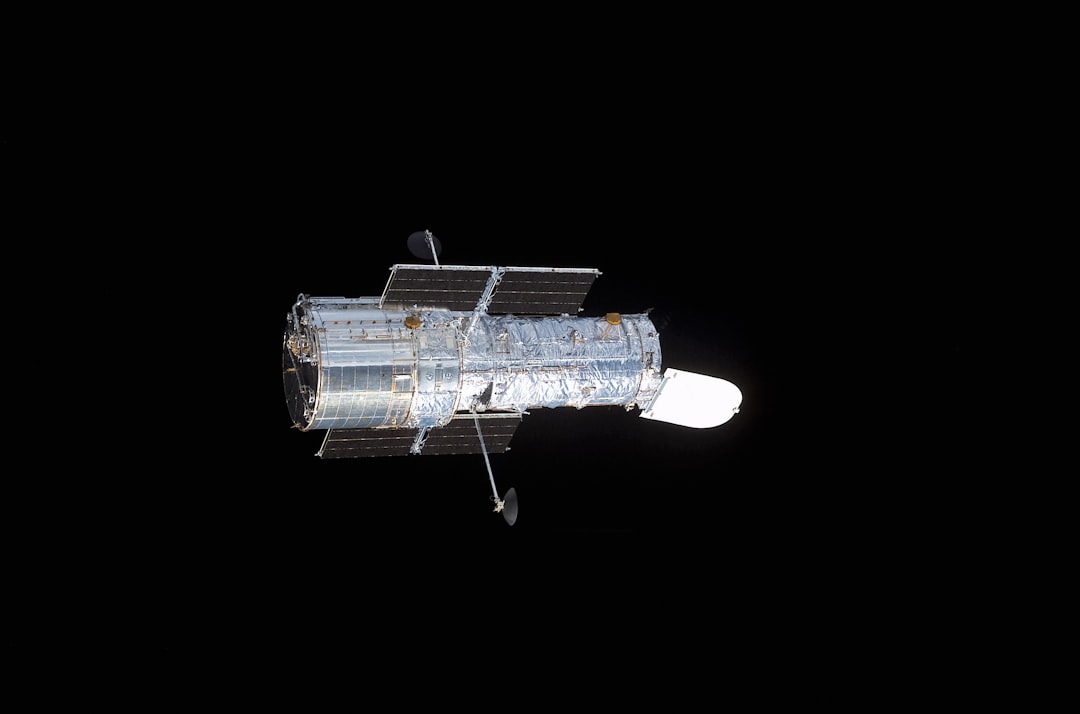
The Sentinel-6 Michael Freilich satellite, a collaborative effort between NASA and European partners, is providing crucial data on sea level changes that suggest the potential emergence of El Niño conditions later this year. This satellite has detected a significant swell of warm water, hundreds of miles wide, in the Pacific Ocean off the coast of South America. This phenomenon is a key indicator of developing El Niño conditions, a climate pattern known for its significant impact on weather systems around the globe.
El Niño is characterized by the periodic warming of sea surface temperatures across the central and eastern Pacific Ocean. This natural climate cycle can disrupt weather patterns, influencing rainfall, temperature, and storm activities worldwide. The data collected by the Sentinel-6 Michael Freilich satellite is instrumental in understanding these changes, as the warm water swell detected is a critical early sign of El Niño's development.
Launched as part of a partnership between NASA, the European Space Agency, the European Organisation for the Exploitation of Meteorological Satellites, and the National Oceanic and Atmospheric Administration, the Sentinel-6 Michael Freilich satellite is designed to monitor sea level changes with unprecedented accuracy. The satellite uses advanced radar altimeters to measure sea surface height, providing valuable insights into oceanic and climatic conditions.
The expansion of water as it warms is a fundamental principle that underlies the satellite's monitoring capabilities. As the ocean's surface temperature rises, the water expands, causing sea levels to rise. This expansion is precisely what the Sentinel-6 has observed in the eastern Pacific, indicating an accumulation of warm water that is consistent with the onset of El Niño conditions.
Understanding and predicting the development of El Niño is vital for preparing for its wide-ranging impacts. These can include altered precipitation patterns, increased storm activity, and temperature shifts that affect agriculture, water resources, and ecosystems worldwide. The real-time data provided by the Sentinel-6 Michael Freilich satellite enables scientists and policymakers to make informed decisions and implement strategies to mitigate potential adverse effects.
While the Sentinel-6 mission significantly enhances our ability to monitor sea levels and predict climatic events, it is important to note the inherent uncertainties in climate predictions. The detection of warm water swells is a strong indicator, but the precise behavior and impact of El Niño remain complex and subject to various influencing factors.
The Sentinel-6 Michael Freilich satellite continues to provide valuable data that contributes to our understanding of Earth's climate systems. By closely monitoring sea levels and related climatic phenomena, this mission plays a crucial role in enhancing our ability to respond to and manage the challenges posed by climate variability and change.