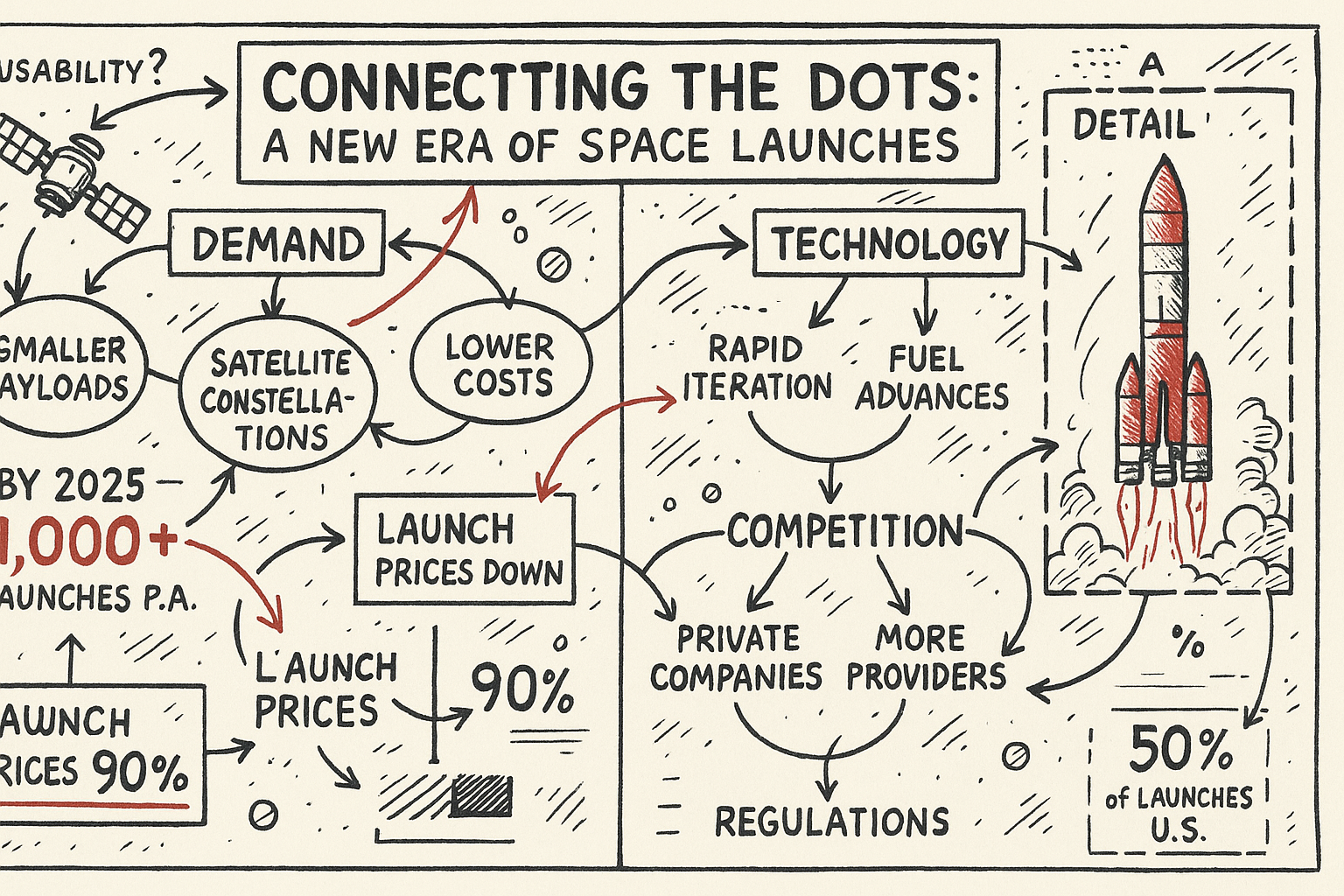
The landscape of space exploration is rapidly evolving, as seen through a variety of recent launches that highlight both commercial and scientific endeavors. From SpaceX's relentless deployment of Starlink satellites to NASA's pioneering Roman Space Telescope, the current trajectory of space activities suggests a profound shift in both the pace and scope of our cosmic ambitions.
Commercial Endeavors Expand
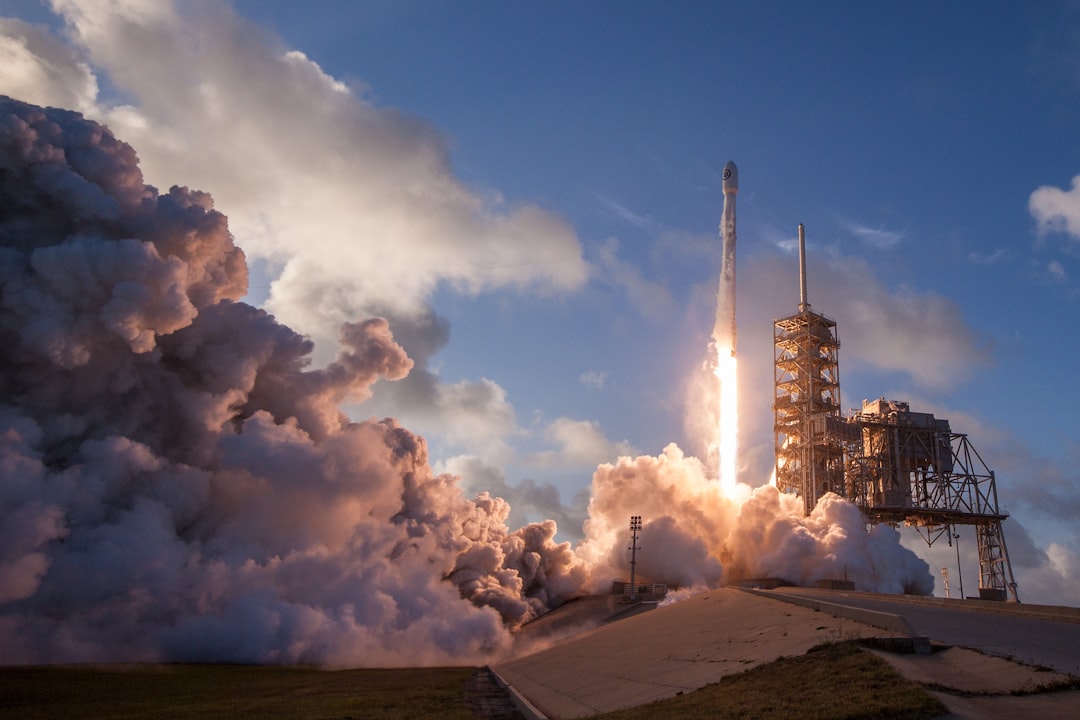
SpaceX continues to lead with its Starlink satellite launches, as seen in the recent Starlink 17-48 mission, which added 24 satellites to the low Earth orbit (LEO) constellation. This relentless expansion aims to provide global broadband internet, showcasing how commercial interests are increasingly intertwined with traditional space objectives.
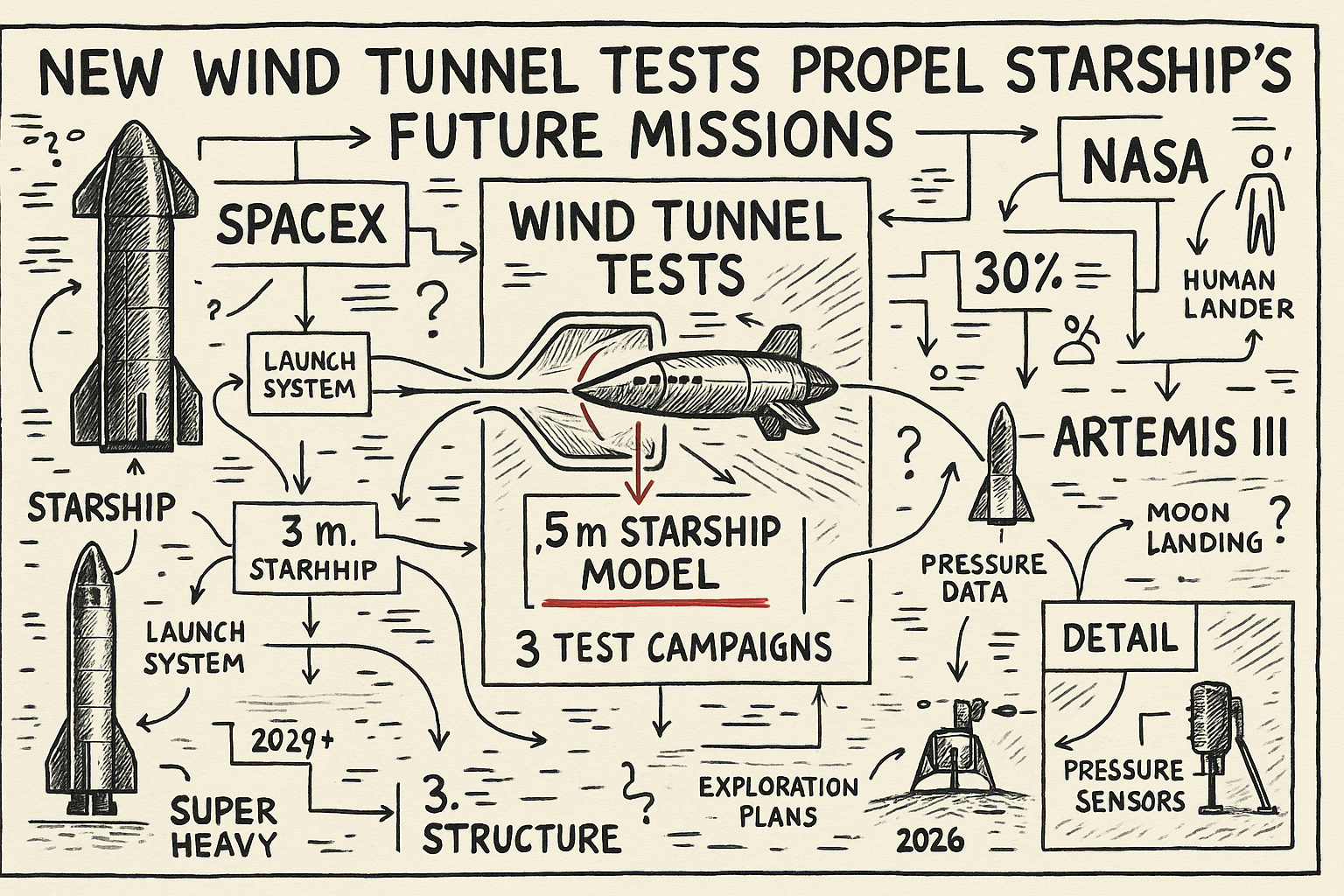
Similarly, a Japanese company's booking of 1,100 pounds of cargo space on a future SpaceX Starship mission to the moon underscores the growing commercial interest in lunar exploration. This collaboration with SpaceX not only highlights the democratization of space travel but also foretells a future where the moon becomes a hub for both scientific research and commercial activities.
Earth Observation Takes Center Stage
On the observational front, MDA Space's $688-million contract to build and launch a RADARSAT replenishment satellite marks a significant investment in Earth observation capabilities. This satellite, part of the RADARSAT Constellation Mission, will enhance our ability to monitor Earth's environment, providing critical data for everything from climate change to disaster response.
Moreover, MDA's acquisition of a majority stake in Collecte Localisation Satellites (CLS) further strengthens its Earth observation data pipeline. Such strategic moves illustrate a broader trend toward integrating advanced Earth monitoring systems, which are essential for informed decision-making in a world increasingly affected by environmental changes.
Scientific Missions Forge Ahead
NASA's Roman Space Telescope, set to launch soon, represents a significant leap forward in our understanding of the universe. This mission aims to explore fundamental questions about dark energy and exoplanets, promising insights that could reshape our understanding of the cosmos.
Meanwhile, the recent achievements of NASA's IXPE, which mapped magnetic fields of a pulsar, emphasize the role of specialized instruments in unraveling the mysteries of extreme cosmic phenomena. Such missions underscore NASA's commitment to scientific discovery, even as the agency balances its ambitions with international collaborations and commercial partnerships.
Implications and Future Directions
These activities mark a poignant moment in space exploration. As commercial and scientific objectives converge, the space industry faces new challenges and opportunities. The potential for breakthroughs in communication, Earth observation, and our understanding of fundamental physics is immense. However, this rapid pace of development also necessitates robust regulatory frameworks to ensure sustainable and equitable access to space.
Looking ahead, the continued progress of projects like Vast Space's Haven-1 station, scheduled for a 2027 launch, suggests that space habitats may soon become a reality. Such developments could pave the way for long-duration missions and even permanent human settlements beyond Earth.
Overall, the recent flurry of launches and preparations reflects a transformative period in space exploration. As commercial entities and governmental bodies navigate this new frontier, the potential for innovation and discovery seems boundless.