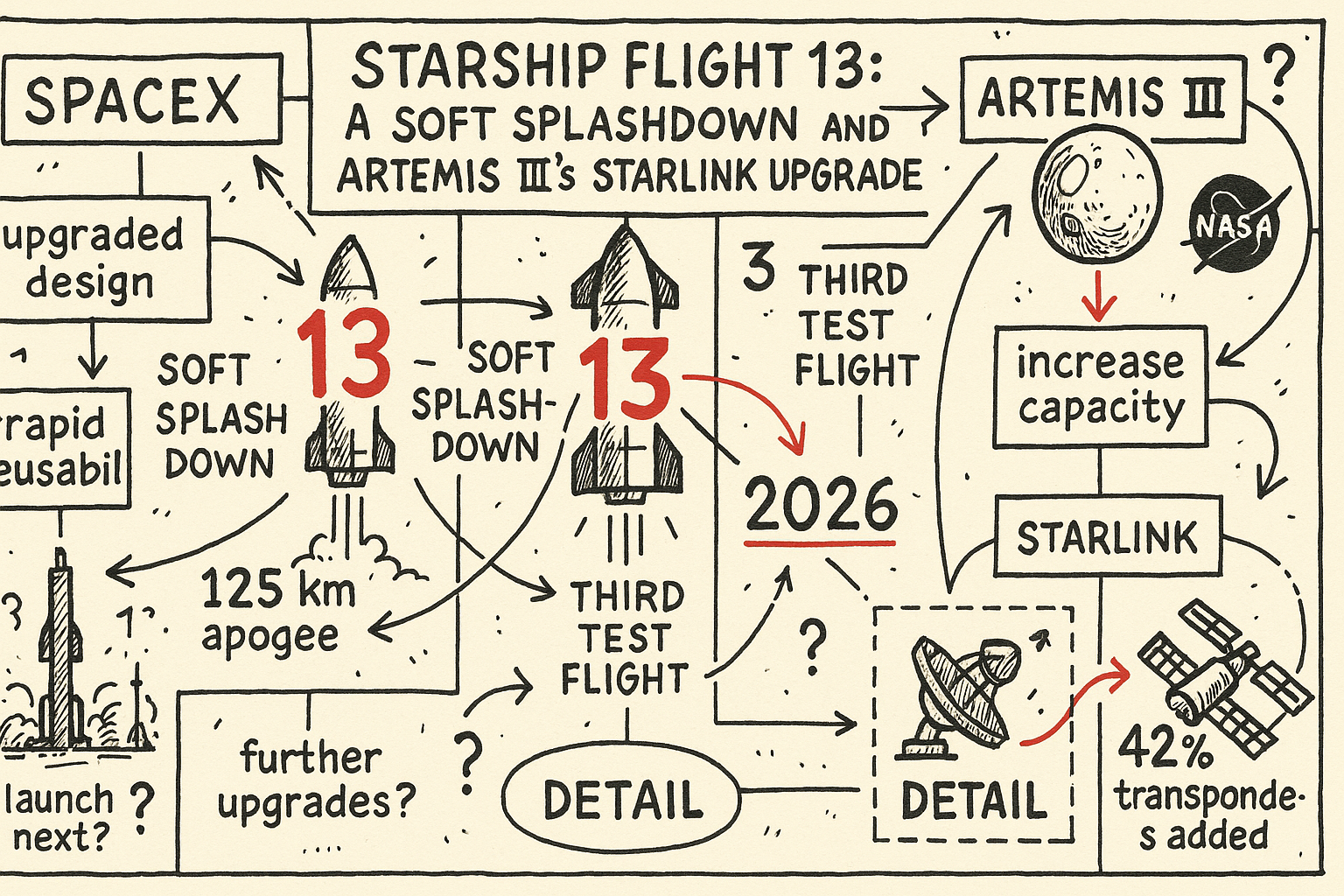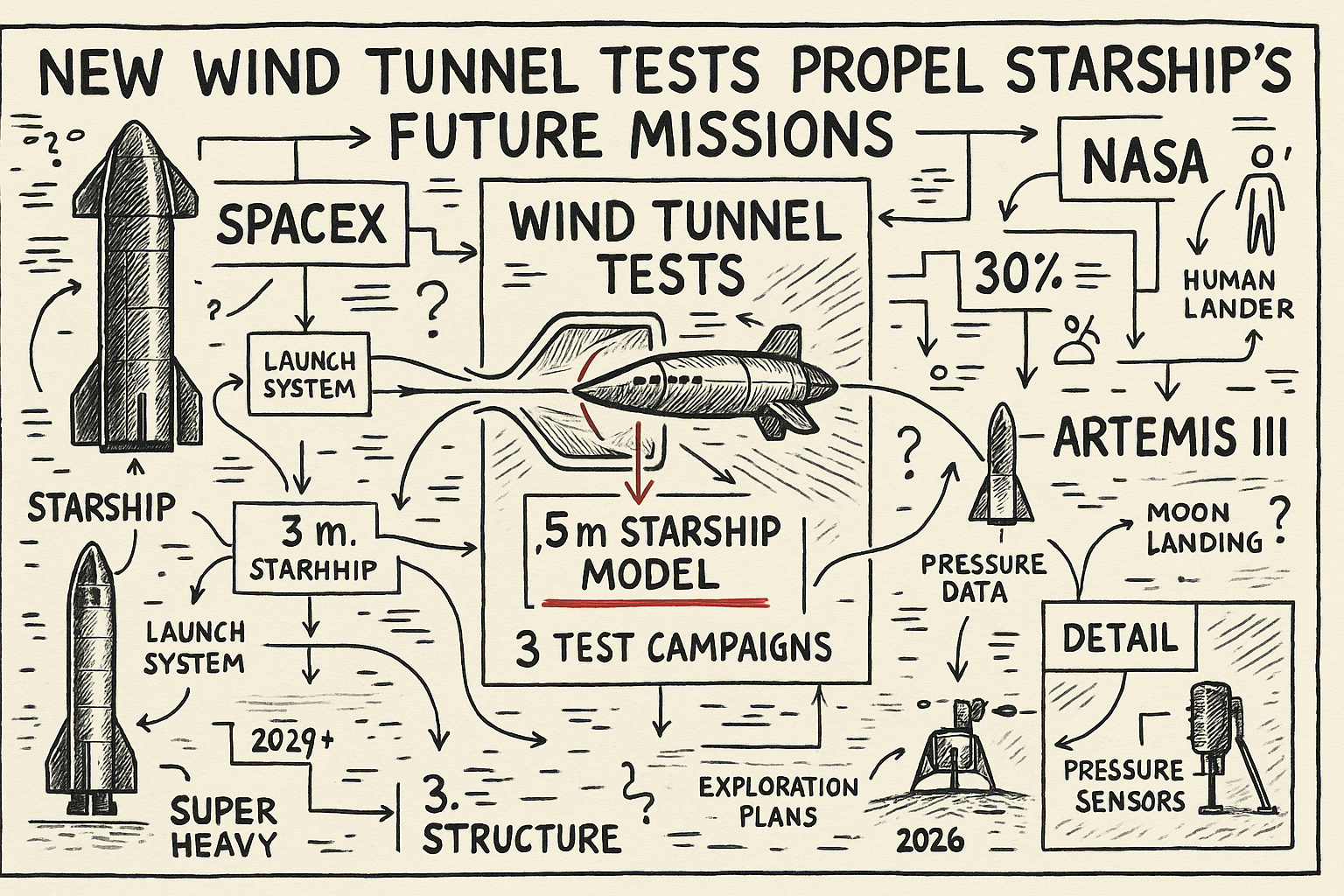
In a significant development for SpaceX's Starship program, NASA has completed a series of wind tunnel tests on the Super Heavy Version 3 rocket booster. These tests, conducted at NASA’s Ames Research Center, aim to better understand the extreme aerodynamic forces the booster might face during re-entry. This collaboration between NASA and SpaceX is part of preparations for the upcoming Artemis III mission.
The wind tunnel tests are crucial for improving the design and safety of the Super Heavy booster, which plays a pivotal role in the Starship's launch and re-entry phases. By simulating the harsh conditions of re-entry, engineers can refine the booster’s structure and enhance its resilience against aerodynamic stresses.
This development holds promising implications for future Starship missions, particularly in improving the vehicle's catch potential and overall mission success rate. As SpaceX continues to push the boundaries of reusable space technology, such collaborative efforts will likely accelerate the realization of long-term goals, including lunar and Martian missions.
The insights gained from these tests not only enhance the Starship's design but also bolster the partnership between NASA and SpaceX, setting a precedent for future joint ventures in space exploration. As the space industry gears up for the next phase of human spaceflight, these advancements signify a step closer to sustainable and efficient space travel.