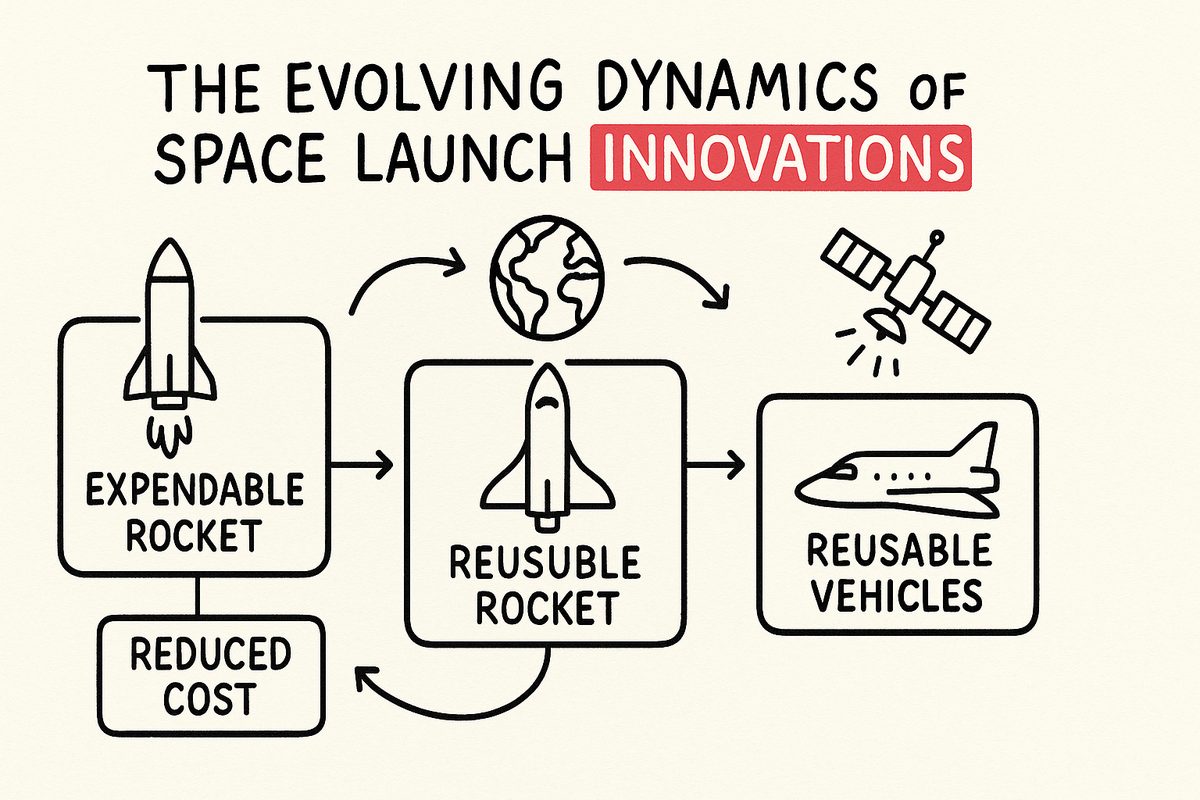
The landscape of space launches is undergoing a significant transformation, driven by technological advancements, strategic alliances, and evolving defense strategies. This deep dive explores the interconnected threads of recent developments, focusing on their implications for the future of aerospace and space exploration.
The Italian Initiative: Bridging Maritime and Space
The collaboration between the Agenzia Spaziale Italiana (ASI) and the Istituto Italiano di Tecnologia on the 'Ice Blue' project aboard the historic Amerigo Vespucci reflects a novel approach to space research. By studying biological and physiological responses in complex operational conditions, this initiative underscores the potential of interdisciplinary studies in enhancing our understanding of human adaptability in space.
This project illustrates a broader trend of leveraging traditional platforms for cutting-edge research, a concept that could redefine how we approach space exploration and technology development.
Ontario's Strategic Leap
Ontario's unveiling of its first-ever Defence Industrial Strategy at the CANSEC exposition marks a pivotal moment for aerospace and dual-use technologies. This 10-year framework emphasizes scaling military manufacturing with a focus on aerospace, highlighting the growing intersection between defense and space industries.
The strategic emphasis on dual-use technologies not only reinforces the importance of aerospace in national security but also positions Ontario as a potential leader in space defense innovations. This alignment with modern space defense needs could accelerate advancements in launch technologies and infrastructure.
NASA and the Private Sector: A Symbiotic Relationship
The Kennedy Space Center, a crucial hub for NASA's operations, exemplifies the increasing collaboration between public agencies and private partners. With over 90 private-sector partnerships, NASA's multiuser spaceport is at the forefront of fostering innovation through collaborative efforts.
Such partnerships are essential for sustaining momentum in space launches, as private entities bring agility, innovation, and investment that complement NASA's expertise and infrastructure. This model could serve as a blueprint for other countries aiming to boost their space launch capabilities.
Canada's Call to Action
At the Space Canada Horizons conference, industry leaders urged the Canadian government to shift from being a traditional client to a strategic partner. This call for faster action and strategic partnerships highlights the need to overcome structural bottlenecks and a risk-averse culture.
As the global space industry expands, Canada's potential to influence space launch dynamics depends on embracing a more proactive and collaborative role. This strategic shift could drive technological innovations and enhance competitive positioning in the global arena.
Future Implications and Surprising Insights
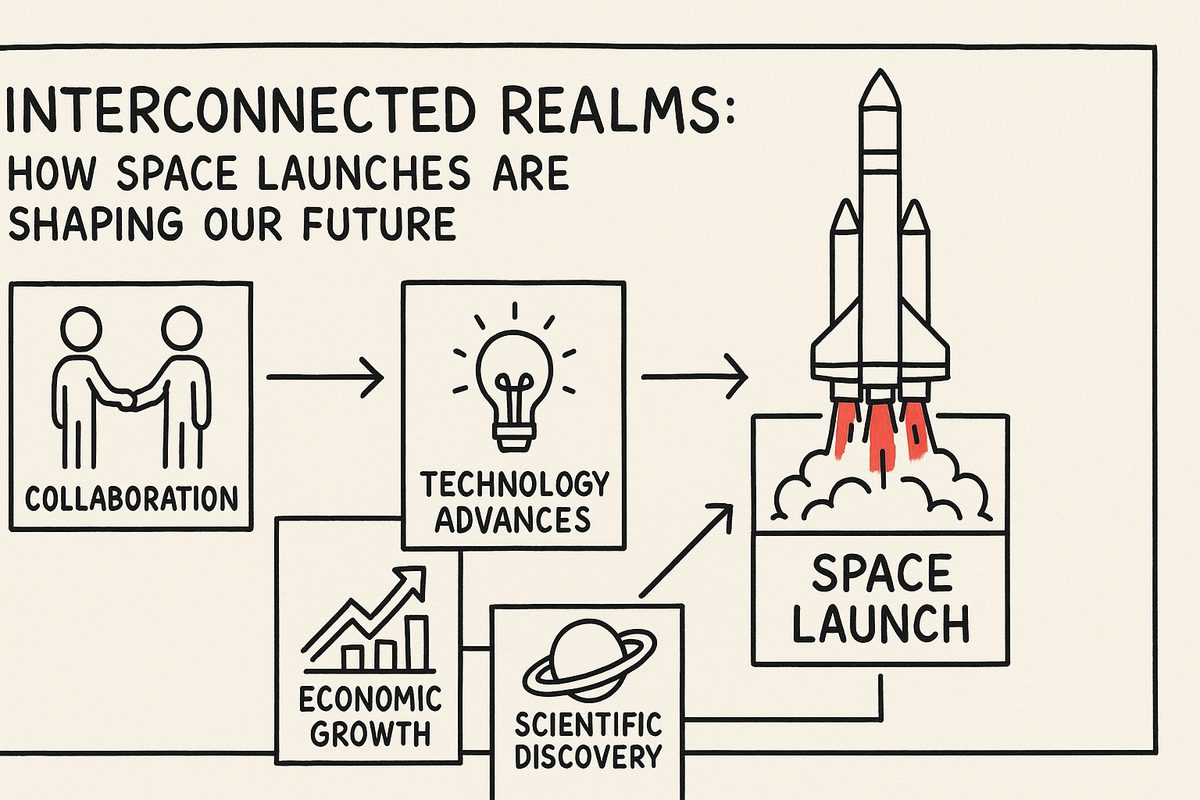
The interconnectedness of these developments points to a future where global collaboration, strategic partnerships, and interdisciplinary research become pillars of the space launch sector. A surprising insight from this analysis is the growing role of traditional sectors, like maritime, in contributing to space research and technology development. This cross-industry synergy could unlock new avenues for innovation that were previously unexplored.
The evolving dynamics in space launches signal a transformative era, where the integration of diverse disciplines and strategic alliances will reshape the trajectory of space exploration and technology.