The landscape of space launches is undergoing significant transformation, driven by a confluence of technological advancements, strategic imperatives, and infrastructural challenges. Recent developments underscore the necessity for a more resilient and diversified approach to launching missions.
The Current State of Space Launches
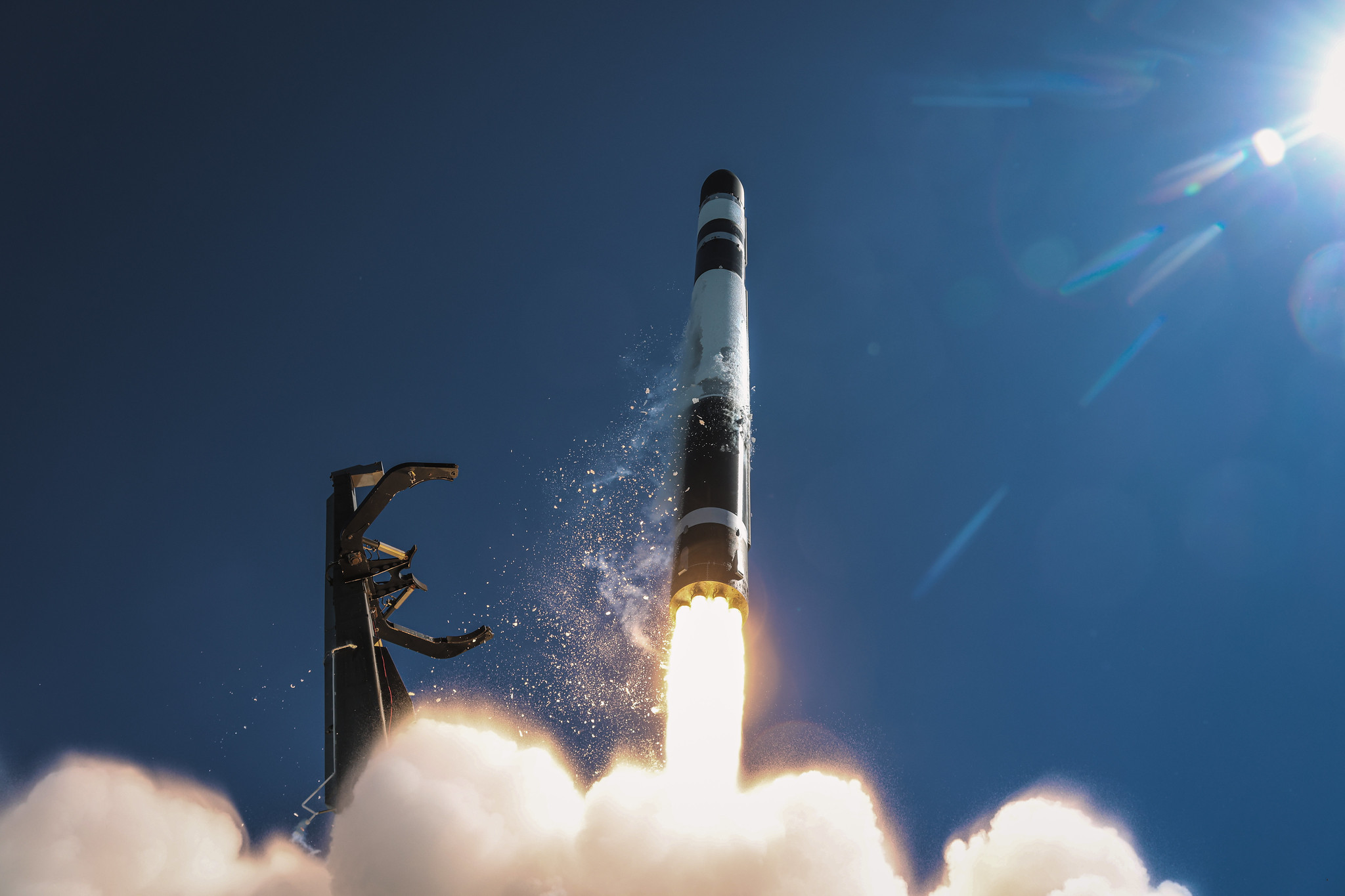
This week, several pivotal launches are set to occur, including a mission to rescue the Swift observatory and the final Atlas satellite launch. This marks an era where the urgency of maintaining and upgrading existing space observatories is as critical as deploying new technologies (Source 1, 8).
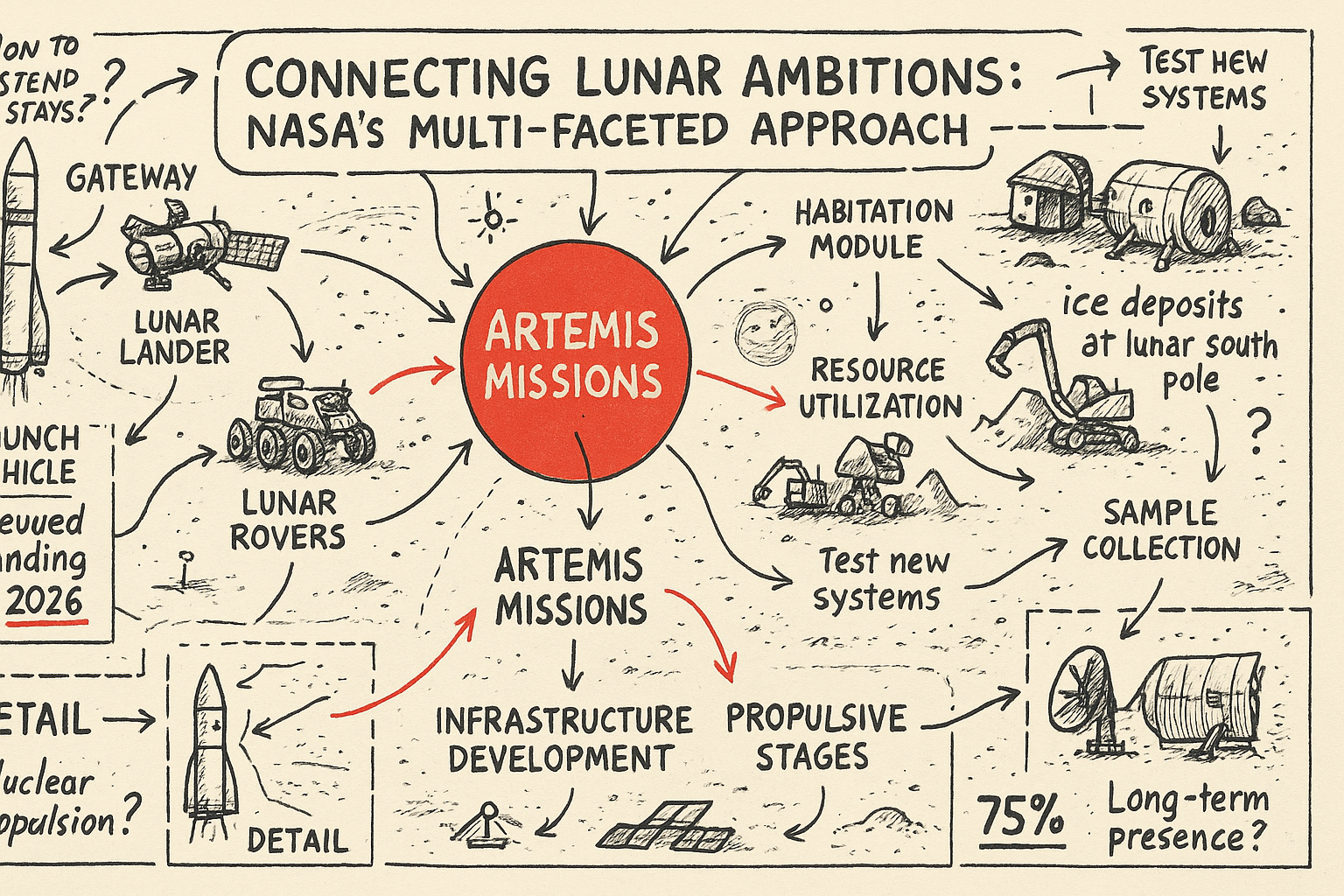
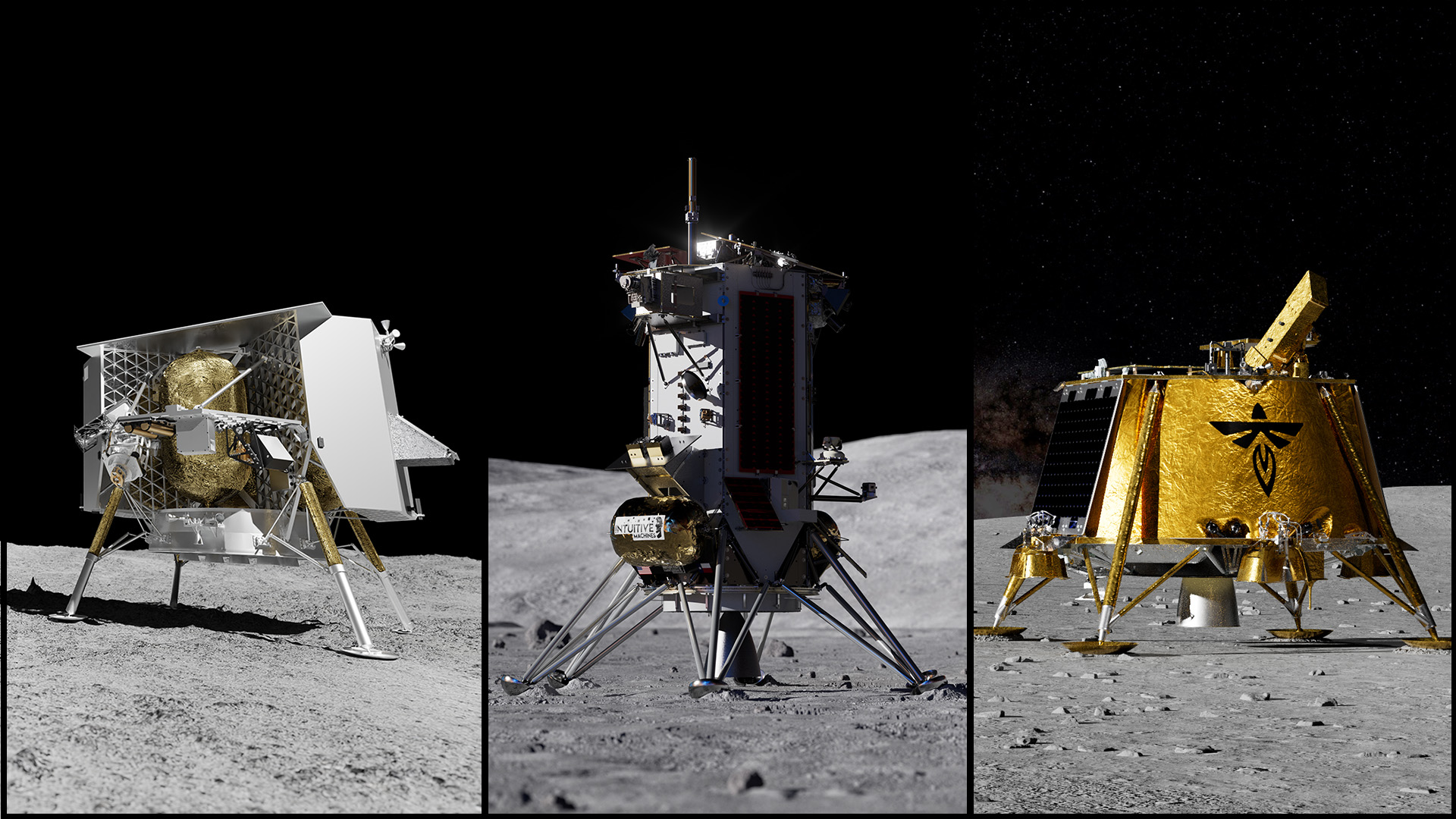
Meanwhile, NASA is making strides toward the Artemis program, preparing next-generation lunar terrain vehicles for deployment ahead of the Artemis 4 crew's arrival (Source 3). Such efforts are part of a broader strategy to establish a sustainable human presence on the Moon, a vision further elaborated by NASA Administrator Jared Isaacman in recent discussions about the Moon Base missions (Source 6).
Infrastructural Challenges and Opportunities
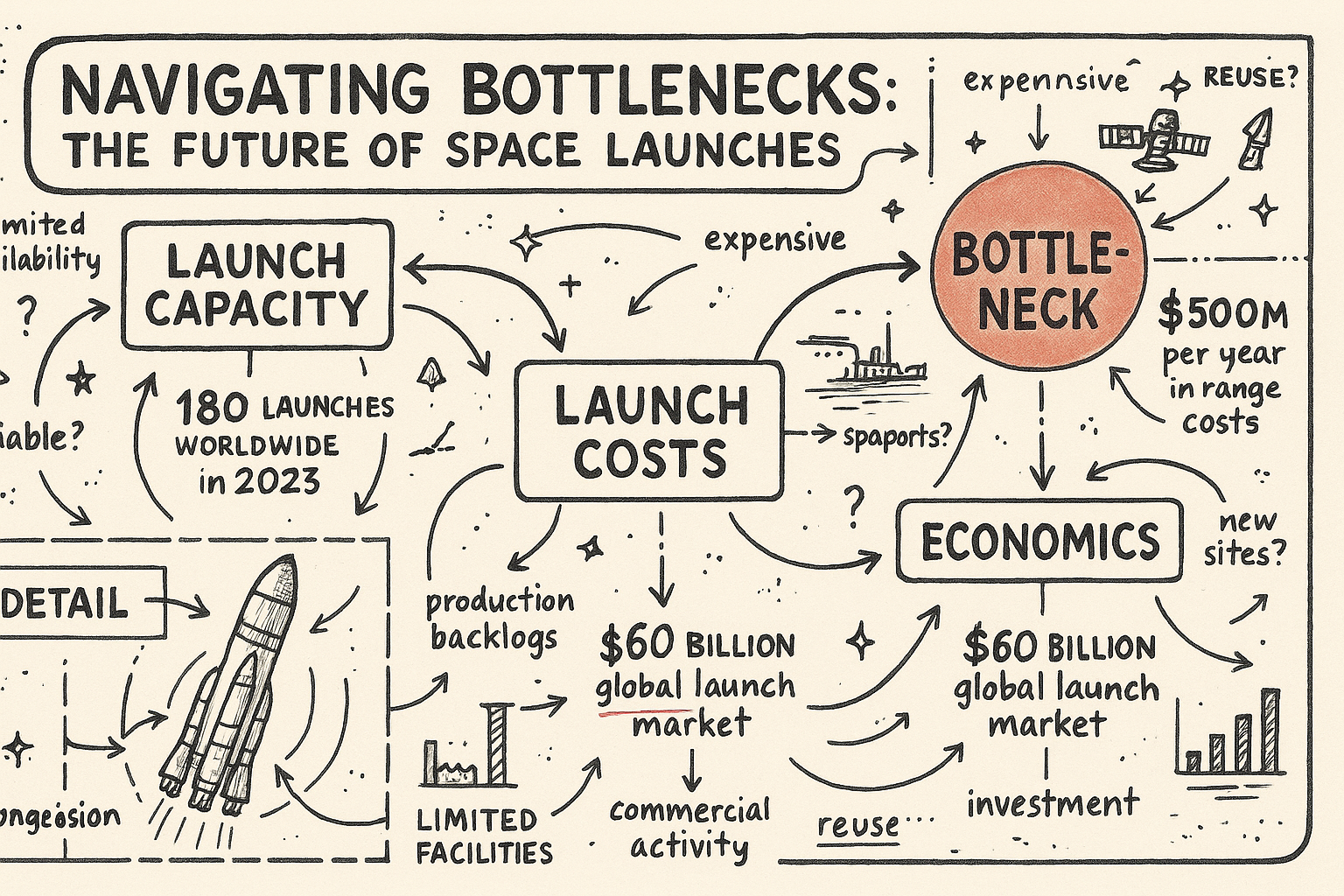
However, these ambitious plans are being met with infrastructural challenges. A recent audit by NASA’s Office of Inspector General highlights severe capacity constraints at primary U.S. launch sites, including Kennedy Space Center and Wallops Flight Facility (Source 7). These bottlenecks pose a risk to timely mission deployments and highlight the strategic value of developing additional launch capabilities.
This situation presents a unique opportunity for international collaboration, particularly with countries like Canada, which is considering developing its own spaceport infrastructure. Diversifying launch capabilities geographically could alleviate pressure on existing facilities and enhance global space exploration capabilities.
Technological Innovations and Their Implications
The need for innovation is not just infrastructural but also technological. NASA's recent initiatives in bioengineering and space manufacturing aboard the International Space Station indicate a shift towards leveraging advanced technologies for both Earth and space applications (Source 4, 5). These efforts are essential for future long-duration missions, potentially reducing the need for resupply missions and fostering a self-sustaining space environment.
Moreover, as NASA and its partners prepare for the Swift Boost Mission aimed at elevating the Swift observatory’s orbit, it becomes clear that maintaining the longevity of existing assets is as crucial as deploying new ones (Source 8). This dual focus ensures that NASA can maximize the scientific return on its investments in space infrastructure.
Surprising Insights and Future Directions
One surprising insight is the potential for domestic and international collaboration to effectively address these challenges. While traditionally space exploration has been the domain of a few leading nations, the growing interest and capability of countries like Canada could reshape the global space launch landscape.
Looking ahead, the integration of advanced technologies and the expansion of launch infrastructures are pivotal. As NASA and other space agencies continue to push the boundaries of exploration, the ability to launch efficiently and reliably will be more crucial than ever. This shift will not only enable more frequent missions but could also democratize space access, allowing new players to enter the arena and contribute to humanity’s understanding of the cosmos.