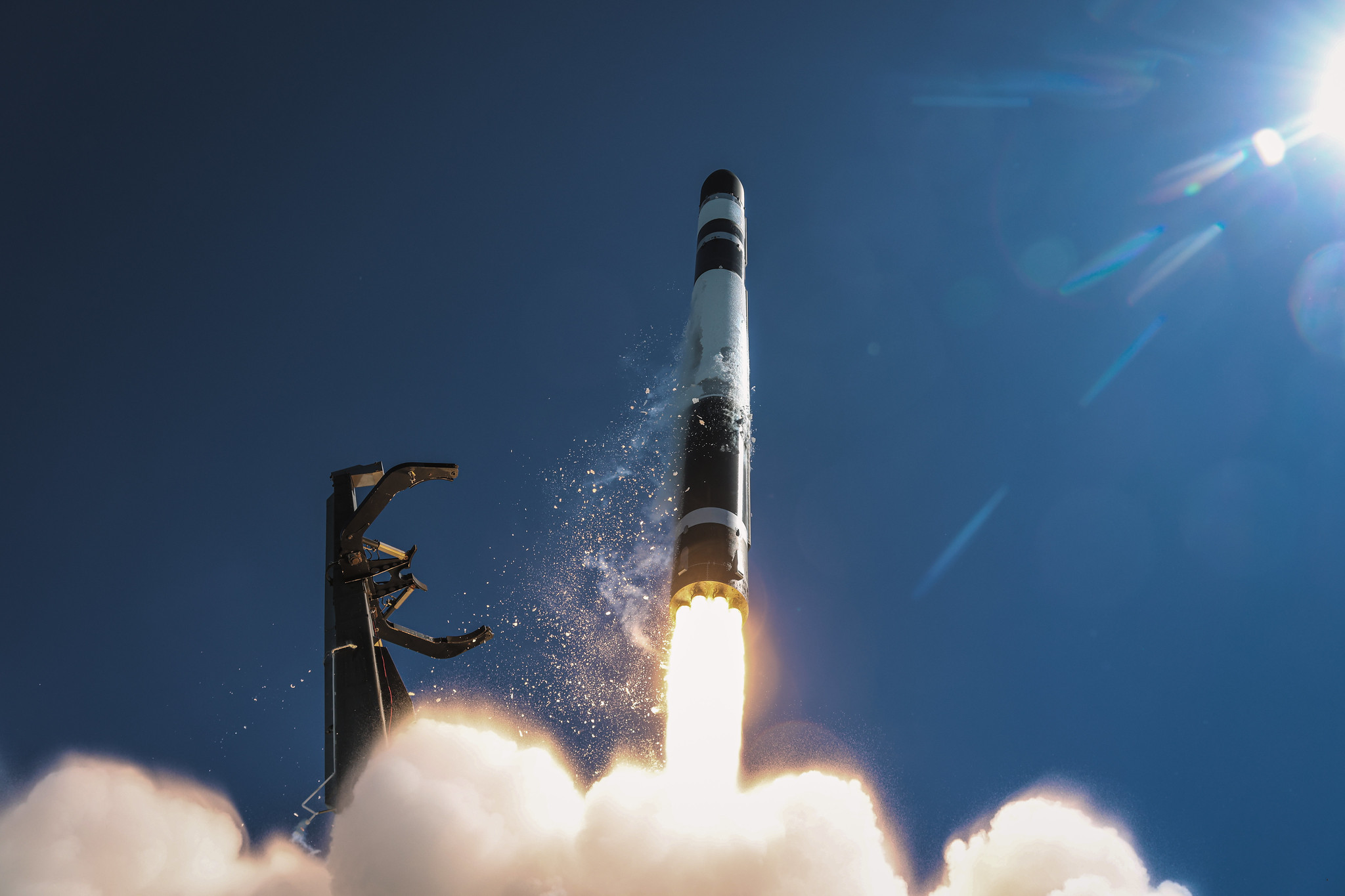
Rocket Lab, a prominent player in the space launch industry, has marked a significant year in 2026. The company is experiencing a surge in demand for its Electron rocket, while facing delays with its larger Neutron vehicle. This duality highlights the complexities and challenges in the rapidly evolving space sector.
Electron's Record-Breaking Performance
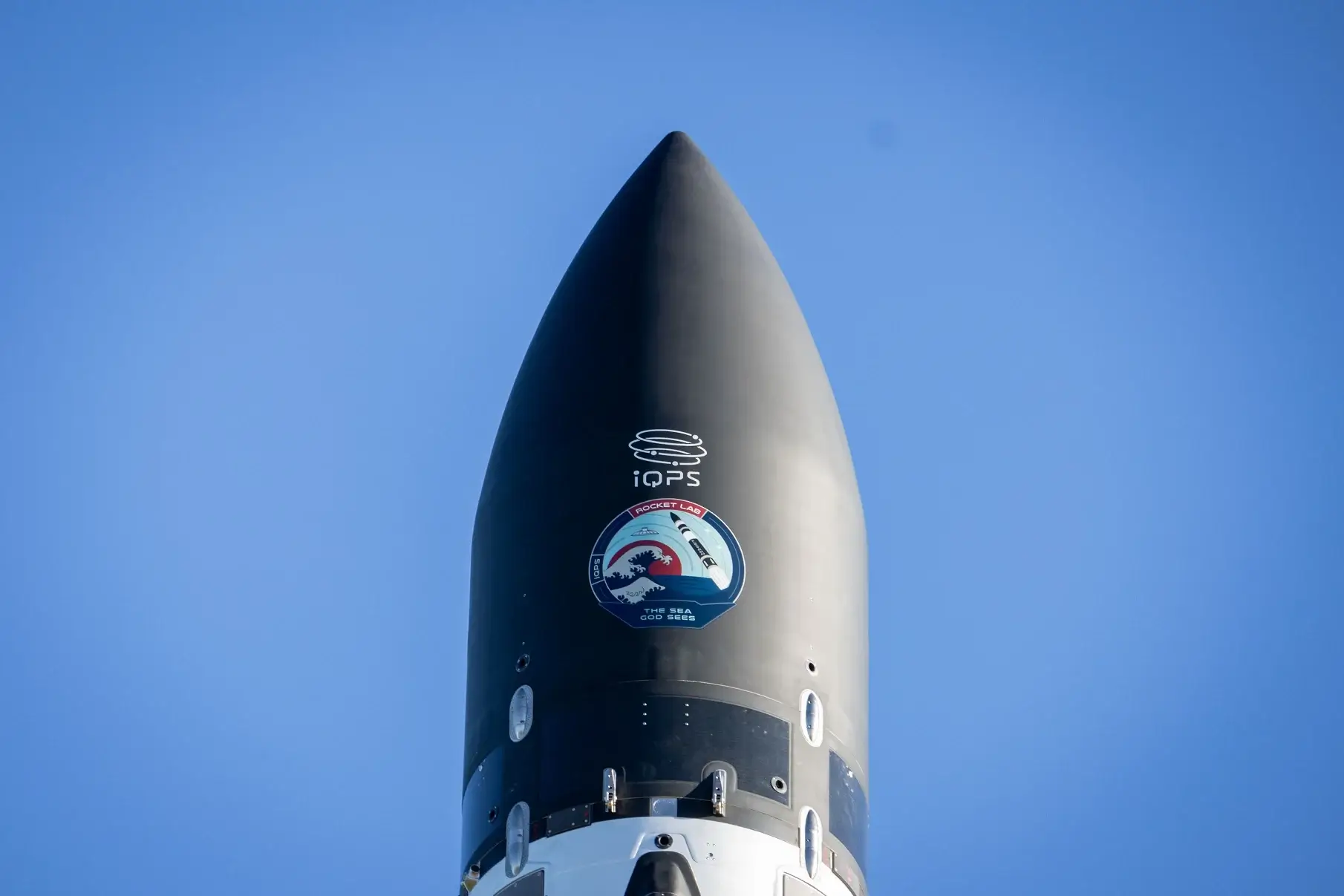
The first half of 2026 has been particularly fruitful for Rocket Lab's Electron rocket. The company successfully signed 36 new launch contracts in the first quarter alone, surpassing the 21 missions it conducted throughout 2025. This impressive growth reflects a robust demand for Electron's capabilities, especially in the realms of small satellite launches. The Electron's commercial manifest saw contracts from a variety of sectors, including a significant agreement with BlackSky for launching their satellites.
Financially, Rocket Lab witnessed a 63.5% increase in revenue year-over-year, reaching $200.3 million in the first quarter of 2026. This marks the first time the company has surpassed the $200 million revenue milestone in a single quarter. Adam Spice, the Chief Financial Officer of Rocket Lab, attributed this growth to a diverse pipeline of contracts, including multi-launch agreements and an increasing number of satellite component and subsystem opportunities.
NASA's Vote of Confidence
In a further testament to Electron's reliability, NASA awarded Rocket Lab contracts for launching two significant science missions in 2027: the Polarized Submillimeter Ice-cloud Radiometer (PolSIR) and the Total and Spectral Solar Irradiance Sensor-2 (TSIS-2). PolSIR, consisting of two 16U cubesats, will study ice crystals in tropical clouds, while TSIS-2 will measure solar energy entering Earth's atmosphere, continuing the work of its predecessor, TSIS-1.
These awards were part of NASA’s Venture-Class Acquisition of Dedicated and Rideshare (VADR) contract vehicle. Peter Beck, Rocket Lab's Chief Executive, expressed pride in the company's ongoing partnership with NASA, emphasizing Electron's reputation for reliability and precise orbital accuracy.
Challenges with Neutron
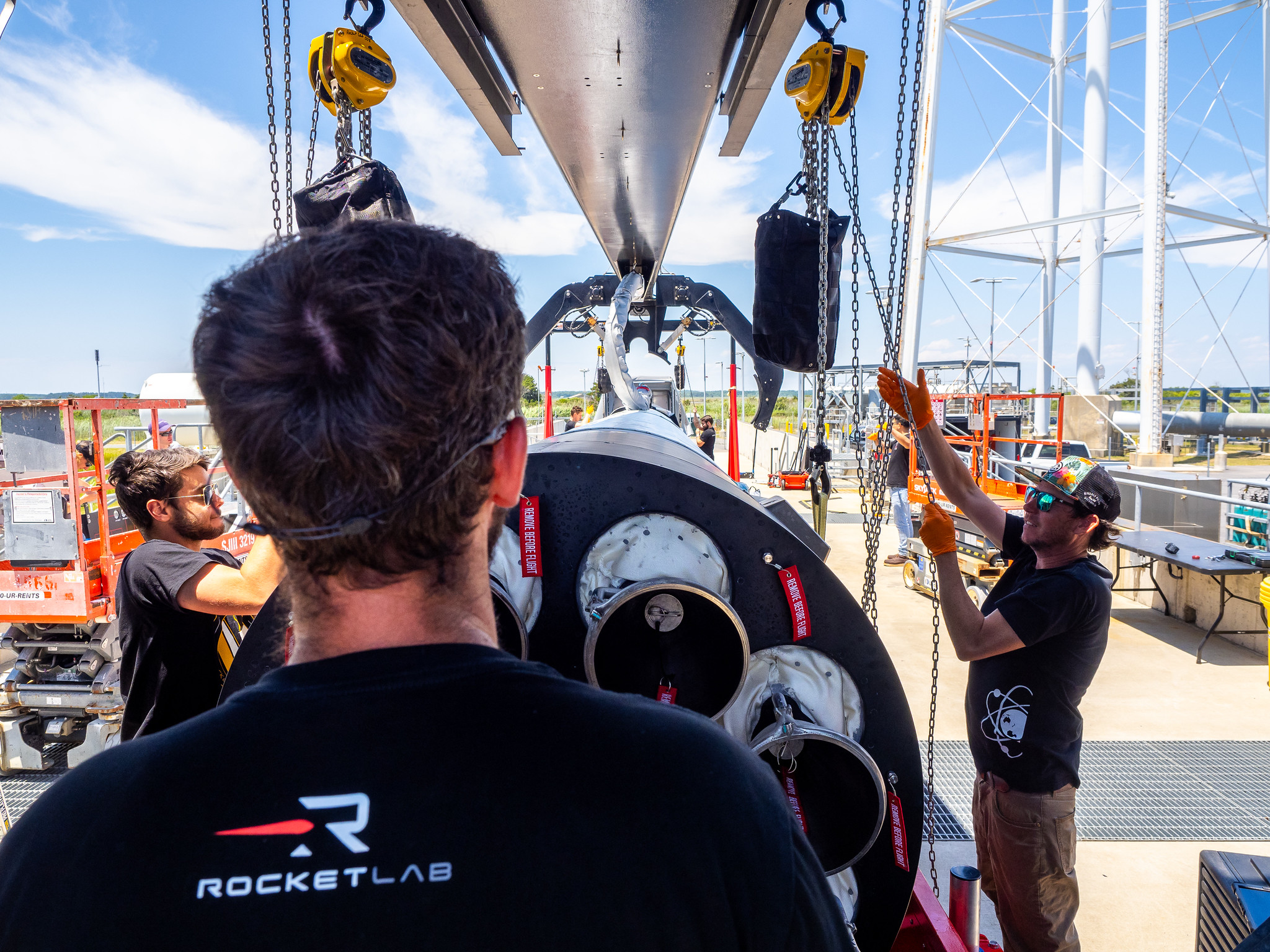
While Electron rockets are thriving, the Neutron vehicle faces delays. Initially anticipated to join Rocket Lab's fleet as a larger, reusable rocket, Neutron's development path has been slower than expected. The delayed timeline poses challenges as Rocket Lab aims to compete with heavyweights like SpaceX and Blue Origin in the emerging market for larger payloads.
Strategic Acquisitions and Future Prospects
To bolster its competitive edge, Rocket Lab is engaged in strategic acquisitions, including the recent all-stock deal to acquire Iridium Communications for $8 billion. This acquisition aims to enhance Rocket Lab's capabilities and market reach, positioning it as a formidable competitor against industry giants such as Amazon and SpaceX.
The combination of Electron's success, strategic acquisitions, and anticipated developments with Neutron reflect Rocket Lab's intricate balancing act of meeting current demands while preparing for future opportunities. As the space industry continues to grow, Rocket Lab's ability to navigate these complexities will be crucial.
Looking ahead, Rocket Lab's focus remains on expanding its launch capabilities and maintaining its reputation for reliability, while addressing the challenges inherent in developing larger launch vehicles. With NASA contracts secured and a strategic acquisition in place, Rocket Lab is well-positioned to capitalize on the increasing demand for versatile and reliable launch services.