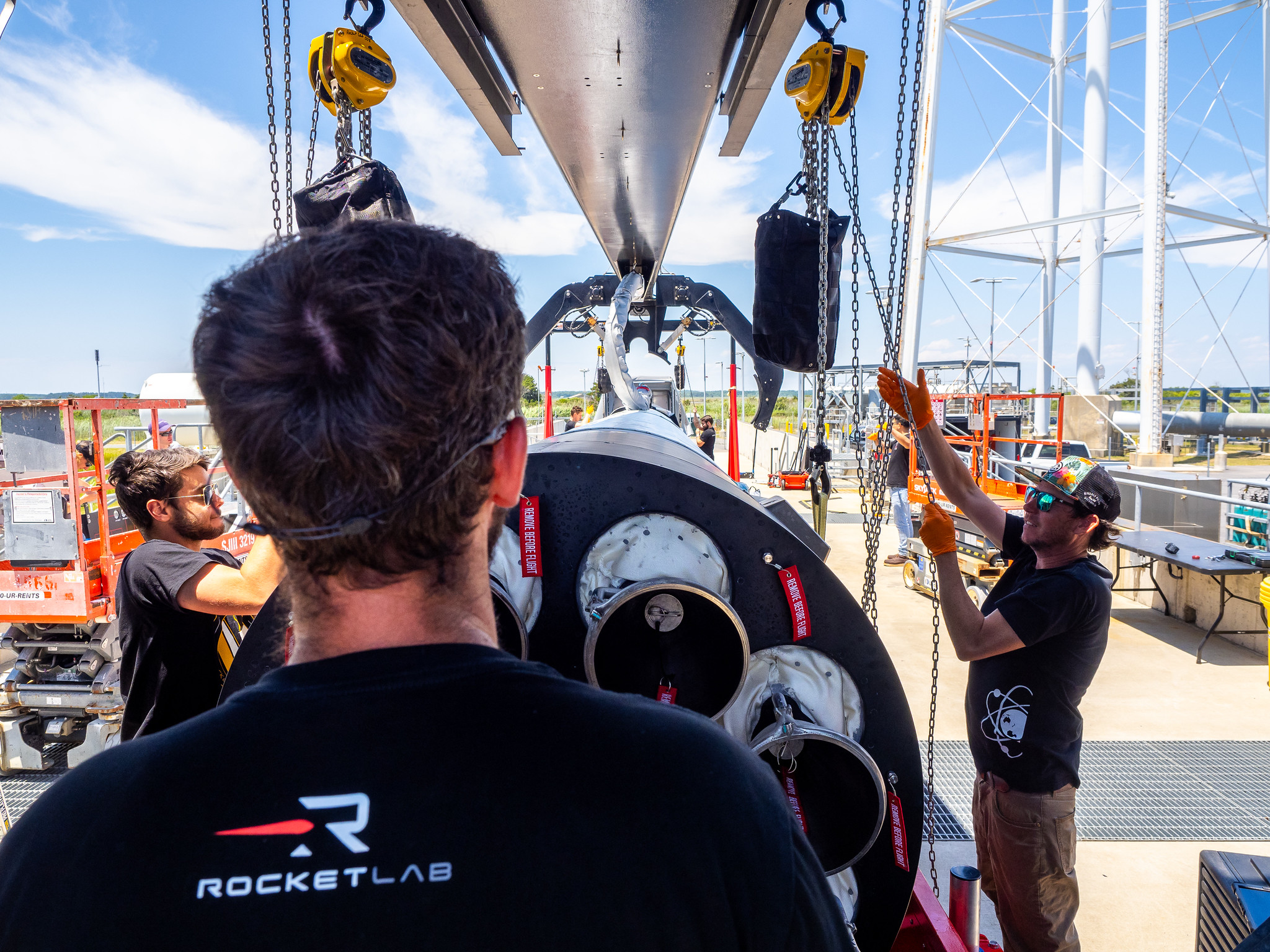
Rocket Lab's Innovative GHOST System
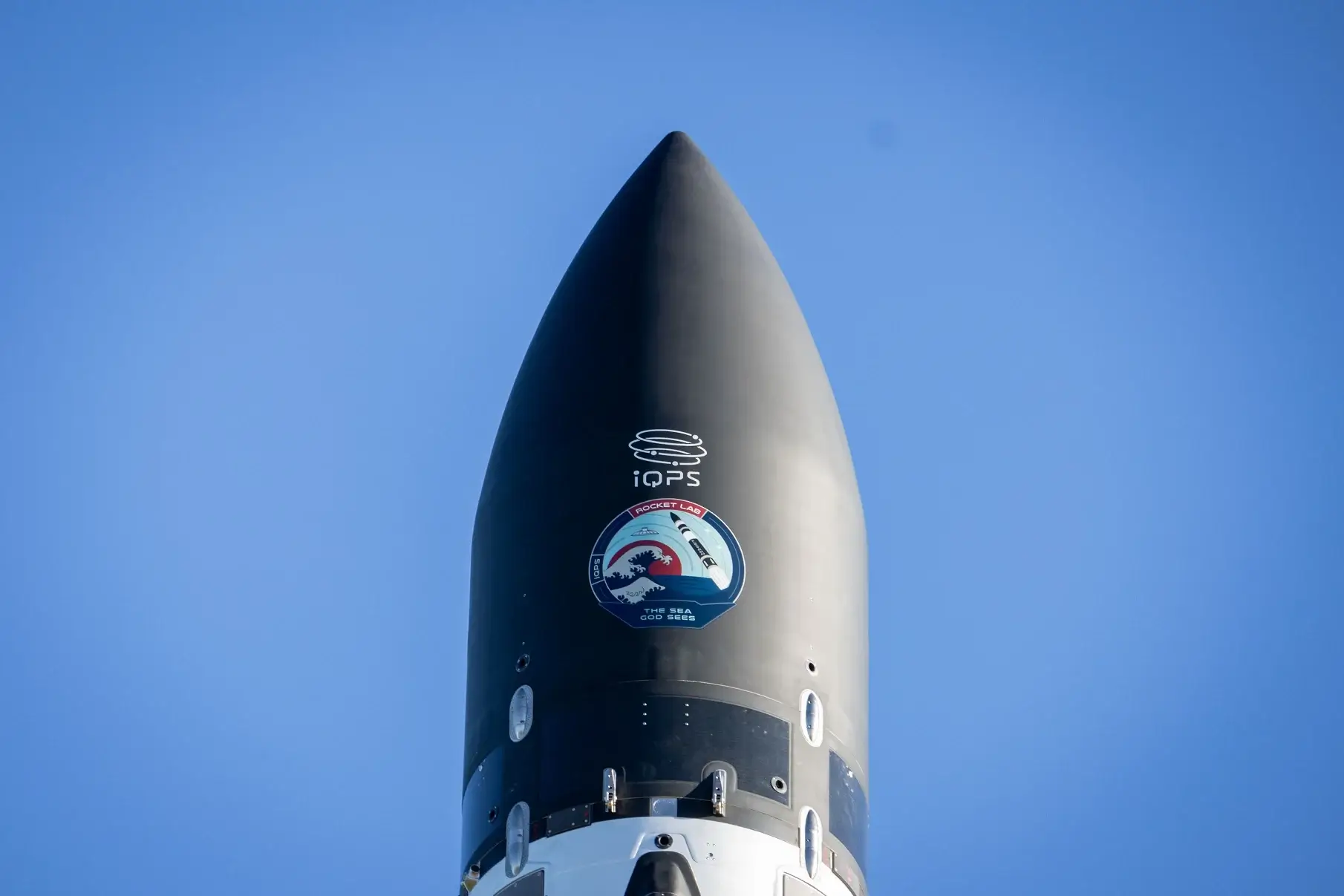
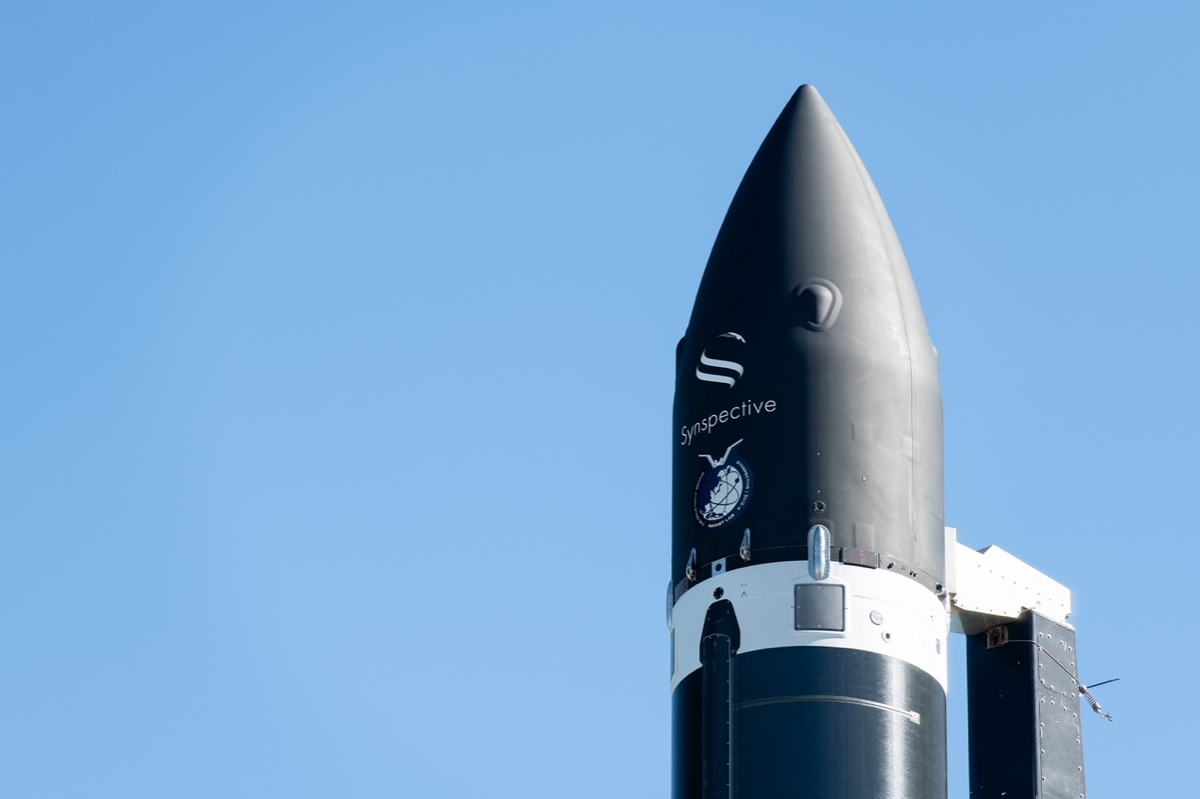
Rocket Lab, a leading player in the small launch vehicle industry, has revealed an innovative solution to expand its operational capabilities: the Global Hypersonic & Orbital Spaceport Technology system, or GHOST. This containerized launch infrastructure is designed to support the company's Electron and HASTE rockets, providing greater flexibility and mobility for launching from various locations. This move is aimed at meeting the growing demands of military and commercial customers who require adaptable launch solutions.
The GHOST system packages all necessary ground-support hardware and range-control systems into standard shipping containers. This allows Rocket Lab to quickly deploy and set up launch operations at new sites, beyond its existing permanent launch facilities in New Zealand and Virginia. The system's design reflects a direct response to customer requests, as emphasized by Peter Beck, Rocket Lab's founder and CEO, during an earnings call on August 10, 2026. Beck highlighted that the initiative was not speculative but rather a reaction to specific customer needs for increased mobility.
Strategic Expansion and Military Applications
The first deployment of the GHOST system is planned for the Pacific Spaceport Complex-Alaska on Kodiak Island, where Rocket Lab will establish two new pads under a new Launch Complex 4. This location will serve as the operational debut for the system with a suborbital mission scheduled for 2027. The expansion is closely tied to a significant $266 million contract with the United States Space Force for 12 suborbital launches, with options for six additional missions. Most of these missions are expected to launch from the Kodiak site.
The GHOST system is particularly advantageous for military operations, offering the U.S. Department of Defense and its allies increased flexibility in conducting hypersonic tests. By enabling launches from various locations, Rocket Lab can provide different flight trajectories and access to ranges that are not available from its current facilities. This flexibility is crucial for hypersonic testing, as it allows the Pentagon to optimize flight paths and downrange areas, avoiding concentration at a single site like NASA's Wallops Flight Facility in Virginia.
Implications for Global Launch Capabilities
Rocket Lab's containerized infrastructure could significantly impact the global space industry by offering a scalable and mobile launch solution. This system could attract interest from allied nations seeking to develop their own launch capabilities without the substantial investment required for a permanent launch complex. For these countries, GHOST presents an opportunity to enhance their space access by utilizing existing infrastructure in a flexible and cost-effective manner.
However, the deployment of the GHOST system is not without challenges. Each launch site will require thorough licensing, range-safety planning, and coordination with airspace and maritime authorities. Security arrangements will also be essential to ensure safe and secure operations.
Future Prospects and Industry Impact
As Rocket Lab prepares for the operational debut of the GHOST system, the industry will be watching closely to assess its effectiveness and potential impact. If successful, this approach could set a new standard for launch operations, offering a model for how space missions can be conducted with increased flexibility and reduced infrastructure costs.
In conclusion, Rocket Lab's GHOST system represents a significant advancement in the aerospace industry's pursuit of adaptable and efficient launch solutions. By addressing specific customer demands and enabling diverse launch capabilities, Rocket Lab is positioning itself as a leader in the evolving space launch sector, potentially reshaping how and where we launch into space in the years to come.