As space exploration continues its rapid evolution, three companies—Relativity Space, Rocket Lab, and PLD Space—are making significant strides with their new orbital rockets. These advancements are crucial as the companies aim to address the growing demand for launch services in the commercial and government sectors. Each company is targeting a launch later in 2026, with recent updates highlighting progress in structural, propulsion, and ground infrastructure testing.
Relativity Space's Terran R
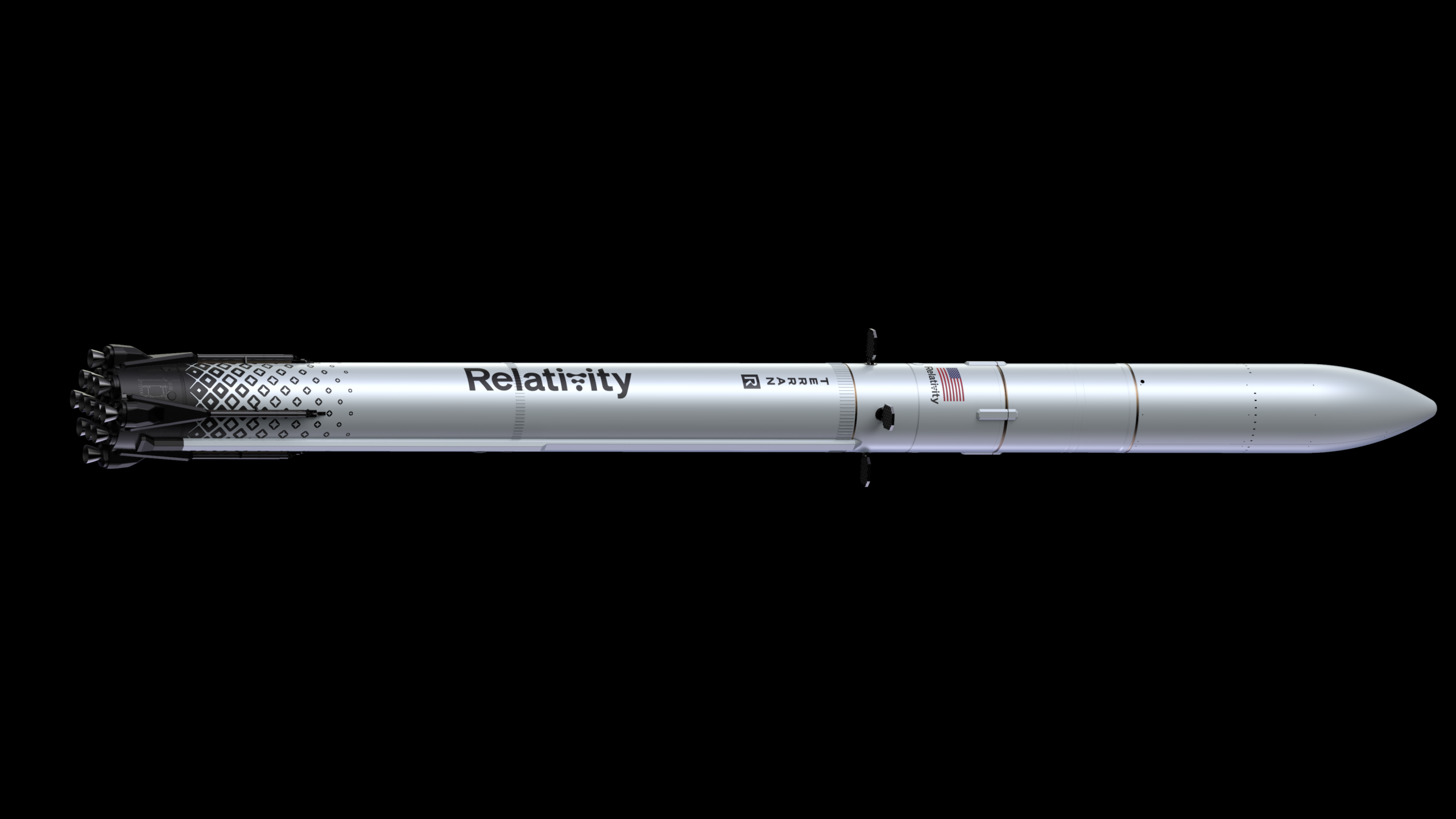
Relativity Space is developing the Terran R, a medium-to-heavy lift launch vehicle. This rocket is notable for its emphasis on reusability, aiming to reduce costs and increase the frequency of launches. The Terran R's first stage is powered by 13 Aeon R engines, while the second stage uses a single Aeon V vacuum engine. Both stages operate using liquid methane and liquid oxygen propellants.
Recent updates from Relativity Space indicate that the company has successfully completed the qualification article for the Terran R's reusable first stage. This milestone involved transporting the stage to a test stand for system checkouts. Initial proof test cases have been completed at the company's Long Beach facility, marking significant progress in the vehicle's development.
Rocket Lab's Neutron
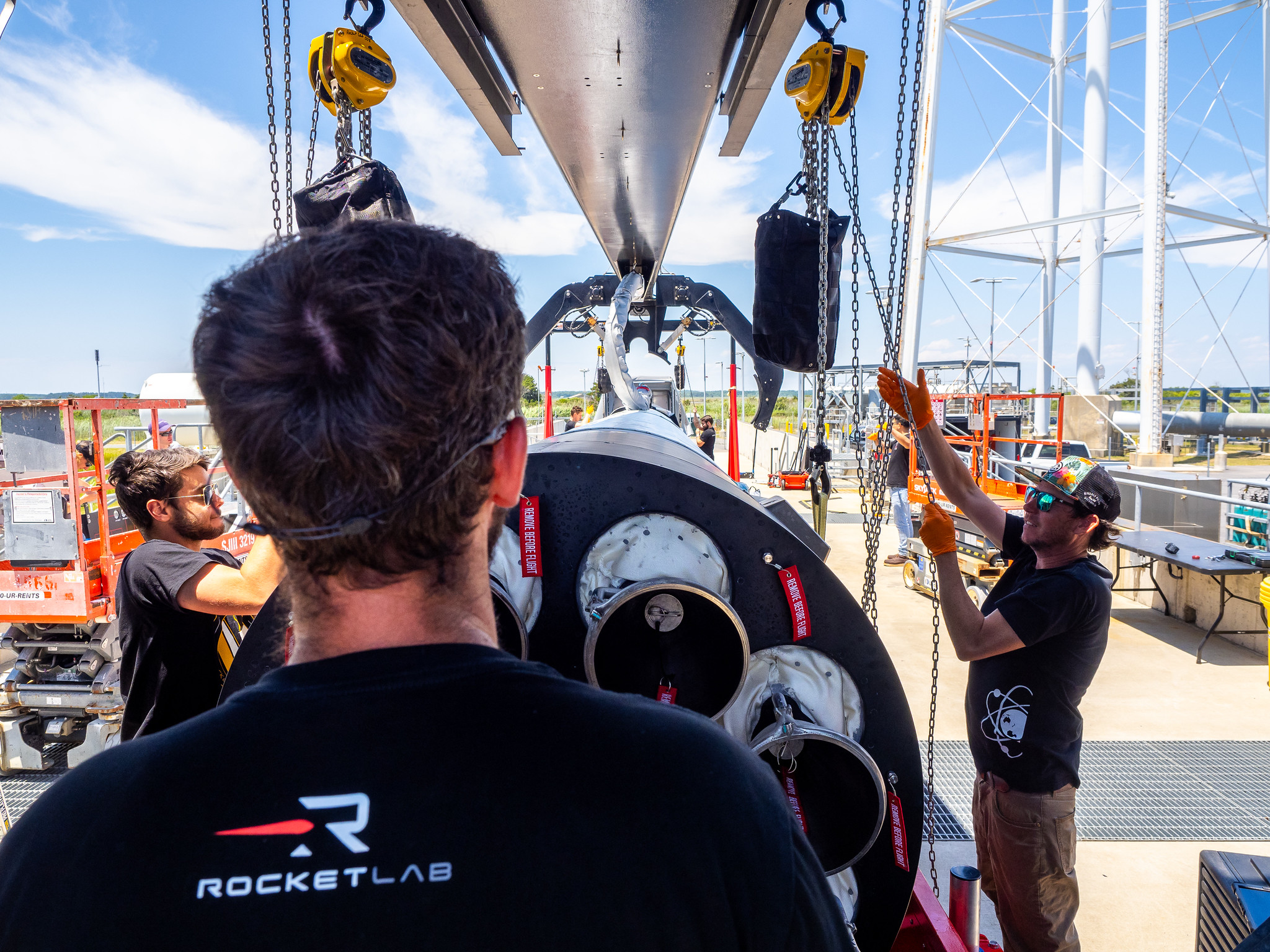
Rocket Lab's Neutron is another entrant in the next-generation launcher category, designed to handle medium-lift payloads. The Neutron's development has been marked by extensive testing, including the recent firing of its Archimedes engine, a crucial step towards its anticipated debut launch.
The Neutron is particularly significant due to Rocket Lab's established reputation with its Electron rocket, which has demonstrated reliable performance in the small satellite market. With the Neutron, Rocket Lab is expanding its capabilities to serve a broader range of missions, including those requiring heavier payloads.
PLD Space's Miura 5
PLD Space, a Spanish aerospace company, is preparing to launch the Miura 5, a vehicle expected to play a vital role in the European space sector. The Miura 5 is designed for orbital missions, building on the company's experience with suborbital test flights. This rocket is part of PLD Space's strategy to become a key player in the European and global launch markets.
The company has been focusing on technical milestones necessary for the Miura 5's development. These efforts are aligned with addressing the global deficit in launch capacity and meeting the rising demand for cost-effective access to space.
Implications for the Space Industry
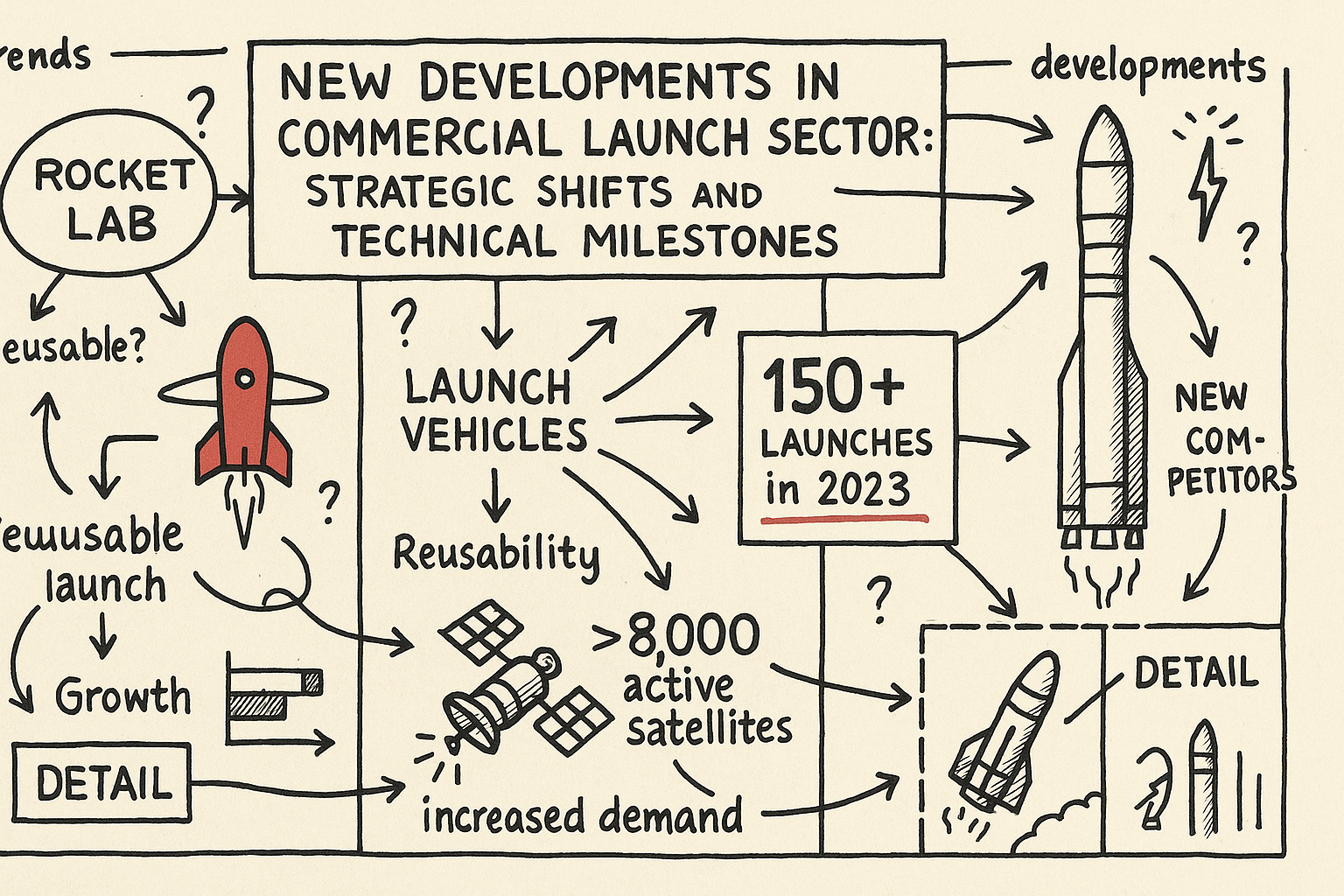
The advancements made by Relativity Space, Rocket Lab, and PLD Space highlight a broader trend in the space industry towards increased competition and innovation. The focus on reusability, cost reduction, and meeting diverse market demands is driving these companies to develop more efficient and versatile launch vehicles.
Additionally, the inclusion of Relativity Space in the U.S. Space Force's national security launch program underscores the strategic importance of these developments. As the industry moves forward, the successful deployment of these rockets will likely influence future launch architectures and contribute to the sustained growth of the commercial space sector.
As these companies approach their inaugural flights, the industry and stakeholders will keenly observe their progress and performance. The outcomes will not only shape the trajectories of these companies but will also impact the broader landscape of space exploration and utilization.