The U.S. Space Force has taken significant steps to diversify its pool of launch providers by including two innovative companies, Relativity Space and Impulse Space, into the National Security Space Launch (NSSL) Phase 3 Lane 1 program. This strategic inclusion aims to broaden the scope of launch services available for national security missions, reflecting an evolving approach to how military satellites are deployed.
The recent announcement, made on July 7, 2026, marks a pivotal expansion of the Space Force's launch capabilities. Both companies have been admitted to the Lane 1 Indefinite Delivery, Indefinite Quantity (IDIQ) contract, allowing them to compete for future task orders. This does not guarantee immediate launch business but places them in a pre-qualified pool from which the Space Force can solicit bids as missions arise, provided they meet specific flight-readiness criteria.
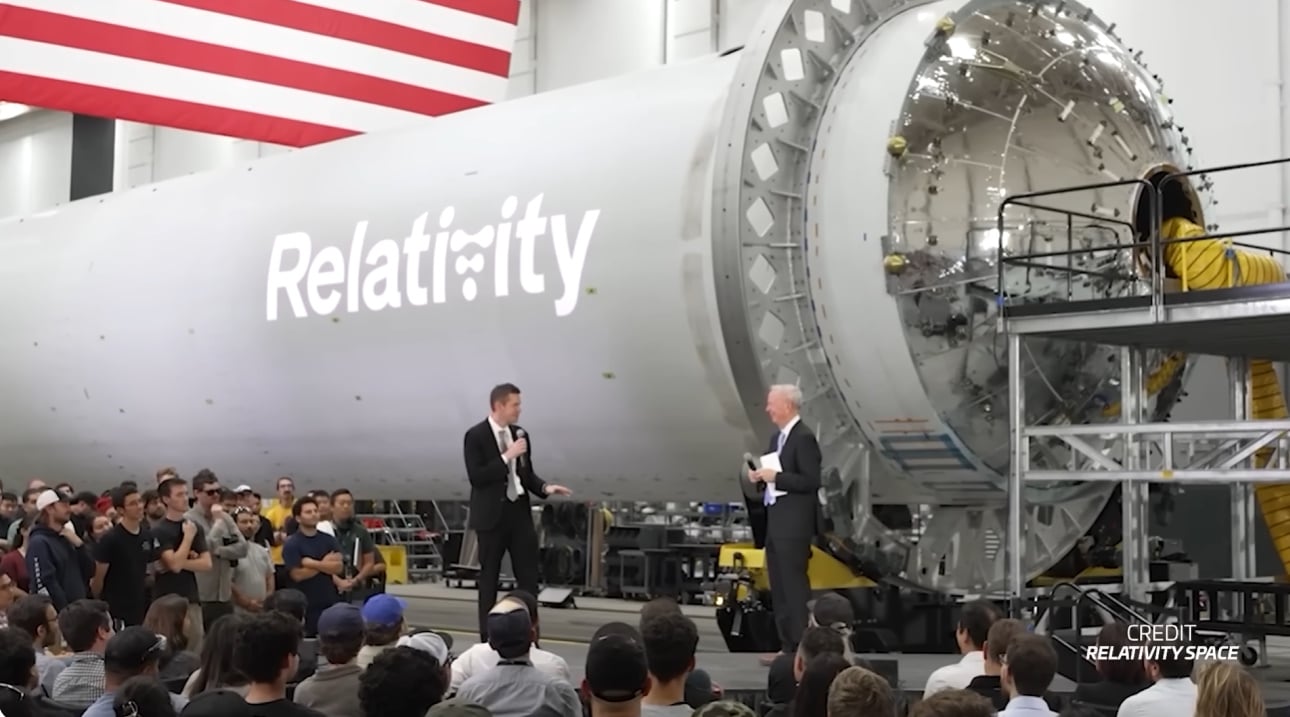
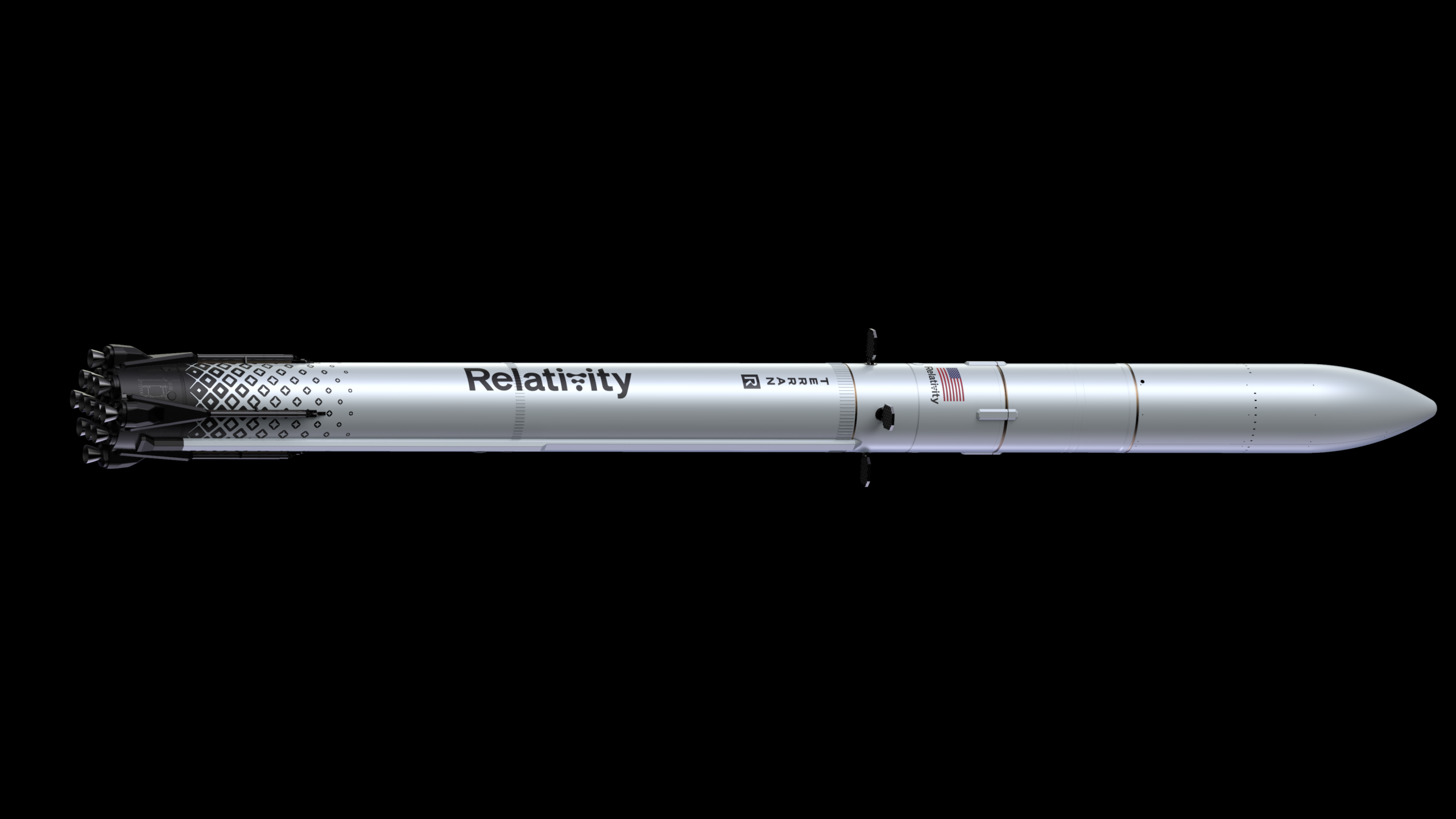
Relativity Space, based in Long Beach, California, is known for its development of the Terran R rocket—a medium-to-heavy-lift vehicle designed for both commercial and government missions. The Terran R is expected to make its maiden flight later in 2026. The rocket is particularly appealing to the Space Force for national security launches that do not demand the highest levels of mission assurance. Under the leadership of CEO Eric Schmidt, former head of Google, Relativity Space has positioned itself as a key player in the burgeoning commercial space sector.
Impulse Space, founded in 2021 by Tom Mueller, a former SpaceX engineer, offers a different approach. Instead of launching rockets, Impulse Space focuses on orbital transportation through their Helios space tugs. These tugs serve the critical role of transporting satellites from their initial drop-off orbits to final operational destinations, such as geostationary orbit. The Helios upper stage, powered by the Deneb engine, boasts impressive capabilities, including the ability to deliver payloads from low Earth orbit to geostationary orbit within 8 to 24 hours.
This inclusion of Impulse Space is particularly noteworthy as it represents the first time a dedicated upper-stage provider has been integrated as a primary contractor within the NSSL framework. Eric Romo, President and COO of Impulse Space, highlighted the significance of this development, stating that the partnership with a medium-lift launch vehicle provider offers a cost-effective and flexible path to high-energy orbits.
The expansion of the NSSL Phase 3 Lane 1 program, which now includes seven companies, underscores the Space Force's commitment to enhancing its launch capabilities amid a rapidly evolving aerospace landscape. The inclusion of Relativity Space and Impulse Space follows earlier additions of Rocket Lab, Stoke Space, SpaceX, Blue Origin, and United Launch Alliance (ULA), who have been tasked with handling less risky missions involving non-critical payloads such as data transport and missile tracking satellites.
This move also comes at a time when the U.S. launch market is undergoing significant changes. SpaceX, which accounted for about 85% of all U.S. launches in 2025, has announced plans to phase out the Falcon 9 rocket by 2028, potentially shifting its focus towards the Starship program. This pivot has prompted the Space Force to mitigate risks related to over-dependence on a single provider by expanding its roster of launch service suppliers.
Col. Eric Zarybnisky of the Space Systems Command emphasized the importance of bringing new providers into the fold, especially as the demand for launch services continues to grow. "Adding new launch providers is critical at a time when our launch cadence is rapidly increasing," he stated, highlighting the competitive opportunities that will arise once these companies demonstrate their flight capabilities.
As the U.S. Space Force continues to innovate and adapt its launch strategies, the inclusion of Relativity Space and Impulse Space signifies a forward-thinking approach to achieving national security objectives. By integrating diverse capabilities and fostering competition, the Space Force aims to ensure robust and reliable access to space for years to come.