In a significant development for space research, NASA has selected Rocket Lab to launch two pivotal science missions aimed at enhancing our understanding of solar and Earth sciences. Announced on June 25, 2026, Rocket Lab will deploy the Total and Spectral Solar Irradiance Sensor-2 (TSIS-2) and the Polarimeter to Unify the Corona and Heliosphere (POLARIS) missions. These missions are set to provide invaluable insights into solar radiation and its impacts on Earth's climate.
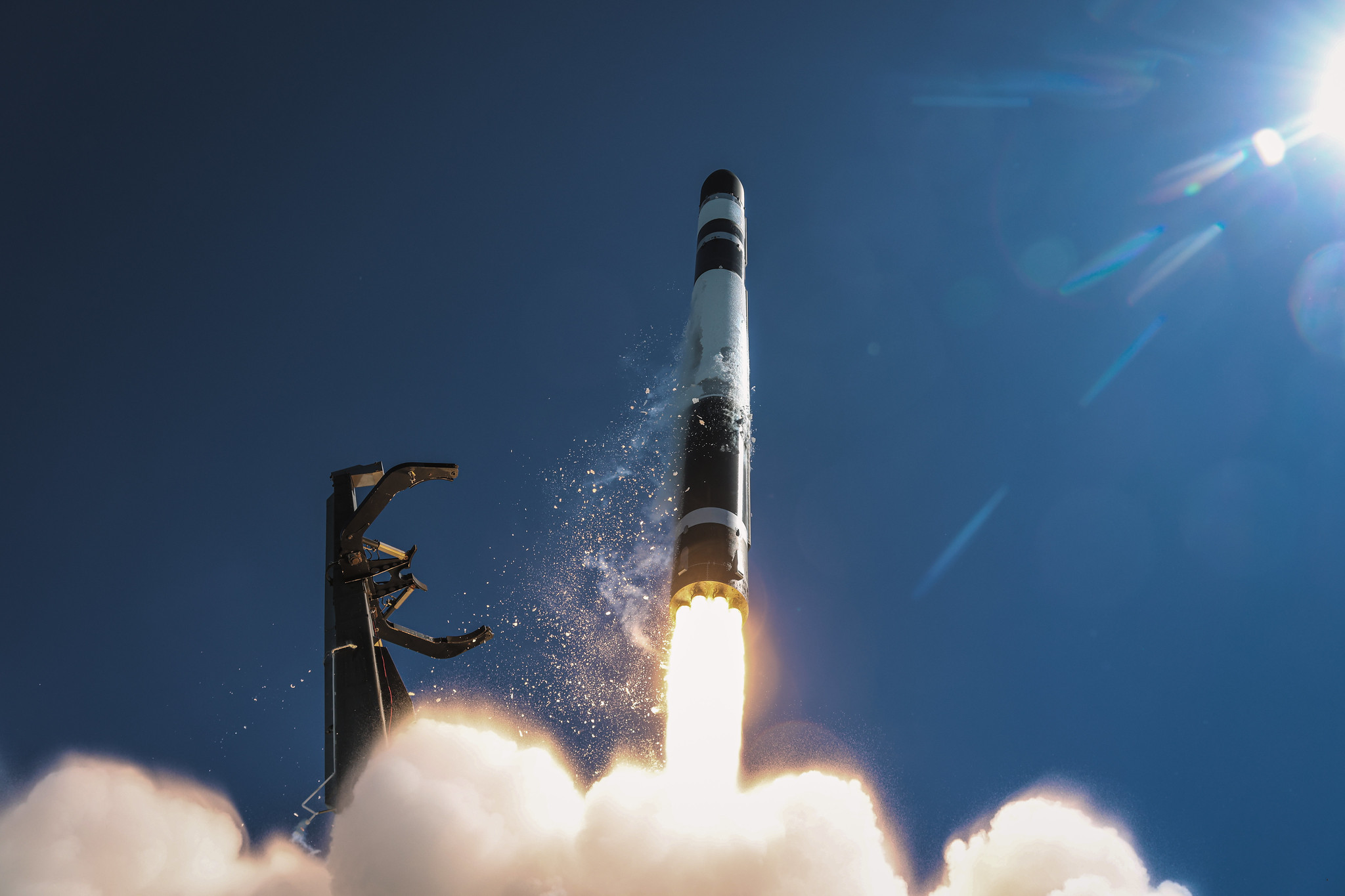
Rocket Lab, a prominent aerospace manufacturer and launch service provider, will facilitate these missions using its Electron rocket. This choice underscores NASA's growing collaboration with commercial space companies to bolster its scientific endeavors. The Electron rocket, known for its reliability and efficiency in launching small satellites, is set to deploy the TSIS-2 and POLARIS missions from Rocket Lab's launch complex.
The TSIS-2 mission focuses on measuring the Sun's energy output, a critical factor influencing Earth's climate. This mission aims to continue the data collection initiated by its predecessor, TSIS-1, which was launched in 2017. By monitoring the total and spectral solar irradiance, TSIS-2 will help scientists understand the Sun's role in climate variability. These measurements are essential for climate models that predict future climate scenarios, thus aiding in global efforts to mitigate and adapt to climate change.
POLARIS, on the other hand, is designed to study the Sun's corona and heliosphere. The mission will use a novel polarimetric technique to observe the solar corona, providing unprecedented insights into the magnetic fields and plasma dynamics in this outermost layer of the Sun's atmosphere. Understanding these solar phenomena is crucial for predicting space weather events, which can have profound impacts on Earth's technological systems, including satellite communications and power grids.
The selection of Rocket Lab for these missions marks a continuation of NASA's strategy to engage commercial partners for launching scientific payloads. Rocket Lab has established itself as a key player in the global space industry, known for its innovative approaches and cost-effective solutions. The company's Electron rocket has completed numerous successful missions, demonstrating its capability to deliver payloads to precise orbits.
Beyond the immediate objectives of the TSIS-2 and POLARIS missions, this collaboration between NASA and Rocket Lab highlights the broader trend of increased reliance on commercial space companies to advance scientific research. This approach not only accelerates the deployment of critical missions but also fosters innovation and competition in the space sector.
Historically, NASA has been at the forefront of space exploration and scientific discovery. However, the integration of commercial entities like Rocket Lab into these efforts represents a paradigm shift in how space missions are conceived and executed. By leveraging the expertise and resources of private companies, NASA can focus on mission planning and scientific analysis, while commercial partners handle the logistics and execution of launches.
The implications of the TSIS-2 and POLARIS missions extend beyond scientific discovery. The data collected will contribute to a deeper understanding of climate change and space weather, both of which have significant ramifications for Earth's environment and human activities. As climate change continues to pose challenges globally, missions like TSIS-2 provide the data necessary for informed policy-making and climate action.
Looking to the future, NASA's collaboration with Rocket Lab and other commercial partners is likely to expand, paving the way for more frequent and diverse scientific missions. This partnership model not only enhances NASA's capabilities but also supports the growth of the commercial space industry, which is poised to play an increasingly vital role in space exploration and research.