As the summer of 2026 unfolds, NASA is gearing up to launch a series of innovative airborne Earth Venture missions aimed at studying some of the planet's most dynamic and complex environmental phenomena. These missions, utilizing a range of sophisticated airborne sensors, promise not only to fill critical gaps in our understanding of Earth's systems but also to provide valuable data that could benefit communities across the globe.
Among the most anticipated of these suborbital missions is the Injected Smoke and PYRocumulonimbus Experiment (INSPYRE), spearheaded by the Naval Research Laboratory. This ambitious project aims to unravel the mysteries of pyrocumulonimbus clouds, colloquially known as 'fire clouds'. These towering formations are generated when intense wildfires burn with enough ferocity to spawn their own storm systems, complete with lightning and potential rainfall.
Pyrocumulonimbus clouds present a unique challenge. They can disrupt aviation by creating hazardous conditions above and spark new fires below. By employing aircraft like NASA's high-altitude ER-2, equipped with state-of-the-art infrared wildfire trackers from the Jet Propulsion Laboratory's FireSense program, scientists will measure and map these volatile systems in real time. This real-time analysis aims to improve forecasting capabilities, potentially offering first responders and planners a crucial edge in managing and mitigating the impacts of severe wildfires.
These missions are part of a broader initiative by NASA to leverage airborne remote sensing as a bridge between ground-based instruments and satellites. The data gathered from planes, helicopters, drones, and balloons can significantly enhance the accuracy of computer models used by weather forecasters, city planners, and other stakeholders. By filling observational gaps, NASA's airborne missions provide critical insights into weather patterns, air quality, and other environmental parameters.
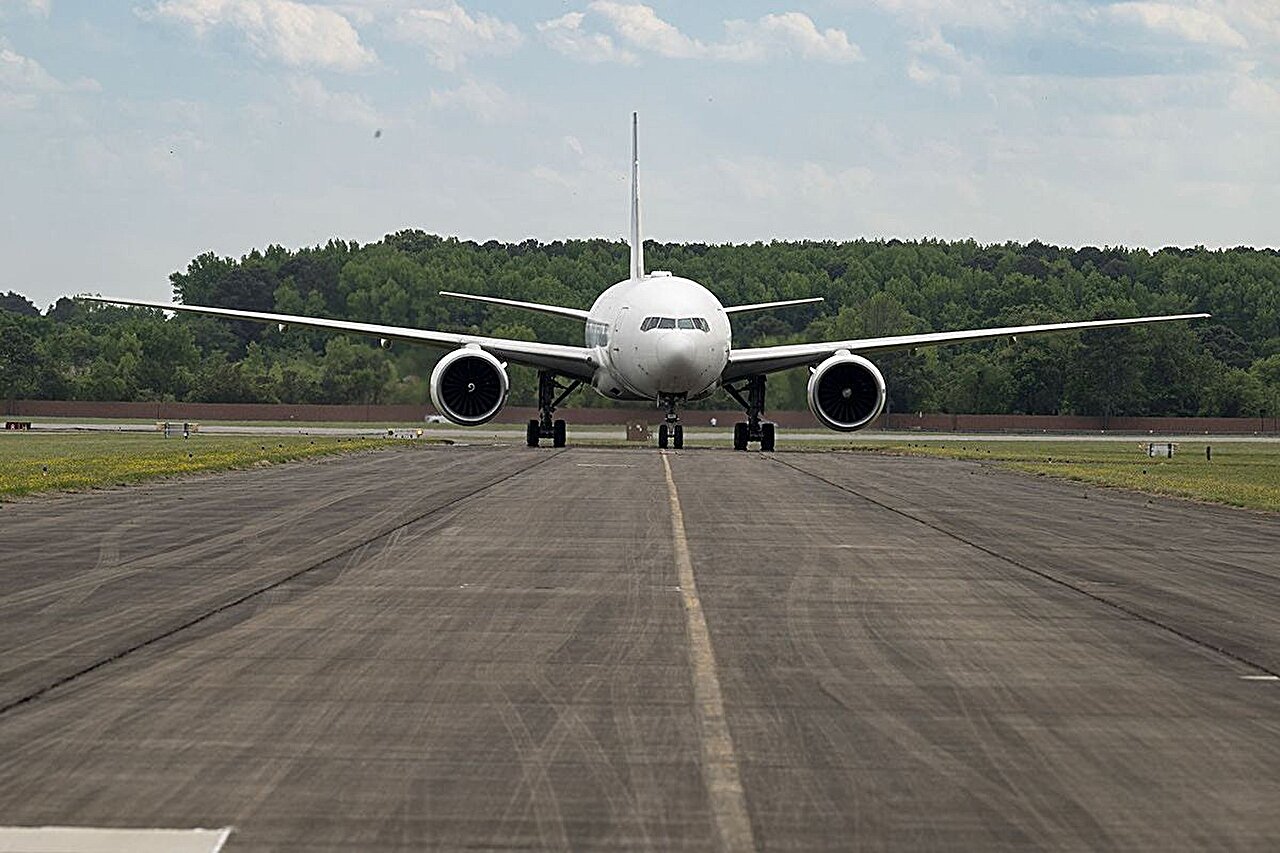
The transformation of a former passenger plane into a flying laboratory underscores the innovative spirit driving these missions. NASA's 777 aircraft, stationed at Langley Research Center in Virginia, has undergone structural modifications, including enlarged cabin windows and instrument portals, to accommodate a variety of scientific instruments.
While the focus on fire clouds takes center stage, the broader Earth Venture missions encompass a diverse array of studies, ranging from monitoring landslides in Alaska to assessing air quality in urban centers like Atlanta. The collaborative efforts involve hundreds of scientists and pilots from NASA, the U.S. Navy, universities, and other institutions, highlighting the interdisciplinary approach required to tackle complex environmental issues.
The implications of these missions extend far beyond the immediate scientific community. By enhancing our understanding of Earth's dynamic systems, the data collected could inform policies and strategies aimed at addressing climate change, disaster preparedness, and environmental conservation. As wildfires and other extreme weather events become increasingly prevalent, the insights gained from these missions could play a pivotal role in shaping resilient and adaptive communities.
As NASA continues to push the boundaries of airborne science, the lessons learned and technologies developed from these missions could also inform future exploration endeavors beyond Earth. Just as the SkyFall mission to Mars builds on the success of the Ingenuity helicopter by deploying a trio of aircraft to survey the Red Planet, the technological advancements and methodologies honed through Earth Venture missions could pave the way for more sophisticated extraterrestrial surveys.
In summary, NASA's latest airborne missions epitomize the agency's commitment to leveraging cutting-edge technology and interdisciplinary collaboration to tackle some of the most pressing challenges facing our planet. As these missions take to the skies, they promise to deliver not only scientific breakthroughs but also tangible benefits for communities both in the United States and globally.