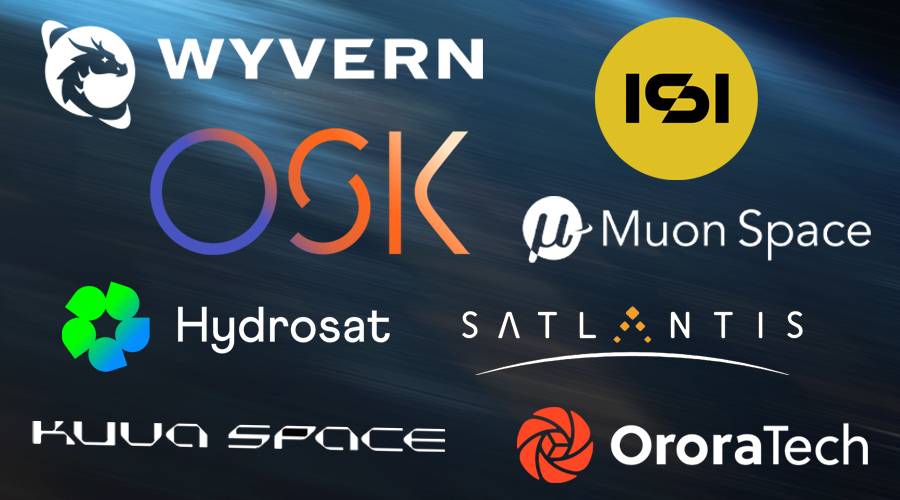
In a significant step forward for Earth science and commercial partnerships, NASA's Commercial Smallsat Data Acquisition (CSDA) program has recently announced the selection of eight commercial satellite data providers for its On-Ramp 2 contract awards. This selection is a part of NASA's ongoing efforts to enhance its Earth science data capabilities through collaborations with private sector companies.
The CSDA program, which is a crucial component of NASA's Earth Science Division, aims to leverage the advancements in commercial satellite technology to augment its scientific research and data collection efforts. By incorporating data from private satellite operators, NASA can enhance its understanding of Earth's climate, weather, and environmental changes.
The eight companies selected under the On-Ramp 2 contract awards include a diverse range of satellite data providers, each offering unique capabilities and data products. These companies will supply NASA with high-resolution imagery, radar data, and other valuable geospatial information. The integration of such data is expected to support a wide array of scientific investigations, from monitoring deforestation and urban development to assessing the impacts of natural disasters.
This initiative is part of a broader strategy by NASA to foster innovation and cost-effectiveness in its data acquisition processes. By partnering with commercial entities, NASA can access cutting-edge satellite technologies without the need for significant in-house development and deployment costs. This approach not only accelerates the availability of critical Earth observation data but also stimulates the commercial space sector by providing opportunities for companies to collaborate on significant scientific missions.
The On-Ramp 2 contract awards are particularly timely given the increasing need for comprehensive Earth monitoring in the face of climate change. As global temperatures continue to rise, the ability to gather accurate and timely data on environmental conditions becomes ever more crucial. NASA's collaboration with commercial satellite companies enables the acquisition of more frequent and detailed data sets, which are indispensable for climate scientists and policymakers alike.
The CSDA program's focus on utilizing commercial satellite data is not new. It builds upon previous successful collaborations with the private sector, which have significantly contributed to NASA's Earth science missions. These partnerships have demonstrated the potential of combining public and private resources to advance scientific knowledge and address pressing global challenges.
Looking forward, the integration of commercial satellite data into NASA's Earth science endeavors is expected to continue evolving. Future collaborations may explore new data types and technologies, including advanced machine learning and artificial intelligence techniques to process and analyze the vast amounts of data collected. Such innovations could lead to more precise climate models and a better understanding of Earth's dynamic systems.
In conclusion, the On-Ramp 2 contract awards by NASA's CSDA program mark a pivotal moment in the agency's strategy to harness commercial satellite technology for Earth science research. By engaging with a diverse array of satellite data providers, NASA is not only expanding its data acquisition capabilities but also reinforcing its commitment to addressing the challenges of climate change and environmental monitoring. This partnership model, leveraging the strengths of both public and private sectors, represents a promising path forward for scientific exploration and innovation.