NASA's launch infrastructure is facing significant pressures as commercial space activity accelerates, according to a recent report by the agency's inspector general. The report underscores the looming challenges as NASA's facilities strive to accommodate a rapidly increasing number of launches, projected to reach 268 annually by 2030, up from 109 in 2025.
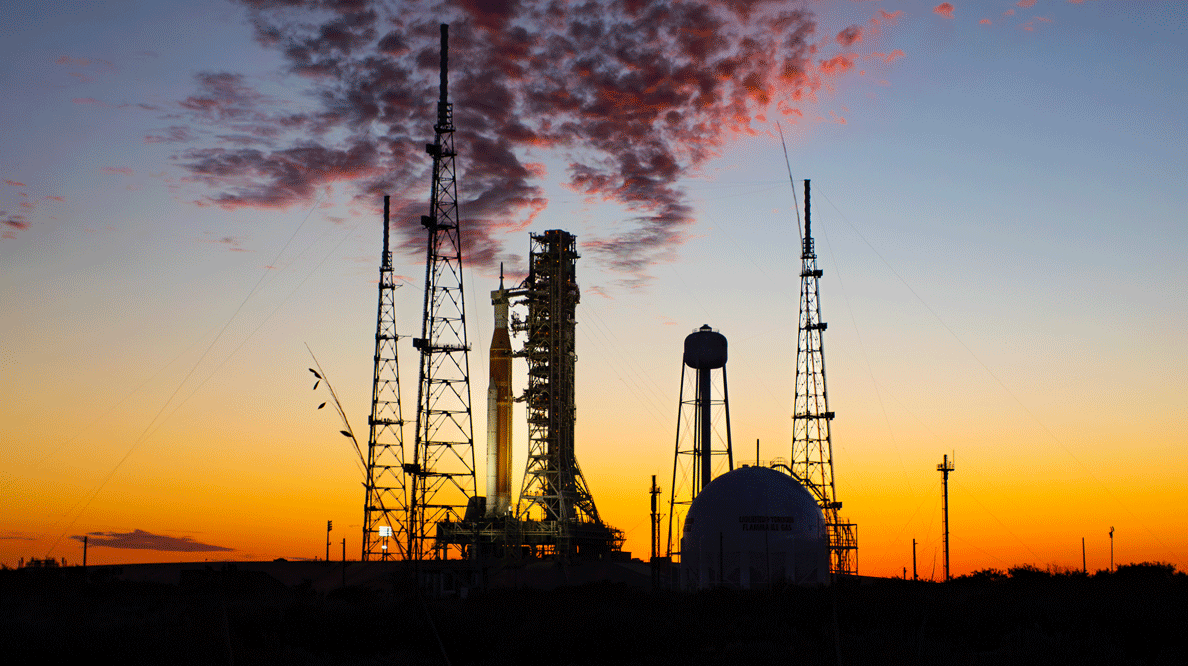
Central to these concerns is the Kennedy Space Center (KSC), NASA's primary launch facility. The aging infrastructure at KSC is struggling to keep pace with the demands of modern space operations. Key issues include outdated power supply systems, inadequate gas distribution networks, and deteriorating roads and bridges, all of which are crucial for supporting the launch of rockets.
The nitrogen and helium delivery systems at KSC, essential for launch operations, are currently unable to serve multiple users simultaneously. This limitation could lead to delays in launch schedules, impacting both governmental and commercial missions. Additionally, the center’s roads and bridges, constructed over 60 years ago, are not in condition to handle the increased number of truck trips required for transporting launch hardware. To illustrate, the number of truck trips has risen dramatically from 1,956 during the 17 launches in 2019 to 8,752 for 109 launches in 2025.
In contrast, the Wallops Flight Facility in Virginia, which saw its electrical system updated in 2018 and a new causeway bridge construction initiated in 2025, does not face as severe challenges. However, the facility is also experiencing growth, with the number of launches expected to increase from 17 in 2025 to 44 in 2030.
Financial constraints are a significant hurdle in addressing these infrastructure issues. The inspector general's report estimates a minimum of $1 billion is needed to update KSC’s infrastructure to support the impending launch volumes. However, NASA's budget for construction and maintenance has been reduced between 11% and 47% over the past five years, when adjusted for inflation. This budgetary shortfall is exacerbated by the fact that approximately 70% of launches from NASA ranges are commercial, yet the agency is currently prohibited from charging these users fees to fund infrastructure improvements due to existing rent agreements.
The report offers several recommendations to mitigate these challenges. These include conducting studies to understand the impact of increased vehicle traffic on KSC’s infrastructure and devising a plan to address it. Furthermore, prioritizing the allocation of $250 million from a reconciliation bill for essential improvements in electrical, gas, and transportation infrastructure is suggested. The report also advises exploring the possibility of charging commercial launchers for common infrastructure use, a proposal that NASA has agreed to consider.
As the space sector continues to evolve, balancing the needs of commercial and governmental space activities becomes increasingly complex. The report stresses the importance of modernizing NASA's infrastructure to maintain its leadership in global space operations and accommodate the burgeoning private space sector. The failure to address these infrastructure concerns could lead to operational bottlenecks and delays, affecting the broader space industry.
Given the critical role of space infrastructure in supporting a diverse array of missions, from scientific exploration to national security, these challenges underscore the need for strategic investments and policy adjustments. The findings of the inspector general's report highlight an urgent call to action for both NASA and its governmental partners to secure the future of America’s space launch capabilities.