At the heart of NASA's mission to explore the cosmos lies a network of complex and sophisticated infrastructure that supports the launch of spacecraft and satellites. This intricate system, comprising launch pads, utility systems, and transportation networks, is pivotal to the agency's ability to achieve groundbreaking feats in space exploration.
The recent update from NASA's Office of the Inspector General (OIG) highlights the importance of these facilities and underscores the agency's commitment to maintaining and enhancing its launch infrastructure. This is particularly evident at the Kennedy Space Center in Florida, where NASA's Space Launch System (SLS) rocket and Orion spacecraft are prepared for missions that promise to expand humanity's reach beyond Earth.
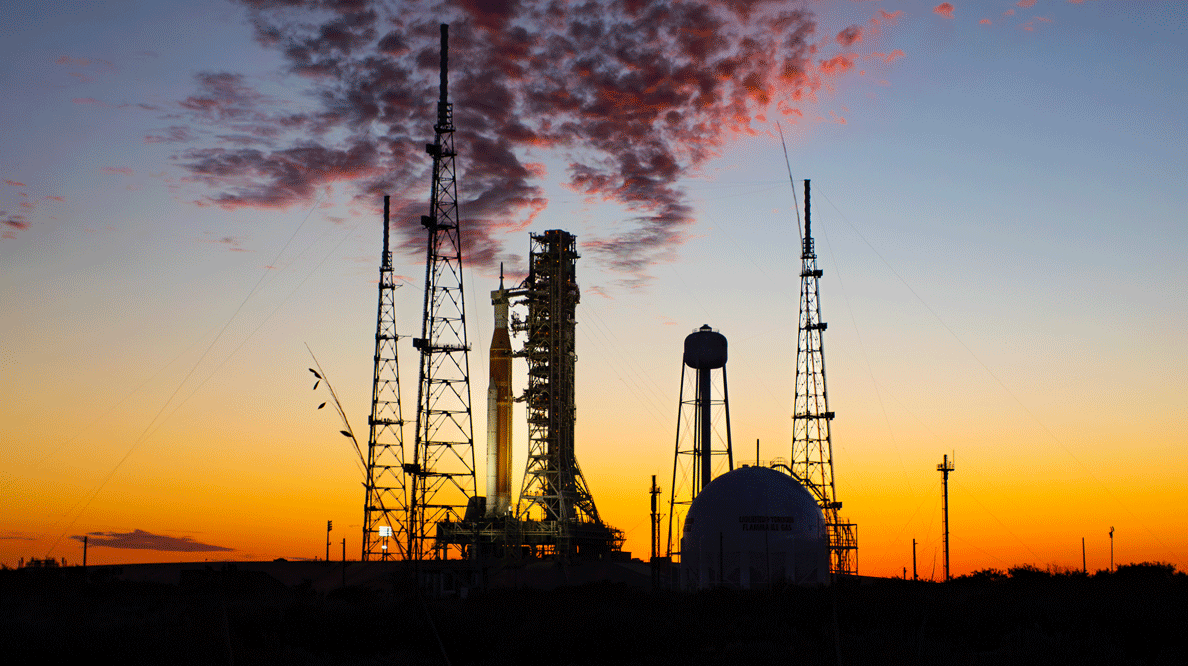
Launch pads, like the iconic Launch Pad 39B, are the starting points for many of NASA's ambitious missions. These structures must withstand the immense forces and heat generated during rocket launches, making their maintenance and upgrade crucial for safety and performance. The Sunset behind NASA’s SLS rocket at this pad encapsulates the dedication and meticulous planning that goes into each mission.
Beyond the physical launch pads, NASA's infrastructure includes a vast network of utility systems that provide essential services, such as water, power, and communications. These systems ensure that all operations run smoothly and that any issues are swiftly addressed to prevent delays or failures.
Transportation networks also play a critical role in NASA's operations, enabling the movement of heavy equipment and components across vast distances. The logistics of transporting a rocket from its assembly site to the launch pad require precise coordination and robust infrastructure to support these massive undertakings.
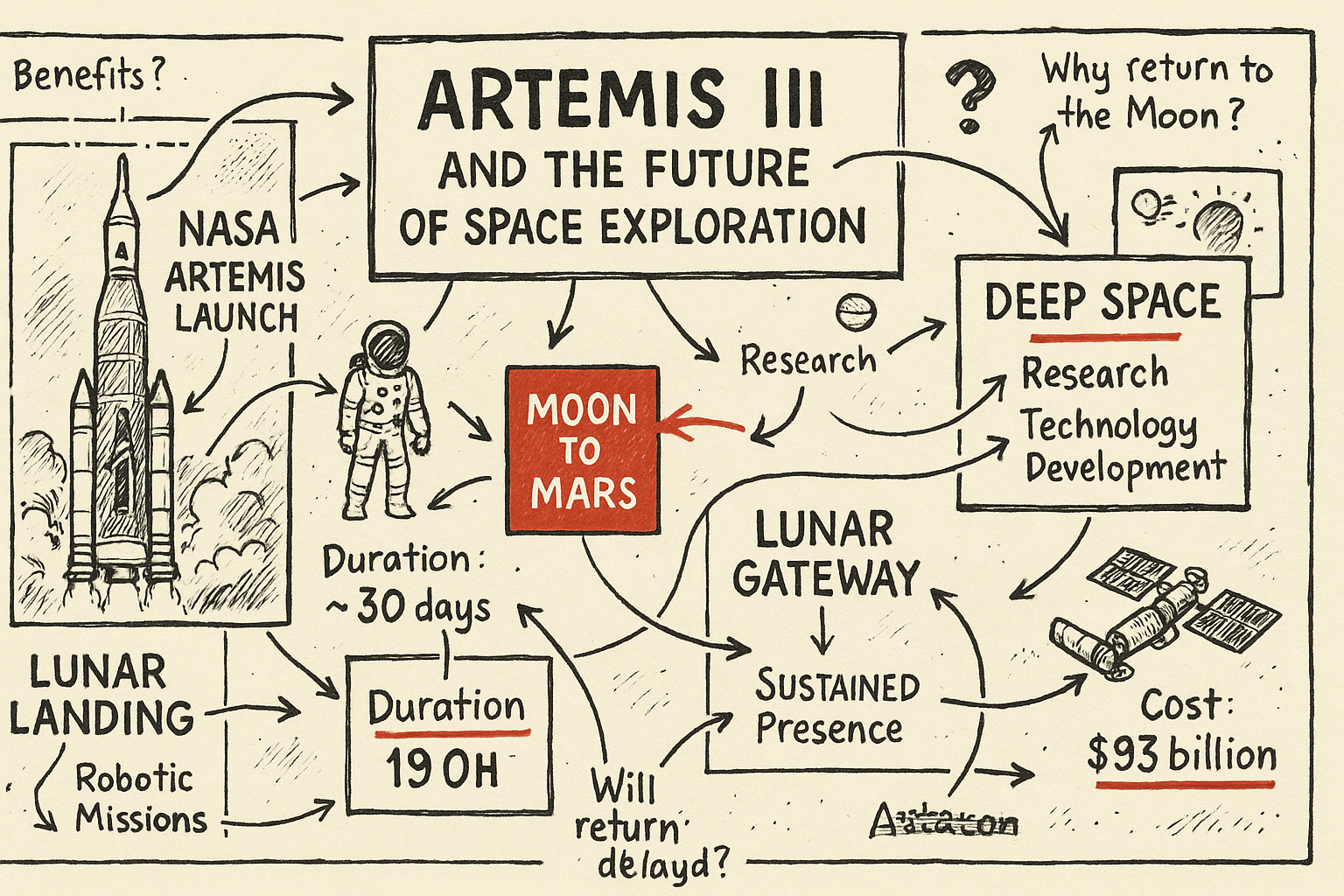
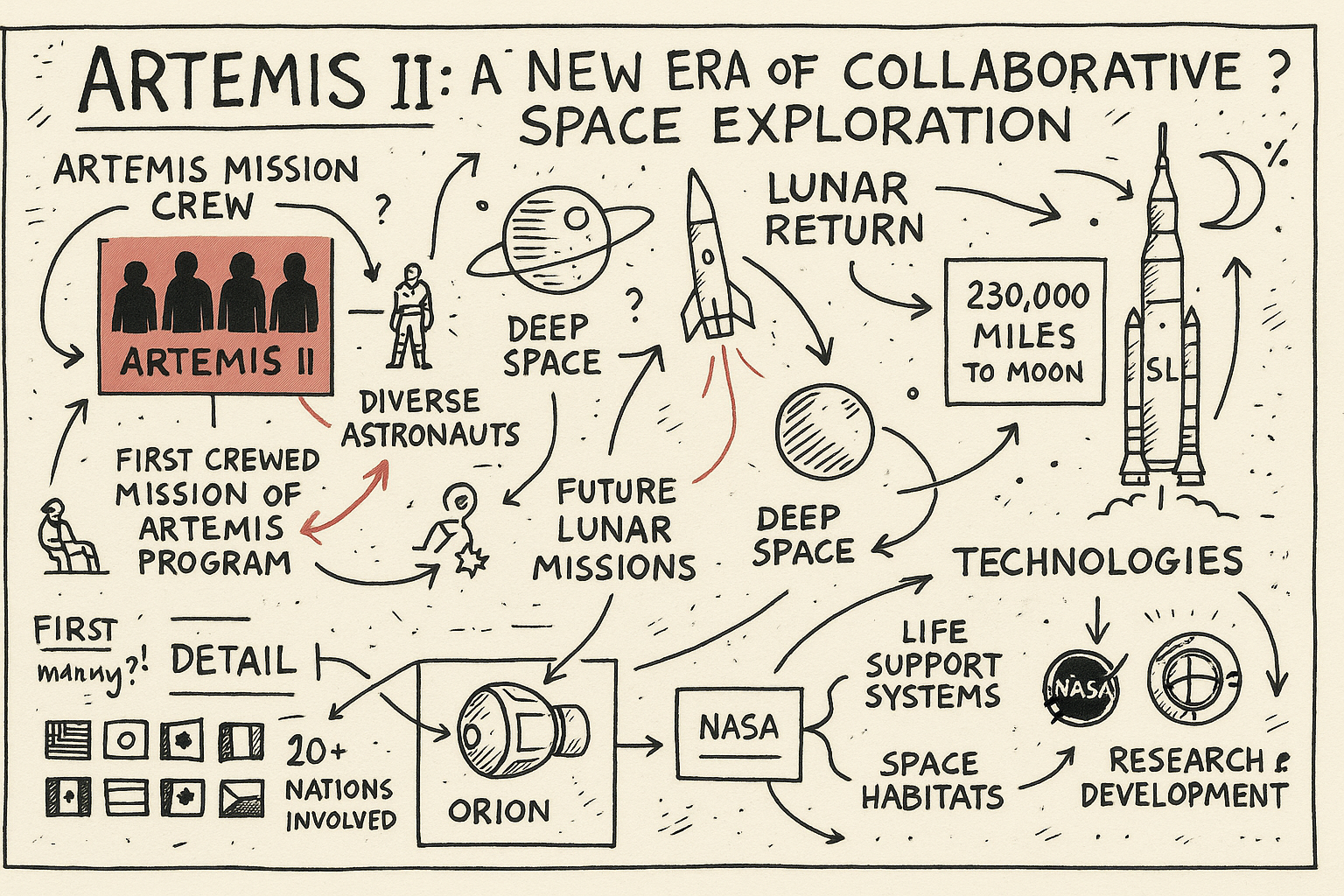
The OIG's report emphasizes the need for ongoing audits and oversight to identify potential areas of improvement and to safeguard against fraud and waste. This proactive approach ensures that NASA's infrastructure remains capable of supporting its ambitious plans, such as the Artemis program, which aims to return humans to the Moon and establish a sustainable presence there.
Historically, NASA's infrastructure has evolved in response to technological advancements and changing mission requirements. The transition from the Space Shuttle program to the SLS and Orion systems marks a significant shift in focus towards deep space exploration. This evolution requires continual updates and enhancements to existing facilities to support new technologies and mission objectives.
Looking to the future, NASA's launch infrastructure will need to adapt to accommodate emerging trends in space exploration, such as increased collaboration with commercial partners and international agencies. As private companies become more involved in launching payloads and astronauts, NASA's facilities will likely see increased use and require further enhancements to support this growing demand.
In conclusion, NASA's launch infrastructure is a vital component of its ability to conduct successful space missions. The ongoing efforts to maintain and improve these facilities ensure that NASA remains at the forefront of space exploration, ready to tackle the challenges of the future with robust and reliable infrastructure.