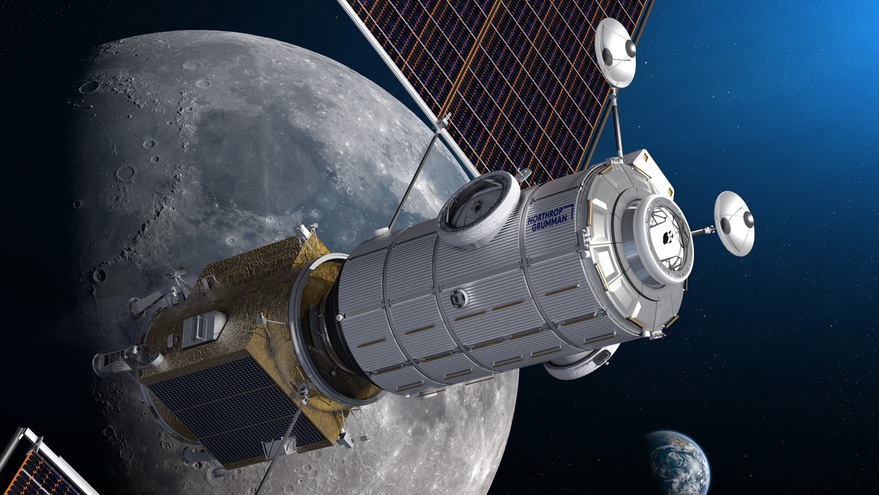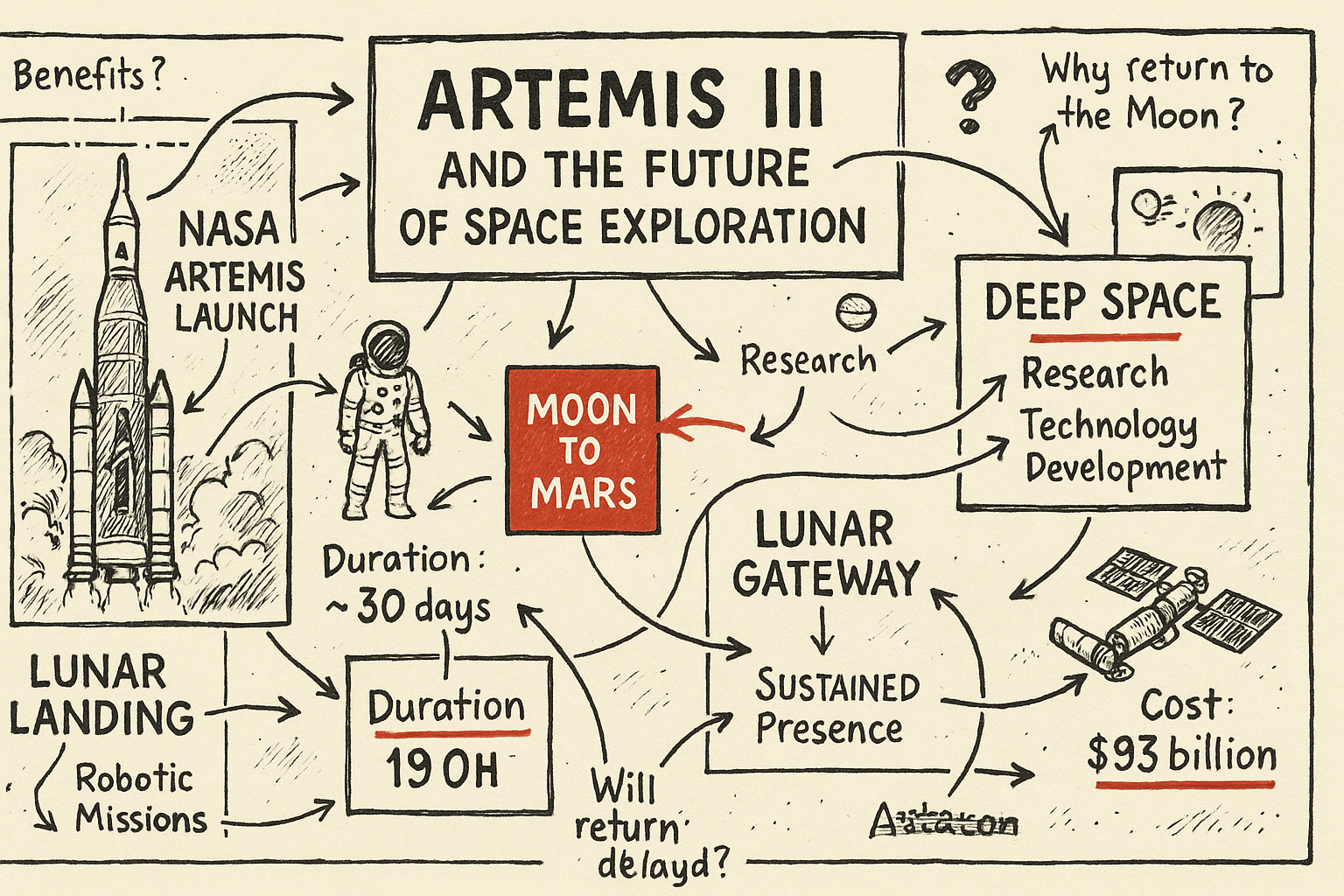
As NASA progresses toward its ambitious goal of returning humans to the Moon and eventually landing on Mars, the recent flurry of activities around the Artemis program and related initiatives provides a comprehensive view of the agency's strategies and aspirations. The Artemis III mission, which will bring humans back to the lunar surface, is at the core of these efforts, representing not just a technological challenge but a collaborative milestone.
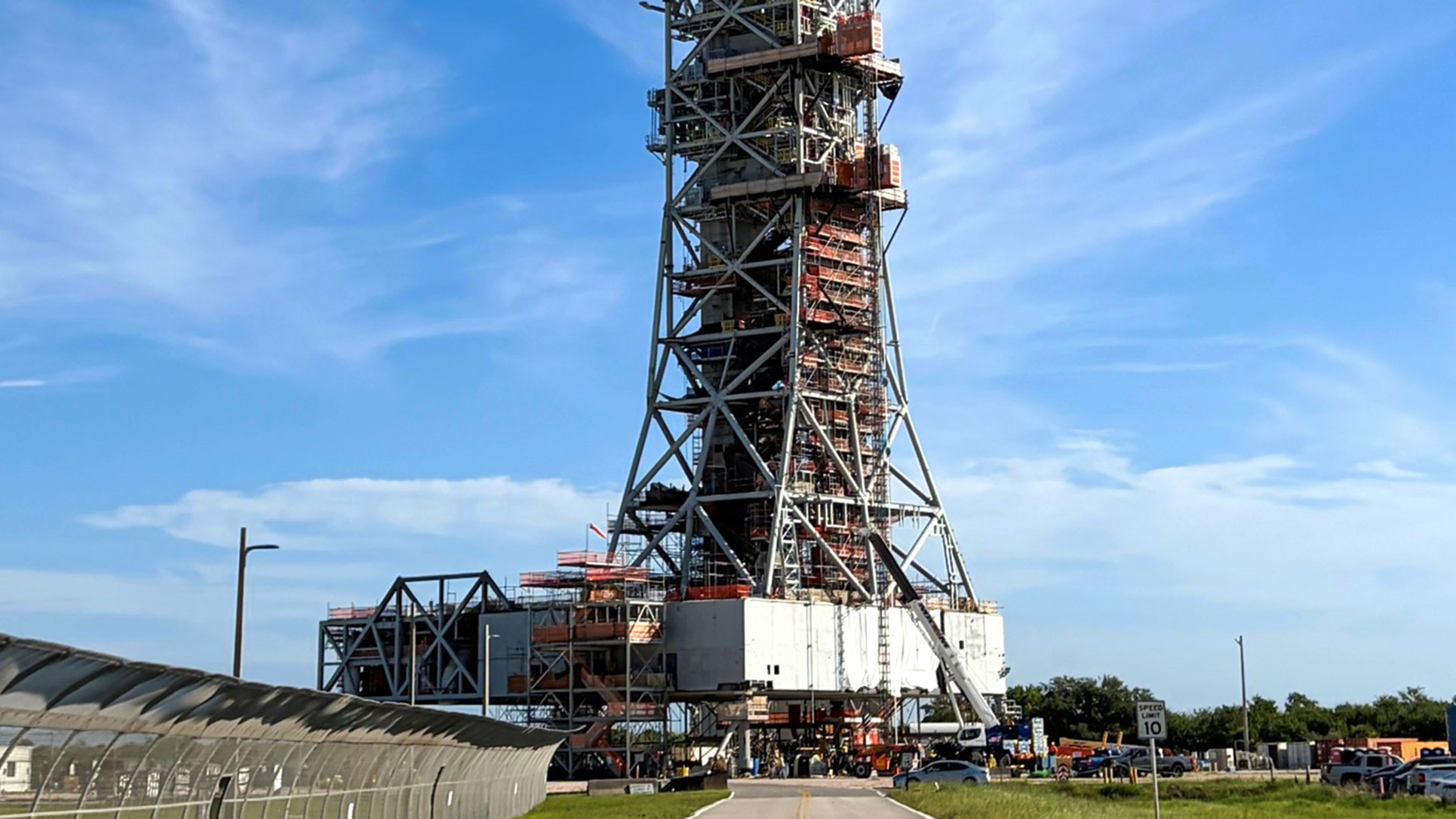
The visit of the Artemis III crew to NASA's Kennedy Space Center's Vehicle Assembly Building, as detailed in Source 1, underscores the critical phase of solid rocket booster integration. These boosters are pivotal for launching the Orion spacecraft, which will carry astronauts to lunar orbit and beyond. The presence of astronauts like Randy Bresnik and Luca Parmitano highlights the international dimension of this mission, reflecting a broader trend in space exploration: the blending of expertise and resources across borders.
This international cooperation is further emphasized by the Artemis Accords, which have recently welcomed Albania as the 73rd signatory, as noted in Source 3. The Accords represent a framework for peaceful and cooperative space exploration, establishing norms and principles that govern activities on the Moon, Mars, and beyond. The inclusion of countries like Albania, which may not have a robust space program, signifies a growing recognition of space as a domain that requires collective stewardship and shared benefits.
Parallel to these diplomatic efforts, NASA's technological advancements continue to evolve. The work at NASA's Dale Reed Subscale Flight Research Laboratory, highlighted in Source 2, demonstrates how grassroots innovation feeds into cutting-edge research. Engineers like Derek Abramson and Justin Hall, who began their journeys building simple radio-controlled aircraft, now contribute to NASA's future aerospace breakthroughs. This narrative of passion meeting precision is a testament to how foundational skills and creativity are crucial for overcoming the complexities of space travel.
Moreover, the recognition of individuals at NASA Ames, as mentioned in Source 4, showcases the diverse talents driving the agency's mission. The contributions of scientists like Aphrodite Kostakis and Steve Ormsby reflect the collaborative and interdisciplinary nature of modern space exploration. Each individual's work, whether in theoretical research or practical application, supports the larger objectives of NASA, reinforcing the idea that space exploration is as much about human ingenuity as it is about technology.
As we connect these dots, it becomes clear that NASA's current trajectory involves a blend of technological innovation, international diplomacy, and a reliance on the personal dedication of its workforce. The Artemis program stands as a beacon of this multifaceted approach, encapsulating the challenges and triumphs of modern space exploration.
Looking forward, the implications of these initiatives are profound. They set the stage for a new era where space exploration is not just a national or competitive endeavor but a global one. The Artemis Accords could serve as a blueprint for how countries engage with space, fostering an environment that balances competition with cooperation.
In conclusion, as NASA propels itself towards these ambitious goals, the intertwining of technology, policy, and human capital becomes increasingly evident. The future of space exploration will likely depend on this delicate balance, where each element supports and enhances the others, paving the way for humanity's next giant leap.