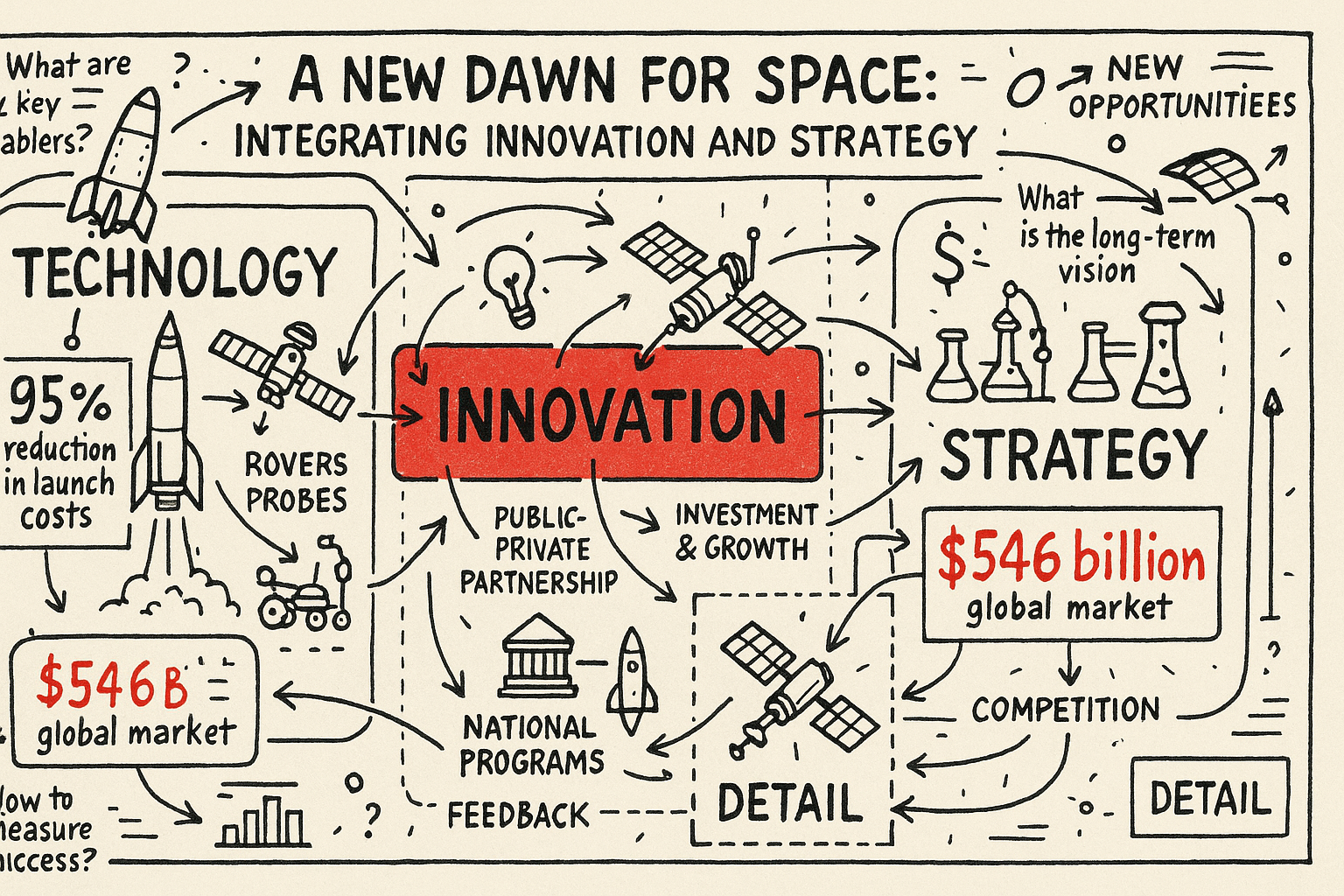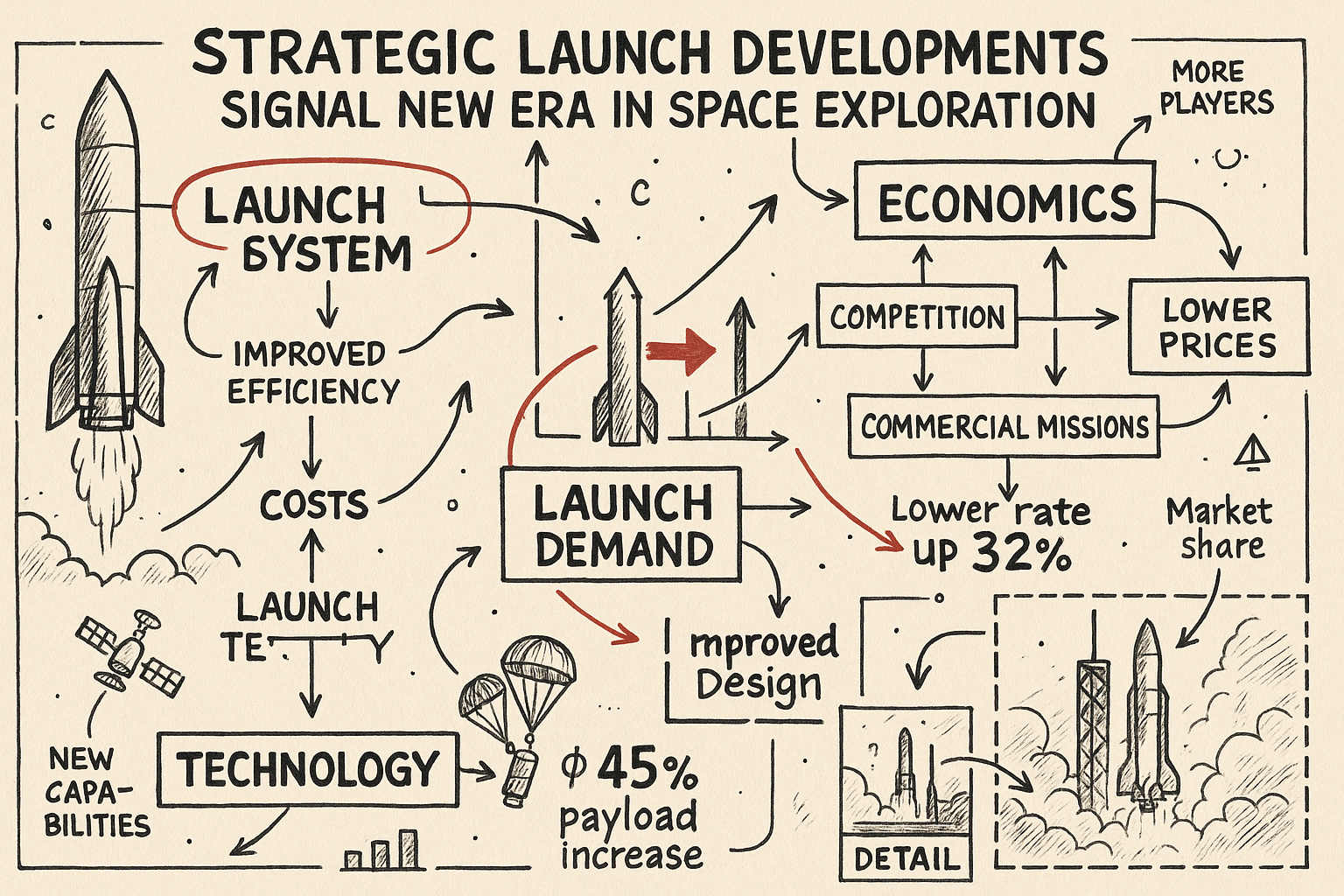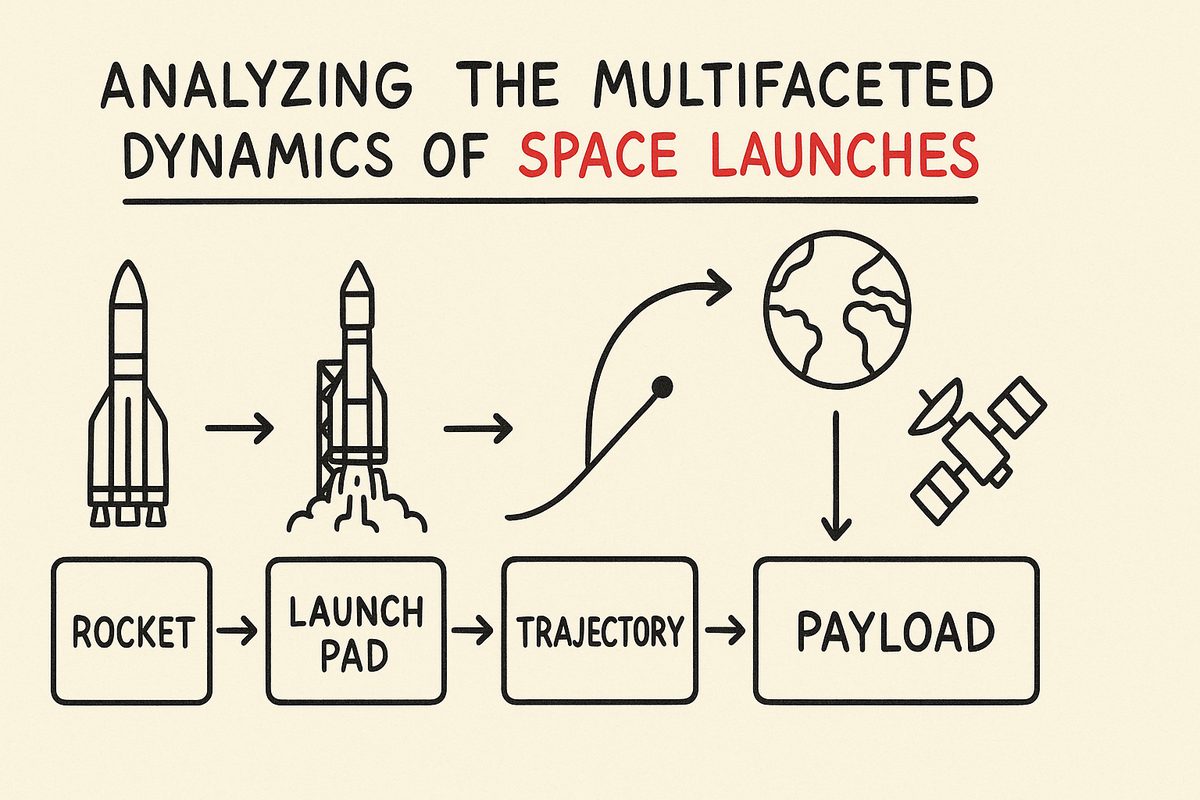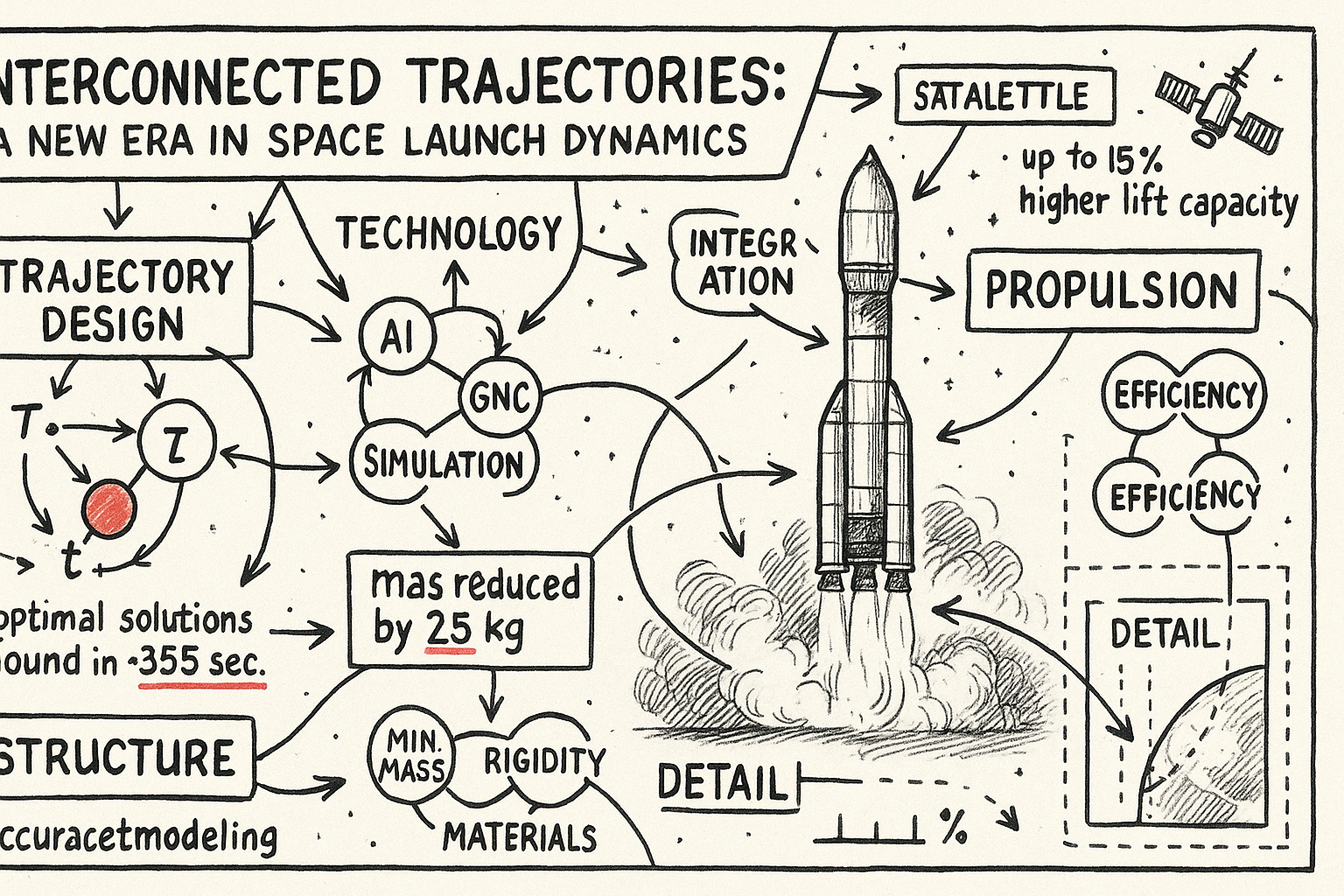
The landscape of space launches is undergoing a transformative shift, characterized by increased international collaboration, technological innovation, and a focus on sustainability. Recent developments underscore these trends, presenting a multi-faceted picture of the modern space industry.
One prominent example is the new partnership between Isar Aerospace and Maritime Launch Services to construct a dedicated launch complex at Spaceport Nova Scotia. This $112.5 million USD deal signifies not only a financial commitment but also a strategic alignment between Canada and Germany, reflecting the growing trend of cross-border collaborations in space technology. Such partnerships are crucial as they allow sharing of technical expertise, reduce costs, and accelerate project timelines.
In tandem with infrastructure developments, the pursuit of scientific advancement continues unabated on the International Space Station (ISS). The recent completion of vein scans and cartilage engineering exemplifies the dual role of the ISS as a hub for both human spaceflight and scientific research. As the ISS prepares for its next crew launch, it highlights the enduring importance of space stations in fostering international cooperation and scientific breakthroughs.
Meanwhile, the Canadian Space Agency's contract with MDA Space to build a $688 million RADARSAT replenishment satellite marks a significant investment in Earth observation capabilities. By integrating with the existing RADARSAT Constellation Mission, this project ensures the continuity of critical data for environmental monitoring and resource management, underscoring the strategic importance of space assets in addressing terrestrial challenges.
Commercial ventures are also gaining momentum, as evidenced by a Japanese company's booking of 1,100 pounds of cargo space on a SpaceX Starship mission to the moon. This move highlights the growing role of private companies in space exploration, with SpaceX's reusable launch technology making such missions more economically viable. The implications are profound, as they pave the way for increased commercial activity in lunar exploration and beyond.
The James Webb Space Telescope, celebrating its fourth anniversary, continues to captivate with its stunning images and scientific discoveries. This milestone serves as a reminder of the long-term impact of space missions, which often extend well beyond their initial objectives, contributing to our understanding of the universe in unexpected ways.
Amidst these developments, the advancement of projects like Vast's Haven-1 space station, slated for a 2027 launch, points to the future of human habitation in space. As these stations progress through key milestones, they represent a shift towards more permanent and versatile platforms in orbit, facilitating a range of activities from research to tourism.
One surprising aspect of these collective efforts is the increasing integration of citizen science into space programs. With NASA's Zooniverse reaching 1 billion classifications, the role of public participation in scientific research is being redefined. This democratization of data analysis not only enriches scientific research but also fosters a global community engaged in space exploration.
In conclusion, the current trajectory of space launches is defined by a rich tapestry of collaboration, innovation, and public engagement. As nations and companies alike invest in the next frontier, the potential for breakthroughs in science, technology, and international relations is immense. The interconnected nature of these efforts suggests that the future of space exploration will be as collaborative as it is competitive, promising a new era of discovery and understanding.