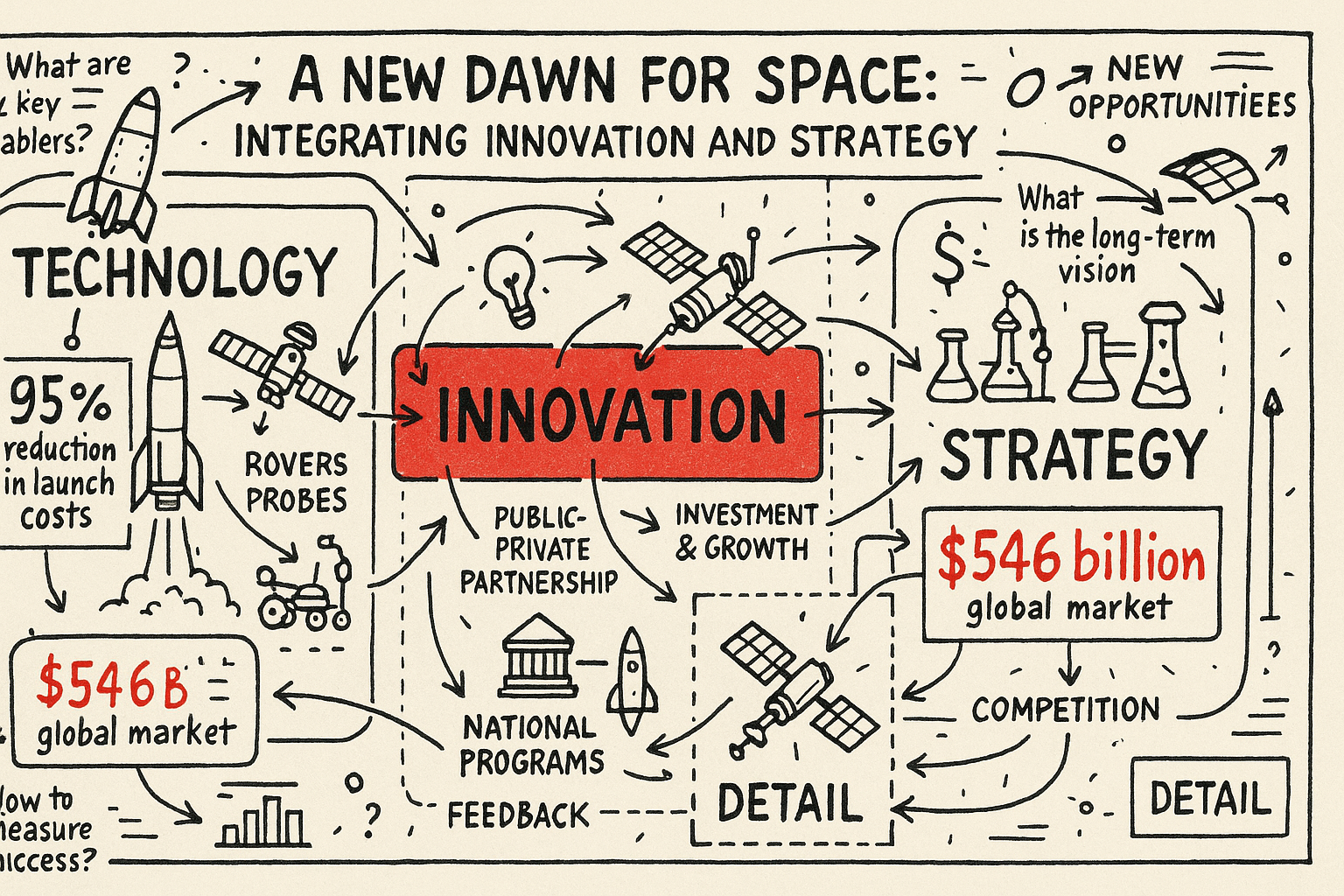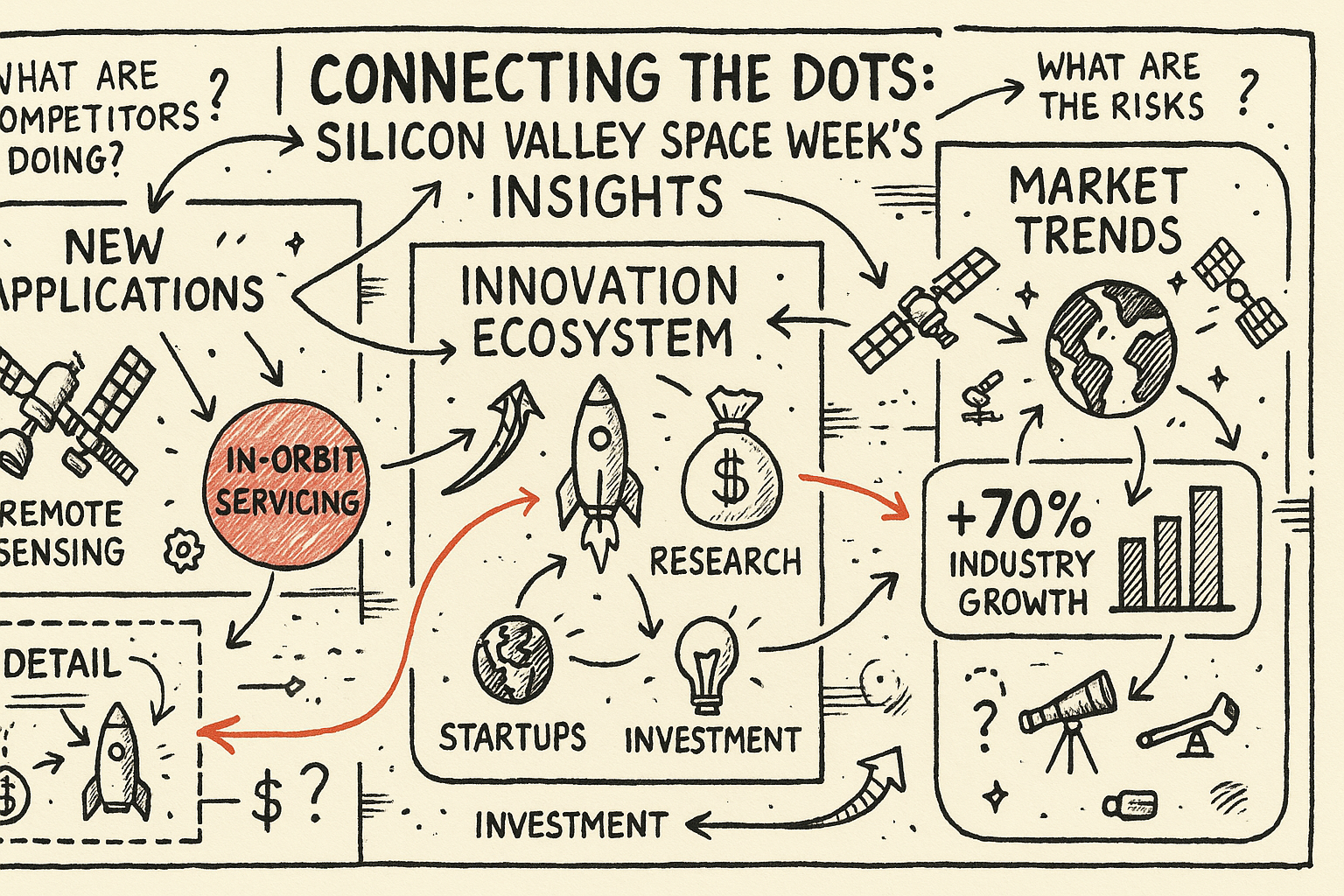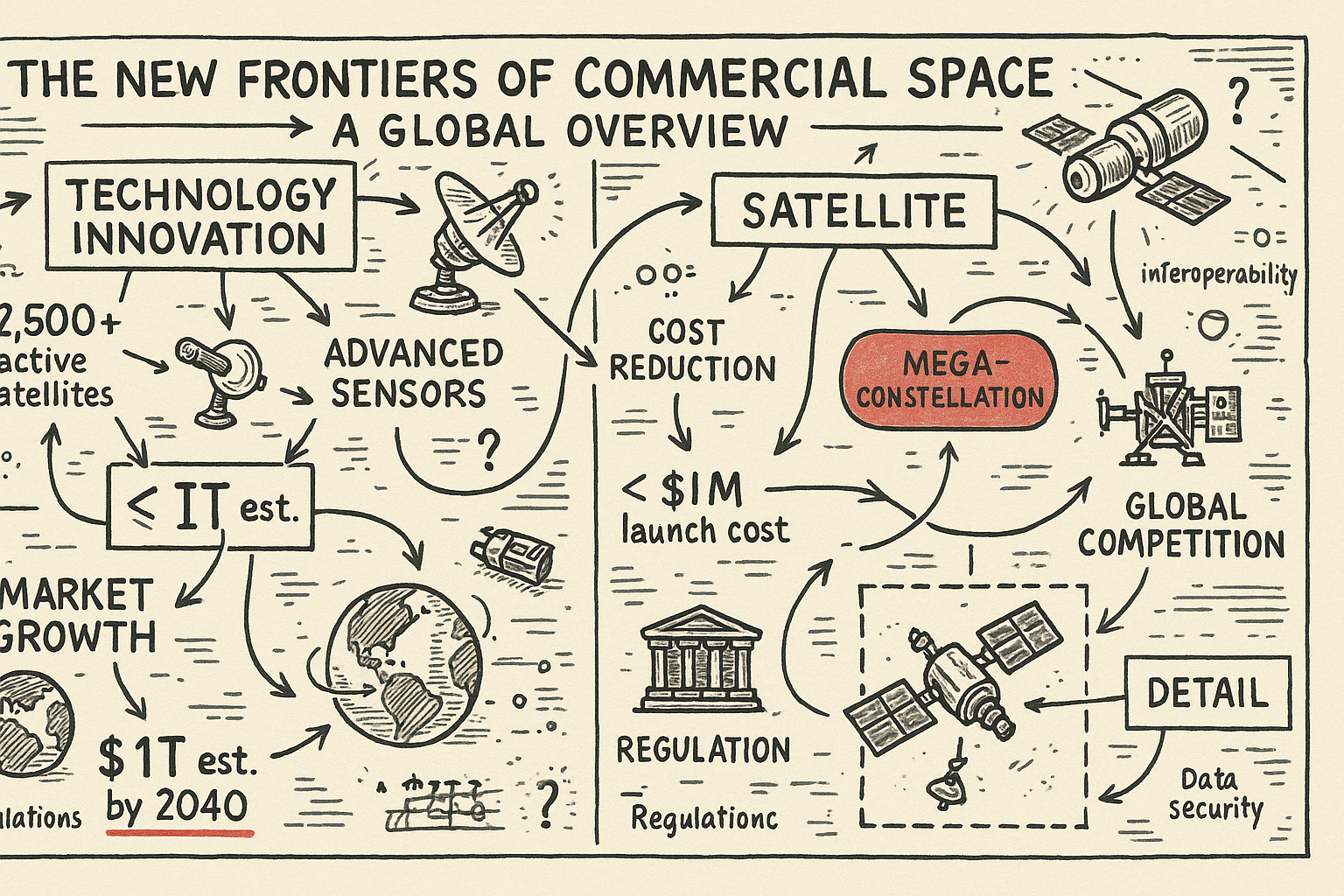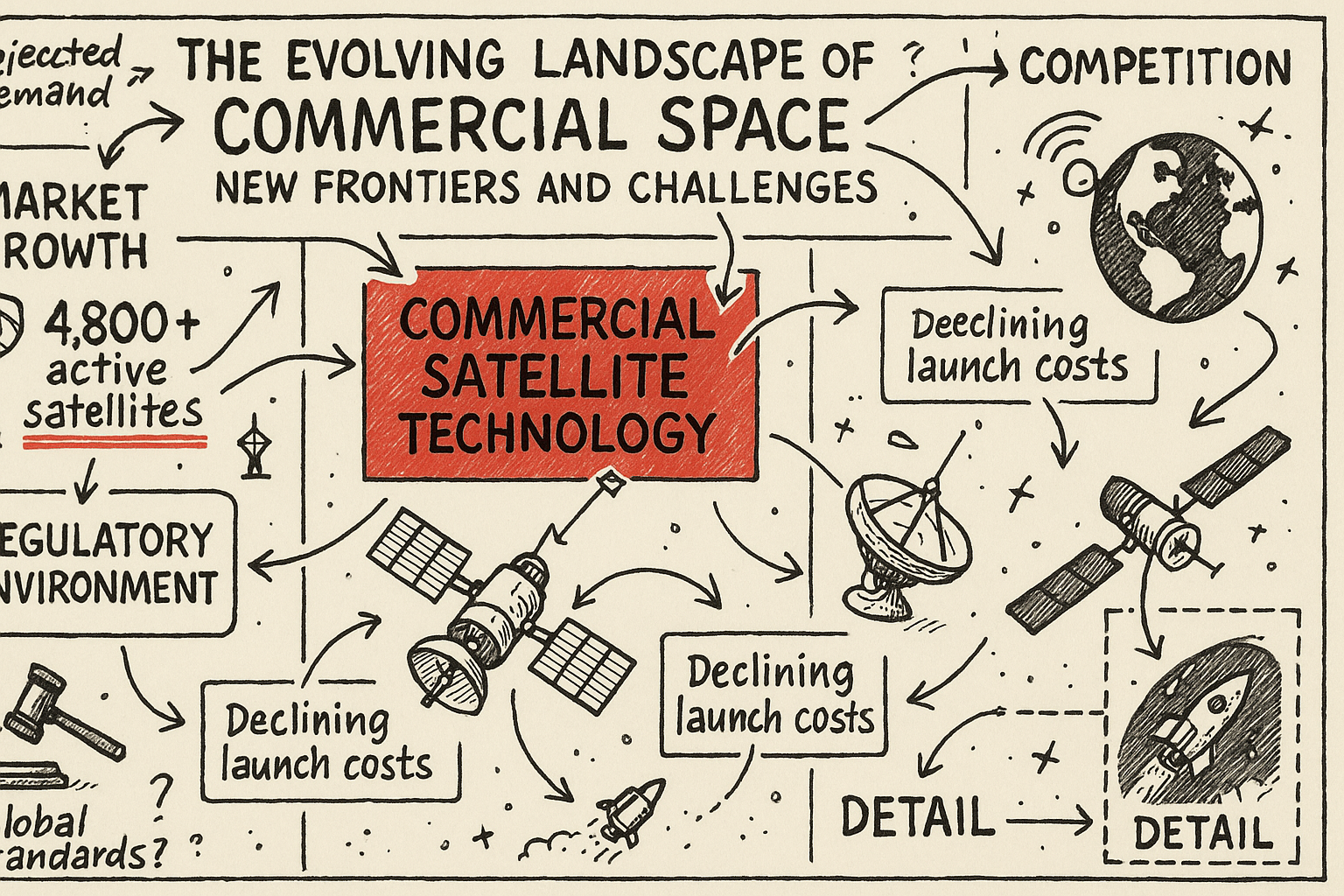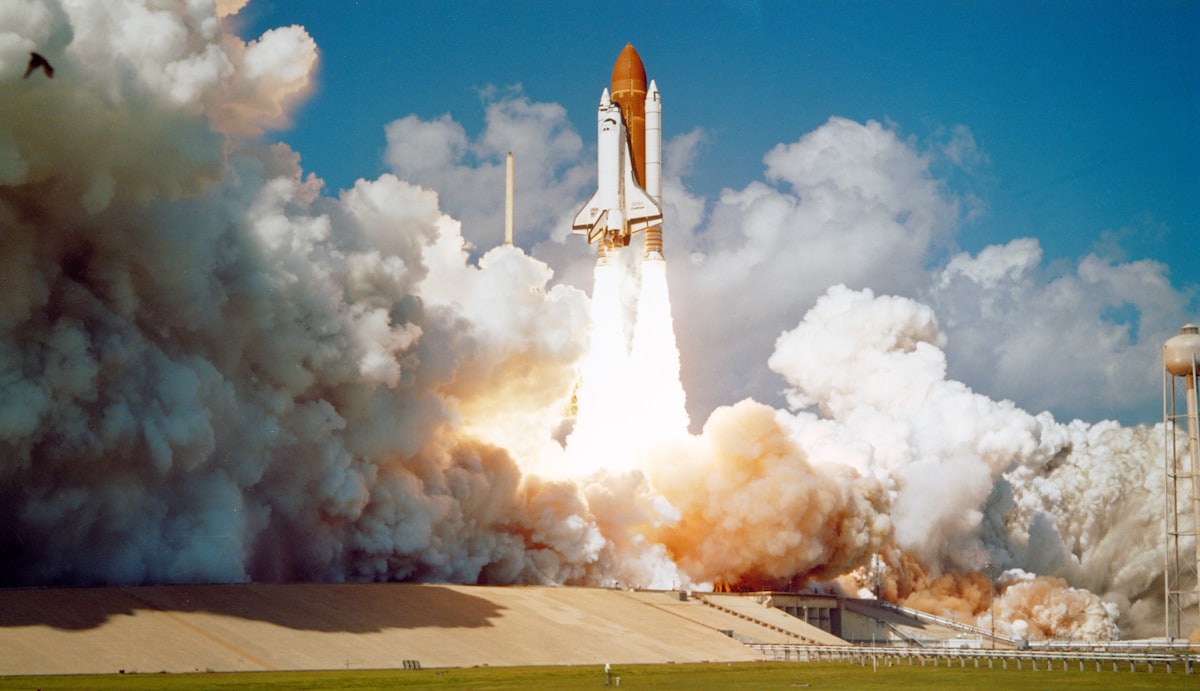
The commercial space industry is undergoing a profound transformation, driven by innovation, strategic partnerships, and emerging market demands. Recent developments highlight a dynamic landscape where traditional boundaries are being redefined, and new opportunities are emerging. From AST SpaceMobile's potential use of ULA's Vulcan rocket to Virgin Galactic's reaffirmed plans for commercial service, the sector is poised for significant growth.
Strategic Collaborations and Expansions
AST SpaceMobile's consideration of United Launch Alliance's Vulcan rocket marks a notable shift in launch strategies, underlining the growing importance of strategic partnerships. As companies seek reliable and efficient launch options, collaboration with established players like ULA can provide a competitive edge. Similarly, Iridium's acquisition of Aireon for $367 million aims to enhance aviation safety services, showcasing how mergers and acquisitions are pivotal in expanding market capabilities and services.
Innovation and Technological Advancements
Innovation remains a cornerstone of the commercial space industry. Landspace's successful launch of the improved Zhuque-2E rocket and the Long March 6A's deployment of the Qianfan satellite group demonstrate significant advancements in launch technology. These developments not only increase launch efficiency but also provide more options for satellite deployment, catering to diverse customer needs.
Challenges in Data Management
Despite technological progress, challenges persist, particularly in managing Earth observation data. As highlighted in recent reports, data is frequently getting 'stuck' in orbit, indicating a need for improved data transmission and processing capabilities. Addressing these challenges is crucial for maximizing the utility of satellite data and supporting various industries reliant on timely and accurate information.
Investment and Market Dynamics
Investment dynamics are also shifting, as exemplified by Blue Origin's consideration of external funding for the first time. This move reflects a broader trend of private space companies seeking additional financial resources to support ambitious projects and maintain competitive positioning. Concurrently, Virgin Galactic's commitment to commencing commercial services signifies a growing confidence in the space tourism market, despite previous setbacks.
A Vision for the Future
These developments collectively paint a picture of a vibrant and evolving commercial space sector. Industry experts, like Chris Quilty, anticipate continued growth and diversification, with emerging technologies and business models shaping the future. As space becomes more accessible, the potential for new applications and services will likely expand, driving further investment and innovation.
The convergence of collaboration, innovation, and investment is setting the stage for a new era in commercial space. Companies are increasingly leveraging partnerships, advancing technologies, and exploring new markets, positioning themselves for success in a rapidly changing environment.