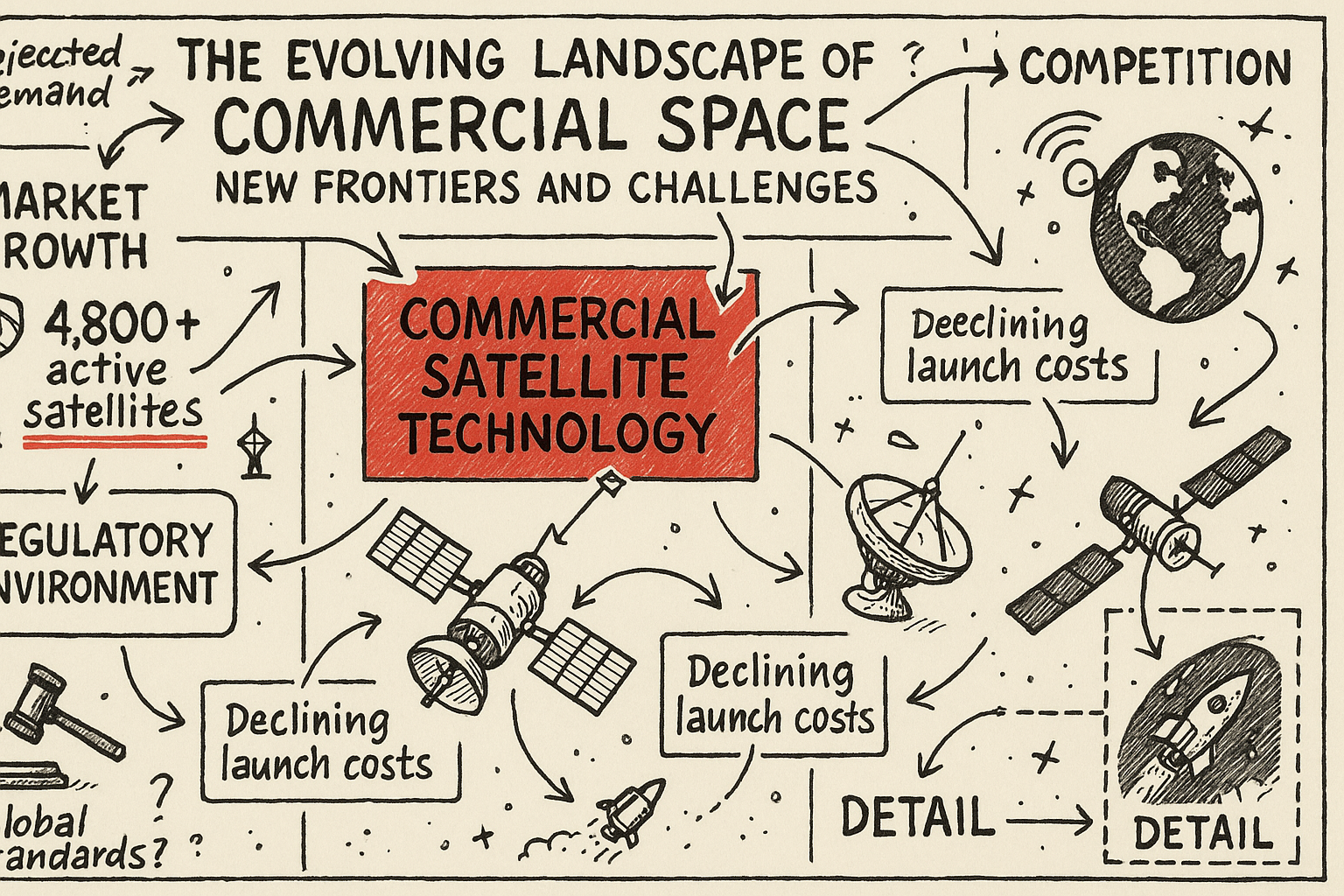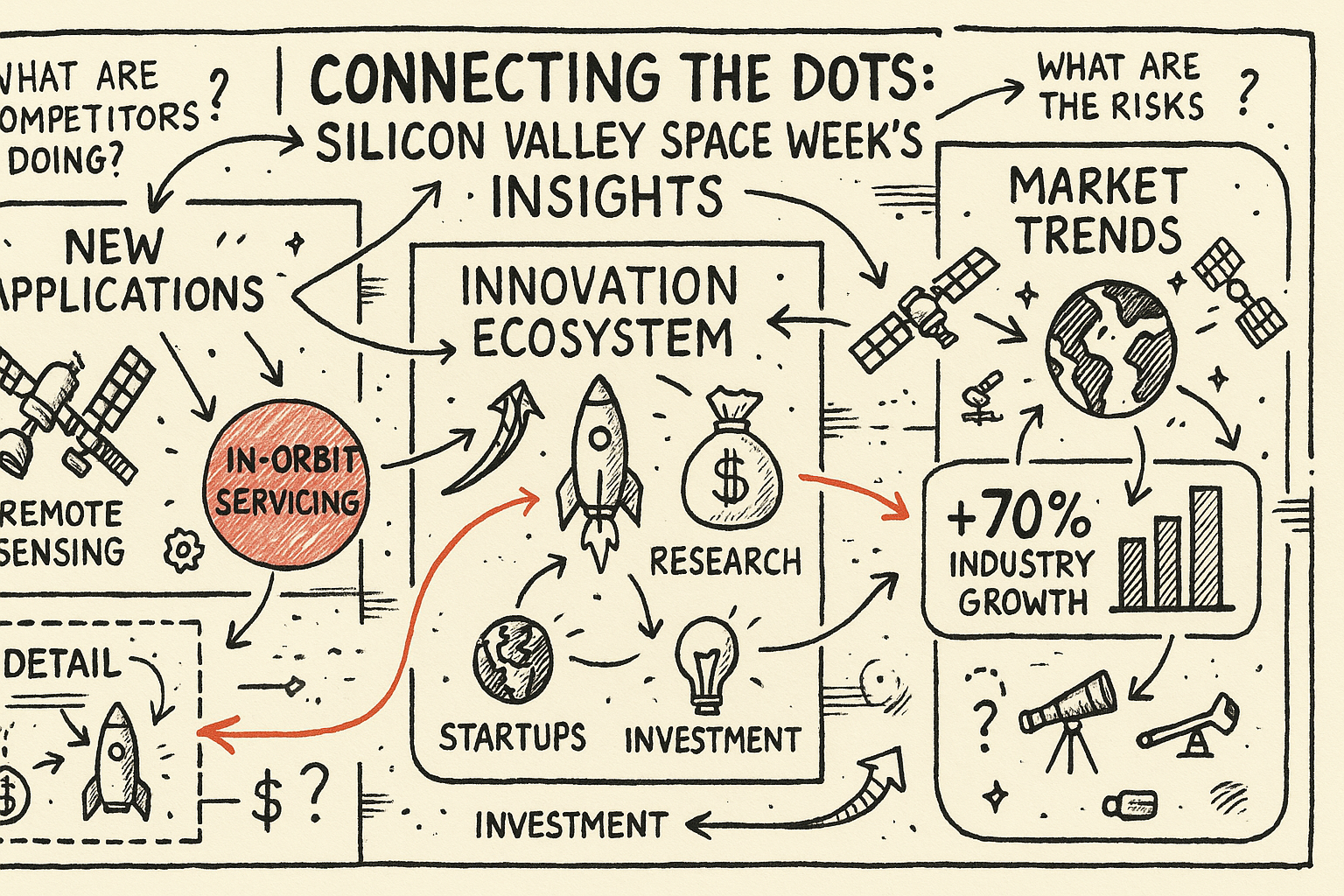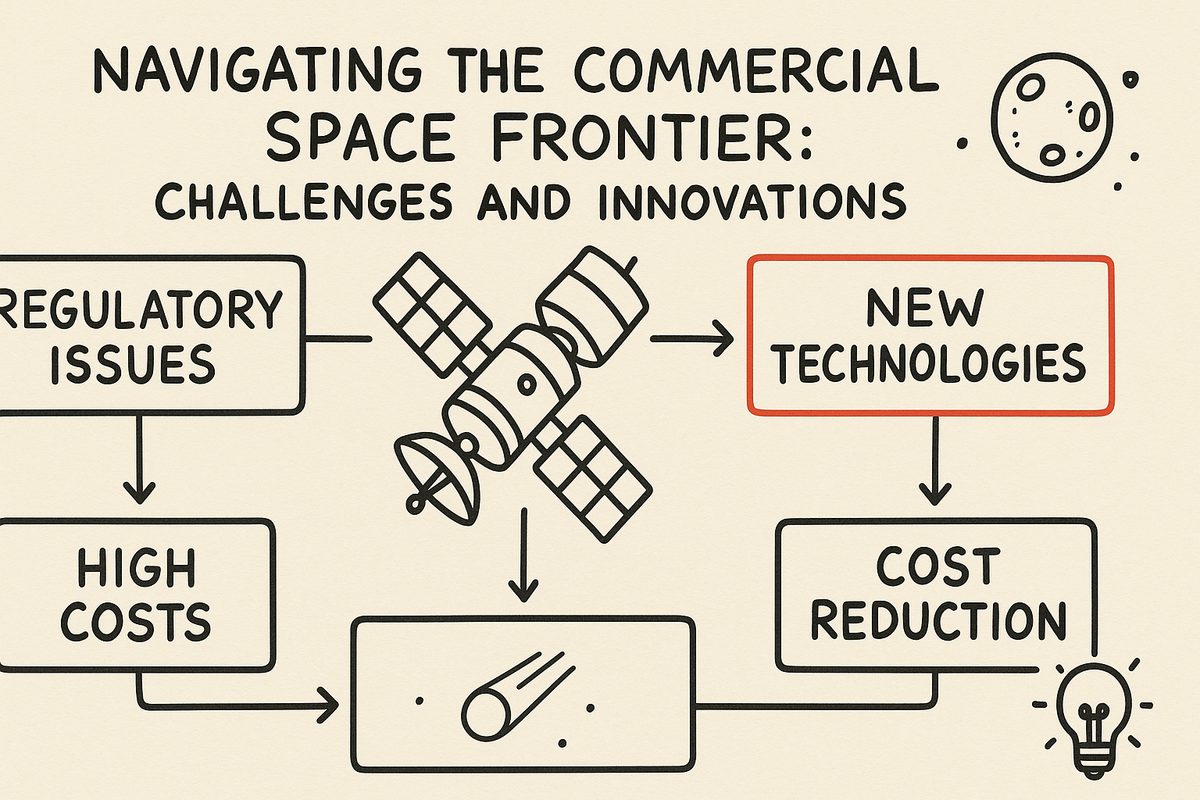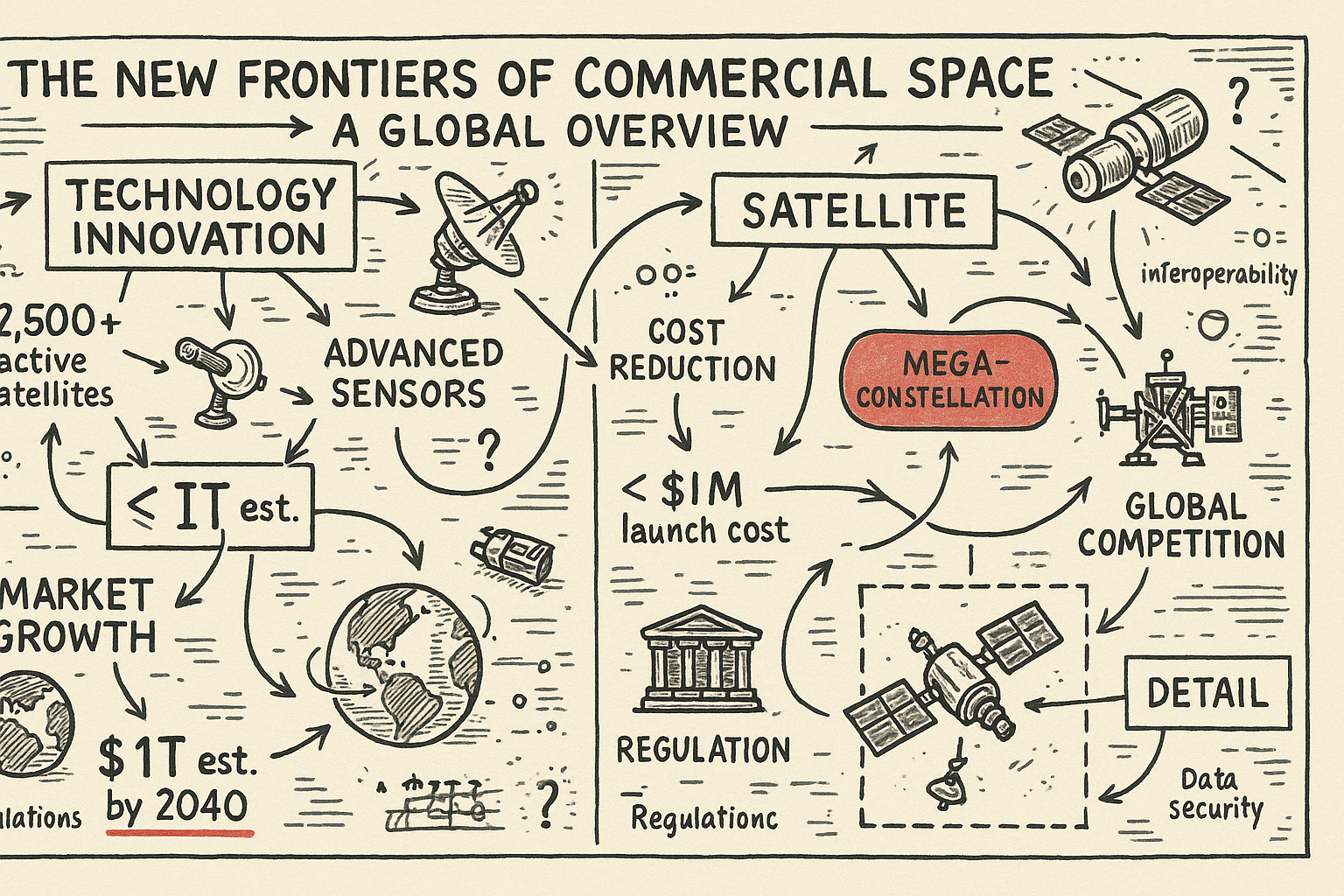
The commercial space sector is undergoing a profound transformation, characterized by an unprecedented global cooperation and technological advancement. From the emergence of very low Earth orbit (VLEO) initiatives in China to the strategic deployments of satellites by European startups, the industry is rapidly diversifying its portfolio and capabilities.
VLEO: A New Arena for Innovation
China's recent establishment of a national VLEO industry alliance marks a significant step in the evolution of satellite technology. Operating satellites below 300 kilometers presents unique challenges and opportunities, including reduced latency and improved resolution for Earth observation. This initiative not only underscores China's ambition to lead in cutting-edge space technology but also reflects a broader trend towards leveraging low orbital altitudes for enhanced commercial applications.
Surprisingly, the interest in VLEO is not confined to traditional space powerhouses. Smaller nations and companies are increasingly exploring these orbits, seeking competitive advantages in data gathering and communication services. This democratization of space access is a testament to the technological advancements that have lowered barriers to entry.
Revitalizing Satellite Ventures
Across the globe, companies like SatVu are rebooting their operations to capitalize on the growing demand for specialized satellite services. After a setback with its initial satellite, SatVu has relaunched its commercial operations with HotSat-2, focusing on thermal imaging capabilities. This resilience highlights the robust demand for niche satellite services, which are becoming integral to industries ranging from agriculture to disaster management.
Similarly, FOSSA Systems' successful funding round, supported by the Spanish government, emphasizes the strategic importance of satellite constellations in national and international connectivity goals. This move aligns with a broader European strategy to ensure sovereign satellite communication capabilities, reducing reliance on external providers.
Technological Synergies and Defense Applications
The intersection of commercial and defense satellite technologies is increasingly evident. The collaboration between Mitsubishi Electric and MDA Space for a Japanese defense satellite illustrates how commercial satellite capabilities are being harnessed for national security purposes. The integration of advanced digital payloads and antennas signifies a trend towards more sophisticated, dual-use satellite technologies that serve both civilian and military needs.
Lyntris' acquisition of the robotics firm Novium further reinforces this trend. By enhancing its satellite offerings with advanced robotics capabilities, Lyntris is positioning itself to cater to both commercial and defense markets. This strategic move highlights the blurring lines between commercial and military satellite applications, driven by technological innovation.
Addressing Emerging Challenges
As the commercial space sector expands, new challenges such as signal jamming and spoofing have emerged. Companies like Iridium are actively developing solutions to protect satellite communications, particularly in the Internet-of-Things and direct-to-device sectors. These efforts are crucial for maintaining the integrity and reliability of satellite-based services, which are increasingly vital to our daily lives.
Moreover, initiatives like Tototheo Global's deployment of SES FlexMaritime connectivity services highlight the growing importance of reliable maritime communication. The integration of satellite networks with maritime operations ensures that industries reliant on maritime transport can operate with greater efficiency and safety.
The Road Ahead
The trajectory of the commercial space industry is clear: increased international collaboration, technological innovation, and the expansion of satellite applications into new domains. As countries and companies alike invest in space technologies, the global landscape is poised for a new era of connectivity and exploration.
One counterintuitive insight from this analysis is the growing role of smaller nations and startups in shaping the future of space. Traditionally dominated by superpowers, the space industry is now witnessing a shift where agility and innovation from smaller players can significantly influence global trends.