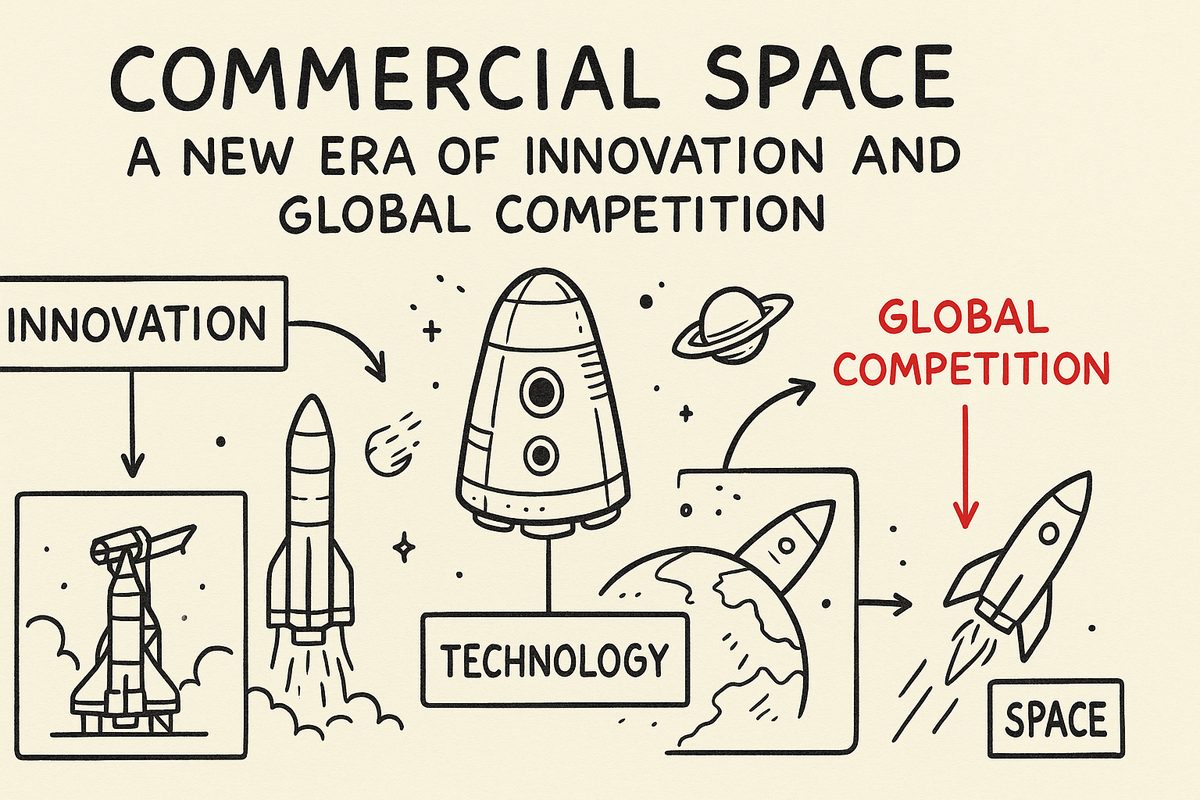
The commercial space sector is at a pivotal juncture, teetering on the brink of unprecedented innovation and global competition. A synthesis of recent developments reveals a landscape where new technologies and strategic alliances are redefining the boundaries of possibility and the dynamics of power in space.
China's Reusable Rockets: A Leap in Technology
China is poised to make significant strides with the launch of its new and reusable rockets. As state-led and commercial entities prepare for debut launches, China is not only advancing its technological prowess but also asserting its position in the global space race. These reusable rockets are designed to reduce costs and increase the frequency of launches, a strategy that has been effectively utilized by SpaceX in the West.
This development marks a shift in China's approach to space technology, moving from traditional expendable rockets to more sustainable and cost-efficient models. The implications are profound, as this could intensify the competition between China and other major players like the United States and Europe.
SpaceX and the Strategic Satellite Network
Meanwhile, SpaceX has secured a substantial $4.16 billion contract from the U.S. Space Force to build a satellite network for tracking airborne threats. This low-Earth orbit constellation will enhance national security by providing real-time data on aircraft and cruise missiles. This collaboration underscores the strategic importance of commercial partnerships in national defense, highlighting how the private sector is increasingly pivotal in maintaining geopolitical stability.
The investment in such a network is not only a testament to SpaceX's capabilities but also a recognition of the commercial sector's role in bolstering military operations.
Financial Innovations: Space Markets
An intriguing development in the commercial space arena is the emergence of Space Markets, backed by Coinbase Ventures. This platform aims to create a market for trading future space assets, akin to existing futures markets for commodities like oil and gold. This innovation could democratize access to space investments, allowing a broader range of stakeholders to participate in the burgeoning space economy.
Such financial instruments could drive new capital into the industry, facilitating the development of groundbreaking technologies and projects.
Expanding Infrastructure and Capabilities
In parallel, companies like Anuvu and Archangel Lightworks are enhancing infrastructure and capabilities. Anuvu's agreement with Eutelsat for in-flight connectivity services and Archangel Lightworks' successful demonstration of an optical ground station exemplify the growing demand for reliable communication and data transfer technologies. These advancements are crucial for supporting the increasing number of satellites and space missions.
Moreover, the UK's inauguration of the Borealis software for space domain awareness represents a commitment to safeguarding space assets and monitoring orbital activities. These initiatives highlight the critical role of infrastructure in ensuring the sustainability and safety of space operations.
Strategic Shifts and Global Implications
Satellogic's $18 million defense-monitoring contract signifies a strategic pivot towards persistent monitoring capabilities. This shift is indicative of a broader trend where commercial entities are aligning their offerings with governmental and defense needs, thereby securing substantial contracts and ensuring long-term growth.
Collectively, these developments suggest that the commercial space sector is not merely following a linear path of growth but is instead evolving through strategic collaborations, technological innovations, and financial ingenuity.
As nations and companies vie for dominance, the interplay between commercial interests and governmental policies will dictate the future trajectory of space exploration and utilization.