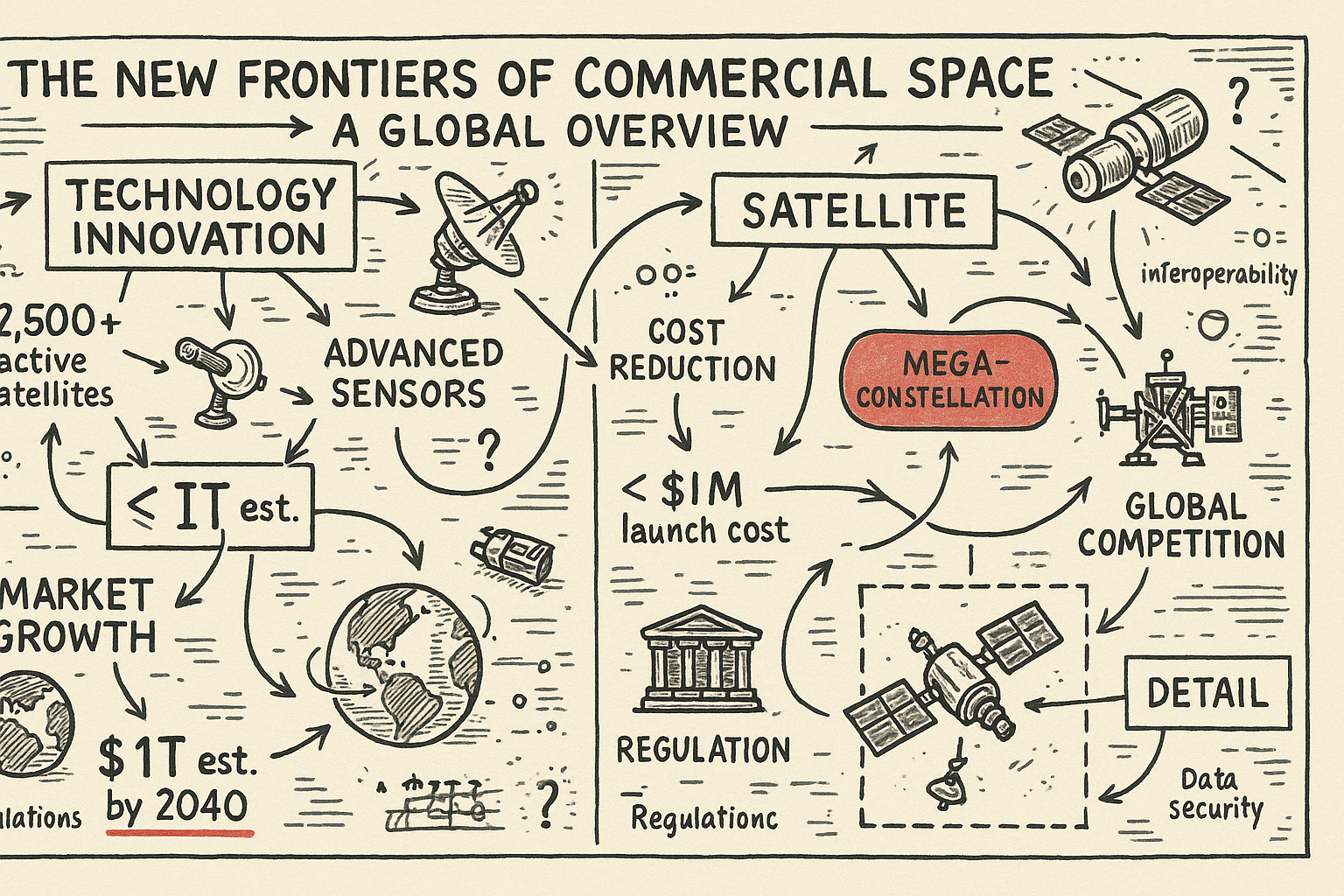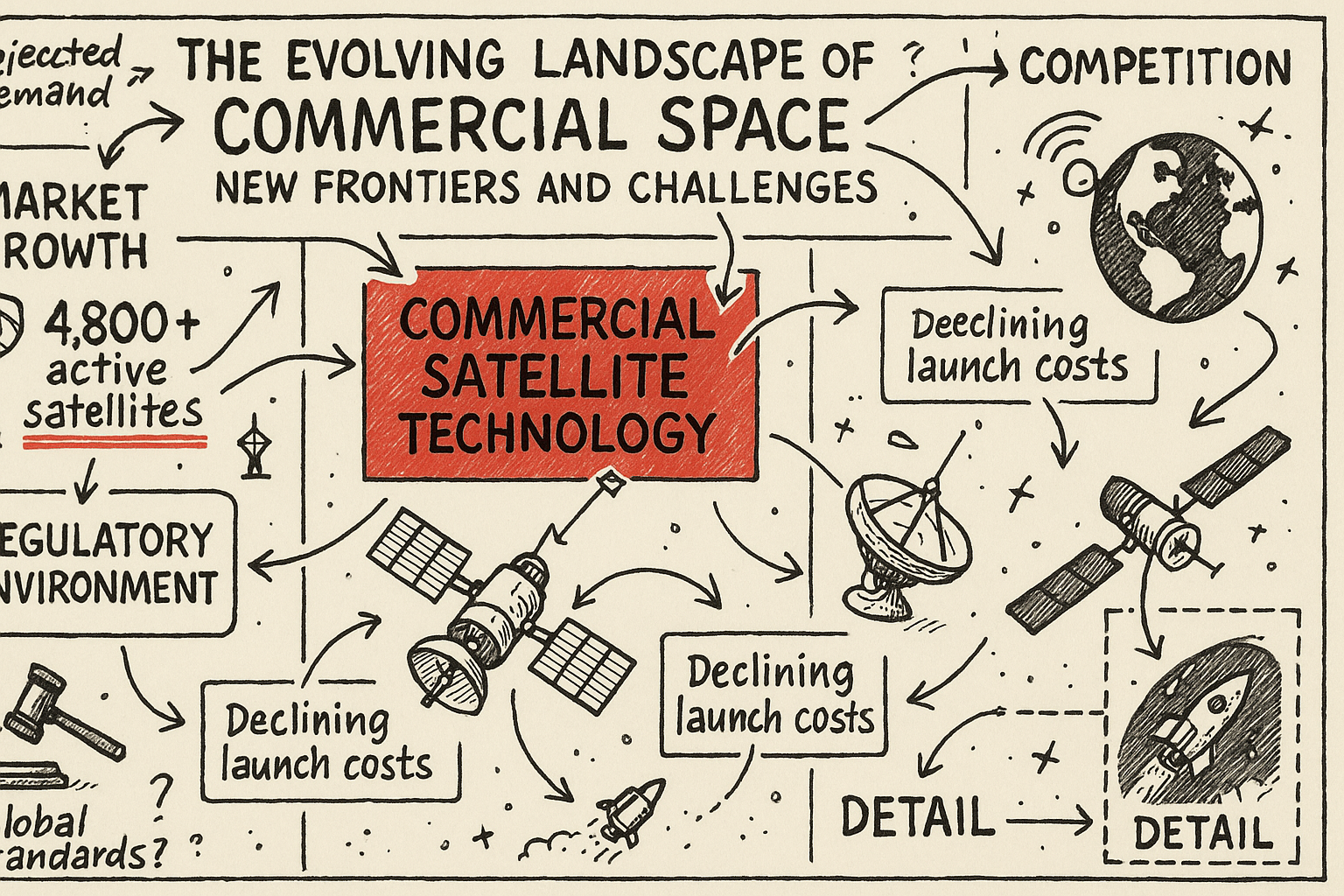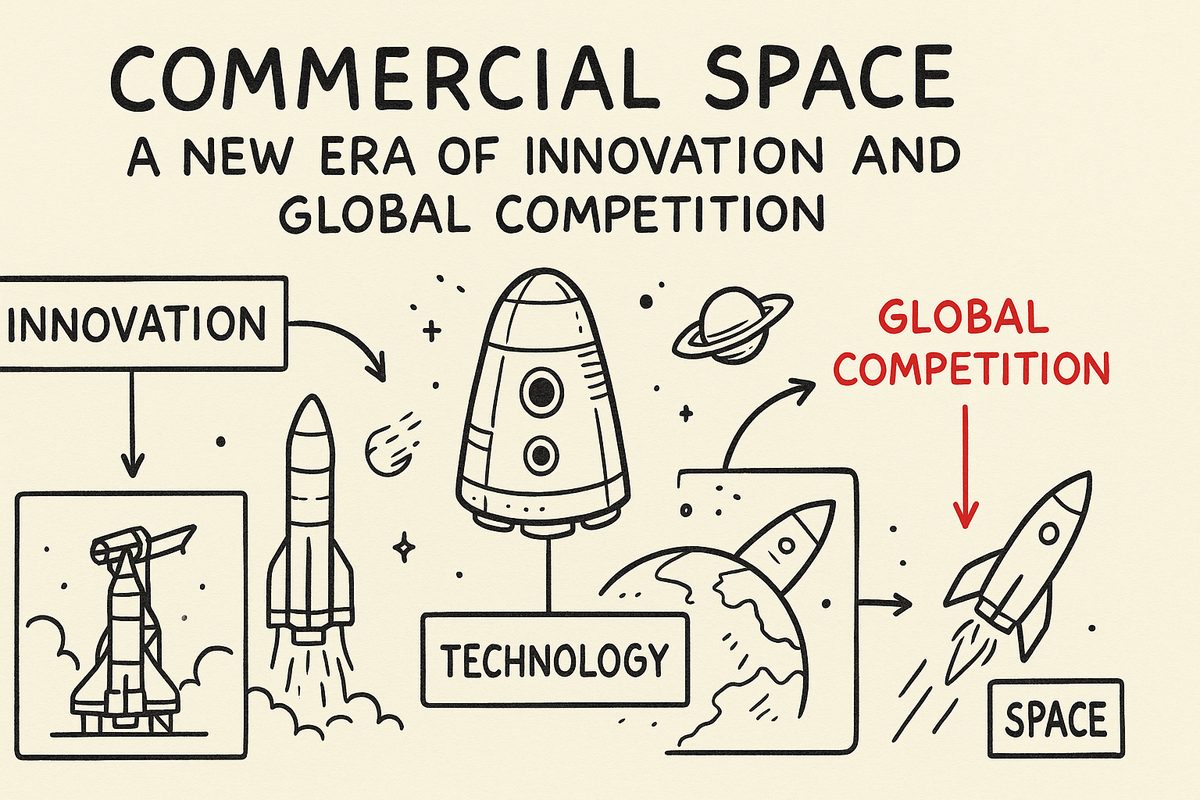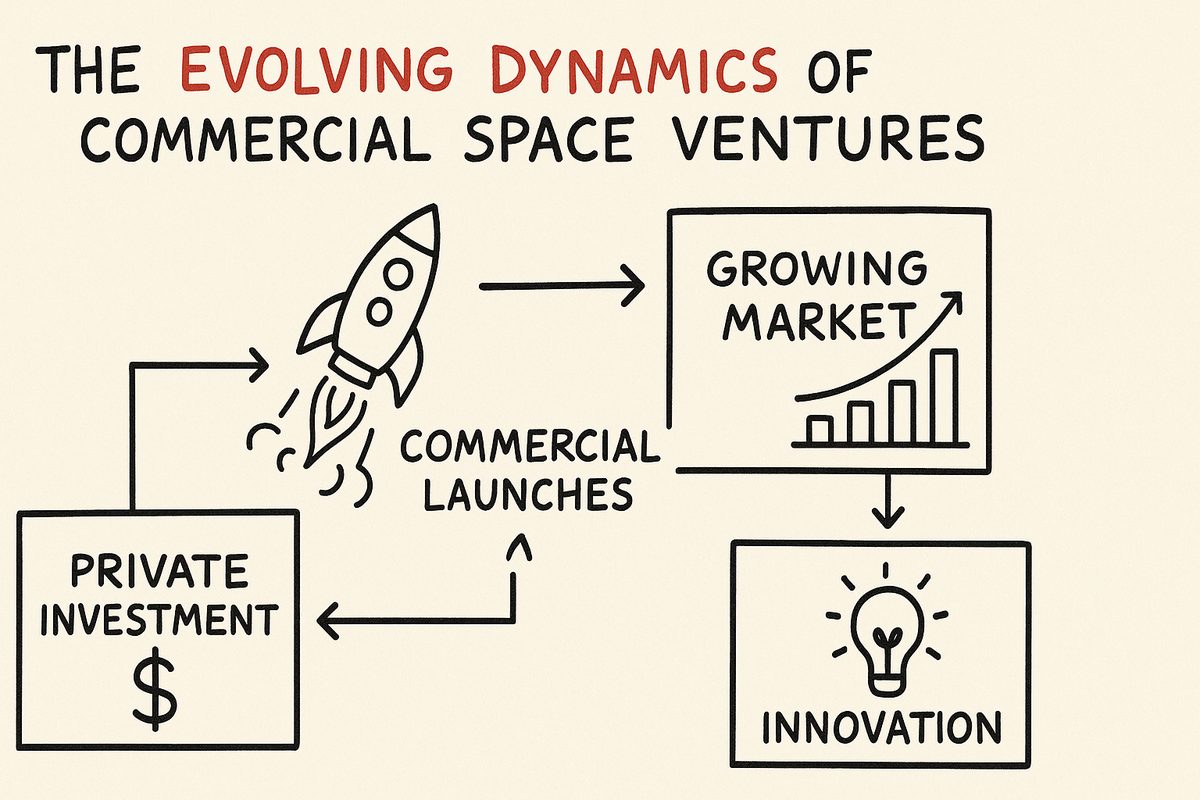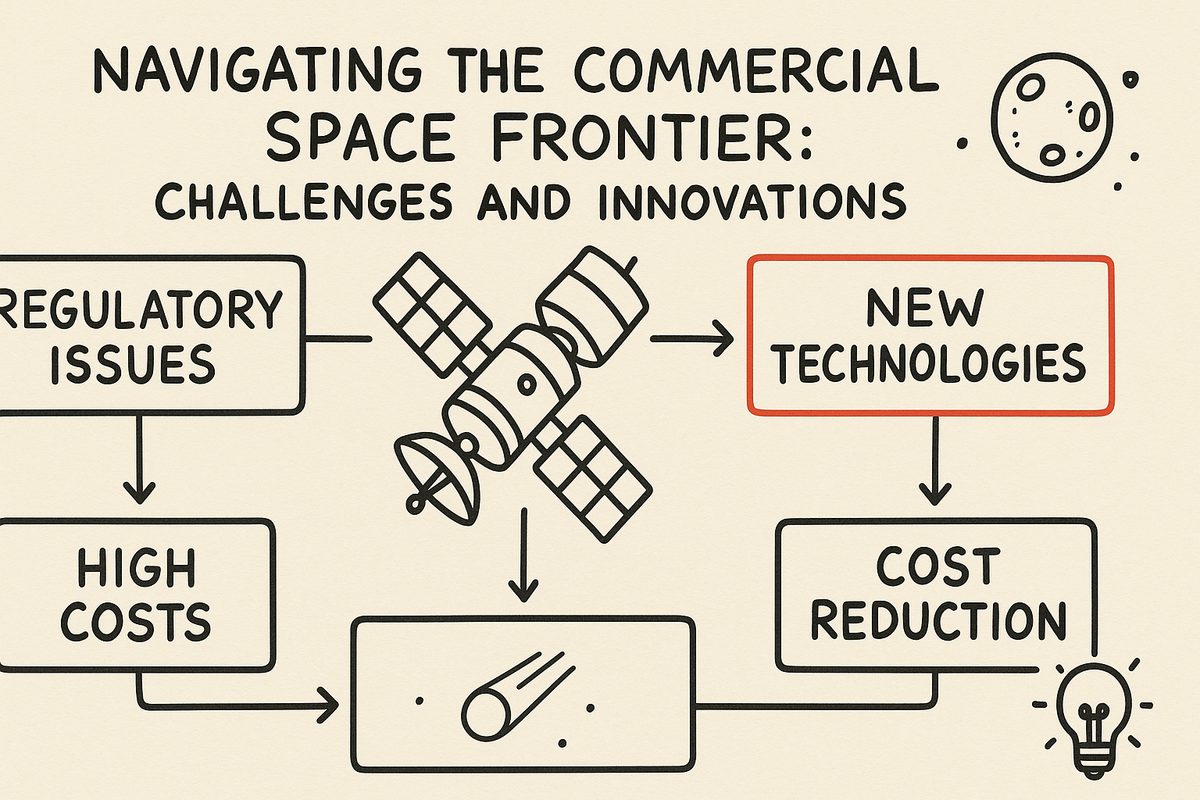
The commercial space sector is undergoing a transformative phase, driven by technological innovation, policy shifts, and an increasing number of players entering the market. Recent developments in propulsion, satellite technology, and spectrum allocation reveal both opportunities and challenges for companies navigating this burgeoning industry.
Advancements in Satellite Technology
One notable advancement is Virgin Media O2's expansion of its Direct-to-Device (D2D) service, now supporting iPhones using SpaceX’s Starlink Mobile constellation. This move underscores a growing trend towards integrating satellite connectivity with consumer electronics, a leap that could redefine mobile communication paradigms. However, this growth is not without its hurdles. Europe's proposal to reserve two-thirds of the 2 GHz mobile satellite spectrum for European operators could disrupt SpaceX’s plans and complicate Viasat’s European Aviation Network, highlighting the impact of regulatory shifts on commercial strategies.
The Propulsion Imperative
Propulsion remains a critical focus, with Stellar Alpina’s recent $4.5 million funding round to develop rotating detonation engines showcasing the sector's drive towards more efficient and powerful propulsion systems. These engines promise greater thrust with reduced fuel consumption, potentially revolutionizing satellite launch and maneuverability. Similarly, the Golden Dome initiative emphasizes propulsion as a foundational element of missile defense, suggesting a broader application of advanced propulsion technologies beyond traditional aerospace uses.
On-Orbit Servicing and Connected Technologies
The shift towards sustainable space practices is evident in Lux Aeterna’s focus on on-orbit servicing. CEO Brian Taylor highlights the problems associated with disposable satellites and the potential for extending satellite lifespans through in-space repairs and upgrades. This approach not only reduces space debris but also maximizes the utility of existing space assets. Meanwhile, the connected car market illustrates the convergence of satellite and terrestrial technologies. The adoption of standards and Non-Terrestrial Networks (NTN) is accelerating the integration of satellite connectivity in automotive applications, as discussed at SmallSat Europe.
Strategic Expansion and Global Growth
Companies like Swissto12 are expanding their leadership teams to target global growth, reflecting an industry-wide trend towards scaling operations and enhancing international collaboration. This strategic expansion is crucial as companies aim to capitalize on emerging markets and diversify their offerings in a competitive landscape.
In summary, the commercial space sector is at a pivotal juncture, characterized by rapid technological advancements and significant regulatory challenges. The ability of companies to innovate while navigating complex policy environments will determine their success in this dynamic field.