The commercial space sector is undergoing significant transformations, driven by innovative technologies, strategic partnerships, and shifting priorities. Recent developments highlight a dynamic landscape where established players like SpaceX are pushing the boundaries, while new entrants and collaborations aim to redefine satellite operations and space policy.
SpaceX's Starship V3 and the Path Ahead
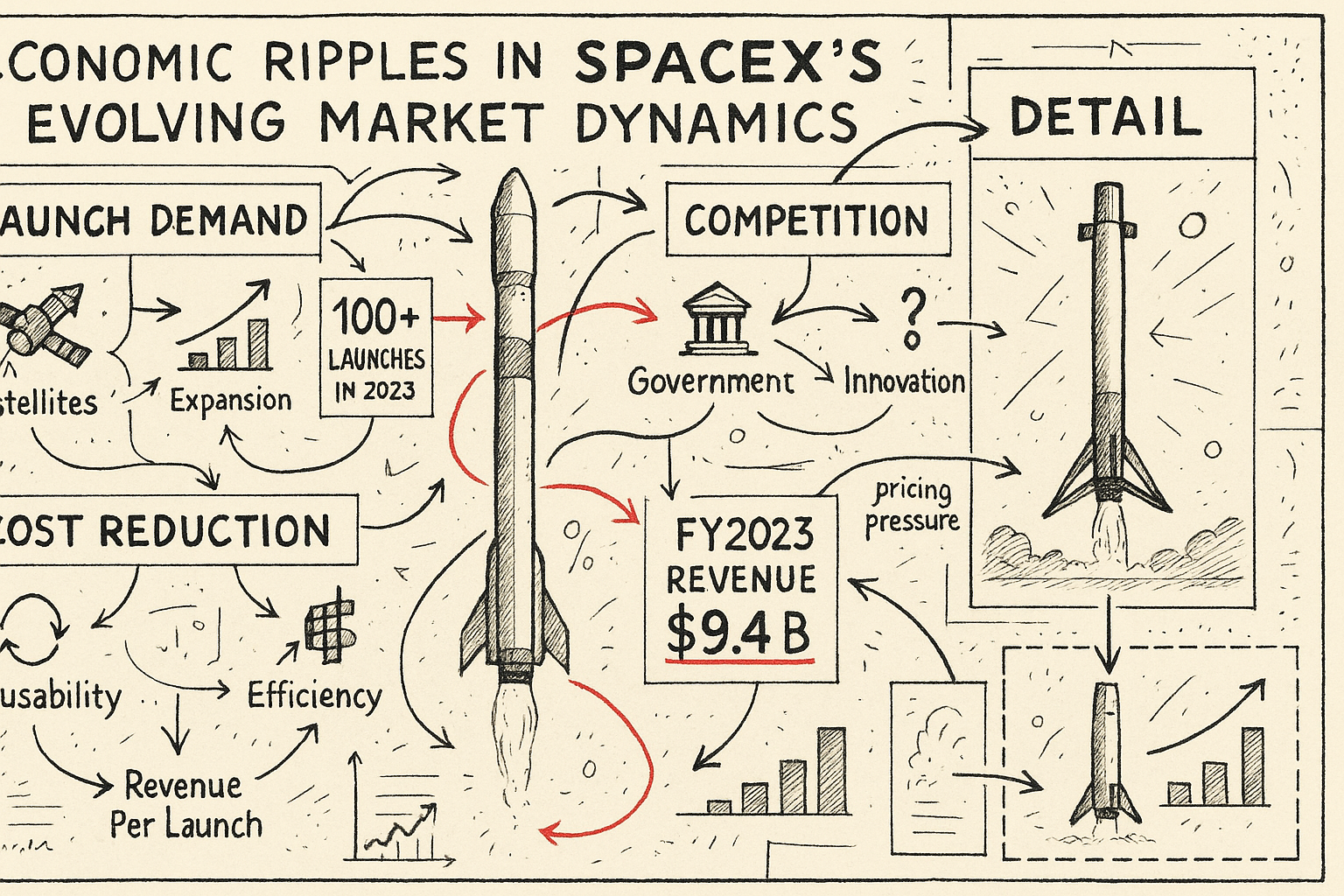
SpaceX continues to lead with its Starship V3 launch vehicle, marking its twelfth test flight. The upgrades in this version signify a leap towards greater payload capacity and enhanced reusability. These advancements are not just technical milestones but strategic moves aligning with SpaceX's broader ambitions, including potential interplanetary missions and robust satellite deployment capabilities. The company's recent filing for an IPO further emphasizes its growth trajectory and the confidence in its financial and operational strategies.
Satellite Refueling and the Future of Orbital Operations
In a notable collaboration, Orbit Fab and Thales Alenia are studying the feasibility of refueling electric-propulsion satellites. This partnership aims to extend satellite lifespans and reduce space debris, a growing concern in low Earth orbit (LEO). The integration of refueling technology with electric propulsion could revolutionize satellite operations, offering more sustainable and cost-effective solutions for operators.
Rideshares and New Market Opportunities
SEOPS's announcement of the Waymaker LEO rideshares, set to launch in 2028, targets a niche market for time-sensitive or non-standard payloads. This initiative addresses gaps in current rideshare offerings, providing flexibility and tailored services for diverse customer needs. As the demand for varied payload deployments increases, such bespoke services could become a critical component of the commercial space ecosystem.
Space Policy and Military Investments
The U.S. Space Force's $437 million award to Viasat and SES for a military satellite network underscores the strategic importance of space in national defense. This investment reflects a broader trend of integrating commercial capabilities into governmental and defense operations, highlighting the dual-use nature of space technologies.
Meanwhile, NASA's decision to extend its commercial crew contract with SpaceX, while safeguarding against potential delays from Boeing, illustrates a pragmatic approach to ensure uninterrupted access to the International Space Station. This move not only strengthens NASA's partnership with SpaceX but also signals a shift in reliance from traditional aerospace giants to more agile commercial entities.
Europe's Call for Increased Space Funding
On the other side of the Atlantic, the European Space Agency's call for increased funding emphasizes the competitive pressures and ambitions in the global space race. By doubling its budget, ESA aims to bolster its position in space exploration and technology development, ensuring Europe remains a key player in the evolving space economy.
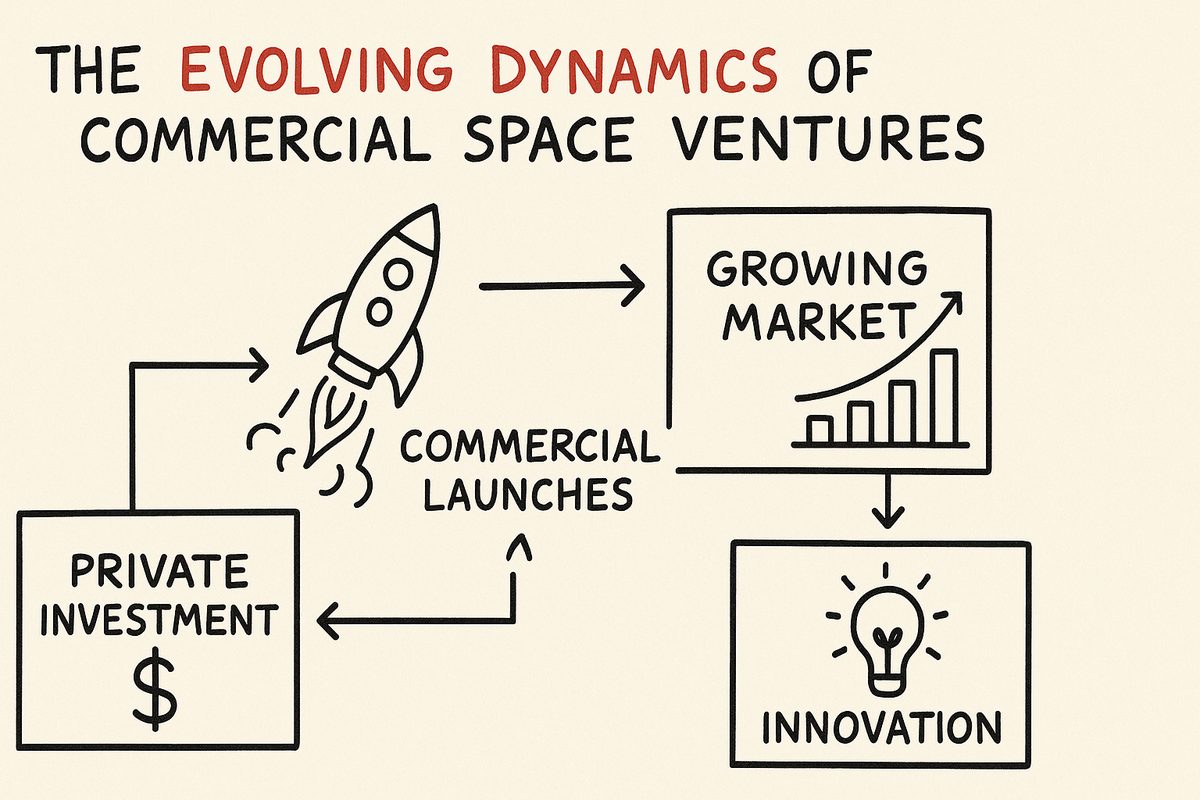
Collectively, these developments paint a picture of an industry at the nexus of technological innovation, strategic partnerships, and policy shifts. As commercial entities lead advancements, the interplay between private and public sectors will likely dictate the pace and direction of the space industry's future.