Axiom Space has officially closed an oversubscribed financing round totalling more than US$525 million, surpassing its initial target by US$175 million. The announcement marks a pivotal moment for the Houston-based company as it races to build humanity's first commercial space station and fulfill a growing list of commitments in low Earth orbit.
A Round That Exceeded Expectations
The financing round's final figure represents a substantial leap from the US$350 million that Axiom Space had previously announced in February. The fact that investor demand drove the total well beyond that initial target is a clear signal of the confidence the global investment community has placed in the company's roadmap. Oversubscribed rounds — where investor interest outpaces the amount a company sets out to raise — are relatively rare in capital-intensive sectors like commercial spaceflight, making this result all the more noteworthy.
Dr. Jonathan Cirtain, CEO and President of Axiom Space, acknowledged the strength of the reception. "Investor interest in this round outpaced what we set out to raise, which speaks to the moment we are in," said Cirtain. "Our partners see what is possible in low-Earth orbit, and they see who is positioned to lead it."
A Major New Investor Joins the Table
Among the most significant developments from this round is the addition of MUFG Bank — the largest financial institution in Japan — to Axiom Space's cap table. The bank's involvement signals growing international interest in commercial space infrastructure, particularly from the Asia-Pacific financial sector.
Takumi Hashizume, Managing Director and Head of the Space Innovation Office at MUFG Bank, Ltd., explained the institution's rationale. "Axiom Space is building the orbital infrastructure that will define the next era of the space economy," said Hashizume. "Through our Space Innovation Office, we are committed to supporting the companies that make commercial human space exploration and the global space economy sustainable for the long term, and we see Axiom Space's leadership as central to that future."
MUFG Bank's entry follows continued participation from existing backers who remain committed to the company's long-term vision, further reinforcing the stability of Axiom Space's investor base.
Where the Money Is Going
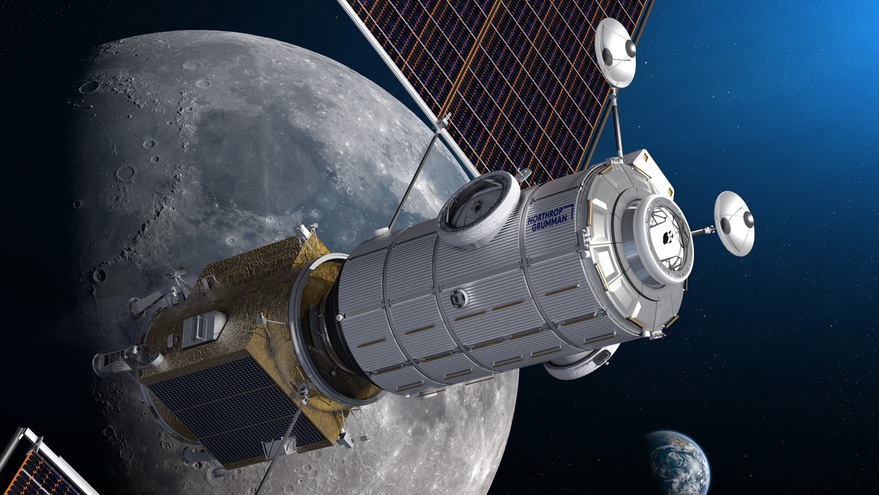
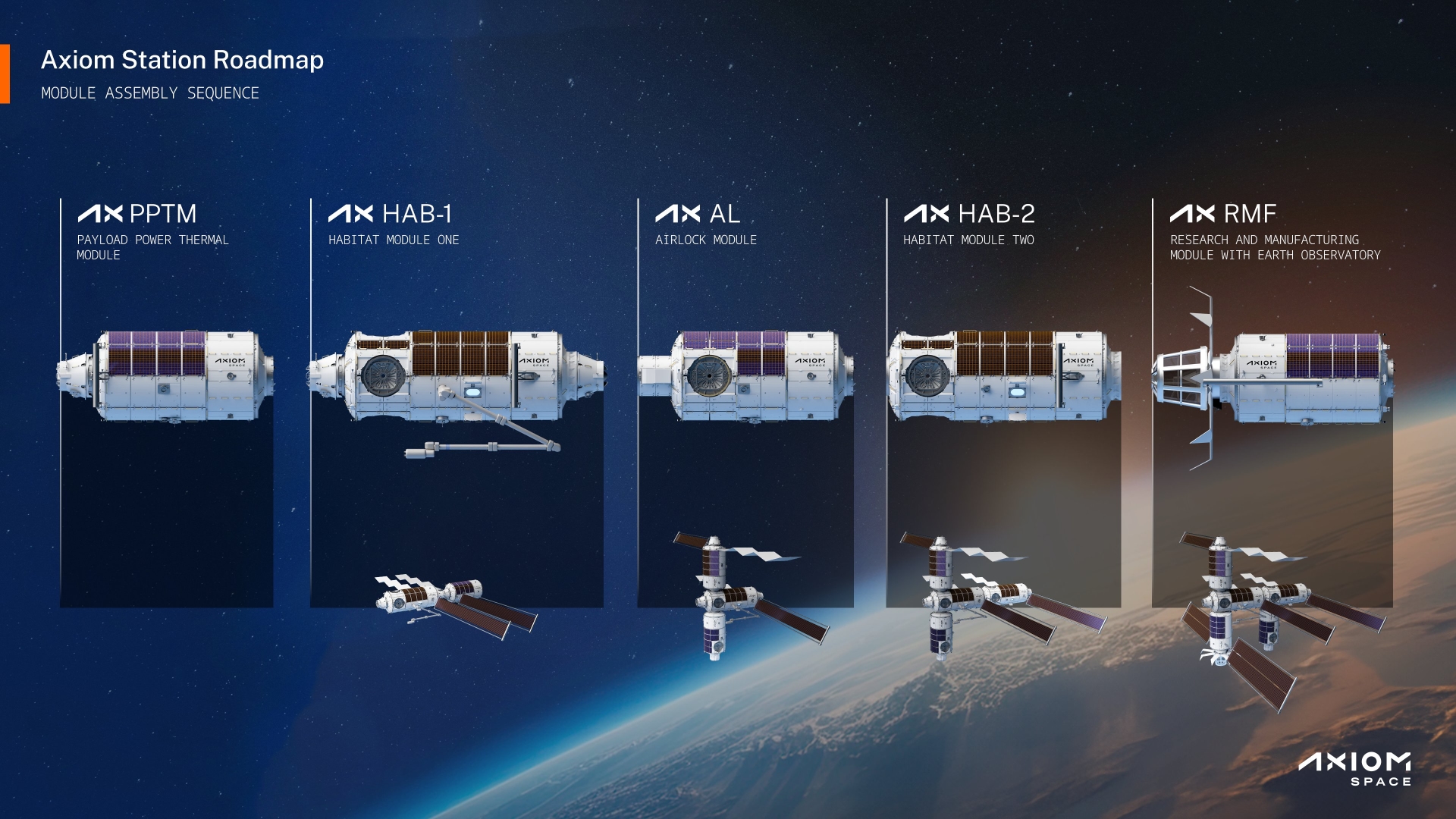
The new capital will be directed toward three primary areas of operation. First and foremost is the continued development of Axiom Station, the company's flagship project to construct and operate the world's first commercial space station in low Earth orbit. The station is designed to serve as a private platform for scientific research, manufacturing, and a range of other commercial and governmental uses — offering an alternative to government-operated facilities as the International Space Station approaches the end of its operational life.
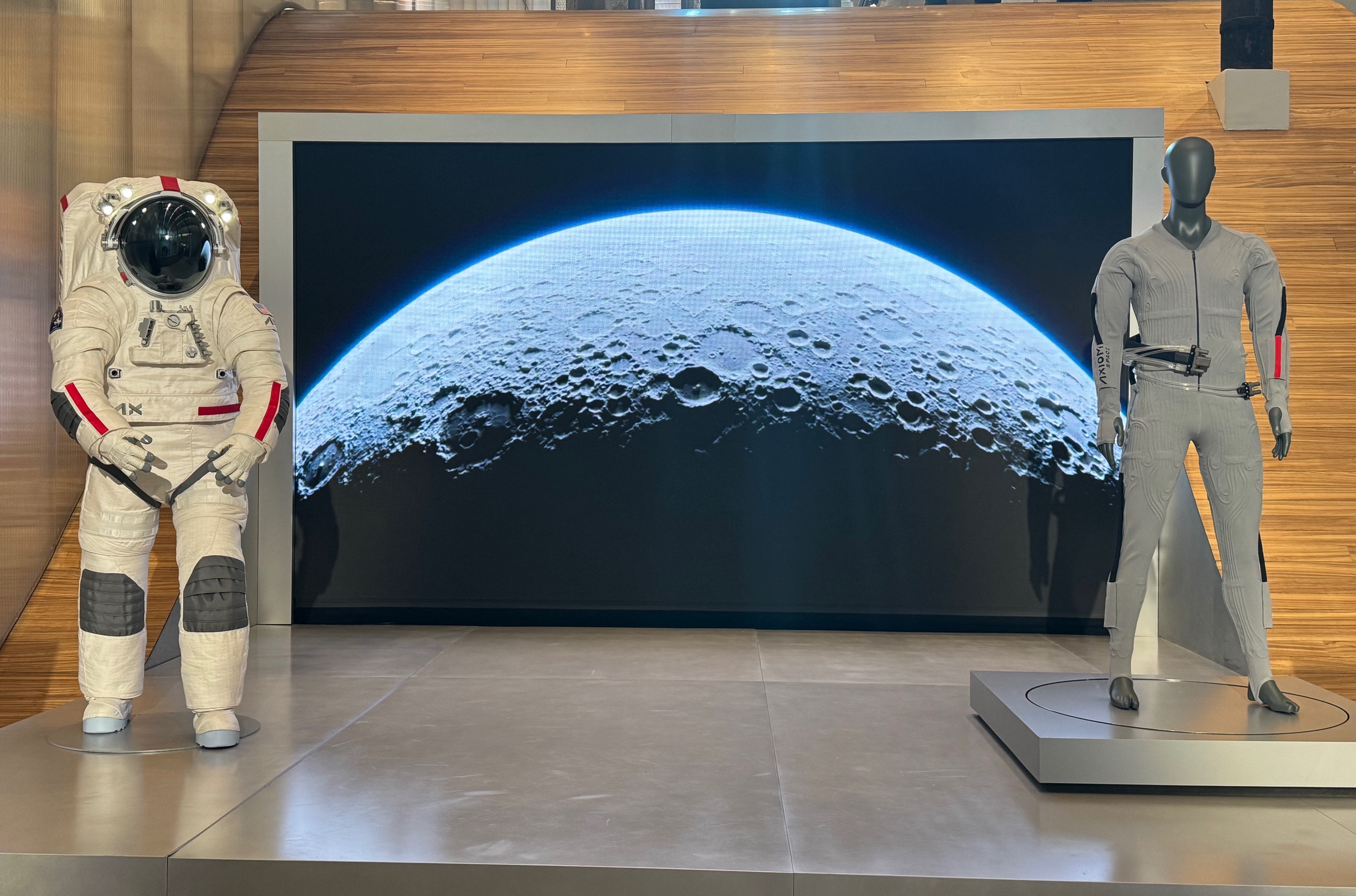
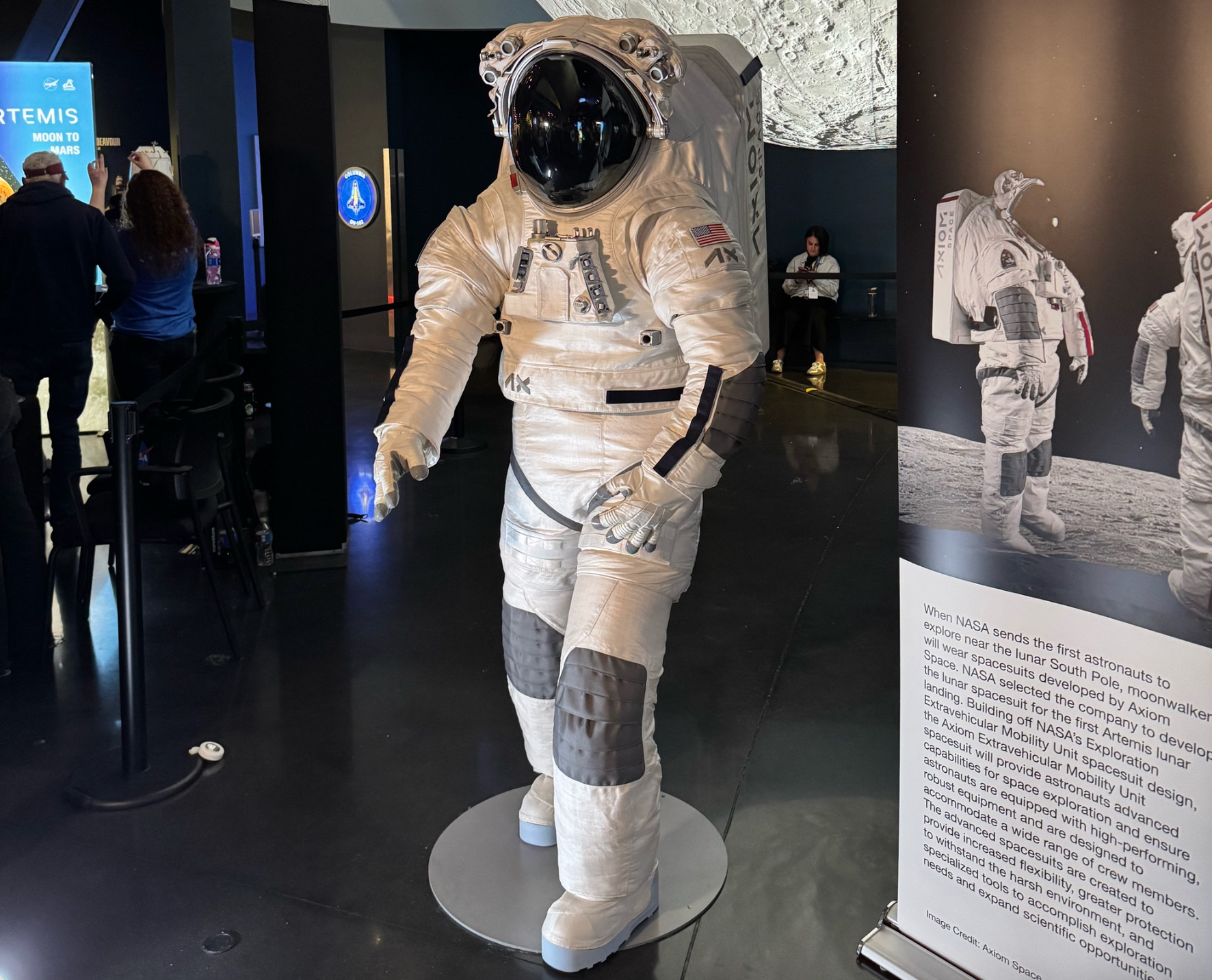
The second focus area is the production of the Axiom Extravehicular Mobility Unit (AxEMU), the next-generation spacesuit being developed under a NASA contract. This suit is intended to support future spacewalks and lunar surface operations, representing a critical piece of hardware for both commercial and agency missions.
The third priority is the execution of additional commercial human spaceflight missions, building on Axiom Space's track record of sending private astronauts to the International Space Station. These missions serve as both revenue-generating activities and demonstrations of the company's operational capabilities ahead of Axiom Station's completion.
Broader Implications for the Commercial Space Sector
The scale and success of this financing round underscores the increasingly capital-intensive nature of building permanent orbital infrastructure. Unlike satellite launches or suborbital tourism, constructing and operating a full space station requires sustained, long-term investment — and the ability to attract that level of funding from both existing and new institutional partners is a meaningful indicator of market maturity.
Axiom Space's trajectory also reflects a broader shift in the space industry, where private enterprises are taking on roles once exclusively held by national space agencies. With NASA actively supporting the development of commercial successors to the ISS through its contracts and partnerships, companies like Axiom Space are positioned at the intersection of public mission requirements and private market opportunity.
With the funding secured, the company must now focus on executing against its milestones — a challenge that will test its engineering teams, supply chains, and operational planning in equal measure. The coming years will be critical in determining whether Axiom Space can translate investor confidence into hardware in orbit.
Stay up to date with the latest space news at NovA mAInd.