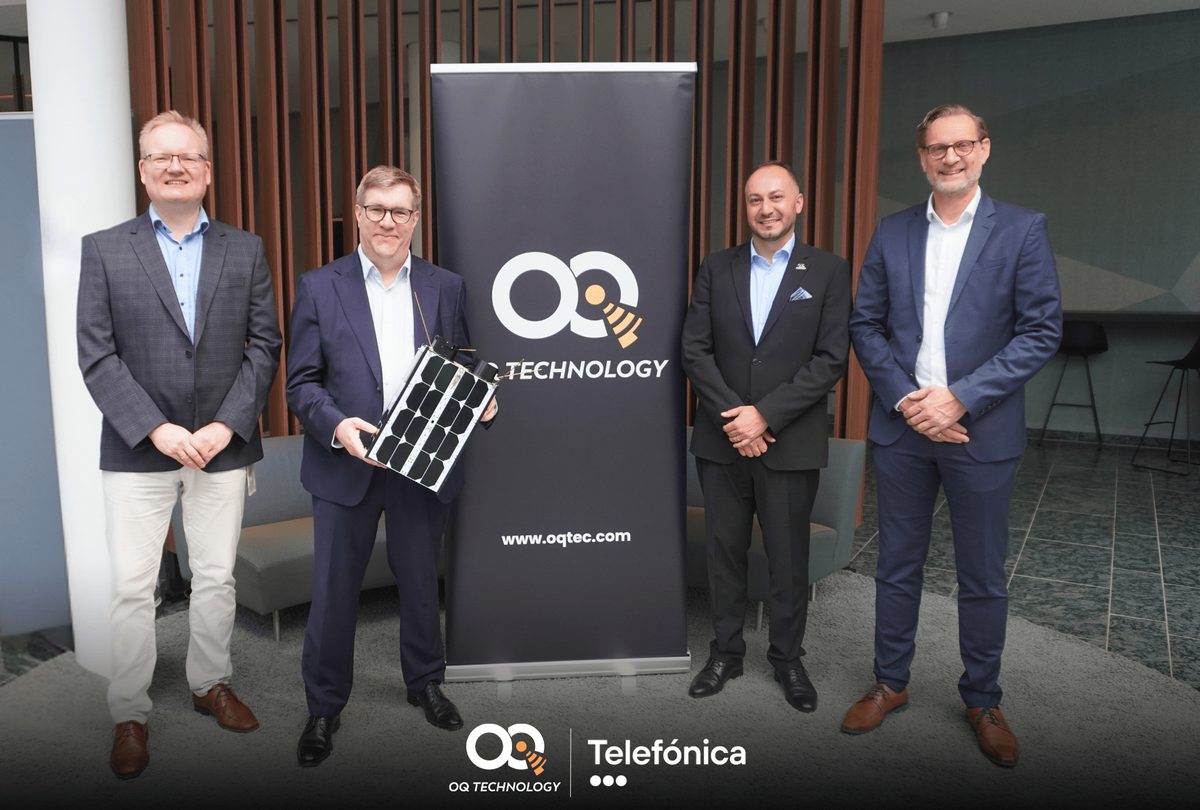
Luxembourg's OQ Technology is gearing up to conduct an innovative test for direct-to-smartphone satellite connectivity in Germany using cellular spectrum. Scheduled for 2027, this initiative marks a significant step in the competition against U.S.-led services in the rapidly evolving satellite telecommunications market.
The plan involves leveraging the cellular spectrum of a local German telecommunications company. This strategic move could potentially enhance the accessibility and reliability of satellite connectivity for smartphones, a feature that can bridge communication gaps in areas lacking traditional cellular infrastructure.
OQ Technology aims to establish a foothold in the burgeoning market for satellite-based smartphone connectivity. This market is currently dominated by U.S. players, with companies like SpaceX and AST SpaceMobile making strides in the sector. However, OQ Technology's approach, focusing on utilizing existing cellular spectrum, could offer a more seamless integration with current mobile networks.
The company's venture into direct-to-smartphone satellite services aligns with a broader industry trend toward enhanced global connectivity. As terrestrial networks struggle to reach remote or underserved regions, satellite technology offers a promising alternative. By using the cellular spectrum, OQ Technology not only seeks to provide connectivity in these areas but also aims to deliver consistent service without the need for specialized hardware on the user's end.
The implications of this test are significant. If successful, it could pave the way for wider adoption of satellite connectivity in everyday mobile communications. This technology holds the potential to transform how people access mobile networks, particularly in regions where laying traditional network infrastructure is economically unfeasible.
Furthermore, OQ Technology's initiative underscores the increasing importance of international collaboration in the space and telecommunications sectors. By partnering with a German telecom provider, the company demonstrates a commitment to leveraging local expertise and resources to enhance its service offering.
As the test date approaches, industry observers will be keenly watching to see how OQ Technology's experiment unfolds and what it means for the future of satellite-enabled smartphone connectivity. Success in this domain could not only challenge U.S. dominance but also accelerate global efforts to provide ubiquitous internet access.
In conclusion, OQ Technology's upcoming test in Germany is a bold step towards reshaping the landscape of mobile communications. By capitalizing on cellular spectrum for satellite connectivity, the company is poised to make a significant impact on the telecommunications industry, highlighting the transformative potential of satellite technology in bridging digital divides.