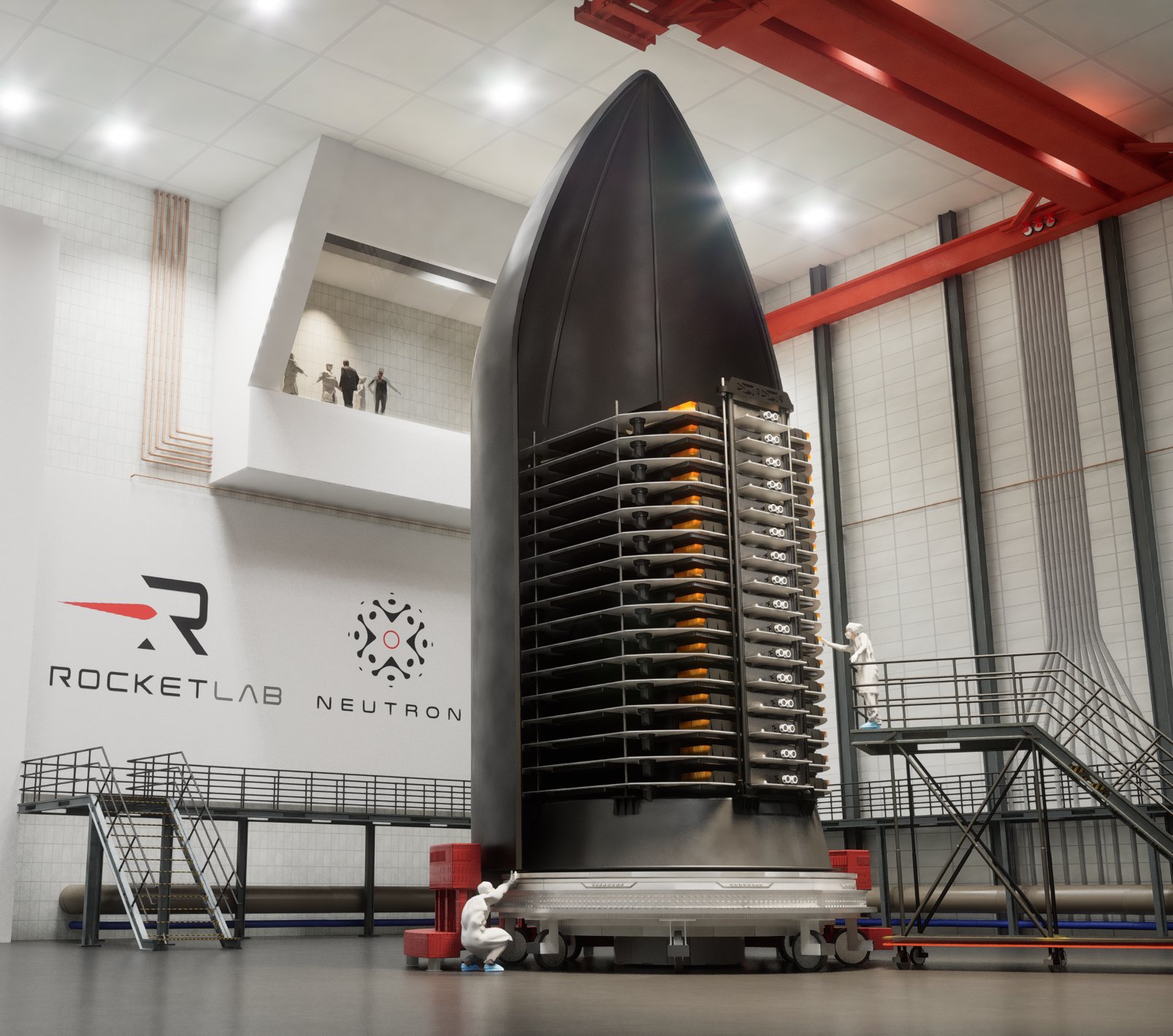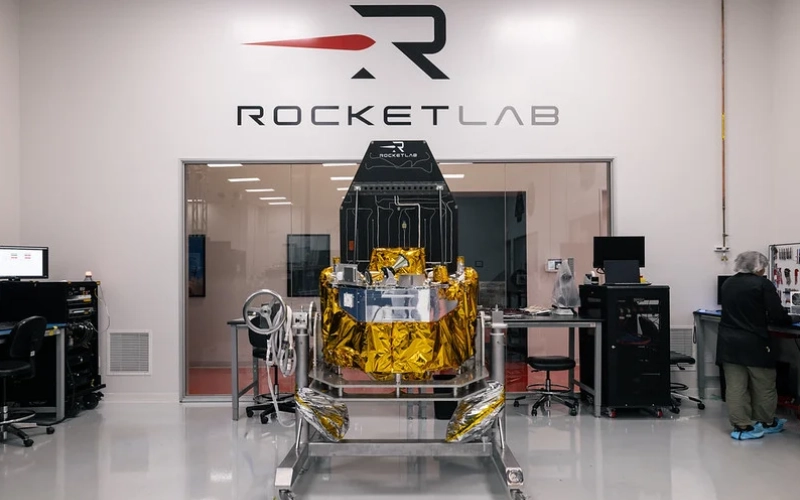
On August 10, 2026, Rocket Lab announced the establishment of its new subsidiary in Germany, marking a pivotal step in its international growth strategy. Known as Rocket Lab Germany GmbH, this subsidiary aims to facilitate the scaled domestic production of satellites and launch services using Rocket Lab's Electron and Neutron rockets. The move underscores the company's commitment to expanding its footprint in the European space sector, a market that is rapidly evolving amid geopolitical shifts.
The formation of Rocket Lab Germany GmbH was officially recorded on April 2, 2026, following the transformation of a pre-existing shelf company, Mondstein 694 GmbH. This strategic decision was made shortly before Rocket Lab completed the acquisition of Mynaric AG, a Munich-based supplier of optical communications terminals. While Rocket Lab Germany is headquartered in Munich, its current registered address is a serviced-office location, indicating that the physical establishment of dedicated facilities may still be in development.
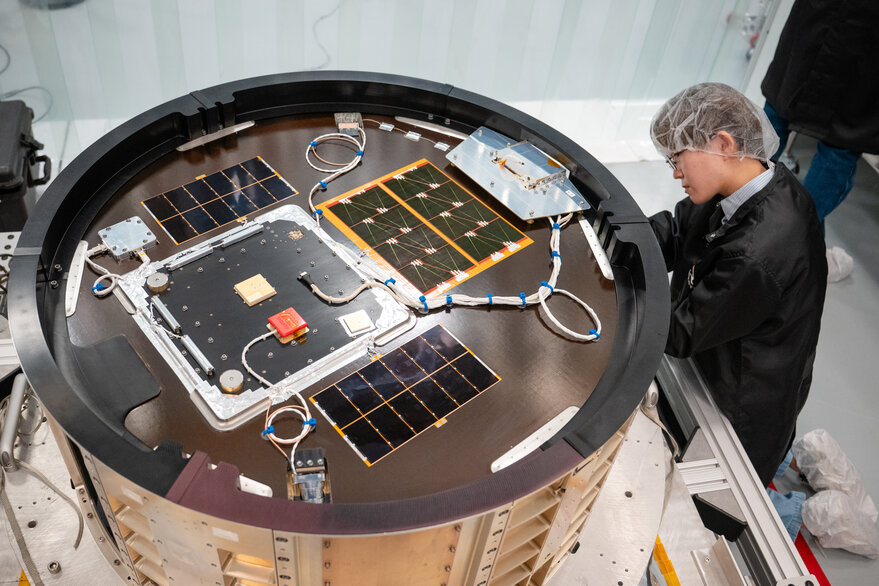
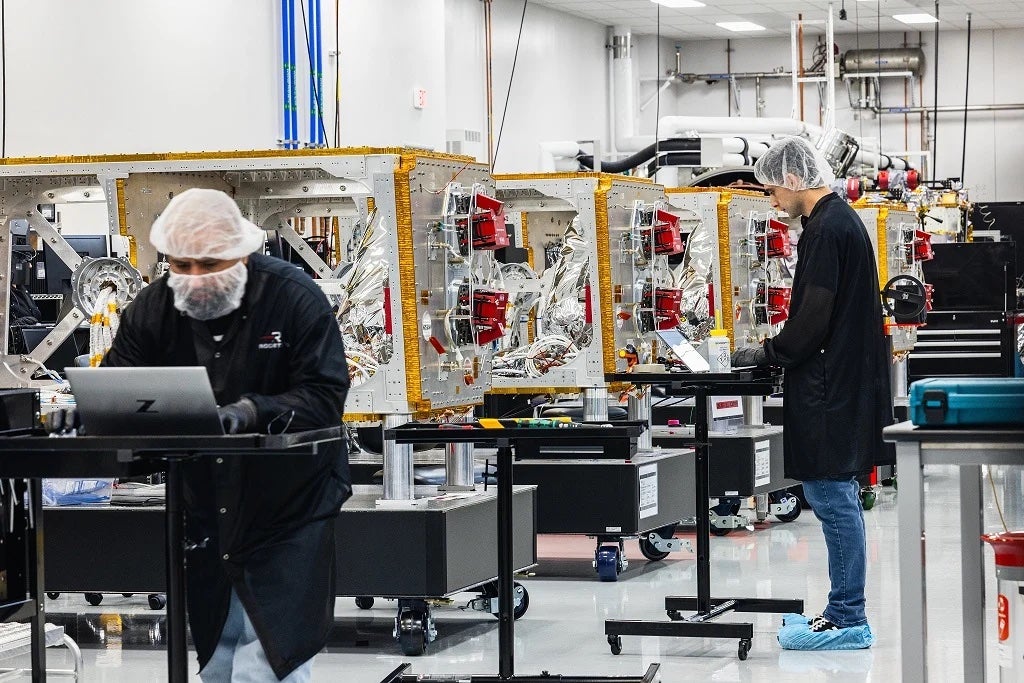
During an earnings call on August 10, Rocket Lab CEO Peter Beck outlined the strategic pillars for the new subsidiary: satellite manufacturing, assured access to space, and the enhancement of strategic autonomy and space sovereignty for Europe. Beck emphasized that satellite manufacturing is central to Rocket Lab's expansion plans in Europe. He noted the potential for Rocket Lab Germany to become a regional hub for constellation-class manufacturing and full-scale spacecraft assembly, integration, and testing. This capability would allow Rocket Lab to serve commercial, civil, and defense space programs as a domestic provider within Europe.
The decision to establish a presence in Germany is largely driven by the continent's growing interest in space sovereignty. Beck highlighted that Europe has traditionally been a sheltered market; however, recent geopolitical tensions have prompted European nations to seek greater independence in their space capabilities. Germany's recent investment of over $40 billion in a satellite missile warning system exemplifies this trend. Historically, such projects may have been outsourced to other nations, but the current climate is shifting towards domestic solutions.
This strategic move by Rocket Lab is timely given the broader context of the European space industry, which has been witnessing increased investments and policy shifts towards autonomy and resilience. The European Union and individual member states have been keen to bolster their own space industries, lessening reliance on external providers, particularly in areas critical to national security and technological advancement.
In addition to strengthening its position in Europe, Rocket Lab's expansion can be seen as a response to the competitive landscape of the global space industry. With private companies and governmental bodies alike ramping up their capabilities, establishing a solid footing in Europe could provide Rocket Lab with a significant competitive advantage.
Looking ahead, Rocket Lab's developments in Germany may pave the way for further collaborations and partnerships within the European space sector. The focus on satellite manufacturing and launch services aligns well with Europe's ambitions for increased space activity, including the development of satellite constellations and the enhancement of space infrastructure.