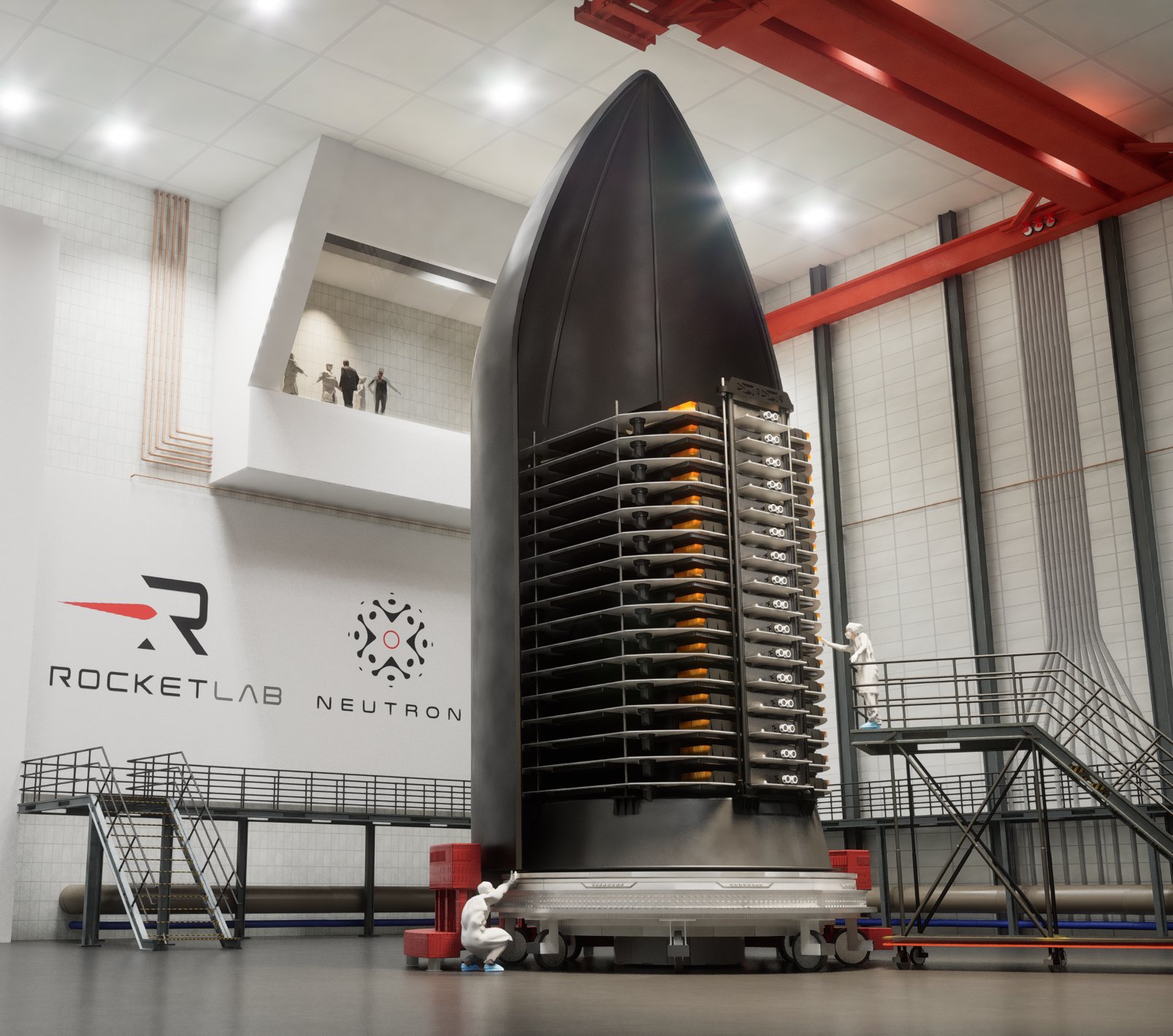
Kepler Communications has announced a pivotal move in its satellite deployment strategy by booking Rocket Lab's Neutron rocket for a dedicated launch mission in 2028. This marks a significant milestone for the Canadian satellite operator as it prepares to deploy its next-generation optical relay satellites, enhancing its capabilities in optical connectivity and on-orbit compute services.
Until now, Kepler has relied on shared launches, utilizing platforms like SpaceX’s Falcon 9. However, the shift to a dedicated launch on the Neutron rocket underscores the company’s growth trajectory and its ambitions to meet increasing customer demand. According to Beau Jarvis, Kepler's chief revenue officer, securing a dedicated launch reflects a new phase of development for the company. "As we continue expanding our constellation to keep pace with growing customer demand, multiple launches in 2028 will increase capacity, strengthen resilience, and enable new services for customers around the world," he stated.
Earlier this year, Kepler successfully deployed 10 satellites, each weighing approximately 300 kilograms, as part of Tranche 1 of its network. This deployment marked a strategic shift from providing connectivity for remote Internet of Things (IoT) devices, using smaller radio frequency spacecraft of around 12 kilograms, to a more robust optical relay network. This network has reportedly driven a tenfold increase in year-over-year revenue, forming the backbone of a burgeoning hosted payload business. Notably, the German wildfire-detection company OroraTech has partnered with Kepler, utilizing four thermal imaging payloads aboard the Tranche 1 satellites.
The forthcoming Tranche 2 is set to significantly enhance Kepler's service offerings. While the current optical relay service supports data rates up to 2.5 gigabits per second, the next generation aims to achieve up to 100 Gbps, maintaining compatibility with its predecessors. Additionally, Tranche 2 will incorporate 10 satellites developed for the European Space Agency’s HydRON program, which seeks to demonstrate a multi-orbit, terabit-per-second transport system that extends the reach of terrestrial fiber networks.
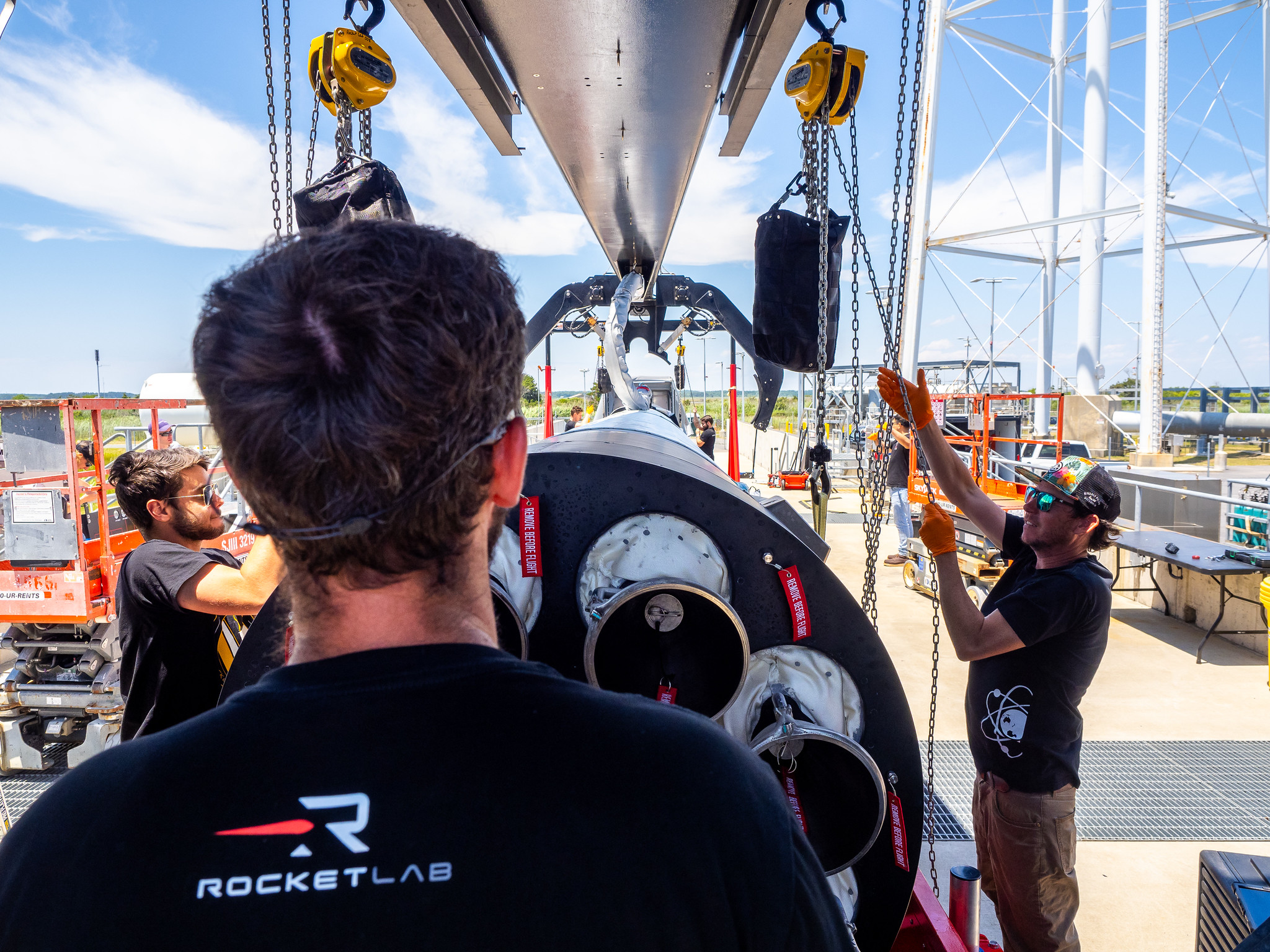
Rocket Lab's Neutron rocket, which is slated for its debut later this year, is a medium-lift launch vehicle capable of carrying up to 13,000 kilograms to low Earth orbit (LEO) in its reusable configuration. This is a considerable upgrade from Rocket Lab's Electron rocket, which supports payloads of approximately 300 kilograms. Neutron's development has faced challenges, including a propellant tank rupture during testing in January, but Rocket Lab remains on track for its initial launch. The company has already secured multiple contracts for Neutron, including a major deal with a confidential customer for five Neutron and three Electron launches, as well as a $266 million contract with the U.S. Space Force for suborbital missions.
This collaboration between Kepler Communications and Rocket Lab highlights the dynamic nature of the space industry, where advancements in launch vehicle technology and satellite capabilities are driving new business models and expanding the possibilities for global connectivity. As Kepler scales its optical relay network, it not only enhances its service offerings but also contributes to a broader vision of an interconnected world where data flows seamlessly across continents and oceans.
The successful deployment of Kepler's next-generation satellites aboard the Neutron rocket will likely set a precedent for future collaborations and innovations in satellite technology and launch services. As the space industry continues to evolve, partnerships like this are crucial for meeting the demands of a data-driven global economy and advancing the frontiers of space exploration and utilization.