In the increasingly competitive satellite launch market, securing launch capacity has become a critical focus for satellite operators. This trend is evident in the recent actions of companies like AST SpaceMobile, which are making concerted efforts to reassure investors and customers of their capacity to access space, despite uncertainties around vehicle availability.
AST SpaceMobile is currently deploying a broadband direct-to-device satellite constellation. The deployment pace has been affected by the May 28 explosion of Blue Origin's New Glenn rocket, which has consequently delayed the commencement of commercial services by three to six months, pushing it into the first half of 2027. During an earnings call on August 10, company executives discussed their strategy to complete the deployment of roughly 45 satellites, highlighting that they have sufficient launches booked to achieve this goal.
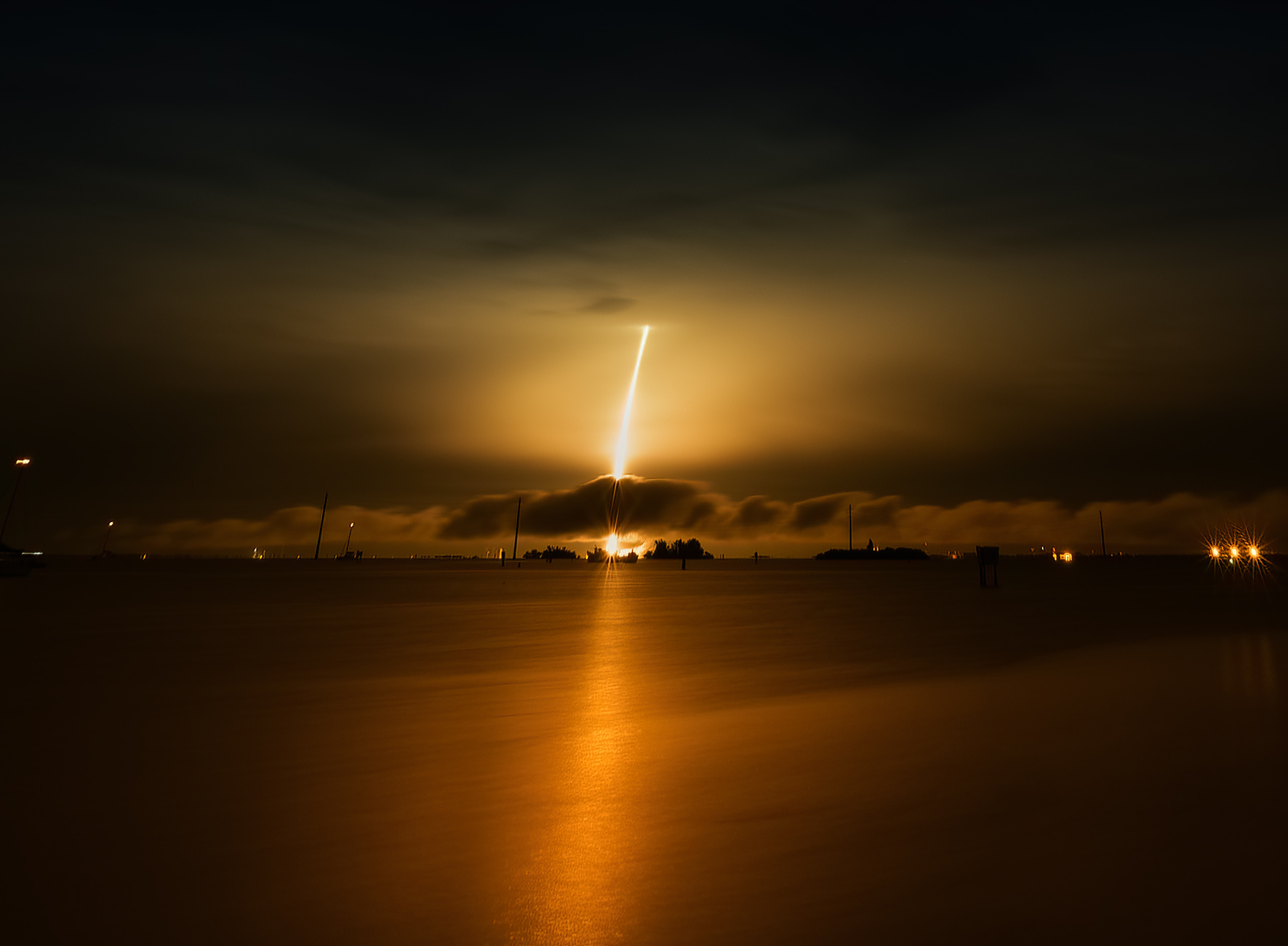
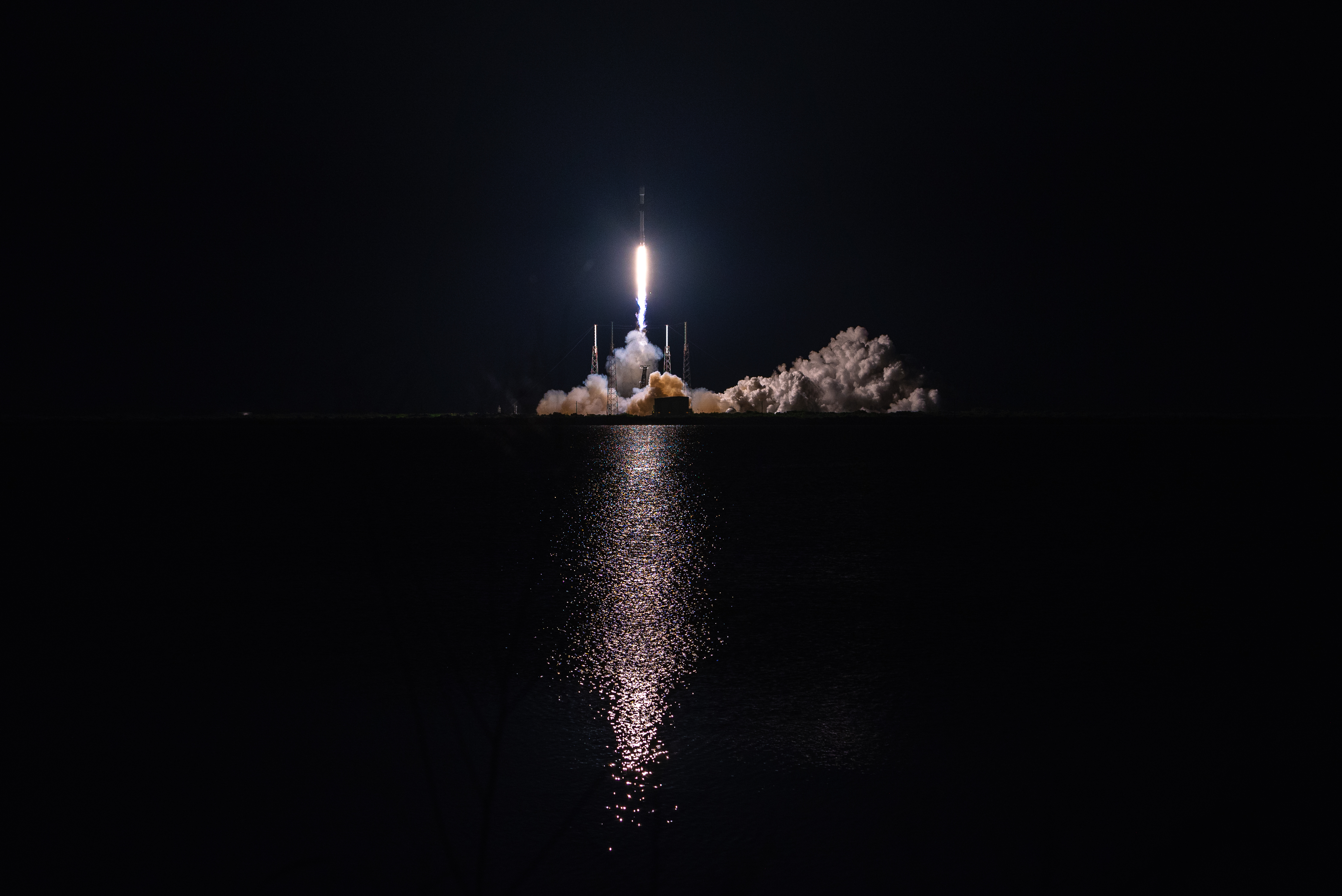
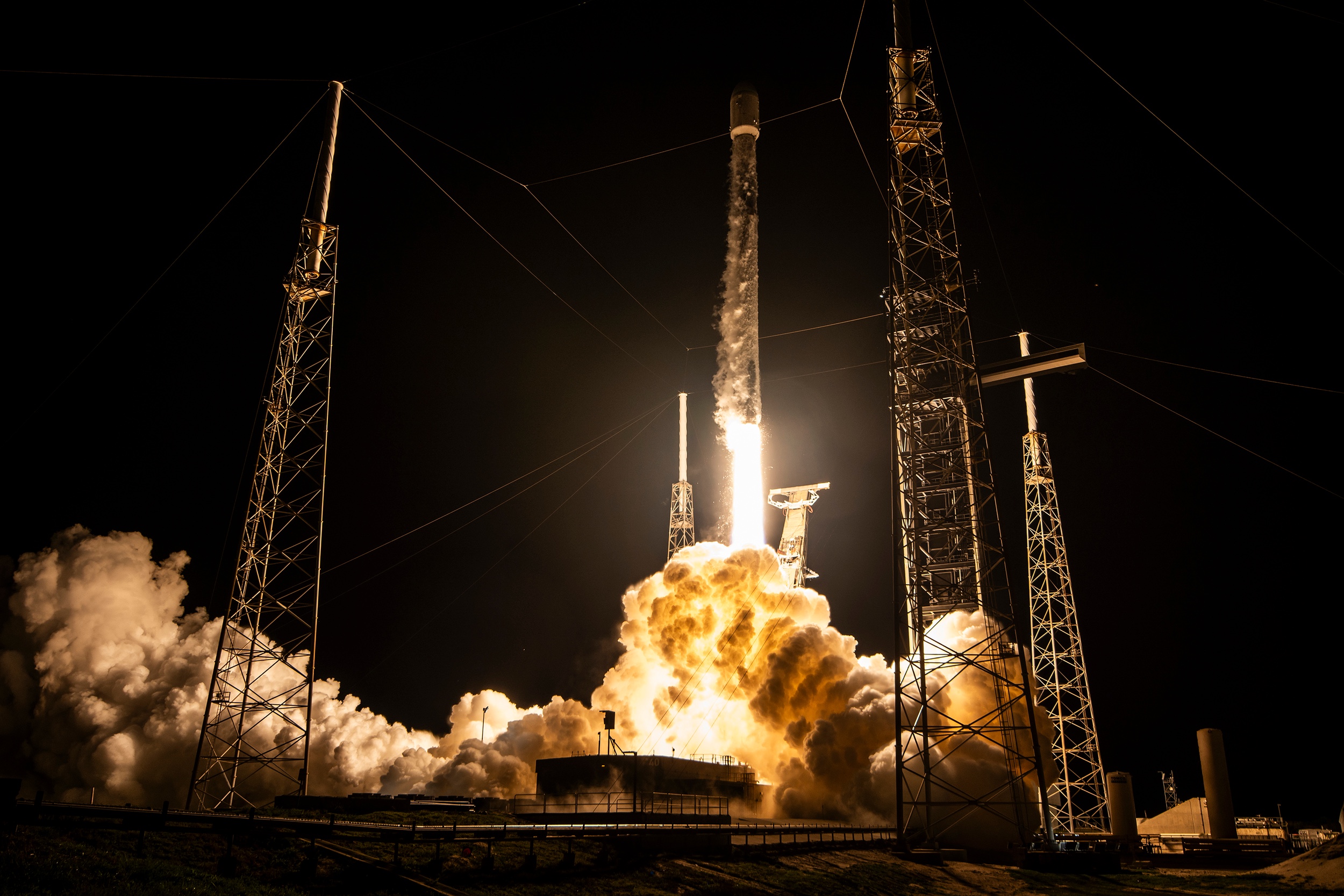
As of now, AST SpaceMobile has 12 satellites in orbit, including six launched on two recent Falcon 9 missions on June 17 and August 5. These operations are part of a larger plan involving nine more launches to complete the initial constellation. However, launch dates remain undefined, with the company focusing instead on the completion timeline for the satellites. The final set of satellites is expected to be ready by February 2027.
Scott Wisniewski, president of AST SpaceMobile, emphasized in the earnings call that the company has secured ten launches with two different providers, aiming for a launch cadence of one every month or two. In the short term, these launches will likely be executed using Falcon 9 vehicles, as Blue Origin's New Glenn remains grounded. Blue Origin is currently working on rebuilding its Cape Canaveral launch pad and aims to resume flights by the end of the year. However, AST SpaceMobile is not factoring the availability of New Glenn into their immediate plans.
Wisniewski stated, “They’re targeting this year. We’re not betting on that necessarily. We’ll be happy if they do it, but we’re not betting on that in our numbers.” He further explained that AST SpaceMobile aims to deploy its initial 45 satellites by early 2027, requiring some launches on the New Glenn due to its higher capacity. The Falcon 9 can carry only three BlueBird satellites per launch compared to New Glenn’s capacity of up to eight.
In a previous earnings call in May, AST SpaceMobile executives mentioned considering United Launch Alliance’s Vulcan rocket as another potential launch vehicle. However, Vulcan has not flown since February, presenting another layer of uncertainty in the launch market landscape.
The current situation highlights a broader industry challenge where satellite operators must navigate a constrained launch market, balancing between securing reliable launch options and adapting to unexpected setbacks. The necessity for flexibility and strategic planning in securing launch capacity is underscored by the experiences of companies like AST SpaceMobile, which continue to adapt their plans in response to the dynamic conditions of the launch market.