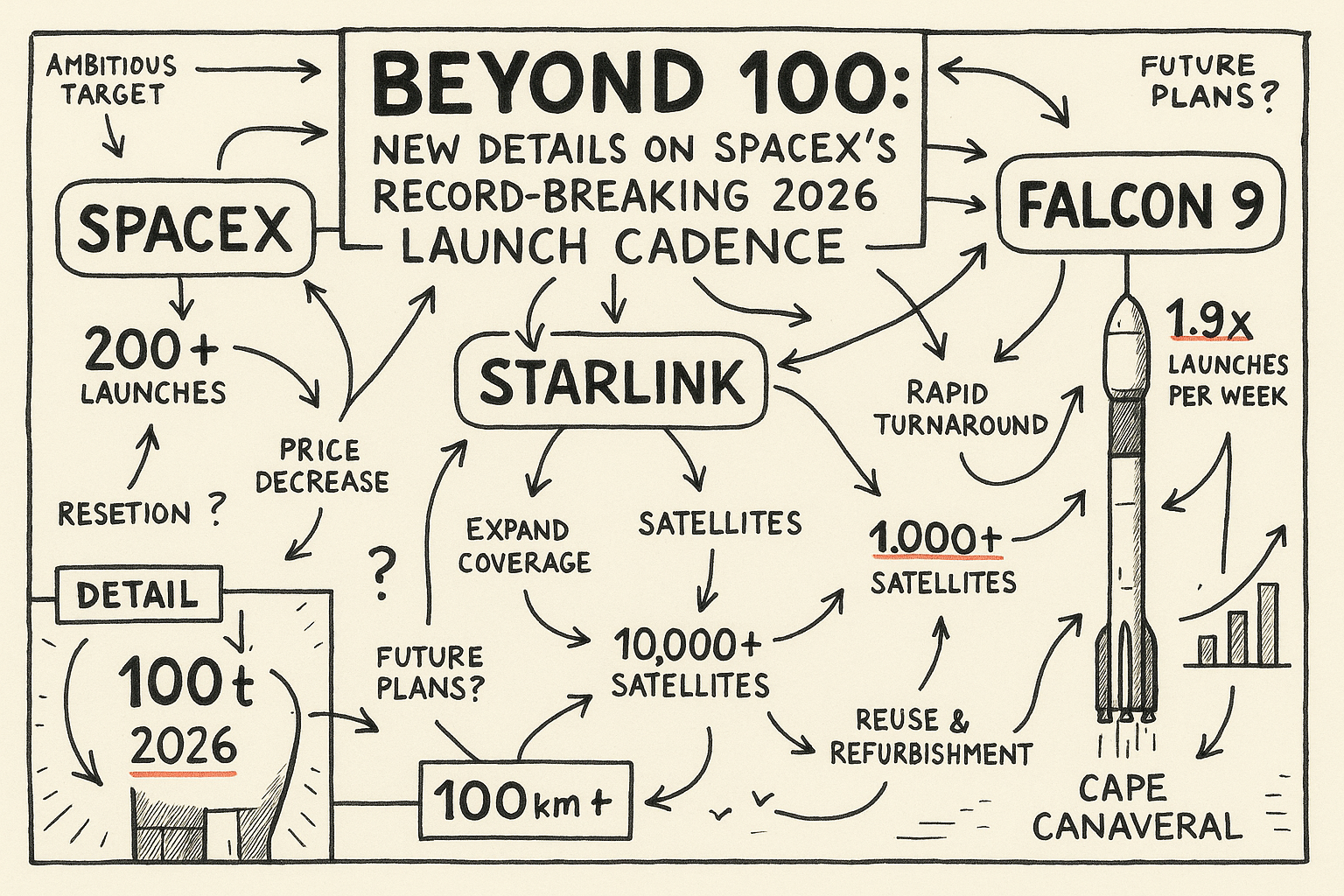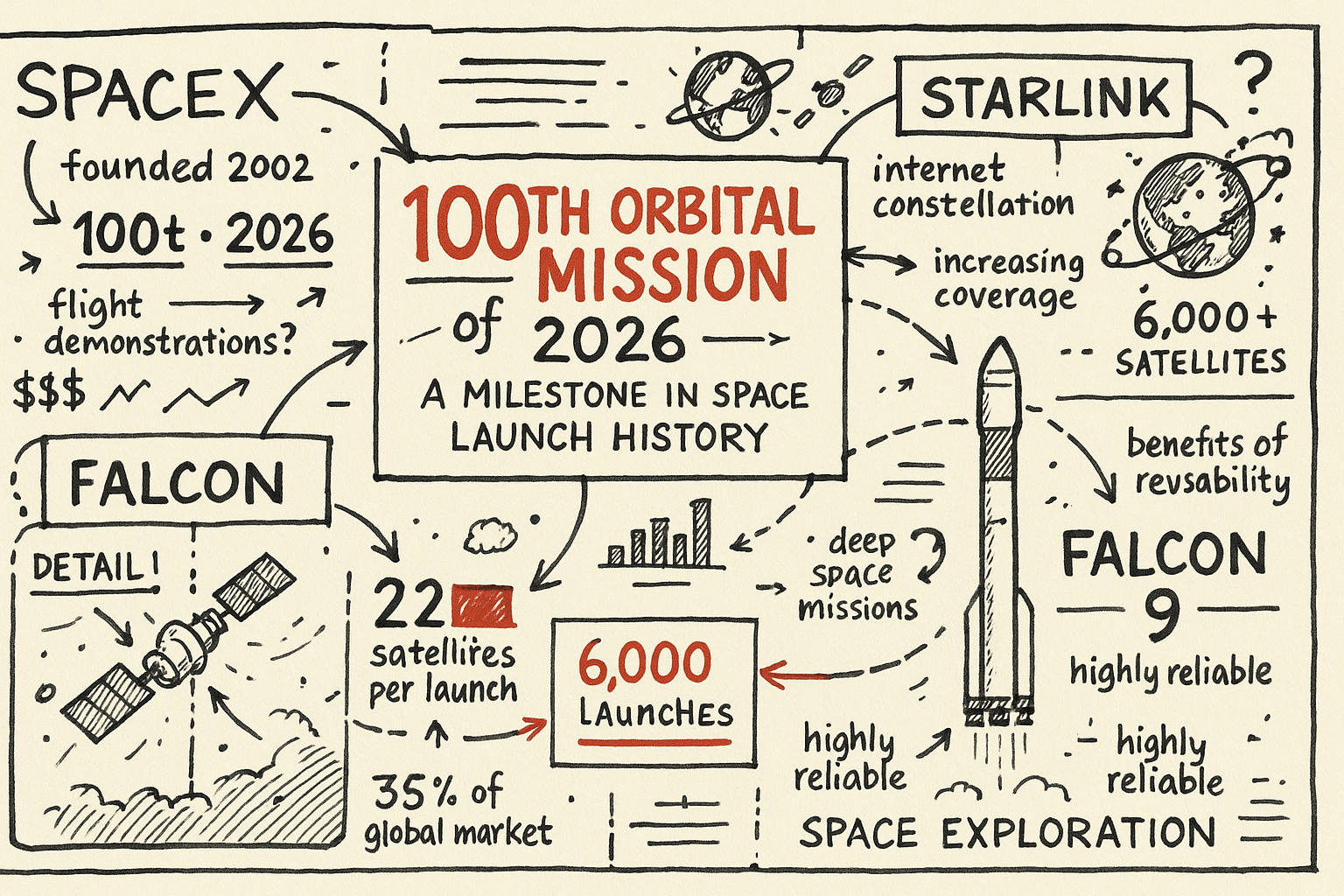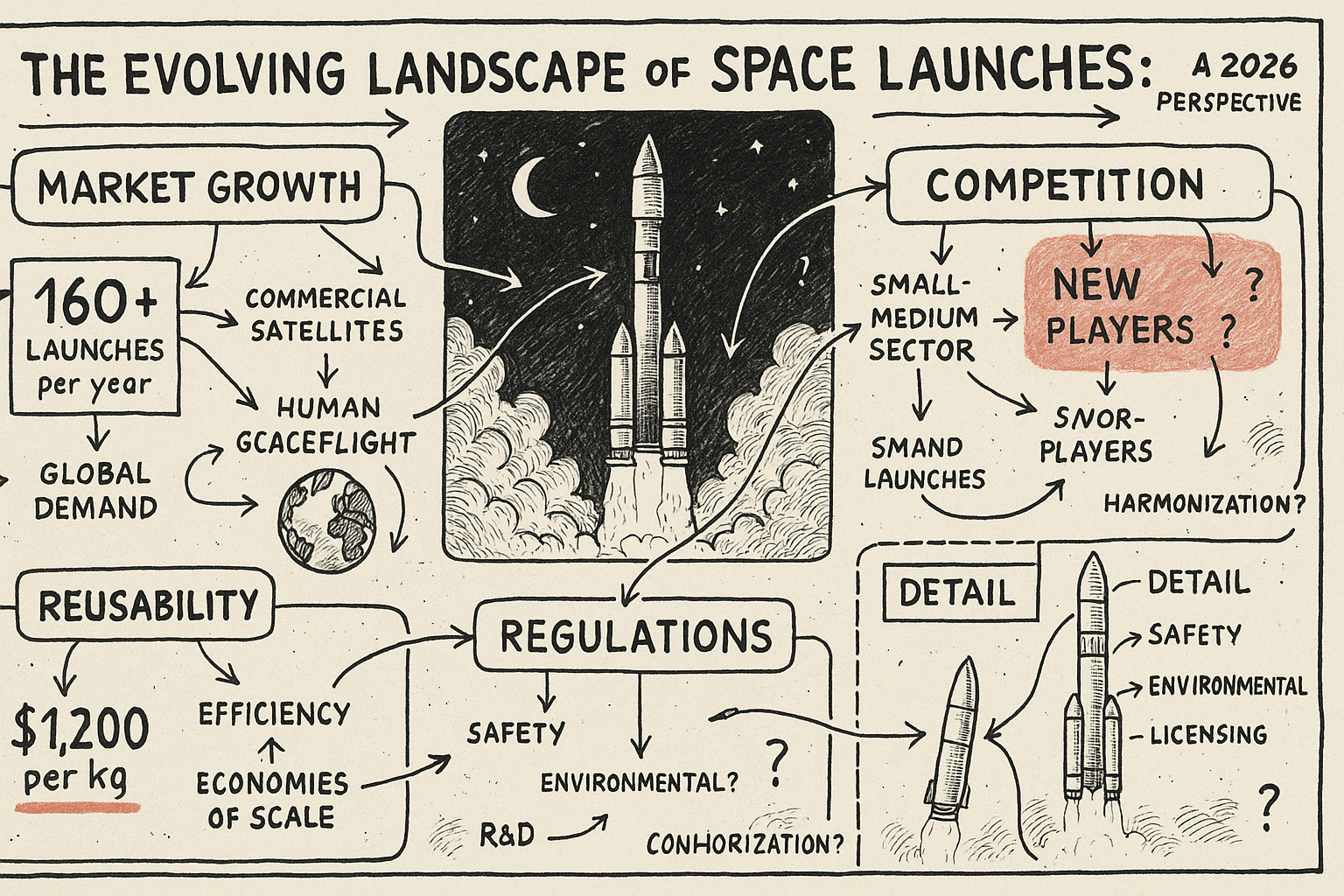
In the rapidly advancing field of space exploration, SpaceX has emerged as a pivotal player, setting new standards for launch frequency and reliability. The past few weeks have highlighted SpaceX's dominance with several significant missions, including launching AST SpaceMobile's BlueBird satellites, sending astronauts to the International Space Station (ISS), and deploying a secretive US spy satellite. These activities underscore a transformative era in how we approach satellite deployment and space connectivity.
SpaceX's Growing Influence
SpaceX's role in launching AST SpaceMobile's BlueBird satellites is particularly noteworthy. The mission, marking the third deployment of satellites for AST SpaceMobile, supports the company's ambitious goal of creating a direct-to-device communication network. This effort represents a broader trend in the satellite industry: a shift towards providing global mobile broadband coverage, directly impacting how we connect across the planet.
On another front, SpaceX continues to fortify its position with manned missions. The planned September 12 launch of four astronauts to the ISS further cements SpaceX's role in human spaceflight, a domain historically dominated by government agencies like NASA and Roscosmos. The company's ability to deliver on such complex missions highlights its technical prowess and reliability.
Addressing Challenges and Expanding Horizons
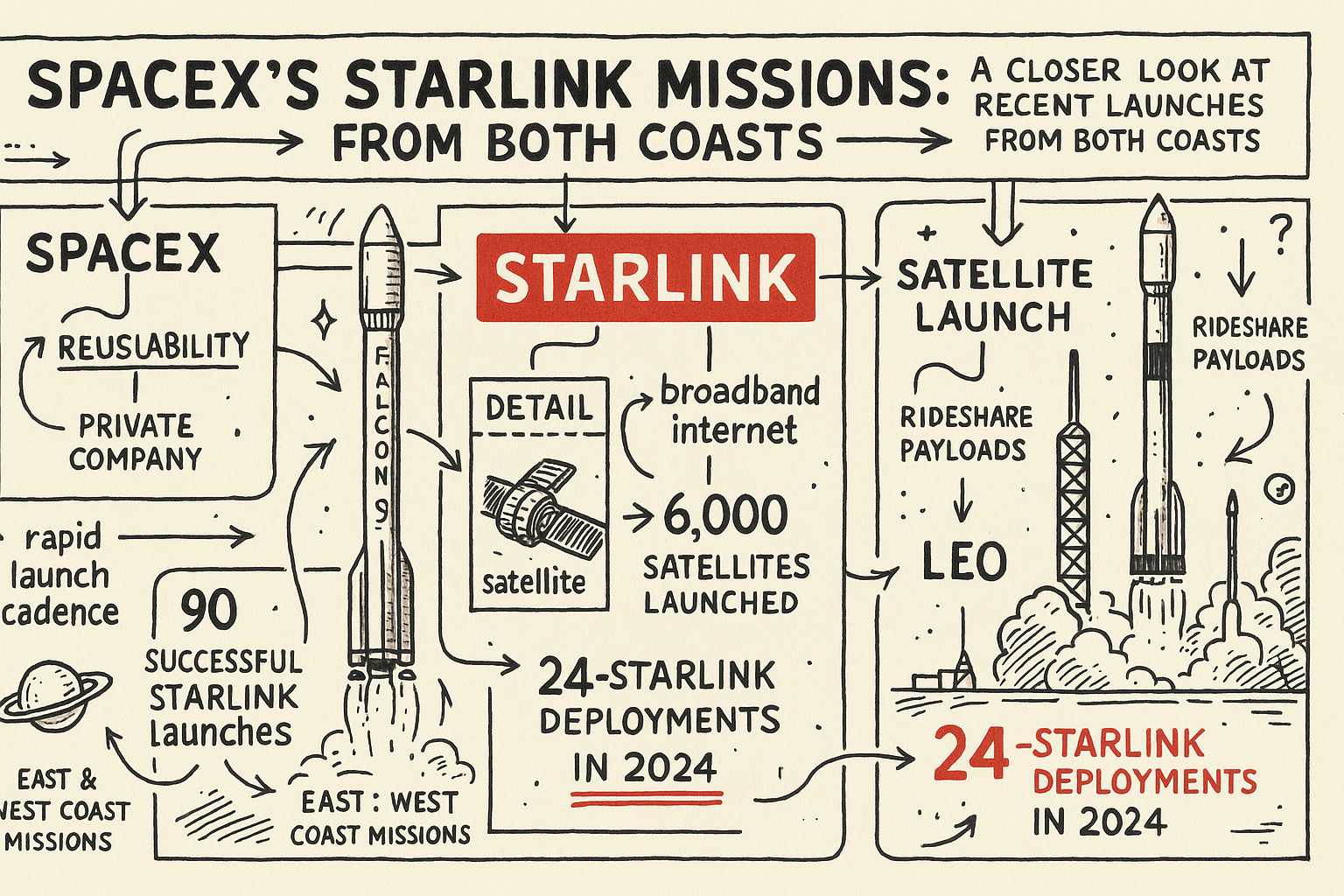
Despite its successes, SpaceX faces challenges typical of high-frequency launch schedules. A recent aborted launch of a Starlink mission from Vandenberg Space Force Base serves as a reminder of the complexities involved. However, SpaceX's quick turnaround to successfully launch the mission just a day later demonstrates its resilience and operational efficiency.
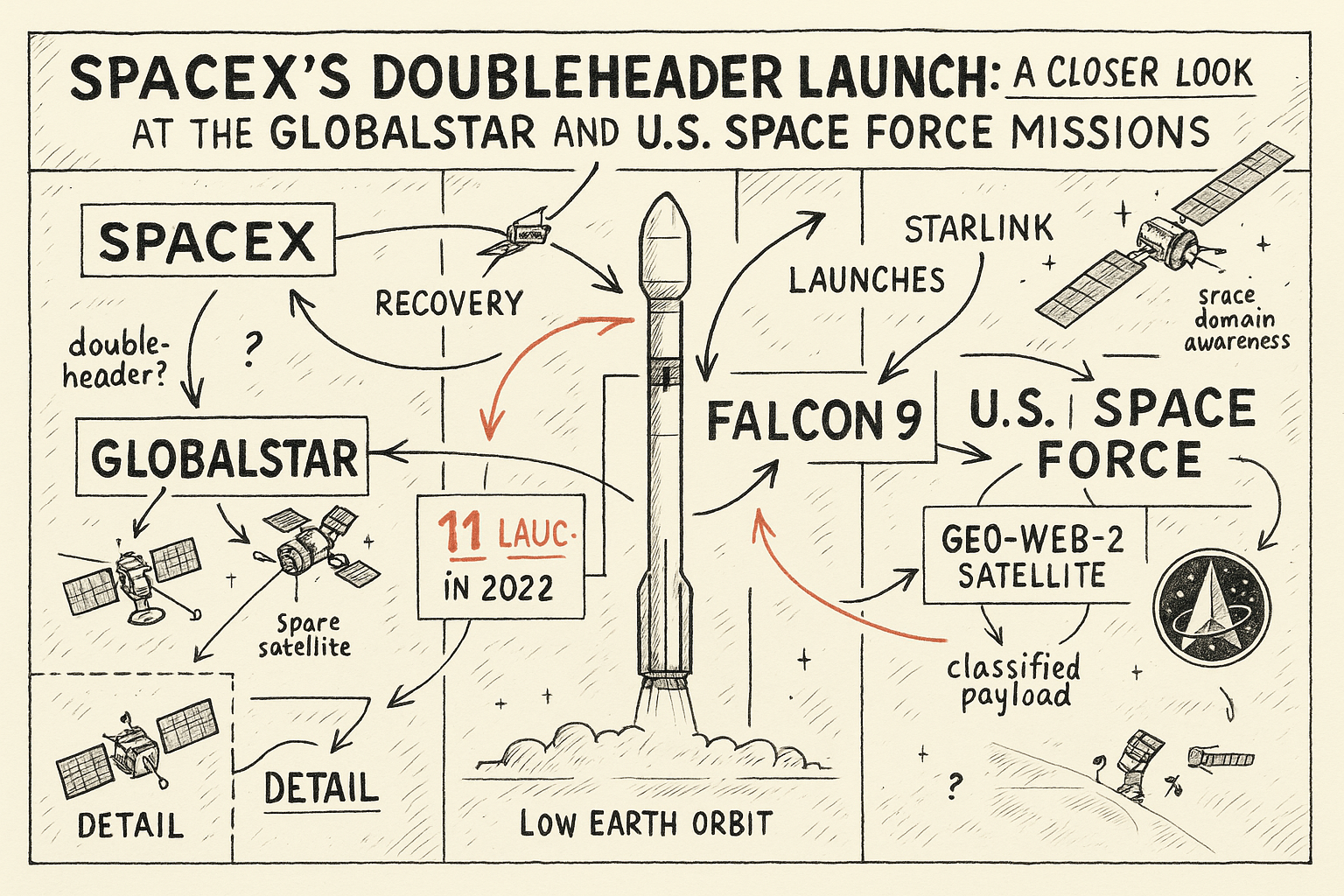
Interestingly, the launch of a secretive US spy satellite reaffirms SpaceX's trusted status among governmental clients. This mission not only emphasizes the strategic importance of space assets in national security but also showcases SpaceX's versatility in handling diverse payloads, from commercial satellites to critical defense infrastructure.
Historical Context and Future Implications
Historically, the space launch industry was characterized by infrequent, costly, and government-led missions. The landscape has dramatically changed with the advent of commercial players like SpaceX, who have introduced reusability and cost-efficiency. The Falcon 9's repeated success is a testament to this shift, facilitating more frequent launches and opening new possibilities for space exploration and commerce.
Looking ahead, the implications of these developments are profound. The continued expansion of satellite constellations like AST SpaceMobile and Starlink will enhance global internet coverage, bridging digital divides and enabling new applications in remote sensing and telecommunications. Moreover, the consistent cadence of launches suggests a future where access to space becomes increasingly democratized, fostering innovation and collaboration across sectors.
ConclusionAs 2026 unfolds, SpaceX's influence in the launch sector is unmistakable. The company's ability to execute complex missions efficiently and reliably positions it as a linchpin in the evolving space ecosystem. As we continue to explore the final frontier, the lessons from SpaceX's recent launches will undoubtedly shape the strategies and aspirations of future space endeavors.