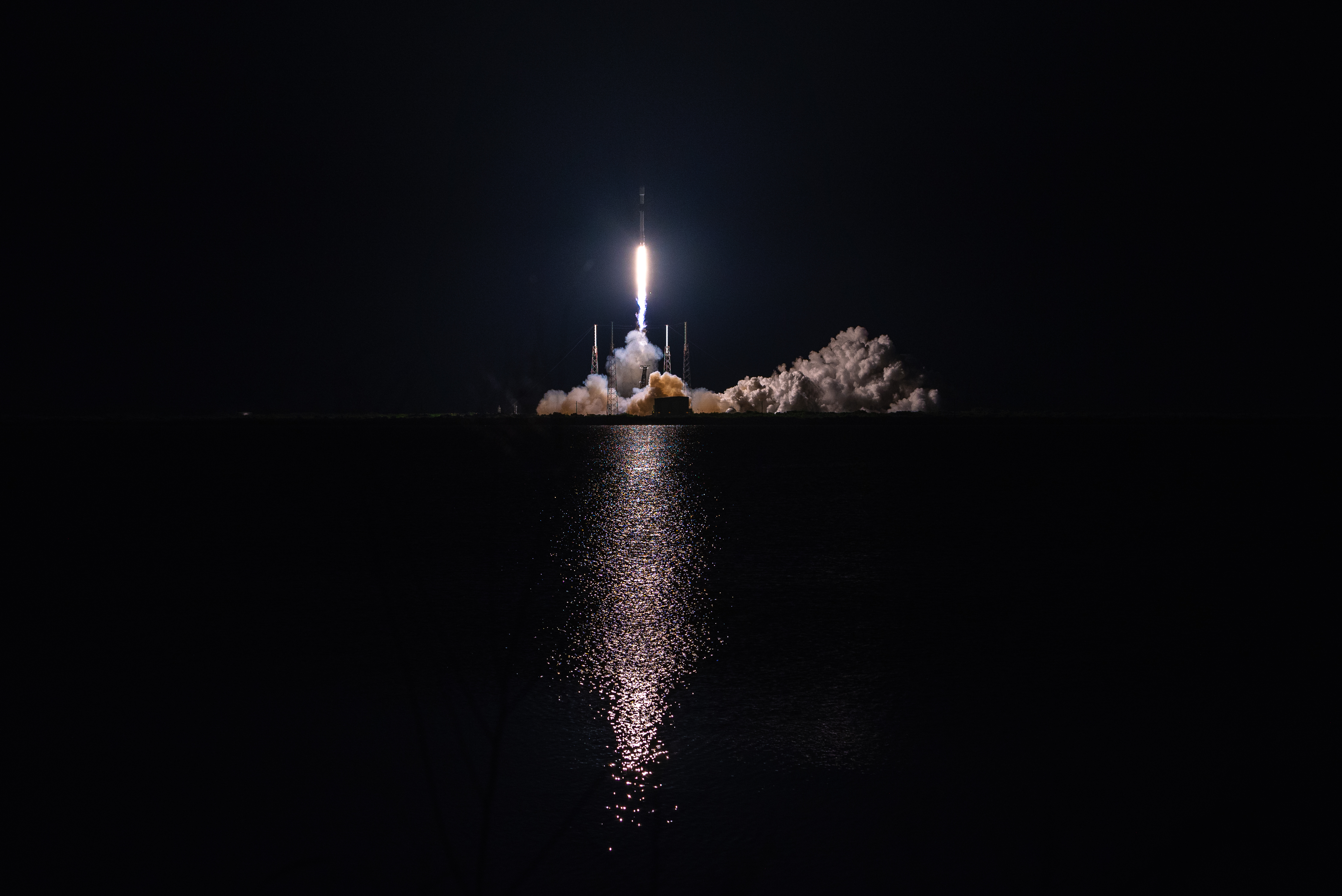
In a significant achievement for space logistics, SpaceX has successfully launched two Falcon 9 rockets within a mere 38.5 minutes, setting a new record for rapid successive launches. This feat not only underscores SpaceX's growing capability in satellite deployment but also highlights its pivotal role in supporting both commercial and national security interests.
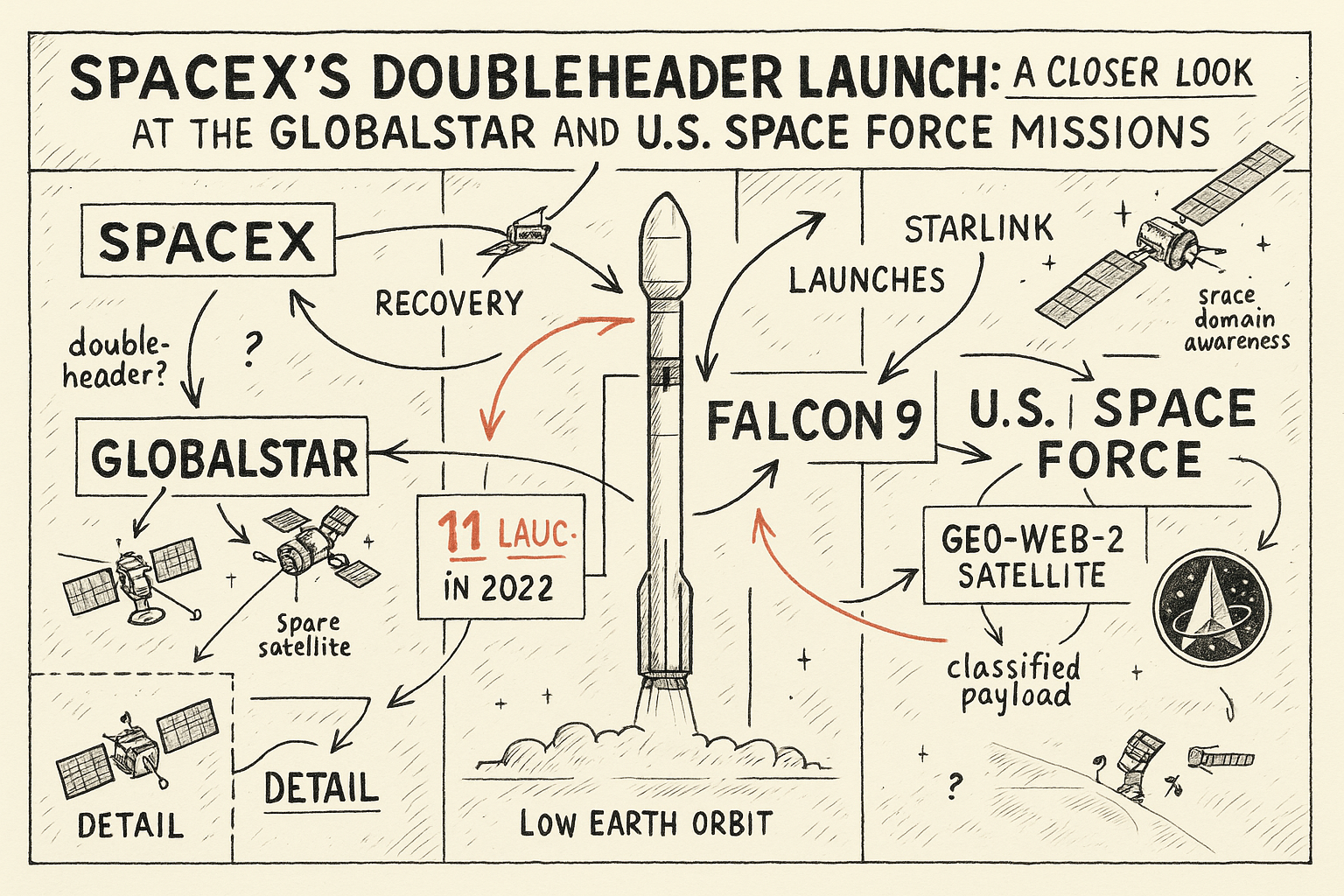
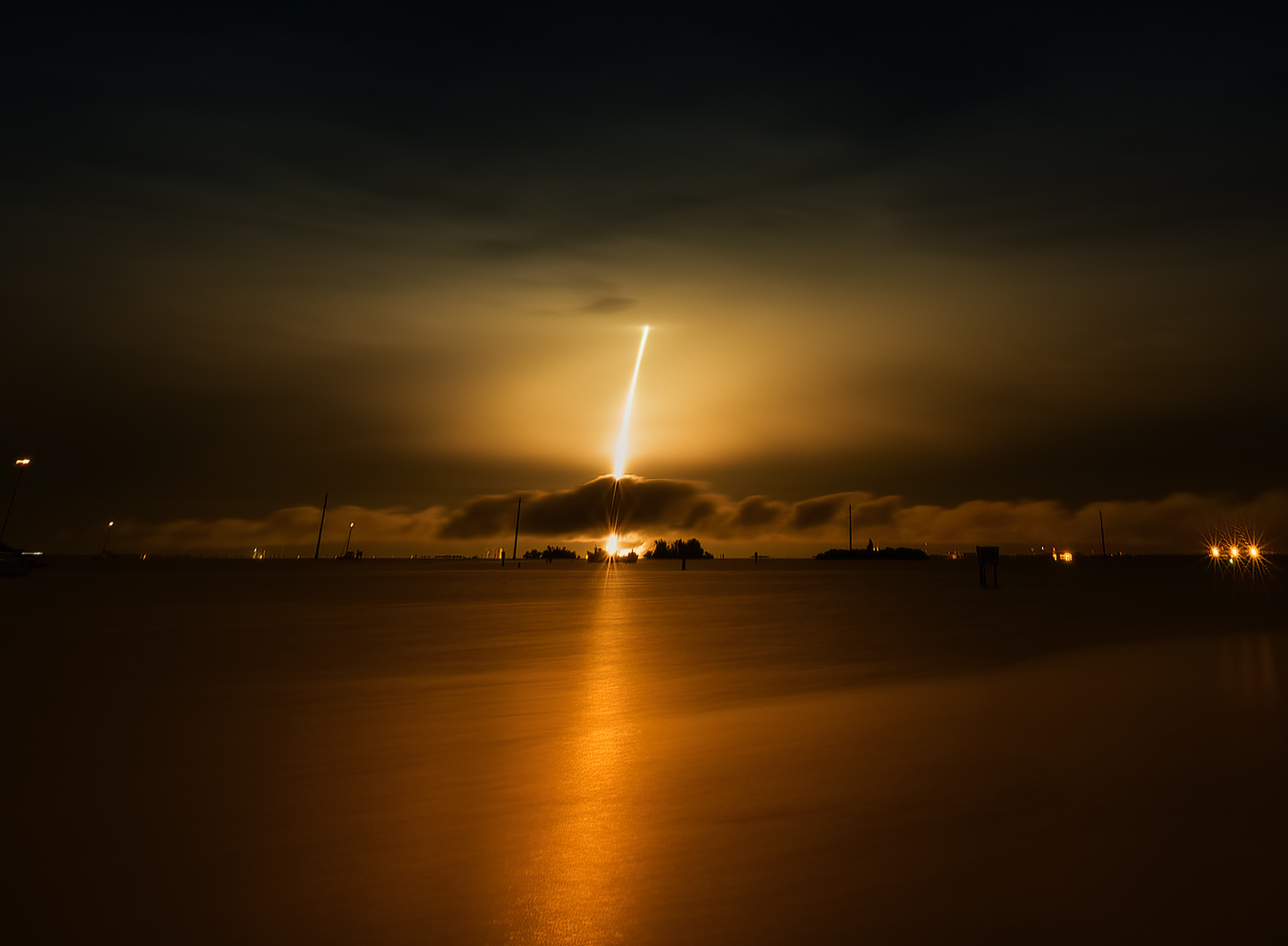
The first of the two launches was dedicated to Globalstar, a telecommunications company that operates a low Earth orbit (LEO) satellite network. The mission, named Globalstar 2-R Launch 1, involved deploying eight satellites to replenish and enhance Globalstar's existing constellation. The Falcon 9 rocket, equipped with the first stage booster carrying the tail number B1090, lifted off from Cape Canaveral Space Force Station at 9:12 p.m. EDT (0112 UTC). The booster, marking its 14th flight, successfully returned to Landing Zone 40, completing its task approximately eight minutes post-liftoff.
This launch was particularly significant as it was the 52nd orbital flight from Florida's Space Coast in 2026, showcasing the region's burgeoning activity as a hub for space operations. Globalstar's decision to launch this mission came after careful preparation and was initially scheduled for May 17 but postponed to ensure readiness of the satellites. Notably, this mission was announced shortly after Amazon revealed plans to acquire Globalstar, a move aimed at enhancing Amazon's Leo constellation with direct-to-device capabilities, positioning it against competitors like SpaceX's Starlink.
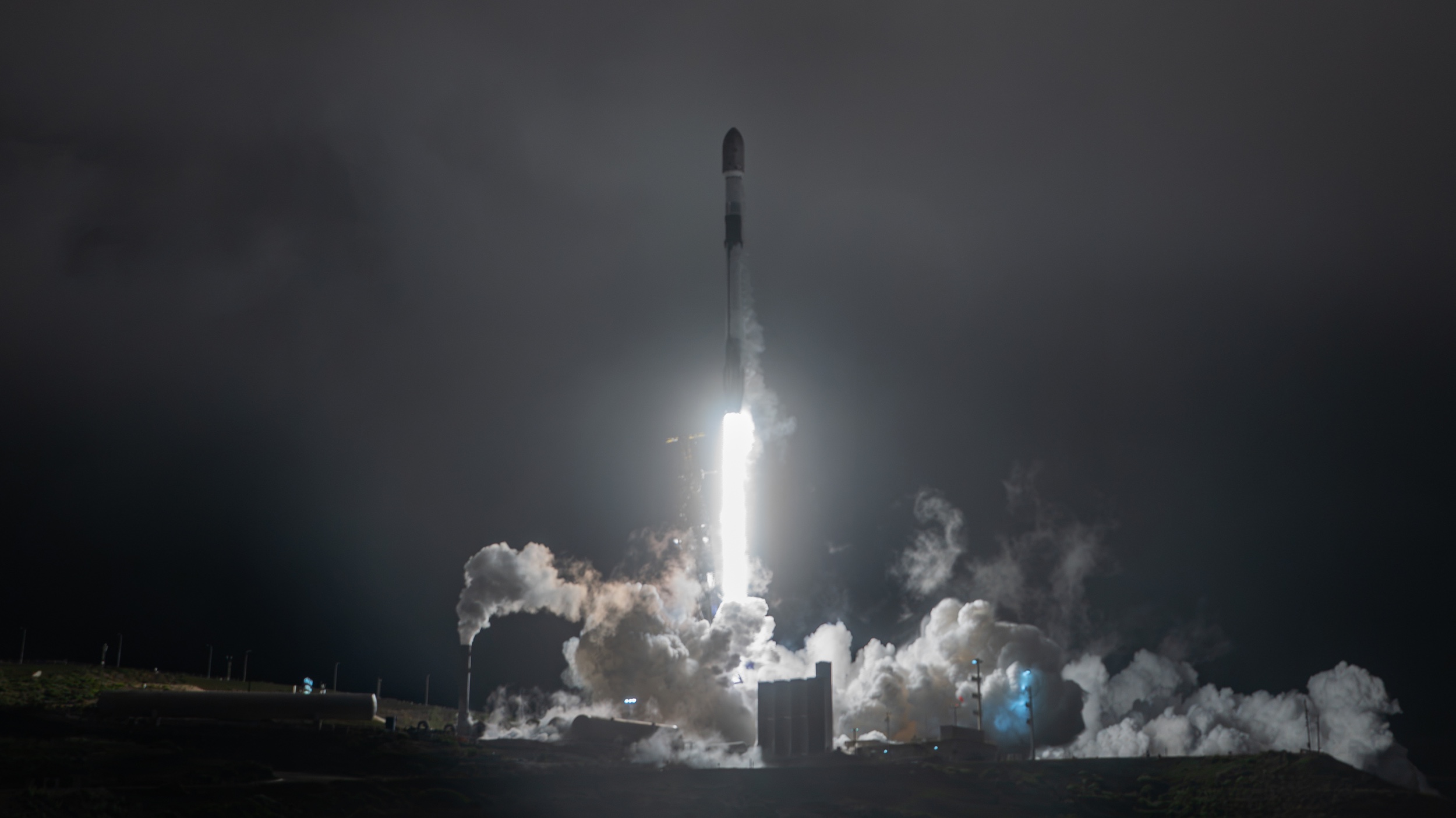
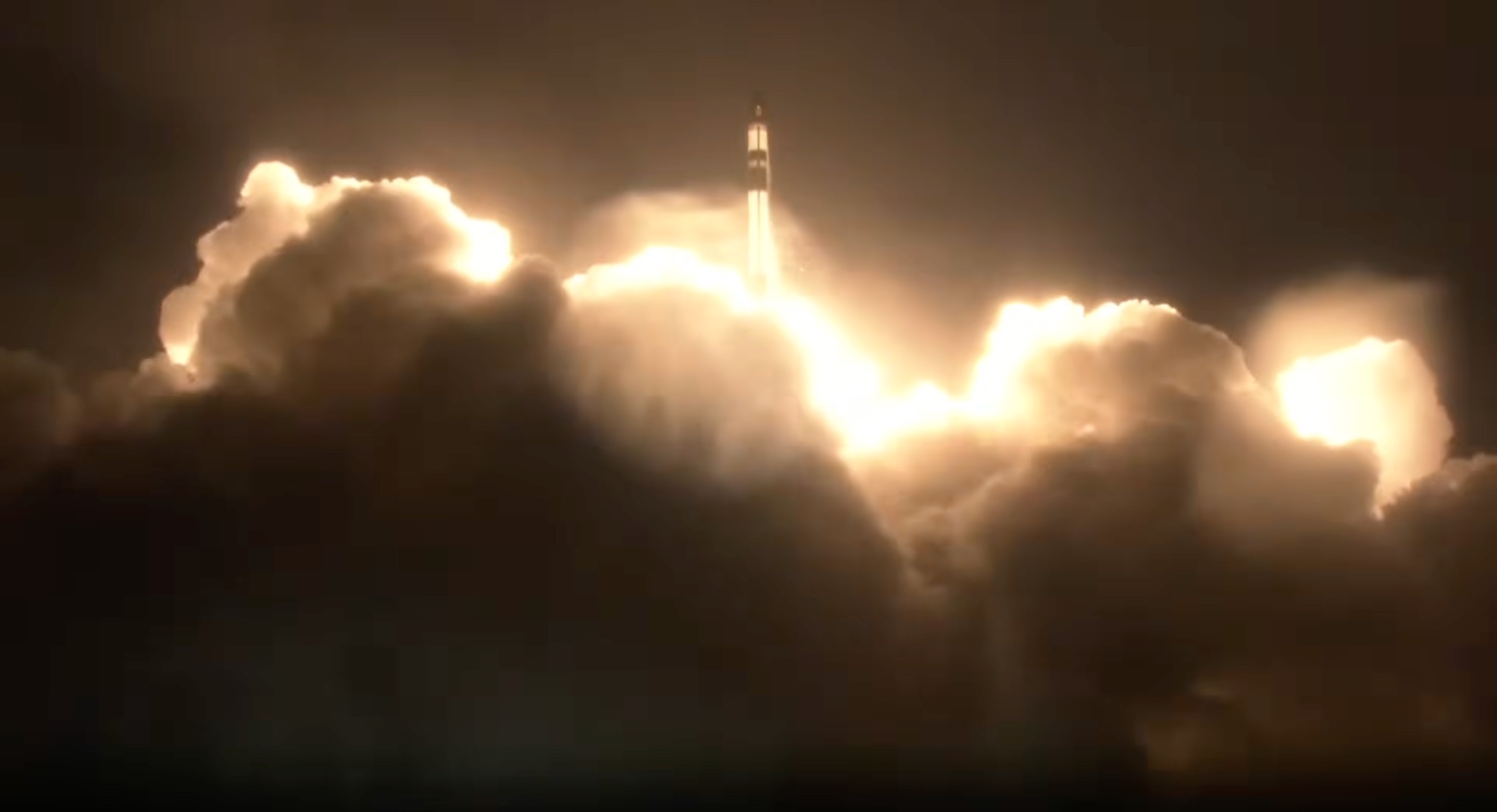
Meanwhile, as the upper stage of the Globalstar mission was coasting in space, SpaceX was simultaneously preparing for its second launch at Vandenberg Space Force Base in California. This mission, associated with the U.S. Space Force and labeled USSF-366, involved a classified payload. While details of the payload remain undisclosed, it is part of a National Security Space Launch Phase 3 Lane 1 task order. The second Falcon 9, featuring the booster tail number B1088, took off at 6:50 p.m. PDT (9:50 p.m. EDT / 0150 UTC) and successfully landed on the droneship 'Of Course I Still Love You' stationed in the Pacific Ocean. This marked the 650th successful landing of a Falcon booster, further cementing SpaceX's reputation for reusable rocket technology.
These back-to-back launches underscore SpaceX's ability to handle complex, high-frequency launch operations, a capability that is crucial as the demand for satellite deployment continues to grow rapidly. The ability to execute such operations efficiently is not only a technical triumph but also a strategic advantage in the highly competitive space industry.
Historically, SpaceX has been at the forefront of revolutionizing access to space with its reusable rocket technology, significantly reducing the cost of launching satellites. With an increasing number of missions under its belt, SpaceX is well-positioned to meet the growing needs of both commercial clients and government entities, including national defense organizations.
Looking ahead, SpaceX's accomplishments in rapid launch turnaround times could pave the way for even more ambitious missions, potentially supporting large-scale satellite networks and deep-space exploration efforts. The company's ongoing partnership with organizations like the U.S. Space Force highlights the strategic importance of maintaining a robust and responsive space launch capability, which is essential for both national security and global telecommunications infrastructure.
As the space industry continues to evolve, the ability to quickly and reliably deploy satellites will be a critical factor in determining the success of satellite service providers and space-faring nations. SpaceX's recent achievements in this domain are a testament to its pioneering spirit and technical prowess, setting the stage for future innovations in space travel and exploration.