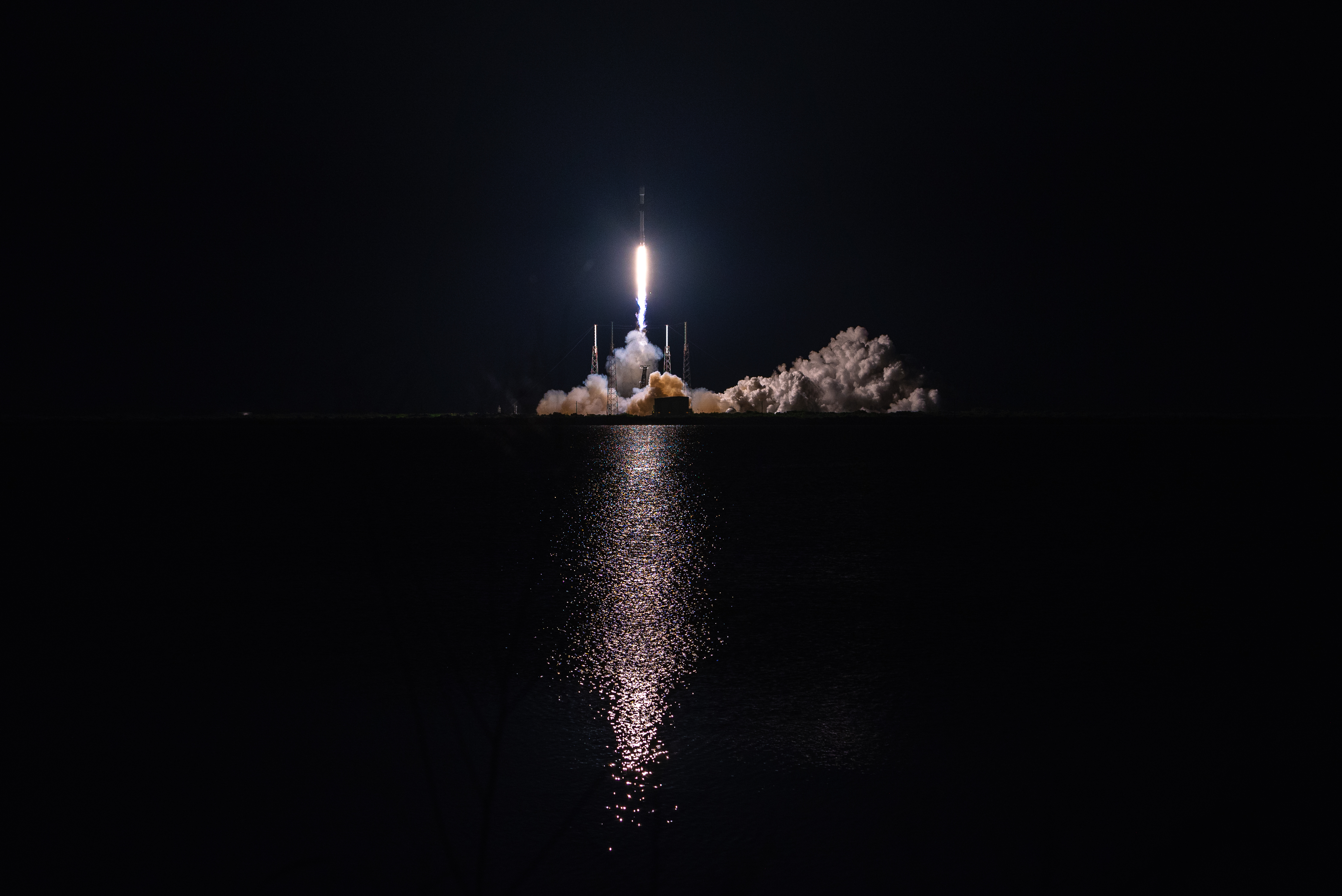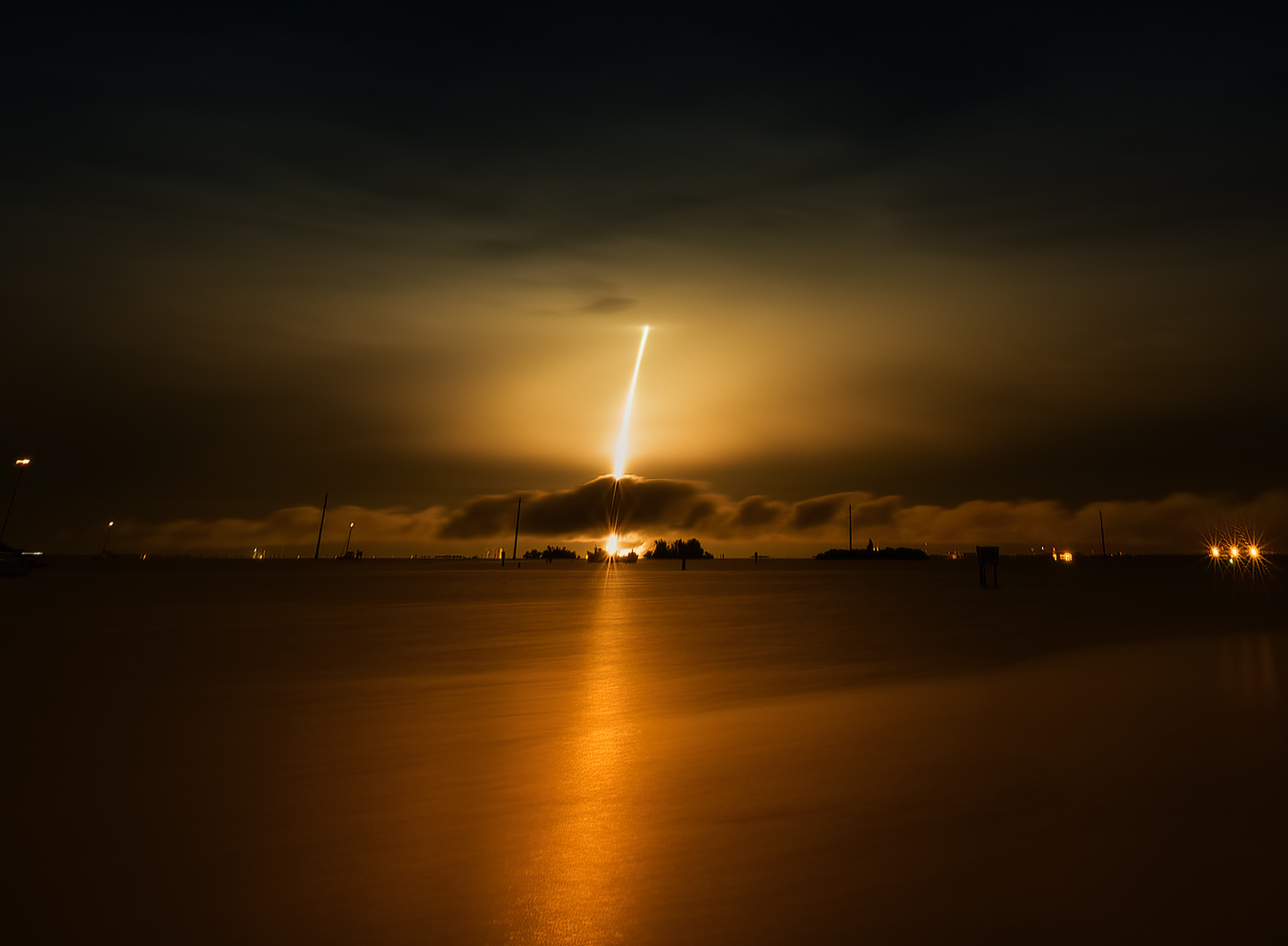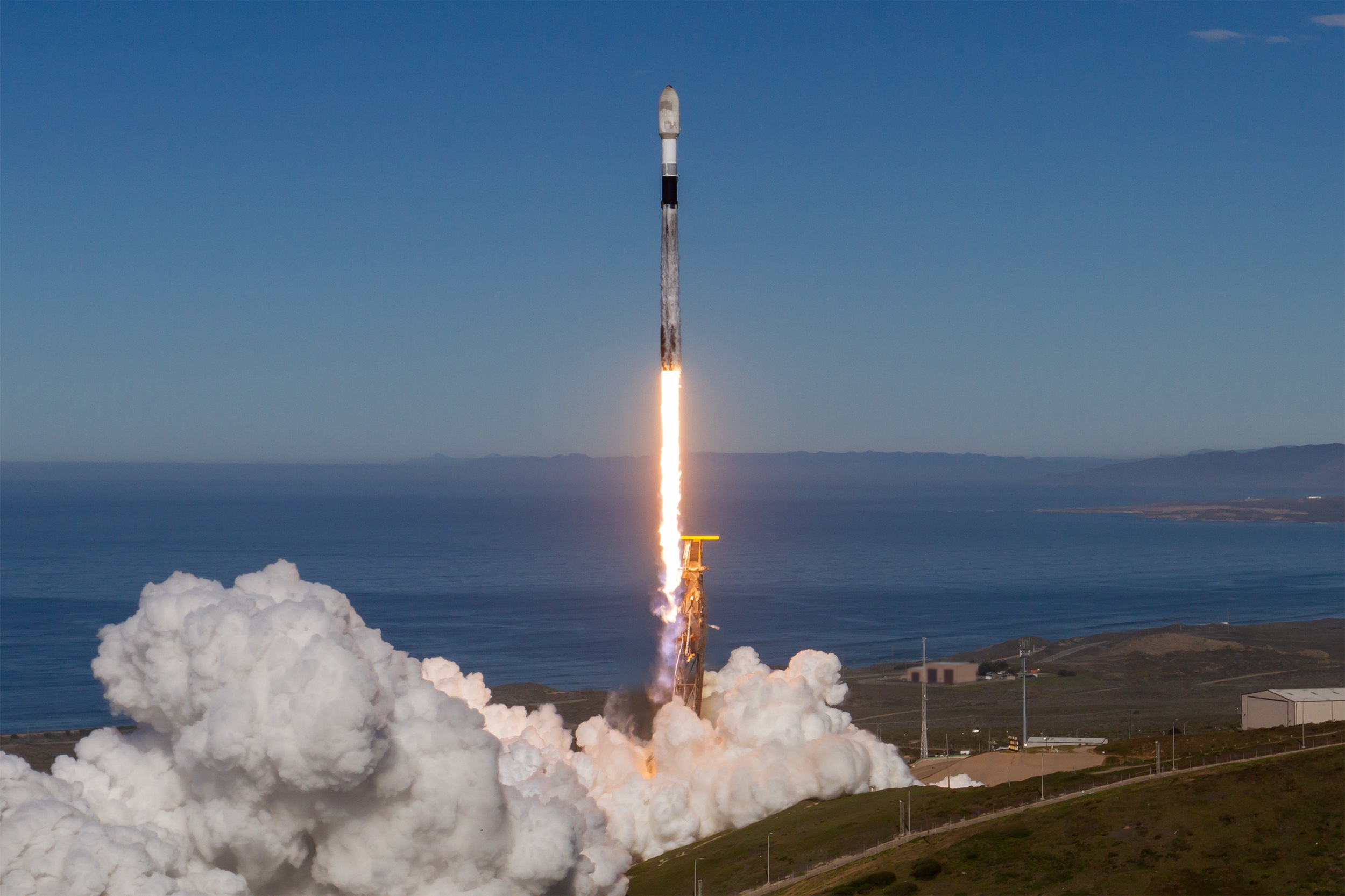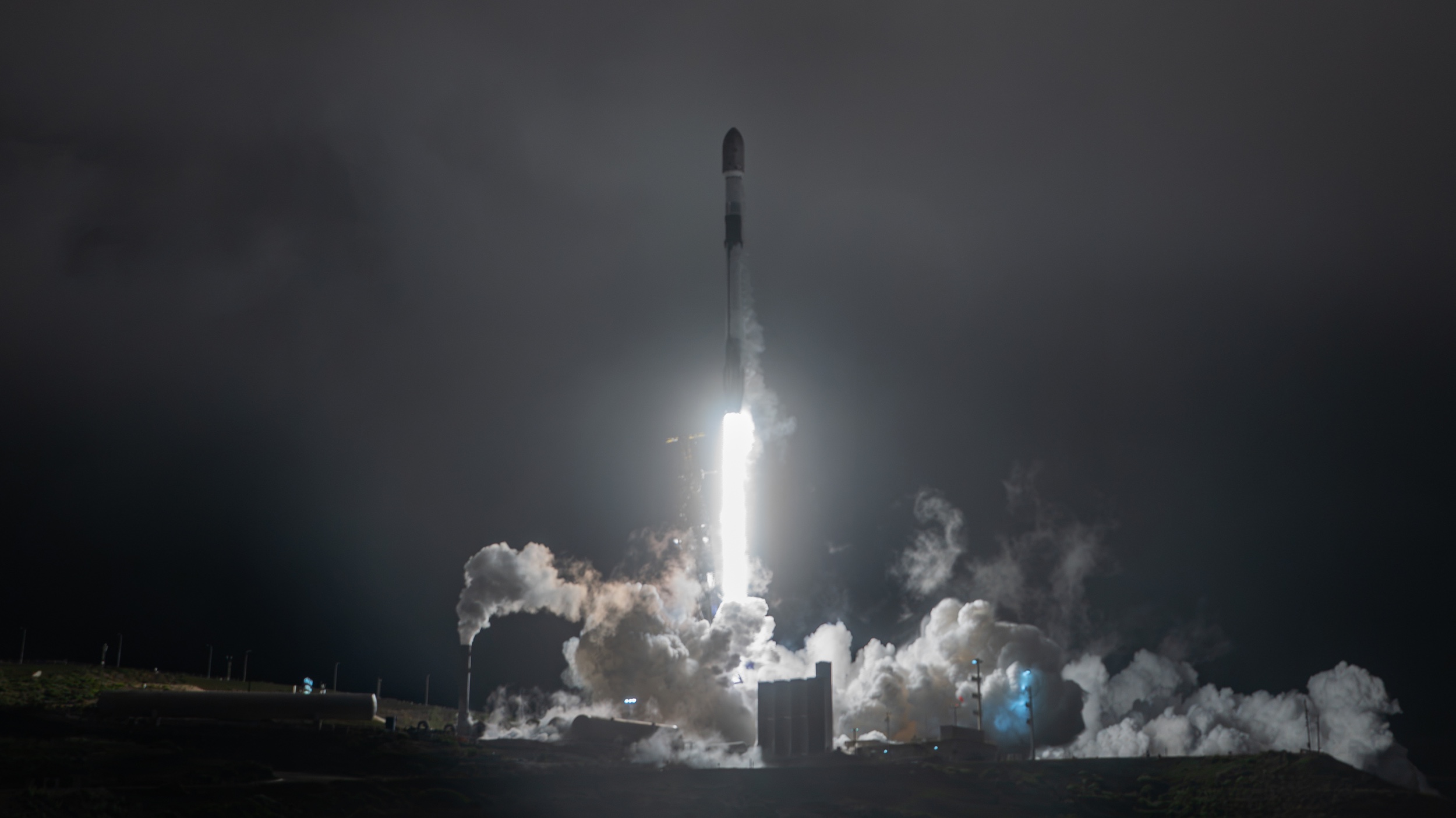
On July 7, 2026, SpaceX marked another successful launch with its Transporter-17 mission. The Falcon 9 rocket, a reliable workhorse in SpaceX's fleet, lifted off from Vandenberg Space Force Base in California at 3:12 a.m. Eastern time. This mission, part of SpaceX's series of rideshare programs, carried an impressive 81 payloads to a sun-synchronous orbit, including hosted payloads and spacecraft on orbital transfer vehicles.
The cornerstone of the Transporter-17 mission was the South Korean imaging satellite CAS500-4, weighing 514 kilograms. This satellite is designed for agricultural and forestry applications, contributing to a growing international focus on Earth observation technologies. The mission also included satellites from various returning customers, such as Iceye, which added four radar-imaging satellites, and Spire, with ten Lemur satellites. Additionally, Axelspace, a Japanese Earth observation company, flew seven GRUS-3 medium-resolution imaging spacecraft.
SpaceX's rideshare missions have played a crucial role in democratizing access to space, particularly for small satellite operators. These missions offer a cost-effective and regular schedule for companies wishing to deploy satellites without the need to finance an entire launch vehicle. However, concerns about the future of the Transporter program are beginning to rise within the industry. Several partners and customers have reported that SpaceX is not accepting new Transporter reservations beyond late 2028 or early 2029, and the current manifest is nearly full.
Despite these concerns, SpaceX has not publicly commented on any potential changes to its rideshare offerings. During the webcast of the Transporter-17 launch, a host emphasized the program's significance, stating, “Rideshare missions like today’s significantly increase access to space for small satellite operators around the world, and we’re excited to be able to offer these launch opportunities for SpaceX customers.”
Industry speculation about the rideshare program's future has been fueled by comments from competitors. Adam Spice, chief financial officer of Rocket Lab, expressed at the Spacetide conference a growing unease about the availability of future SpaceX rideshare launches, including the use of the Falcon 9 rocket itself. This apprehension stems from SpaceX's previous statements indicating they might be nearing the peak of Falcon 9 launch activity.
This potential shift in SpaceX's strategy could have significant implications for the small satellite market. Companies like Exolaunch and SEOPS, which have historically arranged launches on Transporter missions, are now exploring alternatives, such as purchasing their own Falcon 9 rideshare launches to secure their access to space.
The Transporter-17 mission's success underscores the current demand and reliance on SpaceX's rideshare program, which has become a critical component of the global satellite launch industry. As the industry awaits more clarity from SpaceX, the future of low-cost, frequent access to space remains a topic of intense interest and concern. The implications of any changes to the Transporter program will not only affect satellite operators but could also influence the broader landscape of commercial spaceflight, encouraging other providers to fill potential gaps in the market.