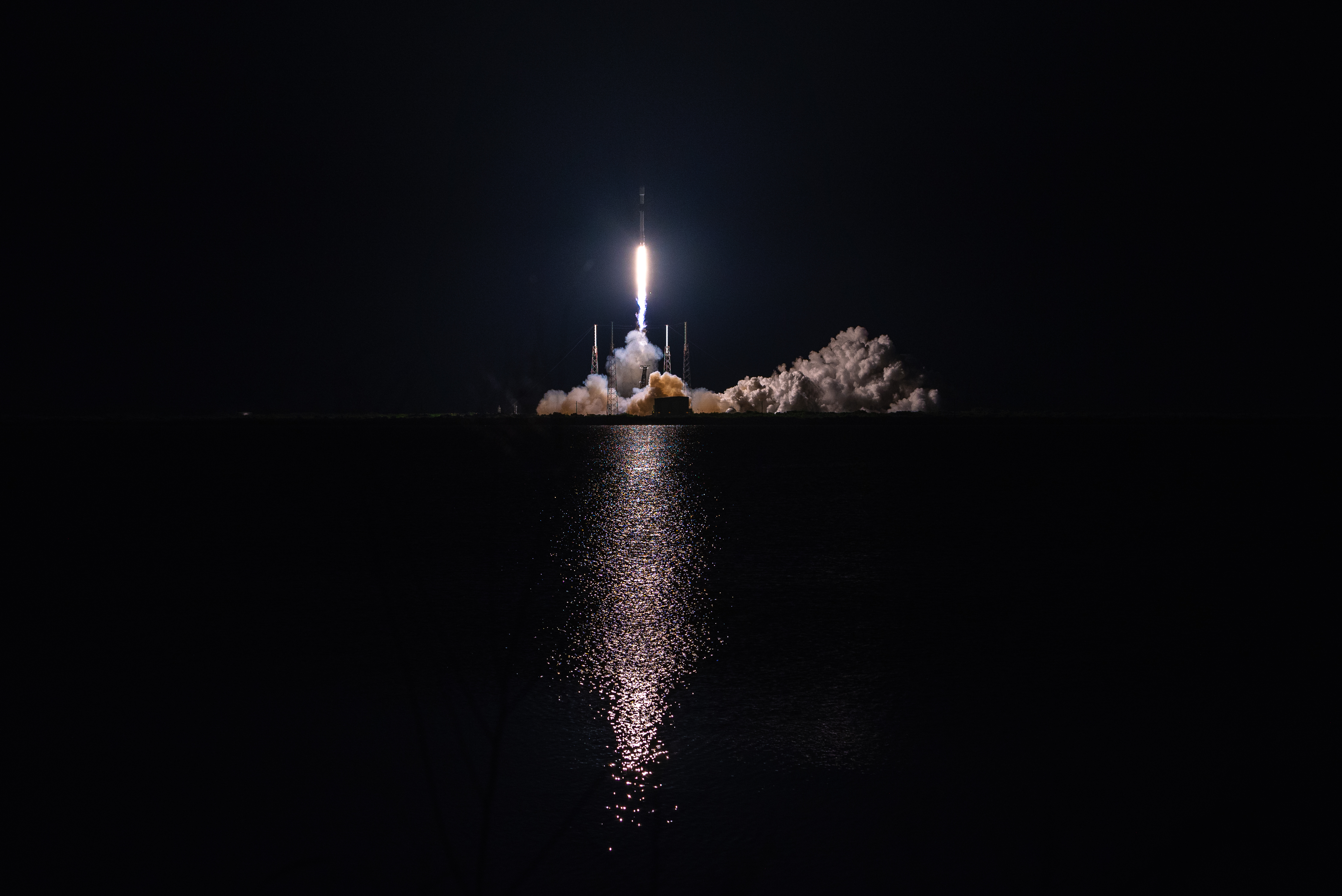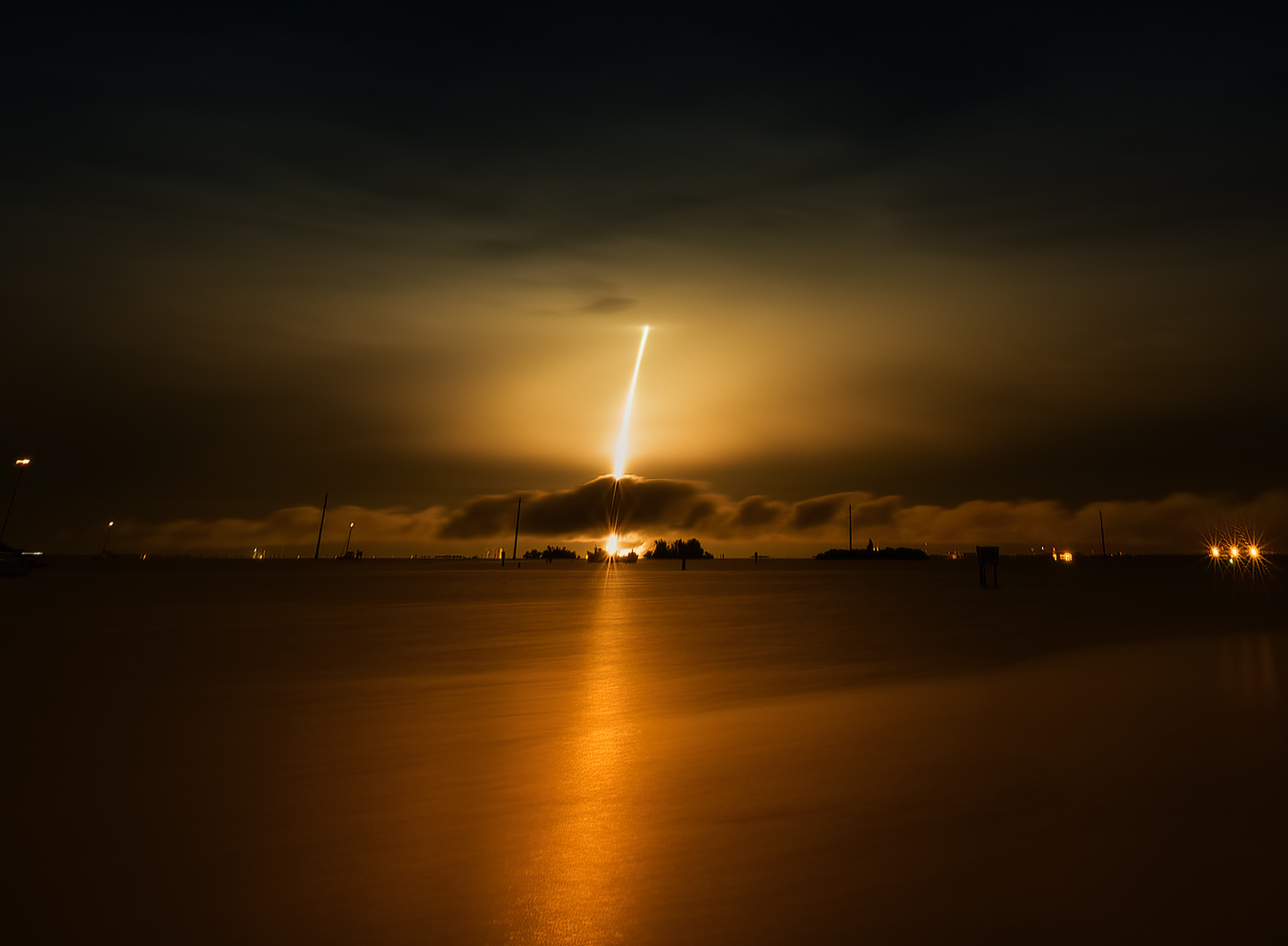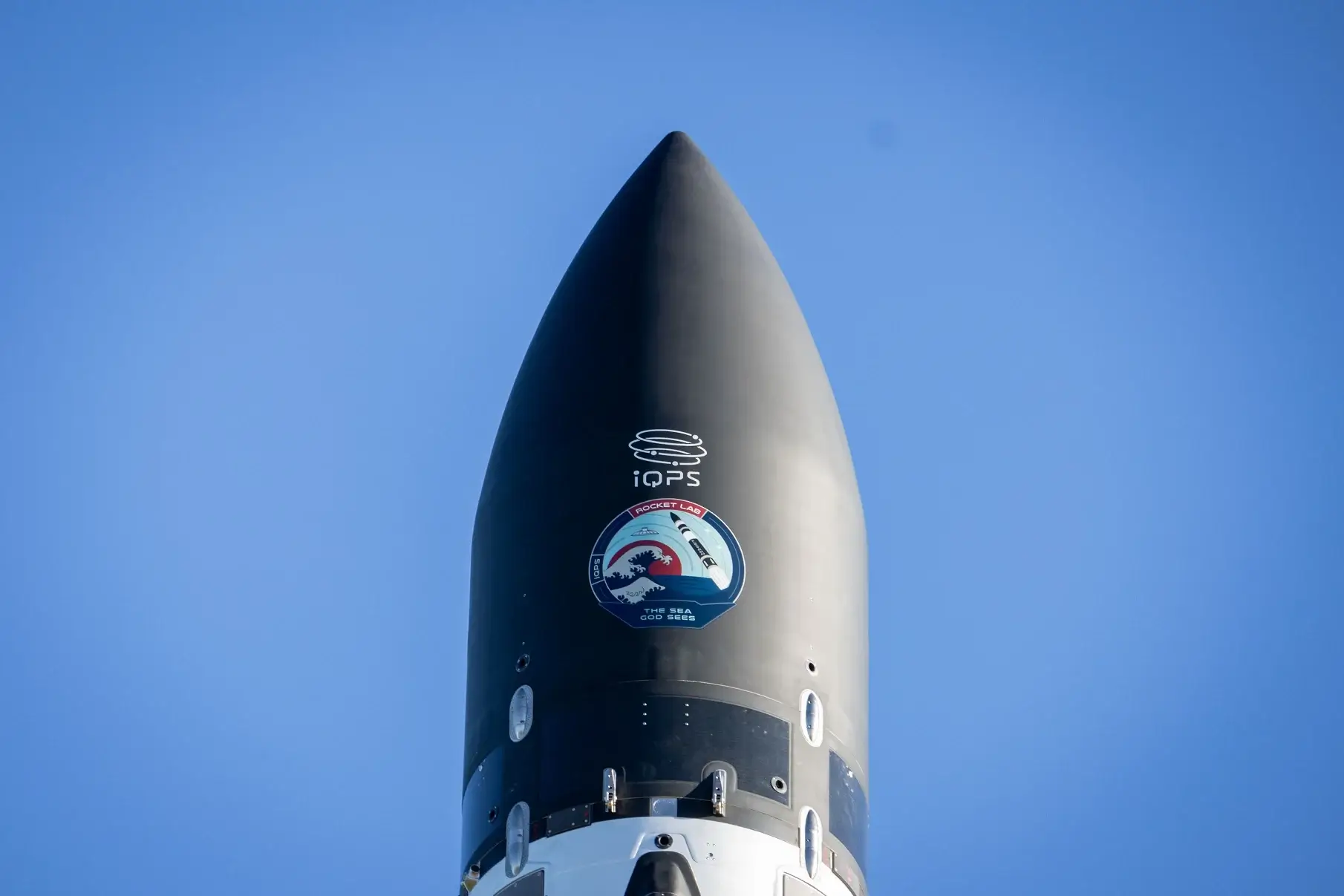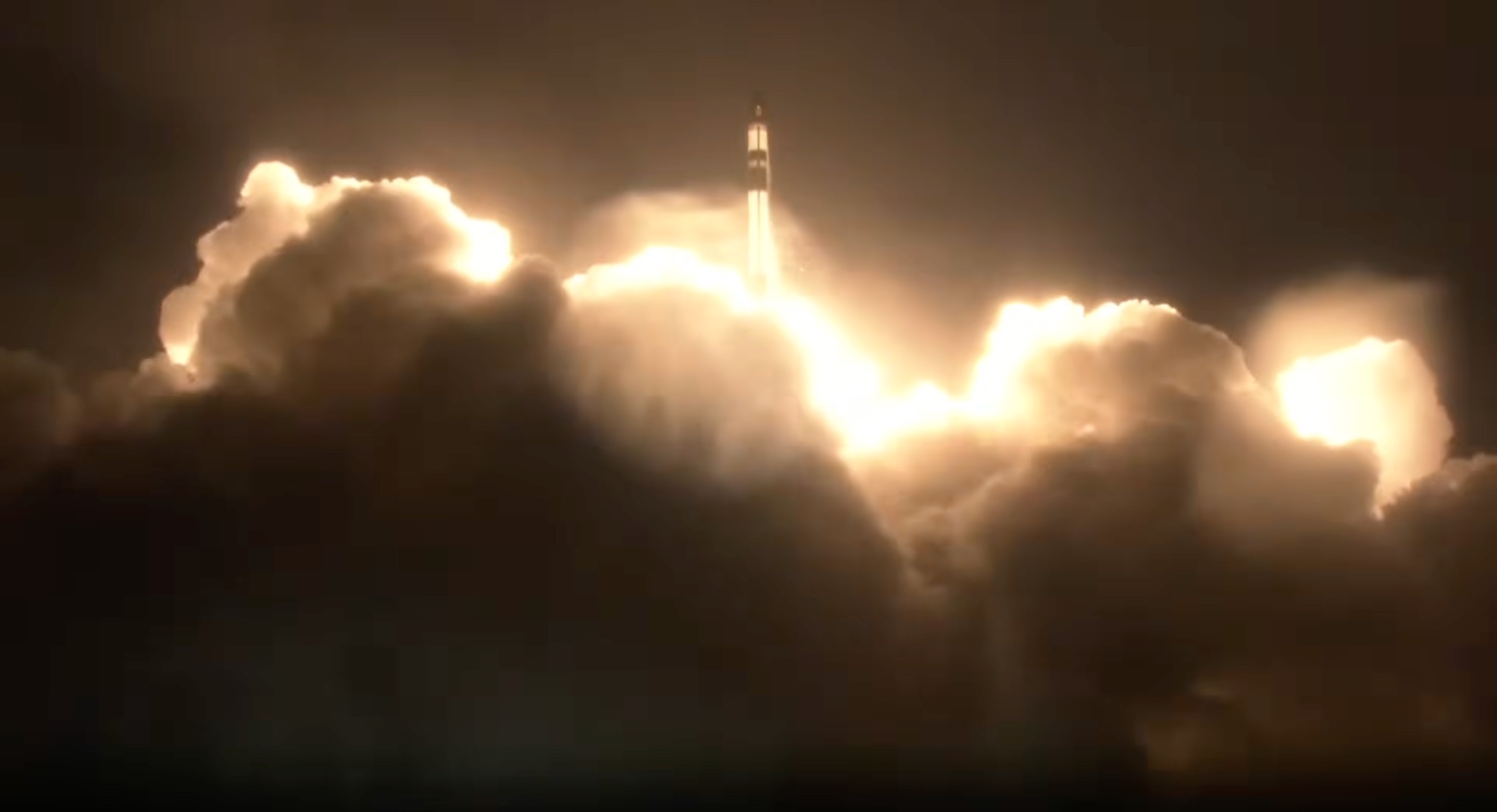
On June 26, Rocket Lab successfully launched the 10th radar-imaging satellite for the Japanese company Synspective, marking a significant milestone in their ongoing collaboration. The launch took place from Rocket Lab’s Launch Complex 1 in New Zealand at 1:43 p.m. Eastern Time, under the mission name “10 Owl of 10.” The satellite was deployed into a 552-kilometer orbit inclined at 42 degrees, just 56 minutes after lift-off.
This mission underscores the steady relationship between Rocket Lab and Synspective, with the latter relying solely on Rocket Lab's Electron rockets for its satellite deployments thus far. The current agreement covers 17 additional Electron launches, signaling a robust future partnership. Additionally, Synspective plans to diversify its launch strategy by engaging with SpaceX, securing agreements for seven more spacecraft launches through SpaceX rideshare missions.
Originally scheduled for June 17, the launch was postponed to conduct additional pre-launch checkouts, as announced by Rocket Lab on June 16. This delay was followed by an unannounced responsive launch mission for the U.S. Space Force’s Victus Haze program, which took place on June 19. Details of this launch emerged only after the fact, with the Space Force and Rocket Lab confirming the mission more than 72 hours later. The stealthy nature of this mission was further emphasized by the absence of eyewitness reports due to the remote launch location, and the mission’s specifics were only available through the Space Force's Space-Track database.
This latest Synspective launch marks Rocket Lab's 12th Electron mission of 2026, inclusive of three flights of the HASTE (Hypersonic Accelerator Suborbital Test Electron) suborbital variant. The most recent HASTE mission, dubbed “Curveball,” took off from Launch Complex 2 in Virginia on June 11. Despite the successful deployment of the second stage and kick stage into a low orbit, the payload's fate remains undetermined as it was not cataloged.
Rocket Lab's operations exemplify the growing trend toward responsive and flexible launch services, catering to both commercial and governmental needs. The company's ability to reschedule and prioritize launches, such as accommodating the U.S. Space Force’s requirements, highlights its adaptability in the increasingly dynamic space launch industry.
The strategic use of Electron rockets by Synspective also reflects a broader industry trend where satellite operators seek reliable and cost-effective launch solutions to deploy their constellations. Radar-imaging satellites, like those launched by Synspective, are crucial for a range of applications, including disaster monitoring, infrastructure management, and natural resource exploration. As these industries expand, so too does the demand for frequent and precise satellite launches.
Looking ahead, Rocket Lab's ongoing partnership with Synspective and its involvement in military missions underscore the company’s dual focus on commercial and defense sectors. This duality could position Rocket Lab as a versatile player in the future of space logistics. Meanwhile, Synspective's commitment to expanding its satellite constellation with additional Electron and SpaceX launches suggests a strategic effort to enhance its capabilities and market reach.
As the space industry continues to evolve, collaborations like these between Rocket Lab and Synspective offer a glimpse into the future of satellite deployment and the growing importance of adaptable launch services that can meet diverse needs across sectors.