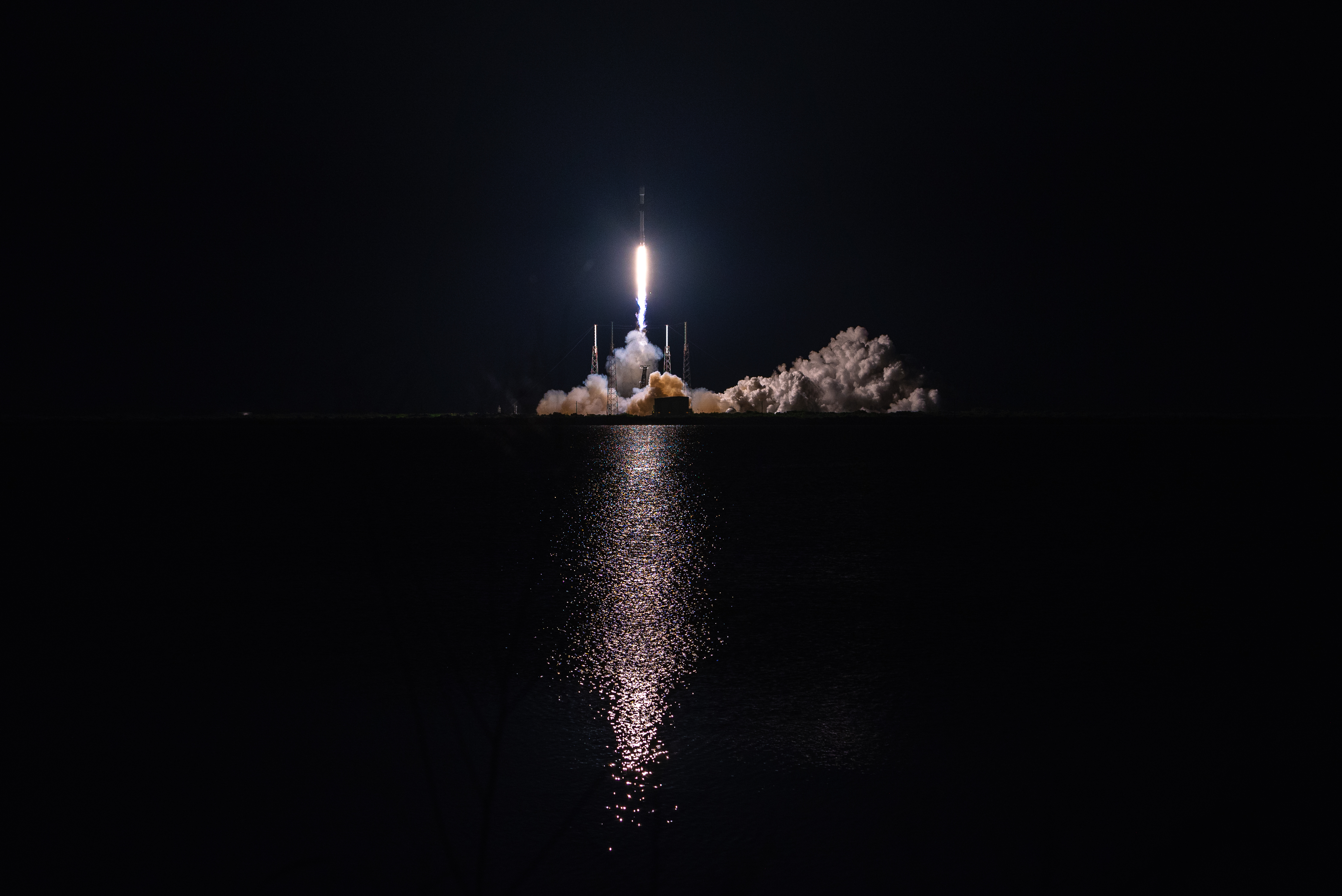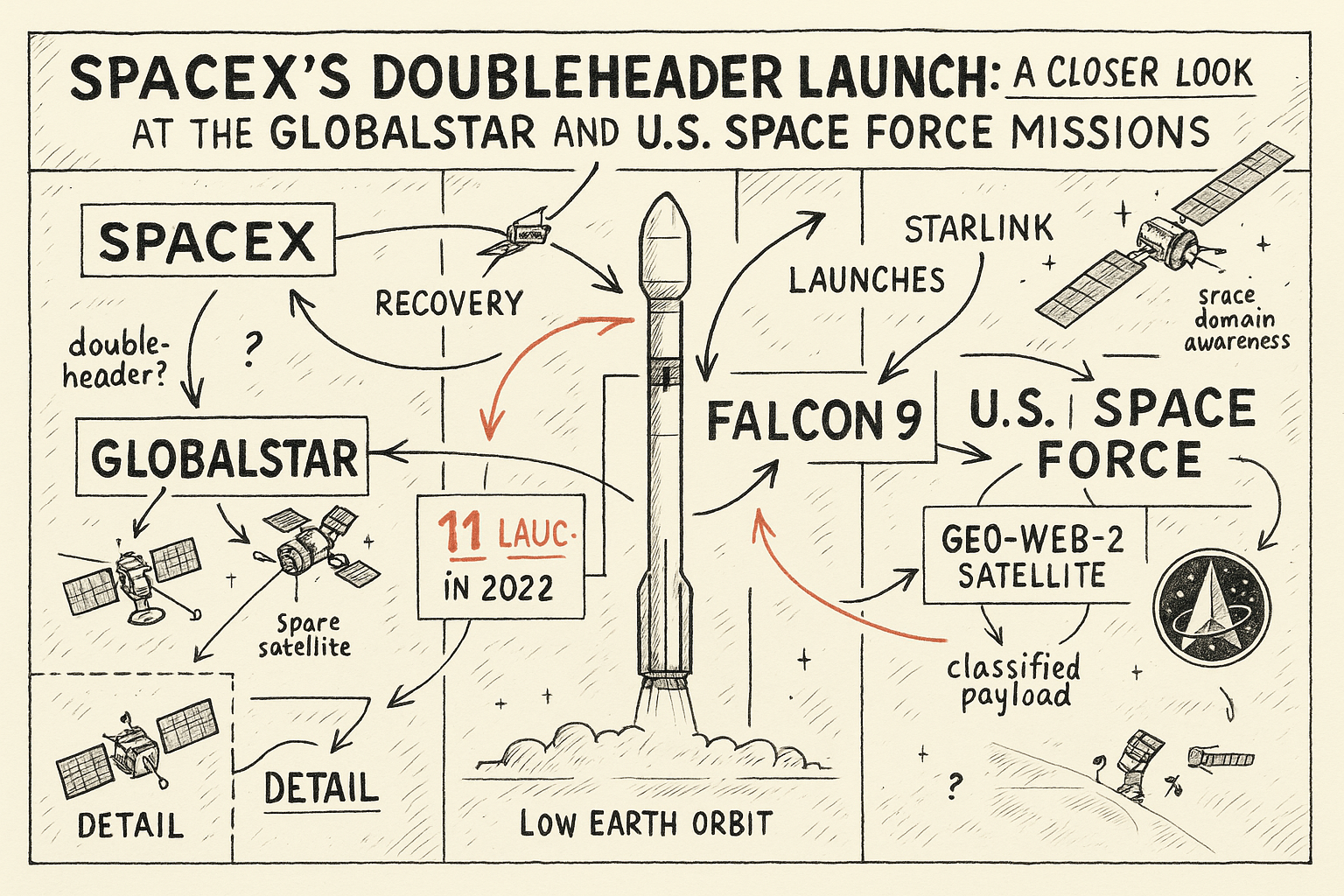
SpaceX continues to push the boundaries of what's possible in space exploration and satellite deployment. On August 15, 2026, the company achieved another milestone with a doubleheader launch, deploying satellites for both Globalstar and the U.S. Space Force. This ambitious endeavor saw two Falcon 9 rockets lift off from opposite coasts of the United States, showcasing SpaceX's operational flexibility and technical prowess.
The first of these launches took place at Florida's Cape Canaveral Space Force Station. A Falcon 9 rocket successfully carried eight satellites for Globalstar, a telecom company that provides mobile satellite services. The deployment of these satellites is expected to enhance Globalstar's communication capabilities, further cementing its position in the satellite telecom industry.
Meanwhile, on the West Coast, another Falcon 9 rocket took off from Vandenberg Space Force Base in California. This mission was part of the U.S. Space Force's ongoing efforts to expand and modernize its satellite constellation. The launch from Vandenberg marked SpaceX's 51st flight from the West Coast in 2026, underscoring the company's robust launch schedule and its ability to support diverse missions.
Starlink and Beyond
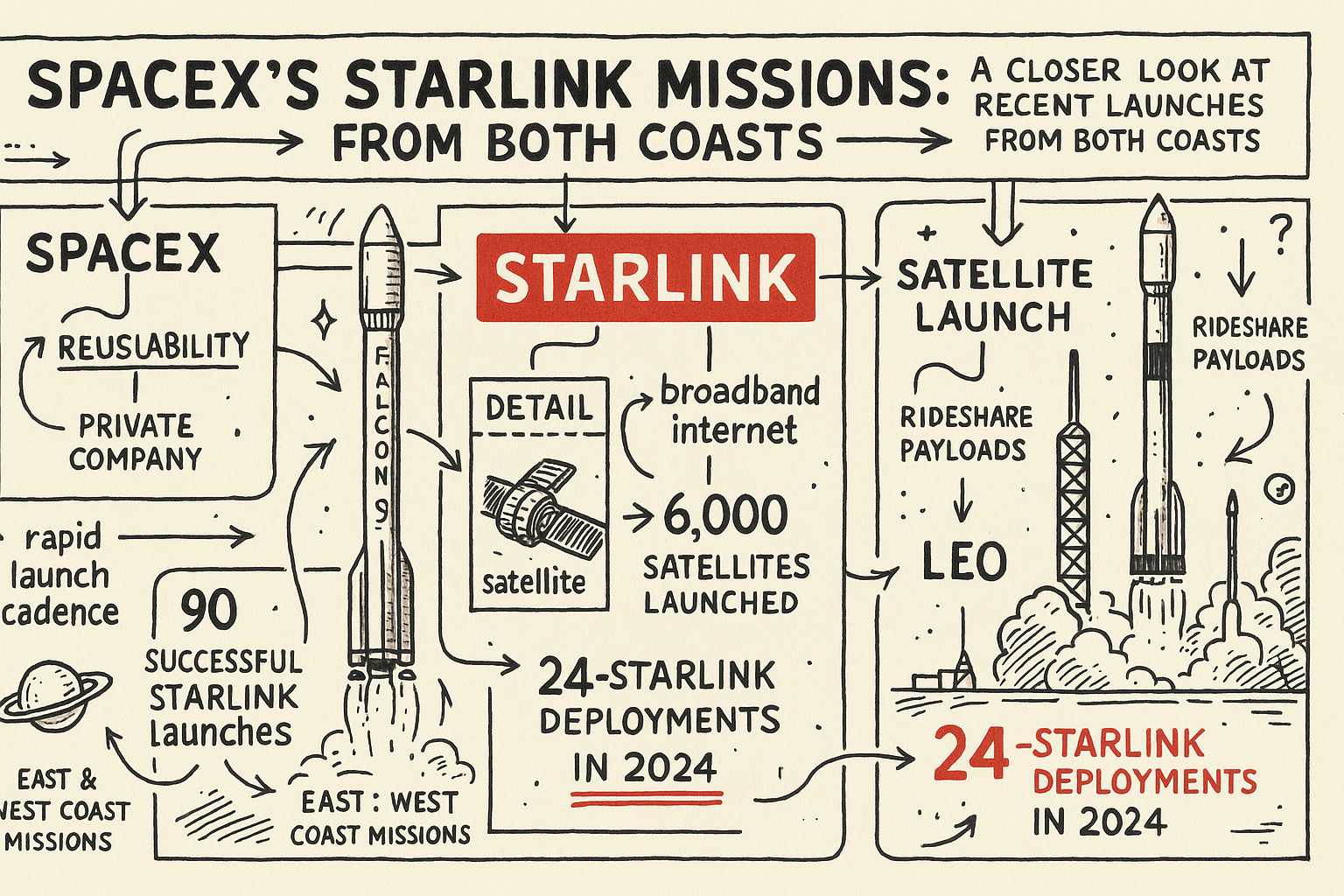
In addition to these high-profile launches, SpaceX continues its aggressive deployment of Starlink satellites. On August 11, 2026, a Falcon 9 rocket launched 29 Starlink V2 Mini Optimized satellites from Cape Canaveral. This mission faced a brief delay due to weather conditions but ultimately proceeded successfully, with the booster landing on a droneship, showcasing SpaceX's commitment to reusability.
Another Starlink mission followed closely on August 12, 2026, when SpaceX launched 24 more Starlink satellites from Vandenberg Space Force Base. This mission, designated Starlink 17-49, took a south-southwesterly trajectory and further contributed to SpaceX's goal of providing global internet coverage through its Starlink constellation.
Looking Ahead
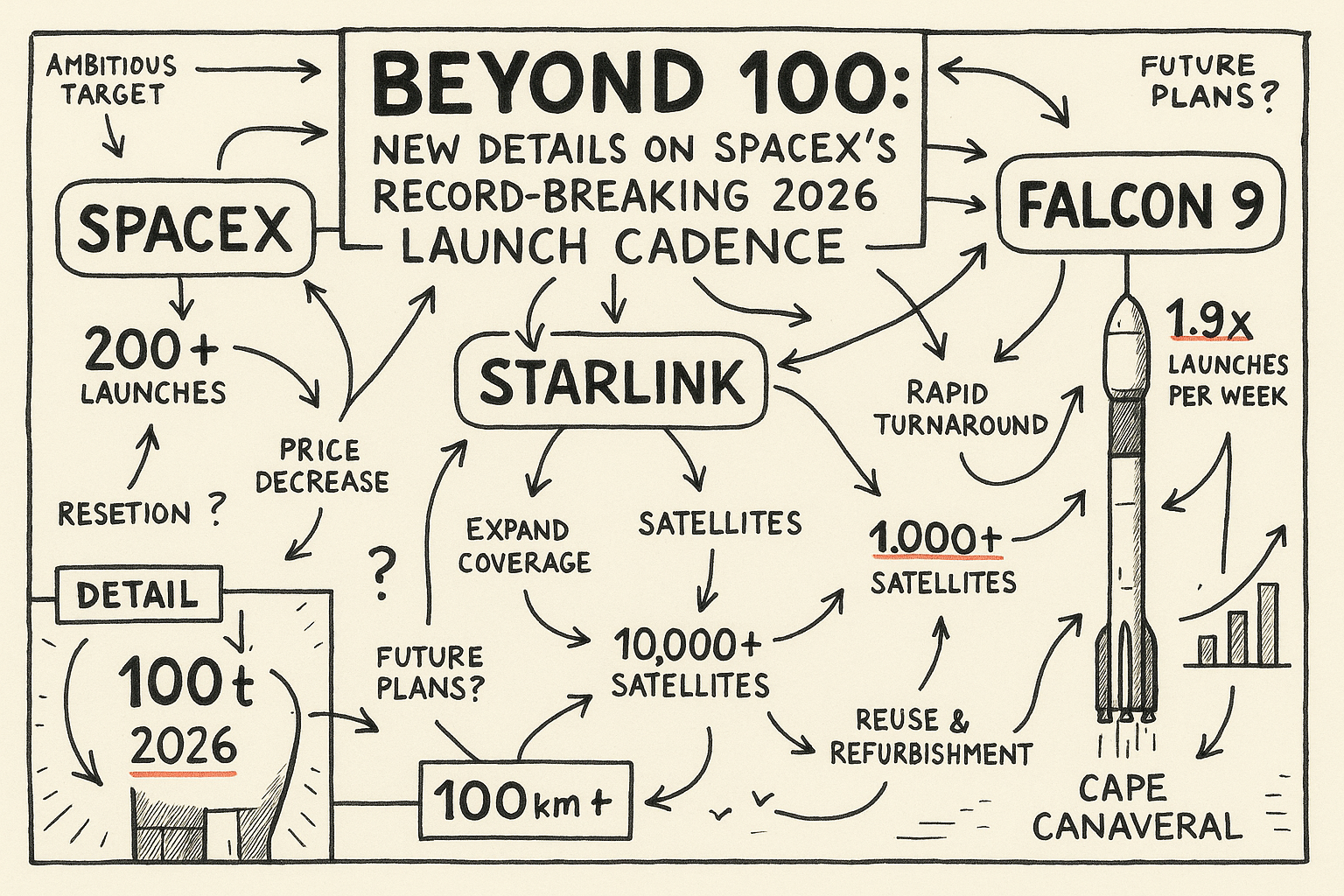
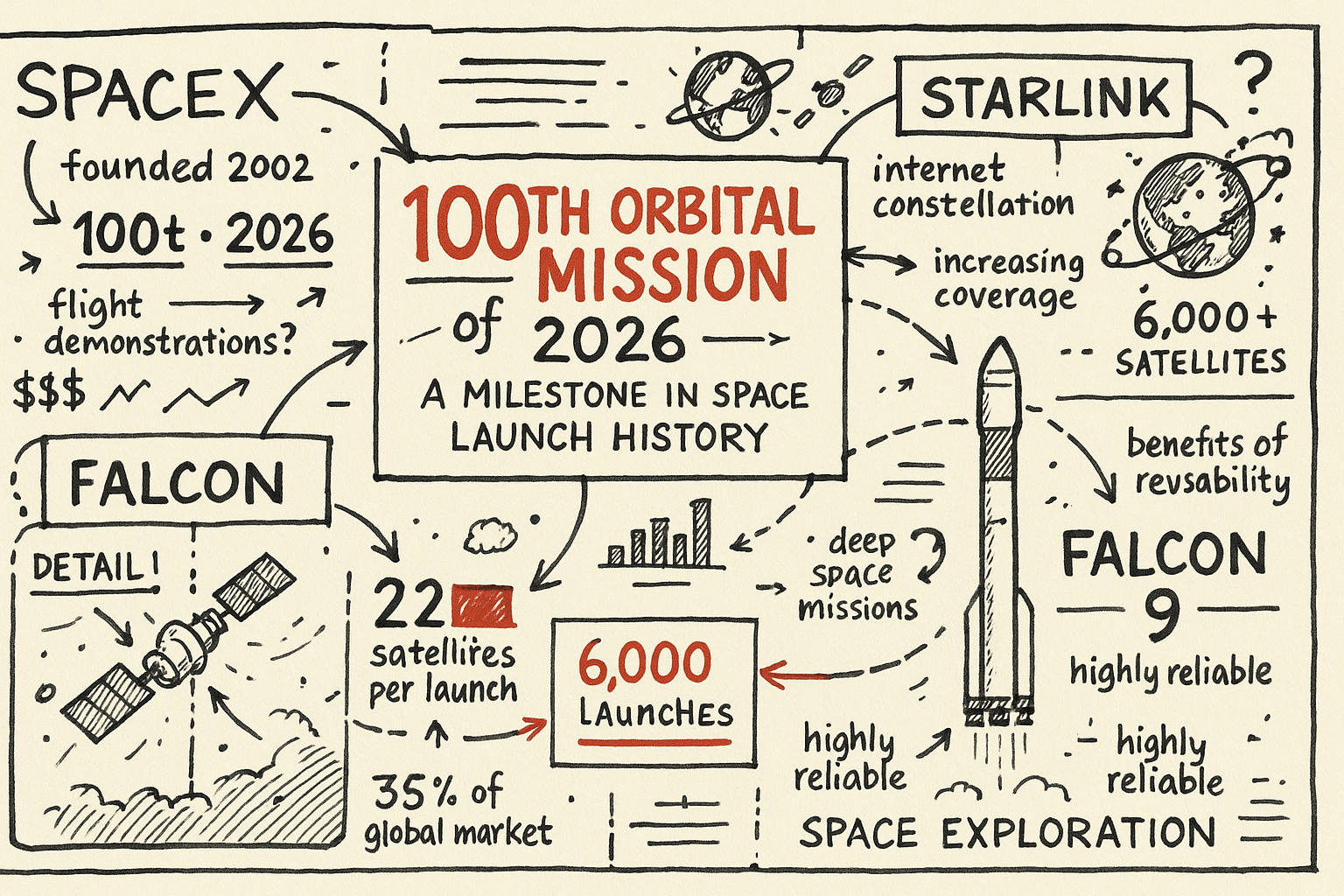
SpaceX is on track to reach its 700th Falcon 9 mission by September 2026, a testament to its rapid pace of launches and its role as a leader in the commercial space sector. Additionally, the company is exploring innovative uses for its rockets beyond traditional satellite launches. The Starfall demo mission, launched on June 23, 2026, aims to use rockets for rapid cargo delivery across the globe and to facilitate in-space manufacturing, leveraging the unique conditions of microgravity and the vacuum of space.
These developments highlight SpaceX's commitment to not only expanding its satellite deployment capabilities but also pioneering new applications for space technology. As the company continues to break records and set new standards, the future of space exploration and satellite technology looks increasingly promising.