The cosmos has once again provided a glimpse into the ancient past of our solar system. A team of researchers from the University of Colorado Boulder has recently published findings that suggest a rare meteorite holds clues to a Mars-sized planet that existed during the early formation of the solar system.
Meteorites are invaluable to scientists because they offer a tangible connection to celestial bodies and eras that are otherwise inaccessible. This particular meteorite, which has been subject to extensive study, serves as a time capsule, preserving characteristics that reflect conditions from billions of years ago.
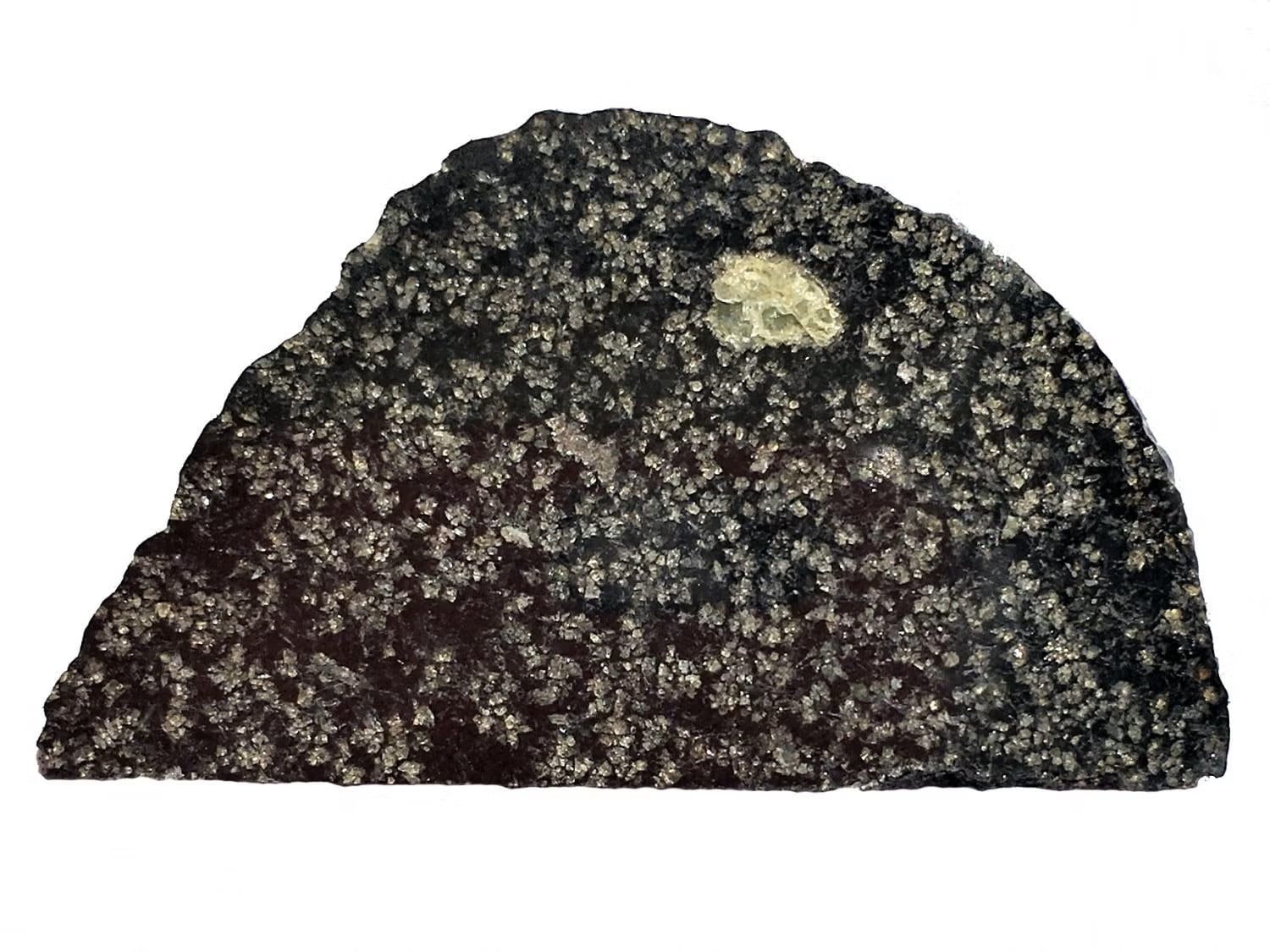
The study highlights that this meteorite is not just any space rock; it is part of a rare class that carries the chemical signatures of a planetary body that once shared our nascent solar system. The research indicates that this planet was roughly the size of Mars, existing during the solar system's formative years.
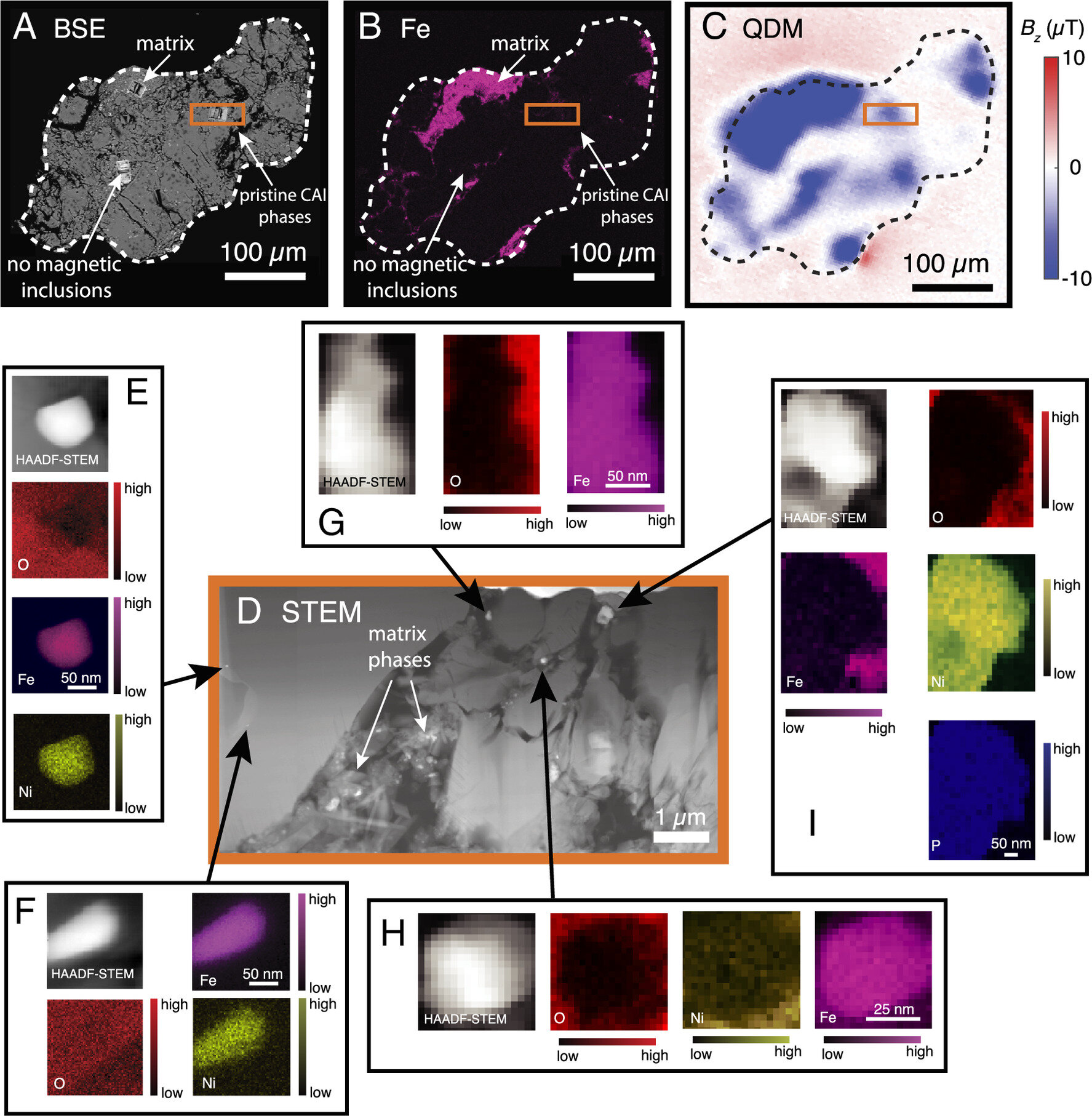
The researchers utilized advanced analytical techniques to examine isotopic compositions within the meteorite. These isotopic signatures are crucial because they allow scientists to trace the origins of the meteorite material, linking it back to a specific planetary environment. The findings suggest that this Mars-sized planet underwent significant collisions and transformations, eventually breaking apart and leaving behind fragments that traversed the cosmos until they landed on Earth.
This discovery is significant because it provides a rare window into the processes that shaped the early solar system. The evidence of a Mars-sized planet adds a new dimension to our understanding of planetary formation and the dynamic environment of the early solar system. Although the idea of a lost planet is not new, this meteorite offers the first tangible evidence to support such a hypothesis.
While the full implications of this discovery are still under examination, the study opens up potential new avenues for research into planetary evolution and the history of our solar neighborhood. The work at the University of Colorado Boulder underscores the importance of meteorites in unraveling the mysteries of our cosmic origins.
As scientists continue to study these extraterrestrial visitors, the hope is that they will uncover more secrets about the forces that shaped the planets and moons we observe today. This research not only enriches our understanding of the solar system's past but also informs our quest to understand planetary systems beyond our own.