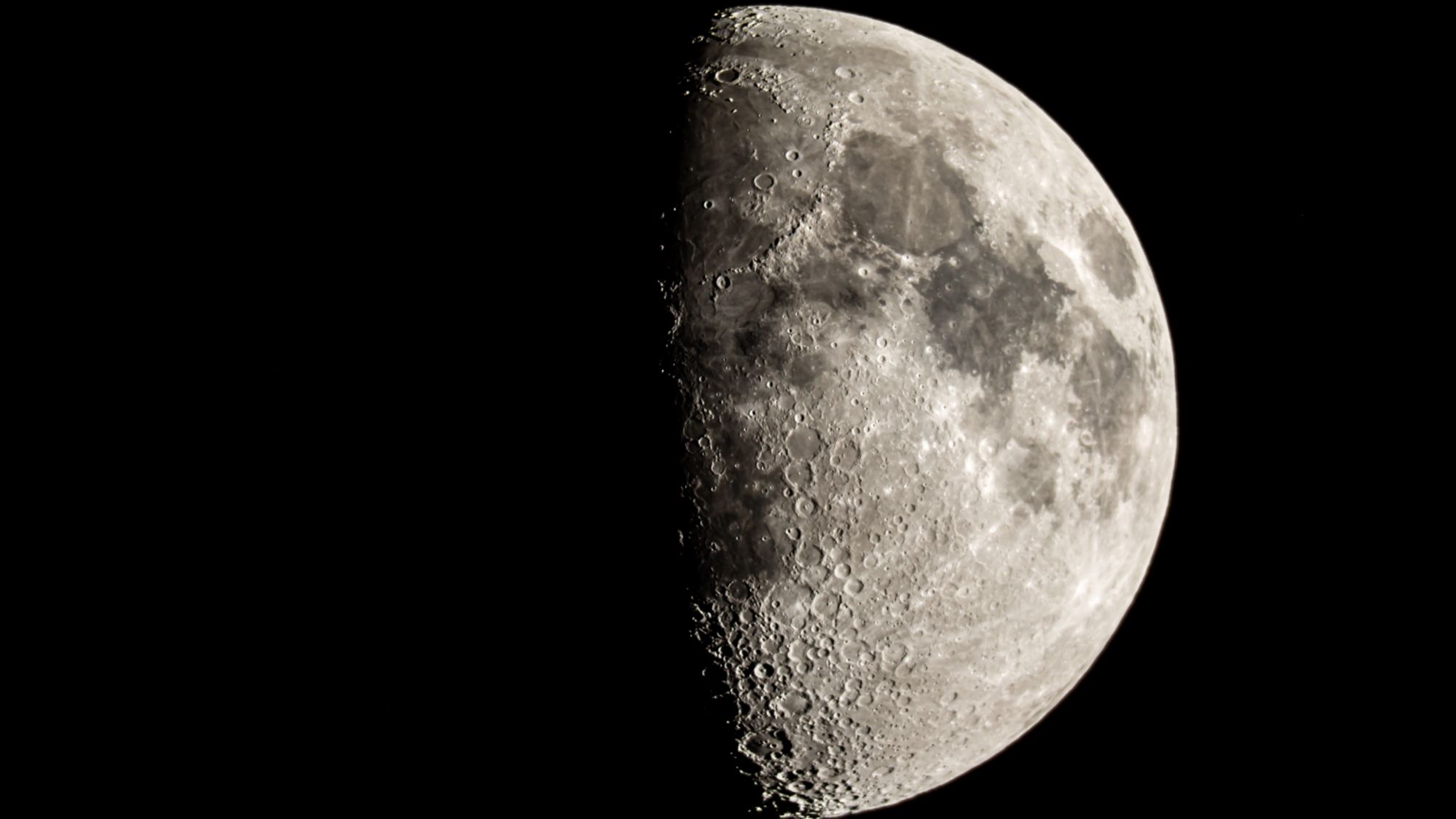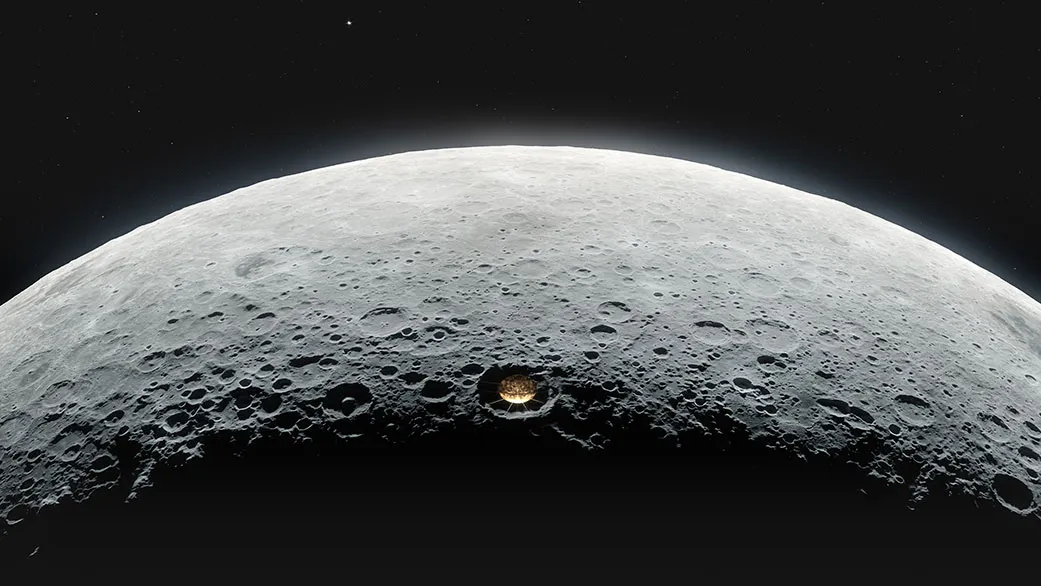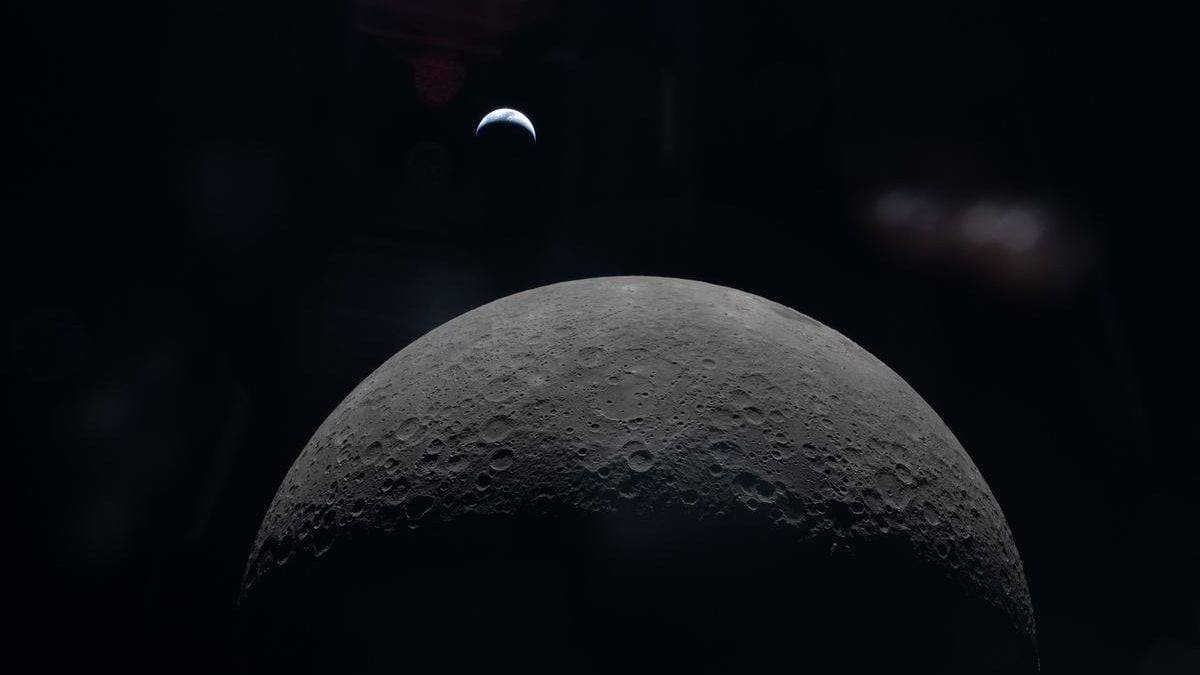
Recent research has uncovered evidence of a massive impact on the Moon approximately 3.5 billion years ago, shedding new light on a previously hidden era of solar system history. This revelation has implications for our understanding of planetary evolution and the history of celestial bodies within our solar neighborhood.
The study, conducted by a team of planetary scientists and published on June 19, 2026, in ScienceAlert, focuses on the analysis of lunar samples that show signs of a significant impact event. This event is believed to have occurred during a time of considerable turmoil in the solar system, often referred to as the Late Heavy Bombardment period, although its exact timing and duration remain subjects of scientific debate.
During this era, the inner solar system experienced a high frequency of asteroid and comet impacts. The evidence for this particular lunar impact was derived from the analysis of isotopic compositions found in the Moon's crust, specifically through the study of ancient rock samples collected during previous lunar missions. These isotopic signatures serve as a geological record, allowing scientists to identify and date significant impact events.
The revelations from this study contribute to a growing body of evidence suggesting that the early solar system was far more dynamic and chaotic than previously thought. According to the research findings, the Moon, which has often served as a historical archive due to its relatively unchanged surface, provides critical insights into the conditions and processes that shaped the formation and evolution of planetary bodies.
The implications of this discovery extend beyond lunar history. The Late Heavy Bombardment, as suggested by the new evidence, may have played a crucial role in shaping the surfaces and atmospheres of the inner planets, including Earth. Understanding these impacts is essential for reconstructing the early conditions of our planet and assessing how life may have emerged and evolved.
For decades, the Moon has been a focal point for scientists seeking to unravel the mysteries of the solar system's formative years. The Apollo missions of the late 20th century provided a wealth of material, which continues to be studied and analyzed with increasingly sophisticated techniques. Recent advances in isotopic analysis and radiometric dating have allowed researchers to refine their understanding of lunar geology and the timeline of major impacts.
This study challenges the prevailing notion that the Late Heavy Bombardment represented a distinct and isolated period of intense bombardment. Instead, it suggests that significant impacts may have been more evenly distributed over a longer timeframe, indicating a more prolonged era of instability and collision in the solar system.
The findings also underscore the importance of continued lunar exploration. Future missions aimed at collecting new samples and deploying advanced instrumentation on the Moon's surface are vital for verifying these conclusions and expanding our knowledge of early solar system dynamics.
In conclusion, the discovery of this ancient lunar impact provides a window into a turbulent epoch in solar system history, offering valuable insights into the processes that have shaped not only the Moon but also the terrestrial planets. As researchers continue to piece together the puzzle of our cosmic origins, the Moon remains an invaluable resource, illuminating the complex interplay of forces that have governed planetary evolution over billions of years.