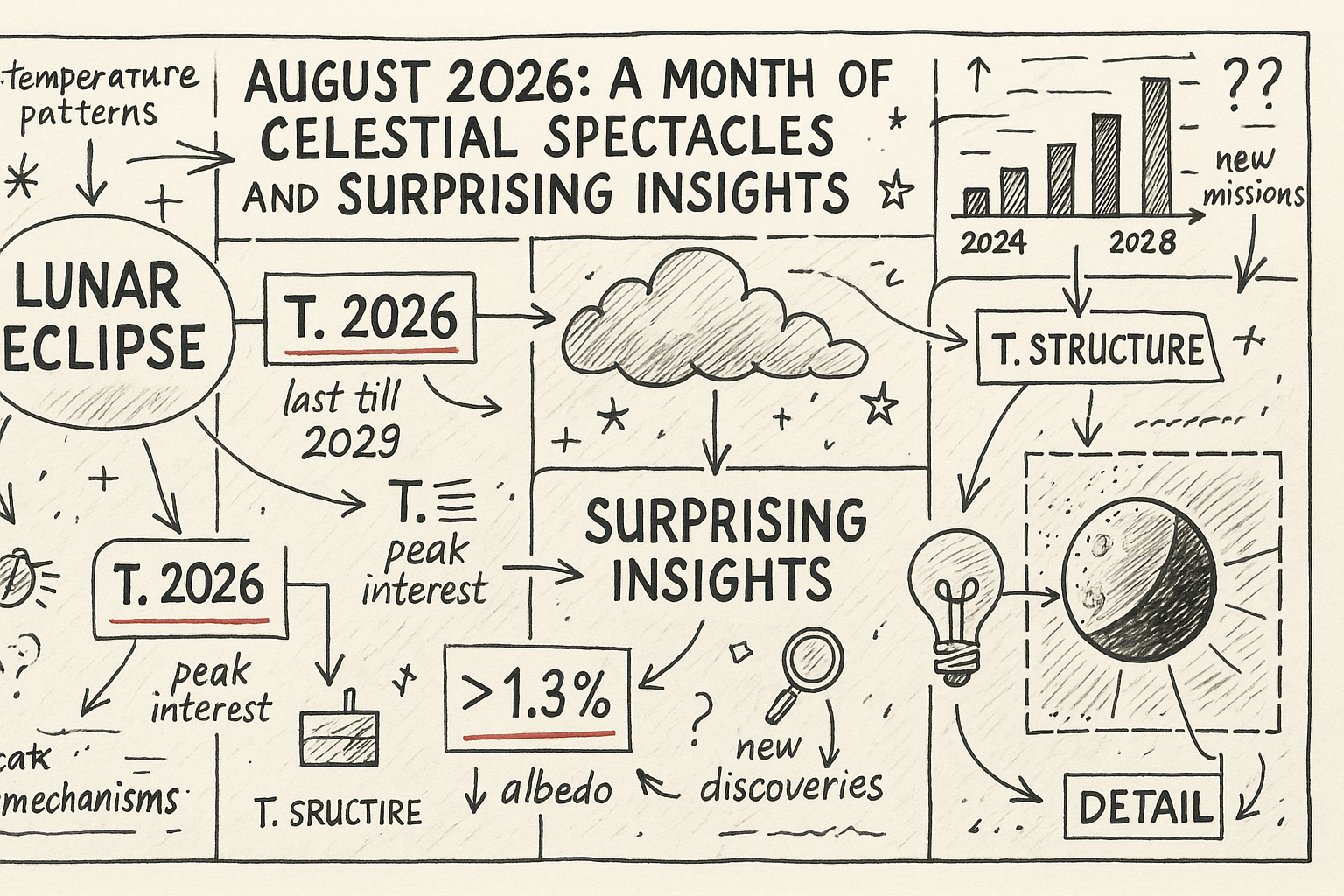
The month of August 2026 has offered a cornucopia of celestial events, providing both casual stargazers and seasoned astronomers with a feast for the eyes and mind. This month has been marked by a series of eclipses, meteor showers, and satellite transits, each contributing to a deeper understanding of our place in the cosmos.
A Month of Eclipses
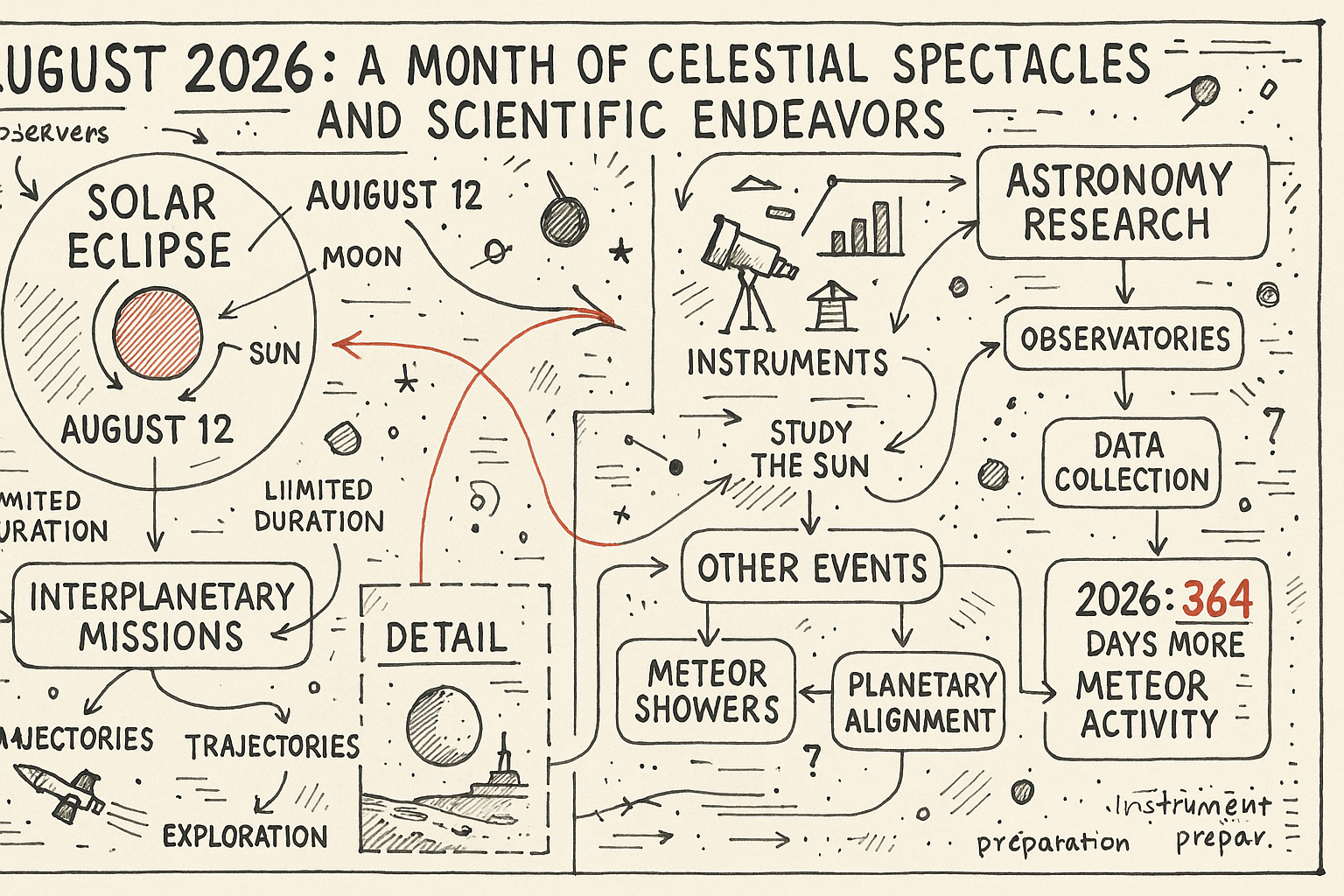
The lunar cycle of August has been particularly eventful. Starting with a solar eclipse followed by a deep partial lunar eclipse on August 27-28, these phenomena have captivated observers worldwide. The partial lunar eclipse, as noted in Sky & Telescope, marked the culmination of a trifecta of major astronomical events this month. Eclipses have historically been moments of wonder and scientific inquiry, offering insights into celestial mechanics that were once the only way for ancient civilizations to understand their universe.
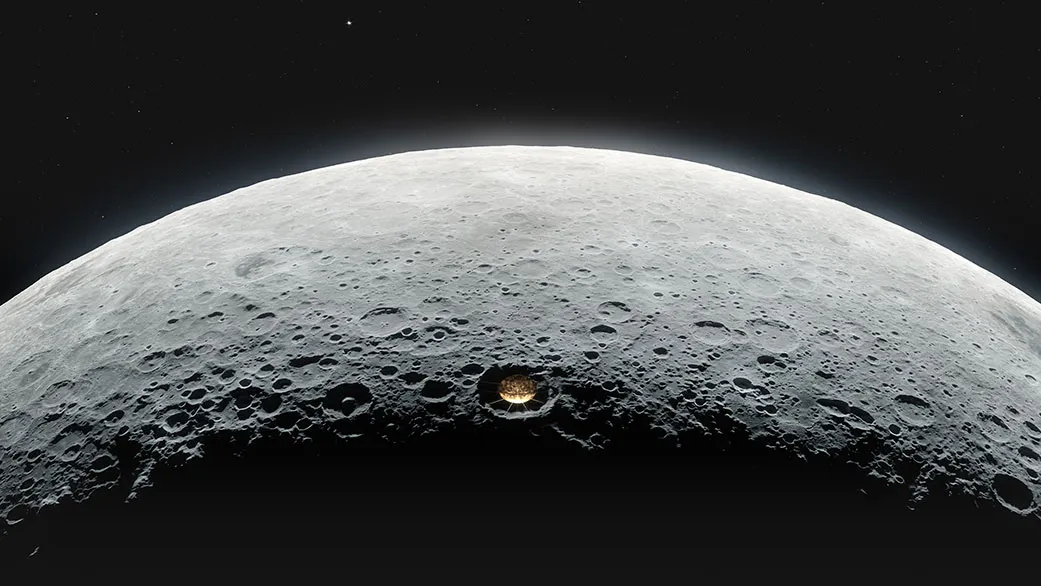
These events provide more than just visual splendor; they are valuable opportunities for scientific measurements and public engagement with astronomy. The use of eclipses to study the Moon's surface, for instance, continues to yield new data about its composition and history.
The Dance of Satellites
While natural celestial events have taken center stage, human-made satellites have also played a significant role this month. The transits of the International Space Station (ISS) and Tiangong space station across the Sun and Moon were meticulously observed. These transits, though brief, highlight the increasing presence and impact of human technology in space. As we continue to populate low Earth orbit with satellites, these events remind us of the delicate balance between technological advancement and celestial observation.
One surprising insight from these transits is the intricate choreography required to maintain satellite orbits amidst a growing field of space debris. The dance of these stations against the backdrop of the Moon and Sun serves as a vivid reminder of both our achievements and our responsibilities in space.
Connecting the Dots
This month's events encourage us to reflect on the interconnectedness of natural and artificial celestial phenomena. The passage of the Moon past Venus and Spica during its waning phases, as observed earlier in the month, underscores the dynamic nature of our solar system. Each event, whether natural or human-made, offers a piece of the larger puzzle that is our universe.
Historically, such celestial events have not only guided scientific inquiry but have also influenced cultural narratives. The interplay between the Moon, planets, and human artifacts in space evokes age-old questions about our origins and future.
Future Implications
Looking ahead, the frequency and visibility of these events suggest a growing need for public engagement and educational outreach in astronomy. As our ability to observe and interpret these phenomena improves, so too does our responsibility to share this knowledge widely. The challenge lies in balancing the awe these events inspire with critical scientific inquiry.
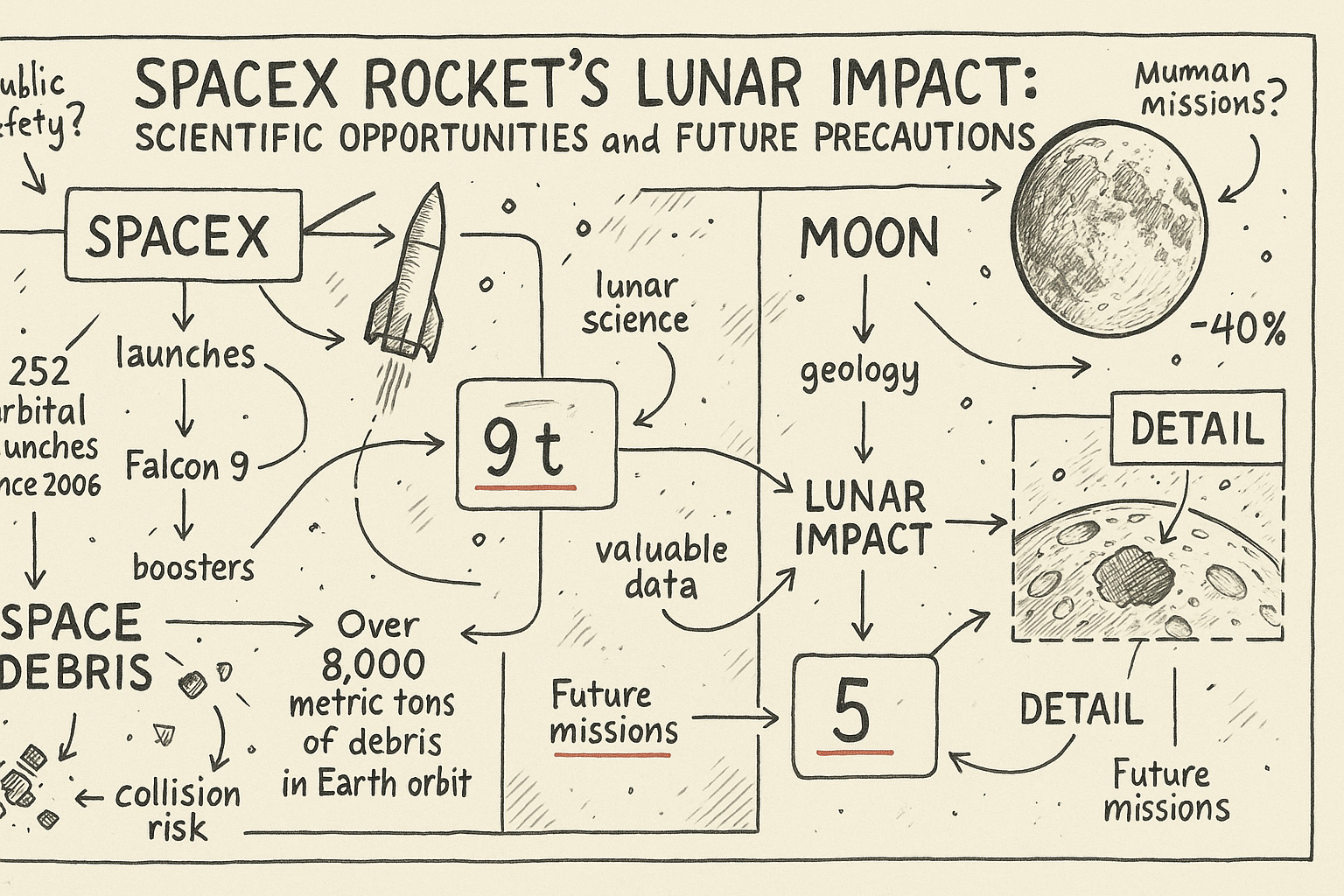
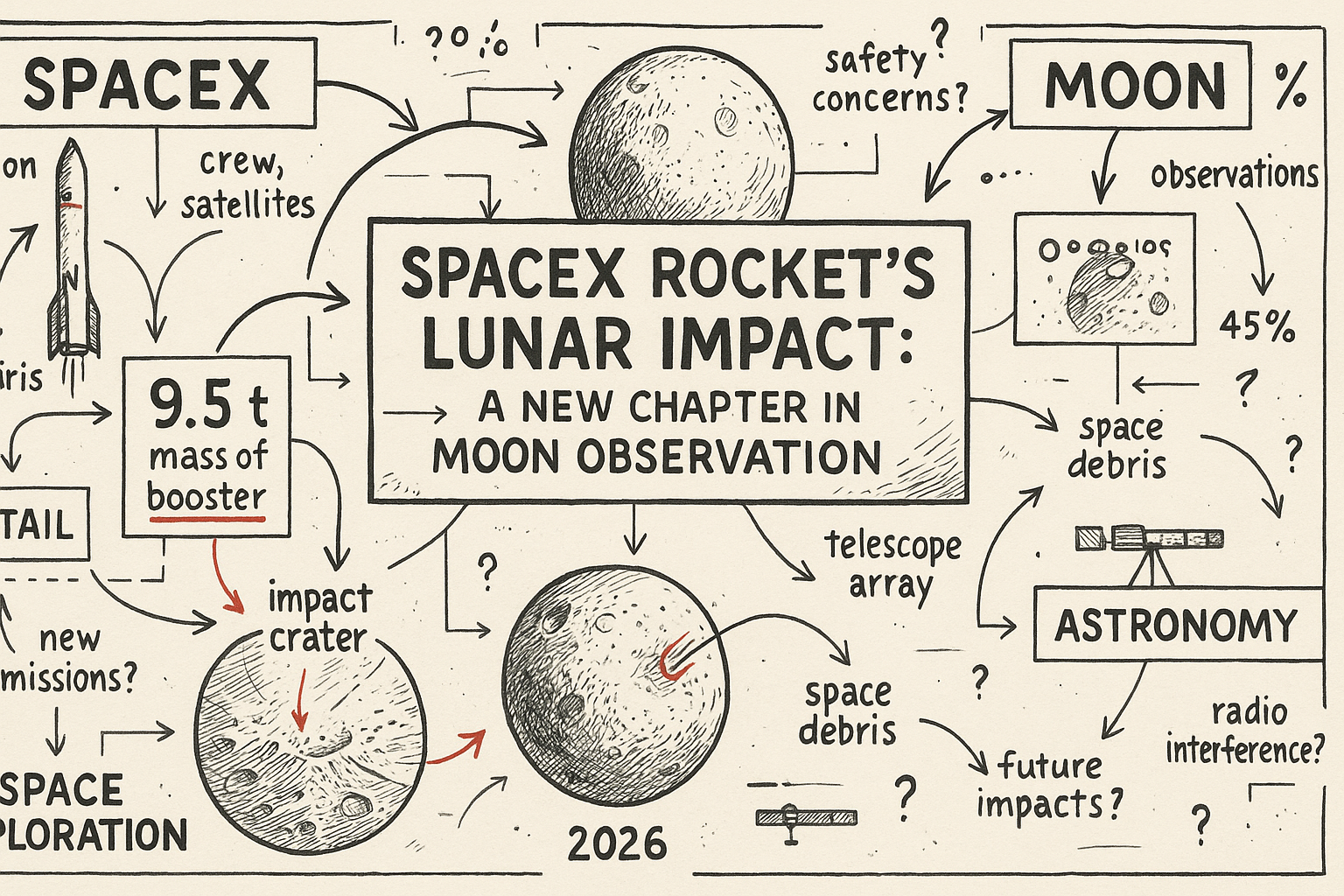
Moreover, the increasing presence of satellites poses questions about the sustainability of space exploration. As we navigate this new frontier, cooperation among nations and the development of policies to address space debris will be crucial to ensuring that future generations can continue to enjoy and learn from the night sky.
In conclusion, August 2026 serves as a testament to both the beauty and complexity of space. The celestial events of this month remind us of our small yet significant place in the cosmos and challenge us to look at the sky not only with wonder but also with a sense of stewardship.