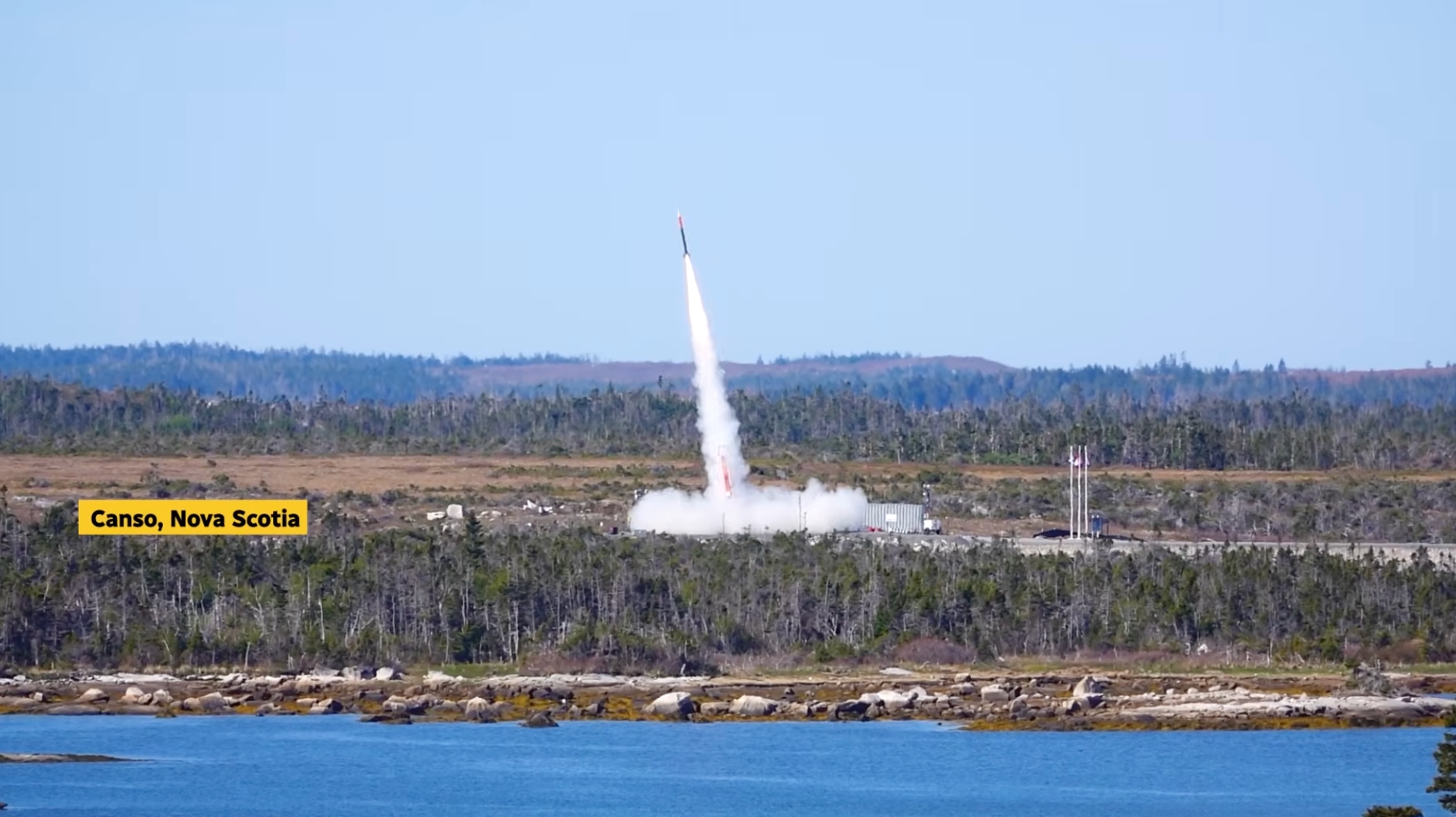
On June 10, 2026, Dutch-based aerospace company T-Minus Engineering conducted its second test launch from Spaceport Nova Scotia. The launch, which took place at 8:51 a.m. local time, marked another step in the company's efforts to develop reliable suborbital flight technologies. However, much like their first attempt last November, the mission did not proceed as planned.
The test vehicle successfully lifted off, demonstrating the capabilities of T-Minus Engineering's launch systems to achieve initial flight. Unfortunately, an anomaly occurred during the later stages of the flight profile, preventing the rocket from reaching its targeted suborbital altitude. The specific nature of the anomaly has not been disclosed, but it halted the vehicle's ascent, resulting in the mission not achieving its primary objective.
Despite the mission's inability to reach its intended altitude, the launch was not without merit. Each test flight provides T-Minus Engineering with critical data that can be used to refine and improve their technology. The iterative process of testing and analyzing outcomes is a fundamental aspect of aerospace development, and this launch was no exception.
Spaceport Nova Scotia, the launch site, continues to play a pivotal role in supporting the advancement of aerospace technologies. As a hub for innovation, the spaceport provides a strategic location for companies like T-Minus Engineering to test their vehicles and gather essential data necessary for future successes.
The persistence of T-Minus Engineering in addressing the challenges they have faced is indicative of the broader landscape of aerospace development where setbacks are often stepping stones to future achievements. The data collected from this mission will be instrumental in diagnosing the anomaly and making necessary adjustments to ensure success in subsequent attempts.
As the company moves forward, the insights gained from these tests will be vital in achieving their ultimate goal of reliable suborbital flight. The journey to space is fraught with technical challenges, but incremental progress is key to overcoming them. T-Minus Engineering's ongoing commitment to testing and innovation highlights the ever-evolving nature of space exploration and the determination required to push the boundaries of what is possible.