The global space industry is experiencing a bustling week with multiple significant launches, highlighting the diverse capabilities and ambitions of nations and private companies alike. Among these, the Pegasus XL stands out with its first flight since 2021, joining the competitive arena alongside SpaceX's Falcon 9 missions and China's Chang Zheng 7A rocket.
Pegasus XL's Revival
The Pegasus XL, a unique air-launched vehicle developed by Northrop Grumman, is preparing for its first mission in five years. Known for its ability to launch from beneath a modified aircraft, the Pegasus XL offers flexibility in launch locations and has been pivotal in deploying small satellites to orbit. This launch marks its return to active service, reflecting ongoing interest in efficient, adaptable launch systems.
SpaceX's Ambitious Schedule
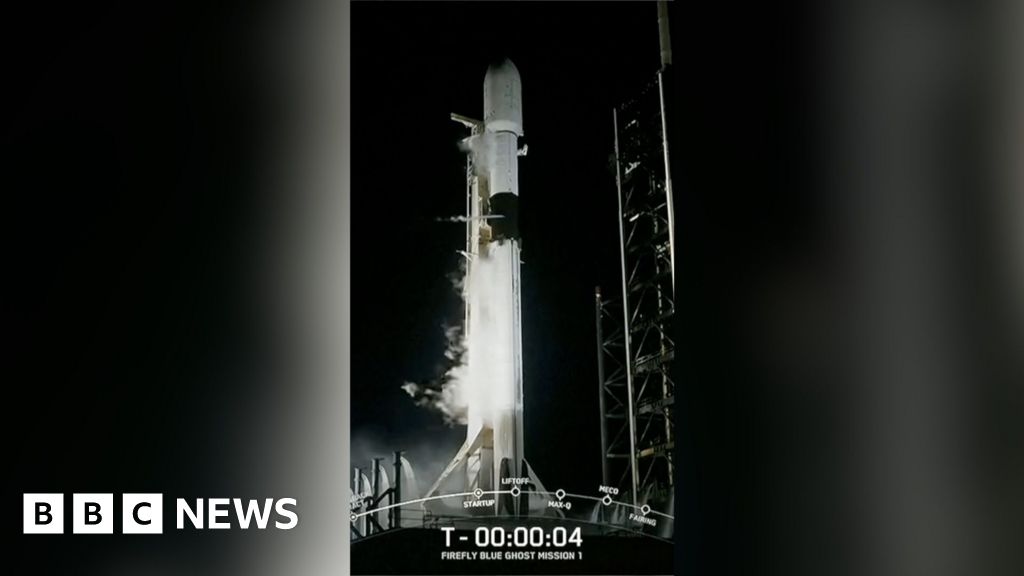
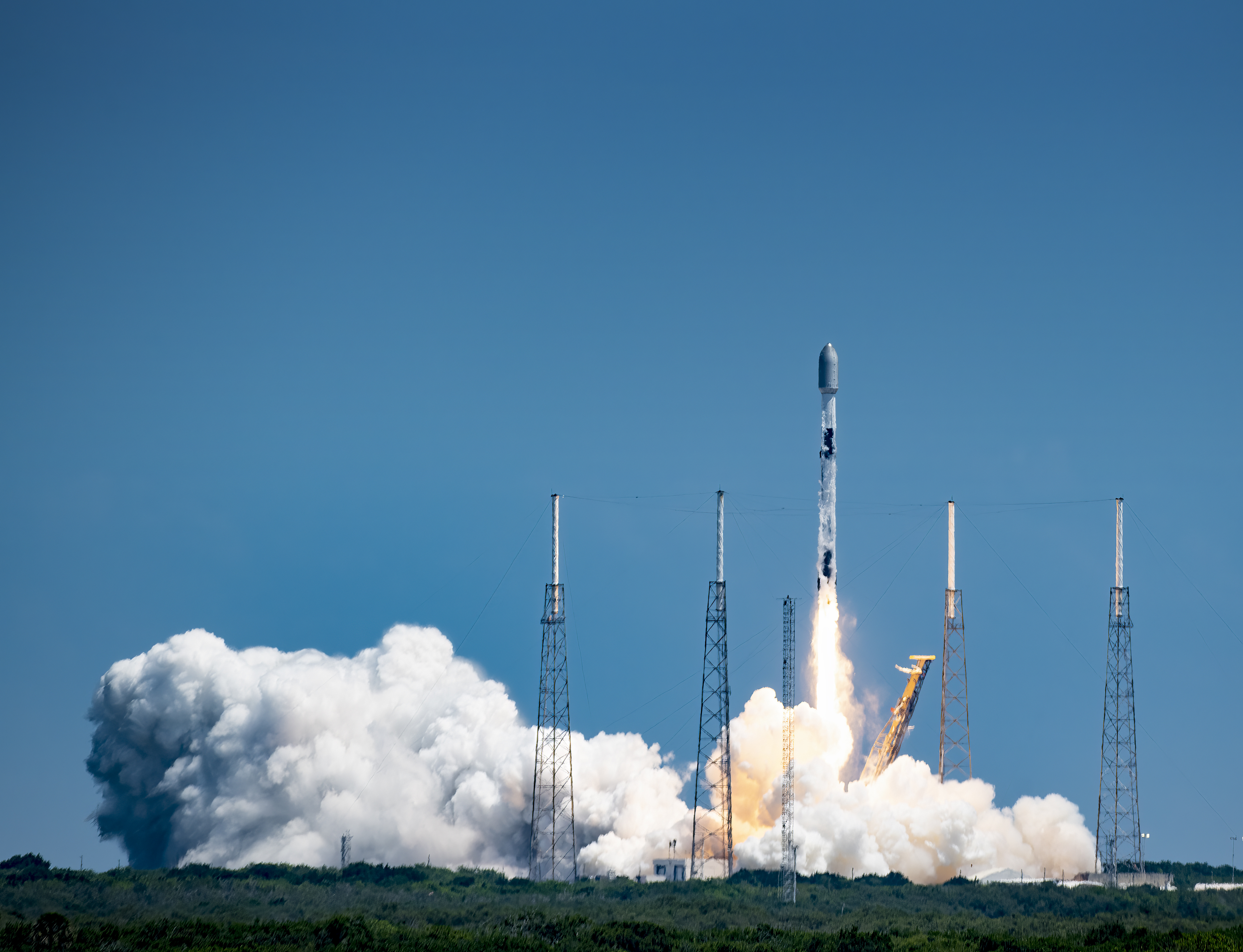
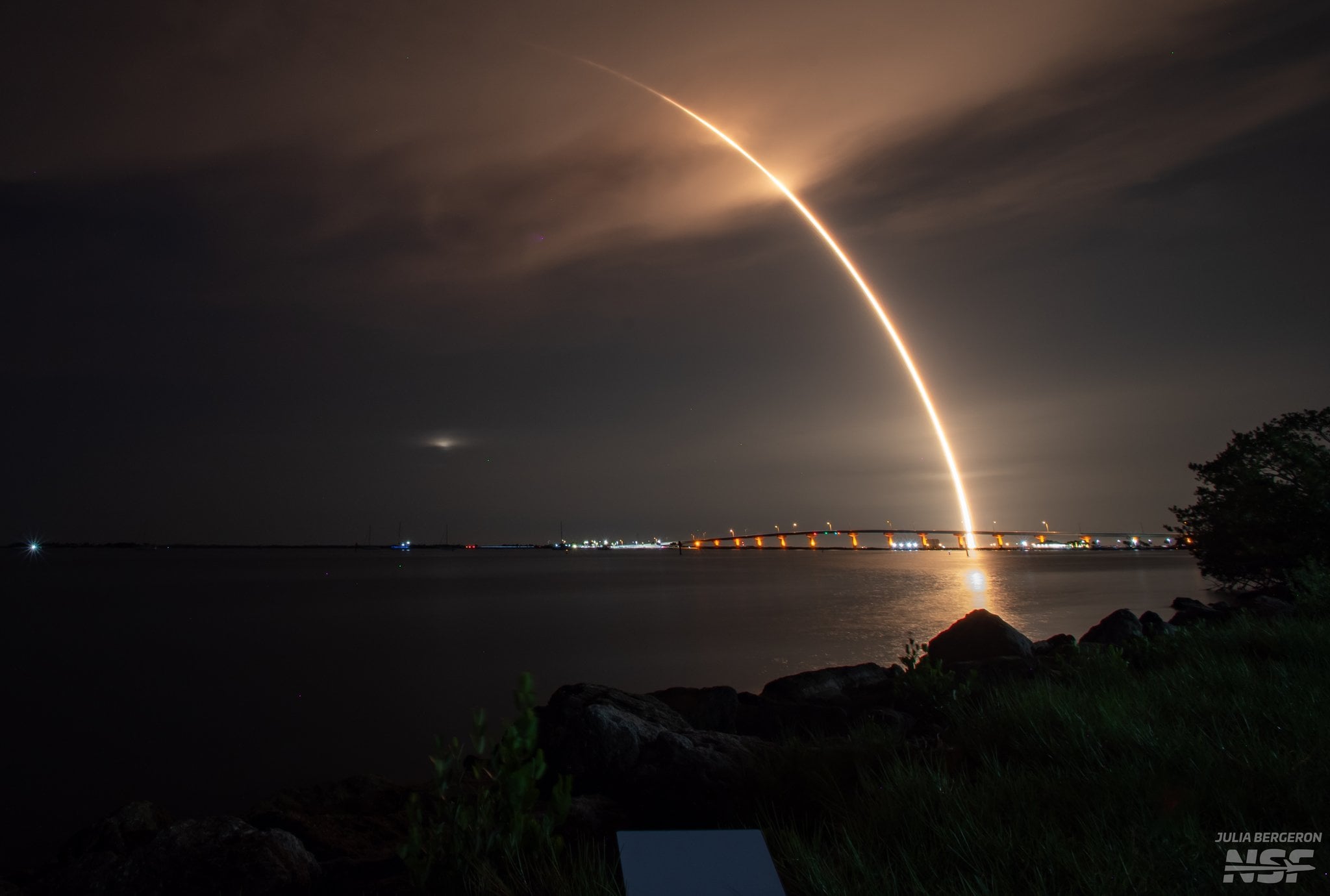
SpaceX continues to dominate the week's launch schedule with a series of missions showcasing its versatile Falcon 9 rocket. Notably, the Starfall demonstration mission is among these launches, highlighting SpaceX's ongoing efforts to test and refine new technologies. Additionally, three Starlink missions and the SXM-11 mission are set for this week, underscoring SpaceX's role in expanding global satellite internet coverage and commercial satellite deployment.
China's Chang Zheng 7A Mission
Adding to the international lineup, China's Chang Zheng 7A (CZ-7A) successfully launched from the Wenchang Space Launch Site. This mission carried a classified TJSW-26A satellite to a geostationary transfer orbit. The CZ-7A is a robust vehicle, equipped with liquid kerosene and liquid oxygen-powered stages, demonstrating China's capability in deploying heavy payloads to various orbits. This launch marks the 16th mission of the CZ-7A, with its continued development reflecting China's strategic focus on expanding its space capabilities.
Global Implications and Future Prospects
This week’s activities are part of a broader trend in which both state and private actors are increasing their foothold in space. The resurgence of the Pegasus XL highlights the growing demand for flexible satellite deployment options, while SpaceX's aggressive launch schedule illustrates the increasing commercialization and accessibility of space. Meanwhile, China's continued success with the CZ-7A reinforces its position as a major player in space exploration.
Looking forward, these launches signal a dynamic future where the competition and collaboration in space technology will likely yield new innovations and opportunities. The adaptability of air-launched systems like the Pegasus XL, the commercial prowess of SpaceX, and China's strategic investments ensure that the landscape of space exploration will remain vibrant and rapidly evolving.