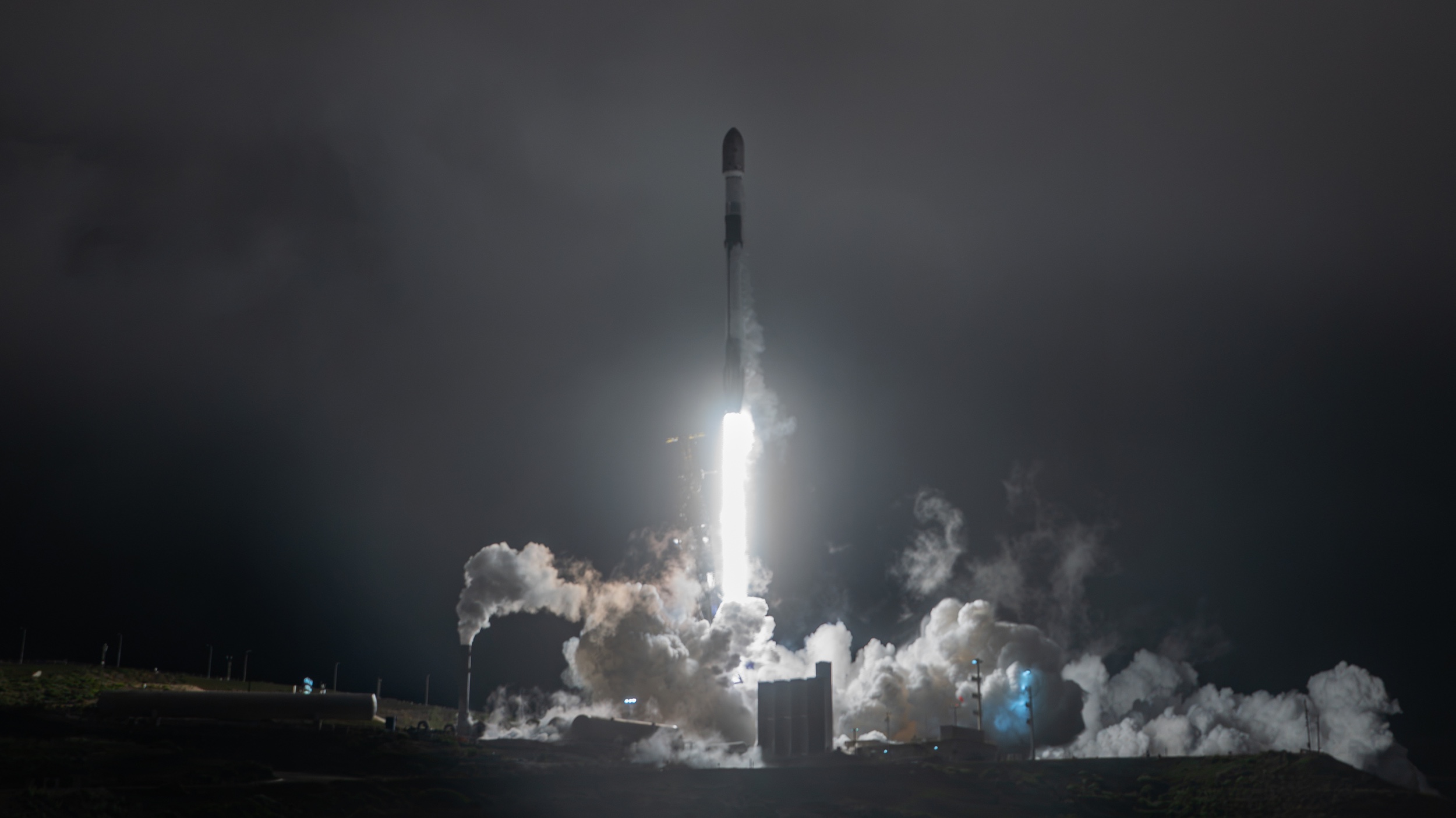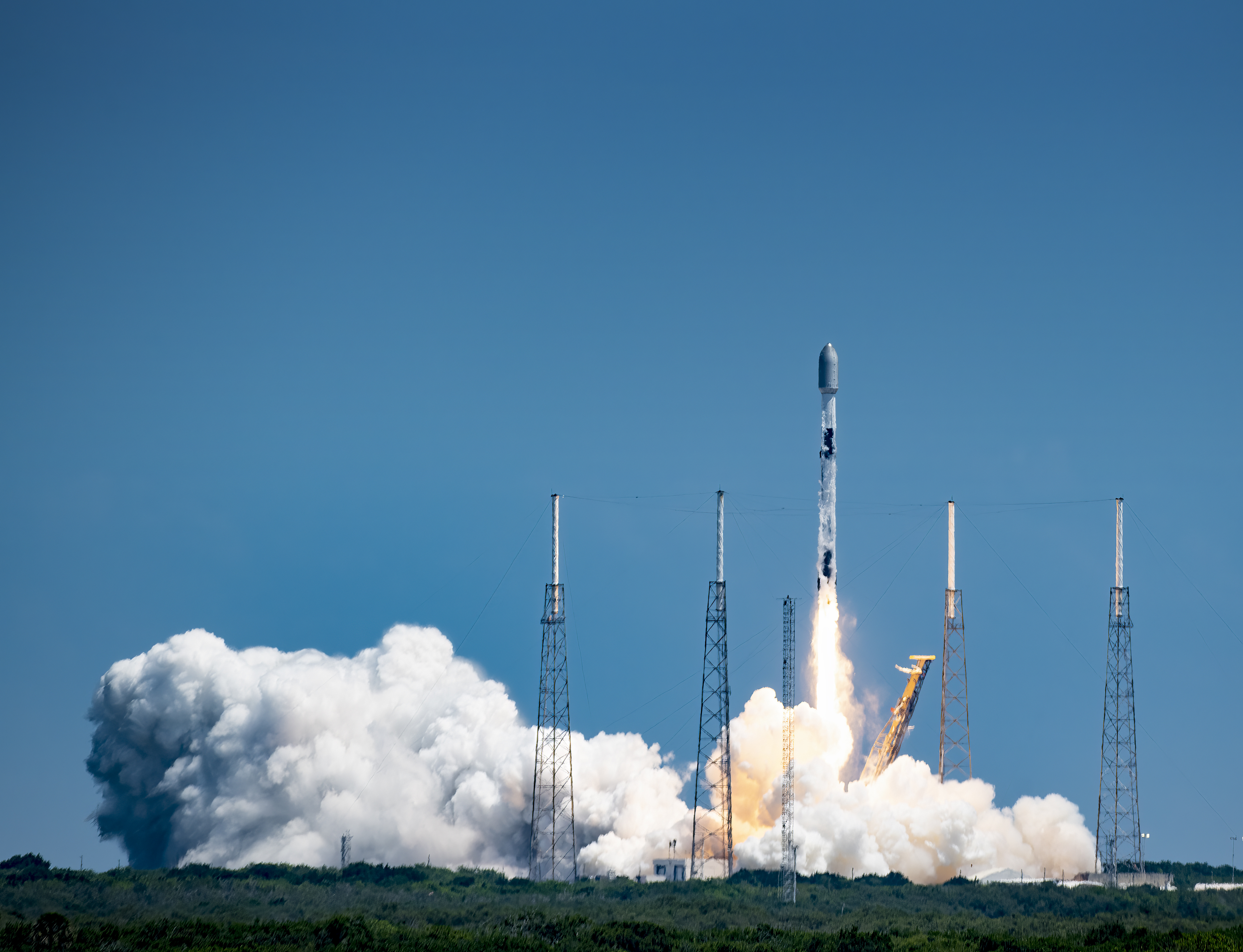
In the early hours of July 7, 2026, SpaceX launched its Falcon 9 rocket from Space Launch Complex 4 East at Vandenberg Space Force Base in California, marking another significant milestone in the company’s Smallsat Rideshare Program. The mission, dubbed Transporter-17, successfully deployed 81 satellites into a Sun-synchronous Earth orbit, underscoring SpaceX's ongoing commitment to facilitating access to space for a diverse array of international clients.
At precisely 12:12 a.m. PDT, the Falcon 9 lifted off, carrying a diverse mix of payloads, ranging from military technology demonstrations to state-of-the-art fire detection systems and 3D printers. This launch highlights the versatile capabilities of the Transporter missions, which cater to a broad spectrum of satellite operators worldwide.
The first stage booster, B1097, made its 11th flight on this mission, having previously supported various missions including Twilight, NROL-172, Sentinel-6B, and seven Starlink missions. Demonstrating the reliability of SpaceX's reusable technology, the booster successfully landed on the drone ship 'Of Course I Still Love You' in the Pacific Ocean, marking the 208th successful landing on this vessel and the 634th booster landing overall for SpaceX.
The deployment sequence began approximately 51 minutes after liftoff, with the Osiris-A payload from Maverick Space System initiating the process. Over 20 minutes, all but one satellite were released, followed by two additional burns of the Falcon 9’s upper stage engine to deploy the final satellite, South Korea’s CAS500-4, about 2.5 hours after liftoff.
This mission continued the trend set by SpaceX's Smallsat Rideshare Program, which began in 2020, by providing a cost-effective option for launching multiple small satellites simultaneously. The majority of the payloads on Transporter-17 were arranged by Exolaunch, a company that has consistently placed satellites on every Transporter mission. For this flight, Exolaunch was responsible for 49 of the 81 satellites, representing 20 international customers.
Among the innovative payloads was a trio of FireSat satellites, designed to enhance global wildfire detection and monitoring capabilities. These satellites are part of broader efforts to leverage space-based technologies for environmental monitoring and disaster management, a field that is witnessing rapid advancements thanks to the miniaturization of satellite technology and the increasing affordability of launches.
The Transporter missions, a part of SpaceX's broader strategy to democratize access to space, have become a cornerstone for small satellite operators who seek reliable and frequent launch opportunities. The Smallsat Rideshare Program, complemented by the Bandwagon and Twilight missions, exemplifies SpaceX's role in transforming the economics and logistics of space launches.
Looking ahead, SpaceX's continued focus on supporting small satellite operators could significantly impact industries reliant on satellite data, including telecommunications, Earth observation, and scientific research. As the demand for satellite launches grows, SpaceX's approach could lead to more frequent and flexible access to space, fostering innovation and collaboration across sectors and borders.
The Transporter-17 mission not only highlights the technical prowess of SpaceX but also underscores the collaborative nature of contemporary space exploration, where diverse stakeholders come together to push the boundaries of what is possible in space technology and applications.