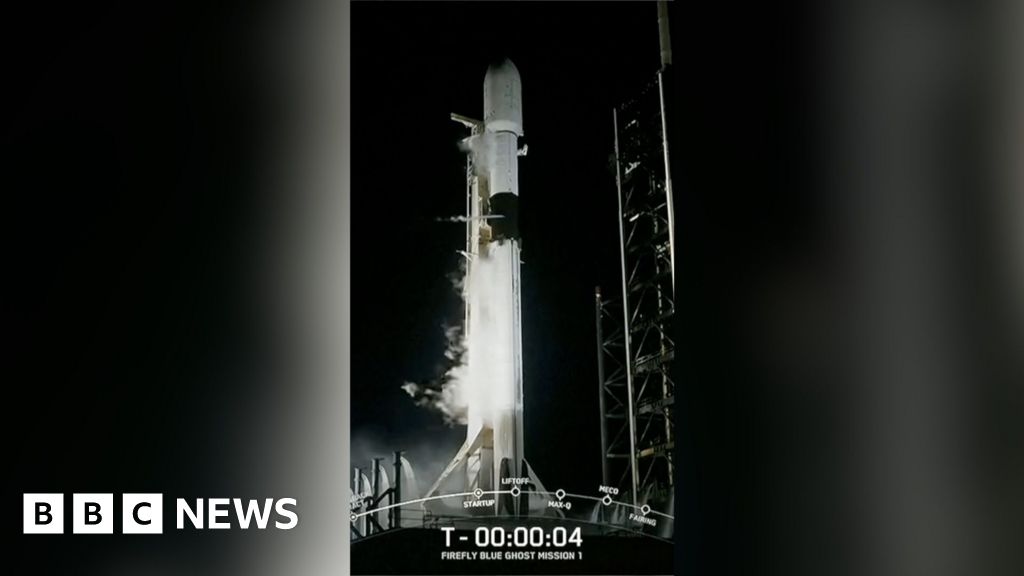
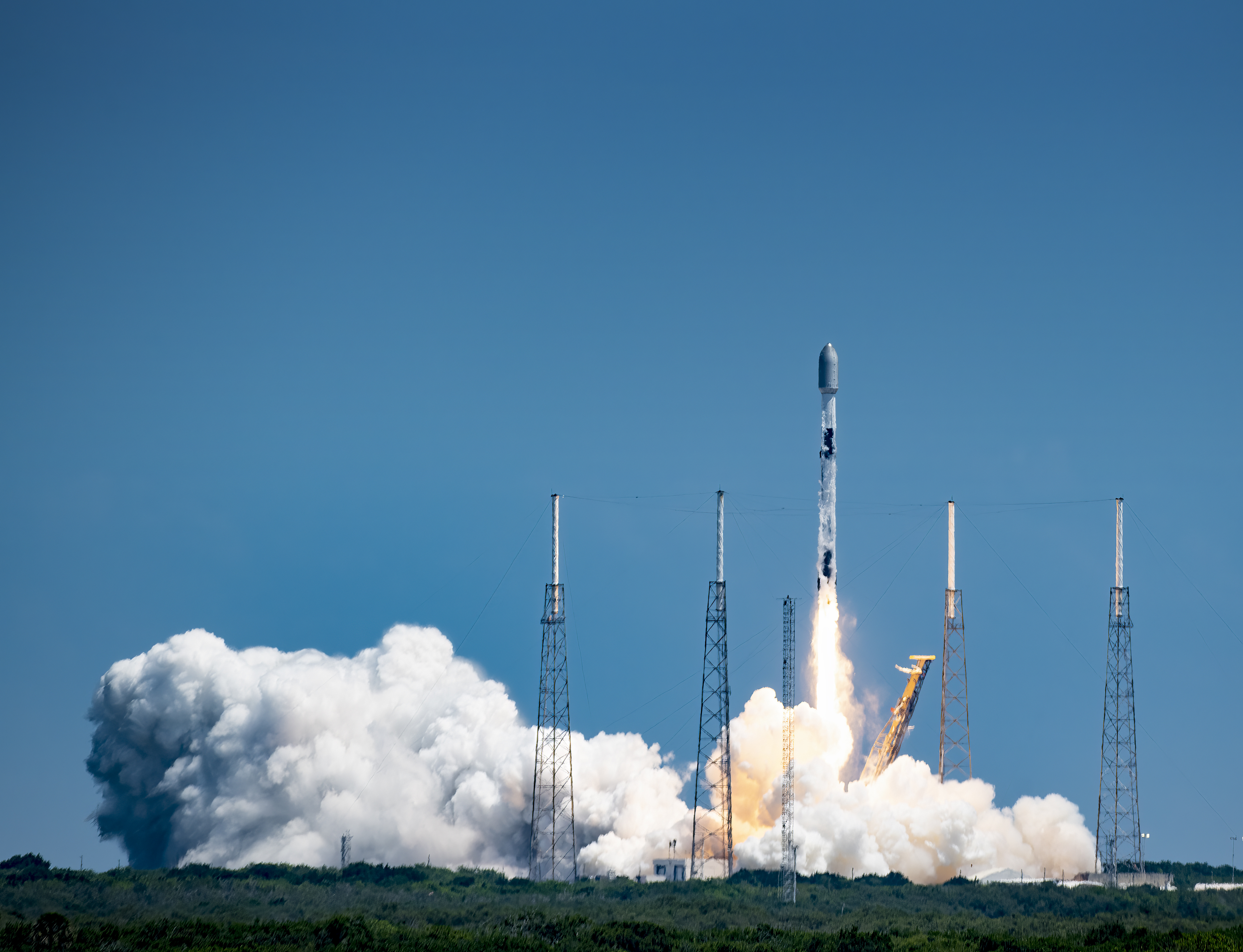
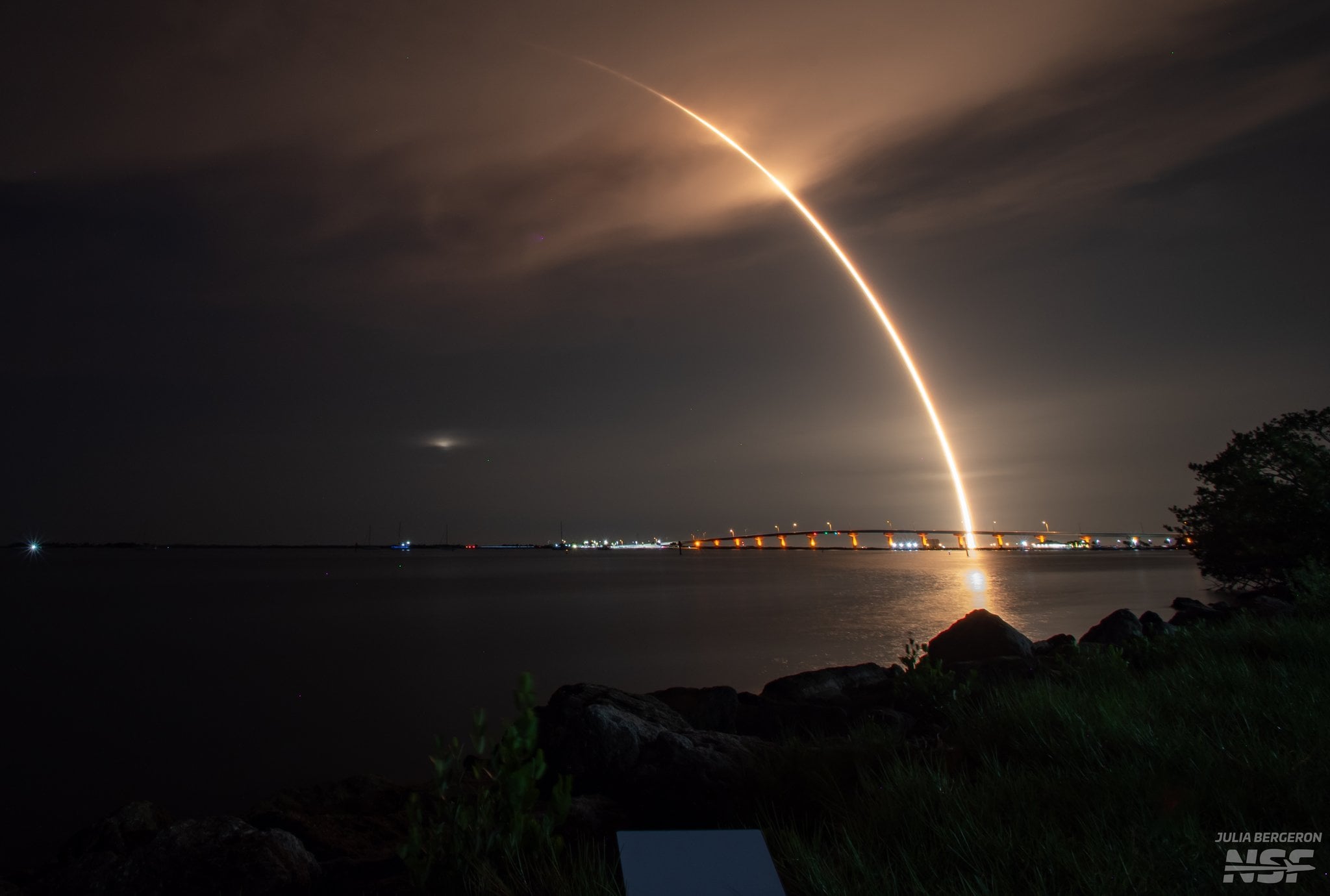
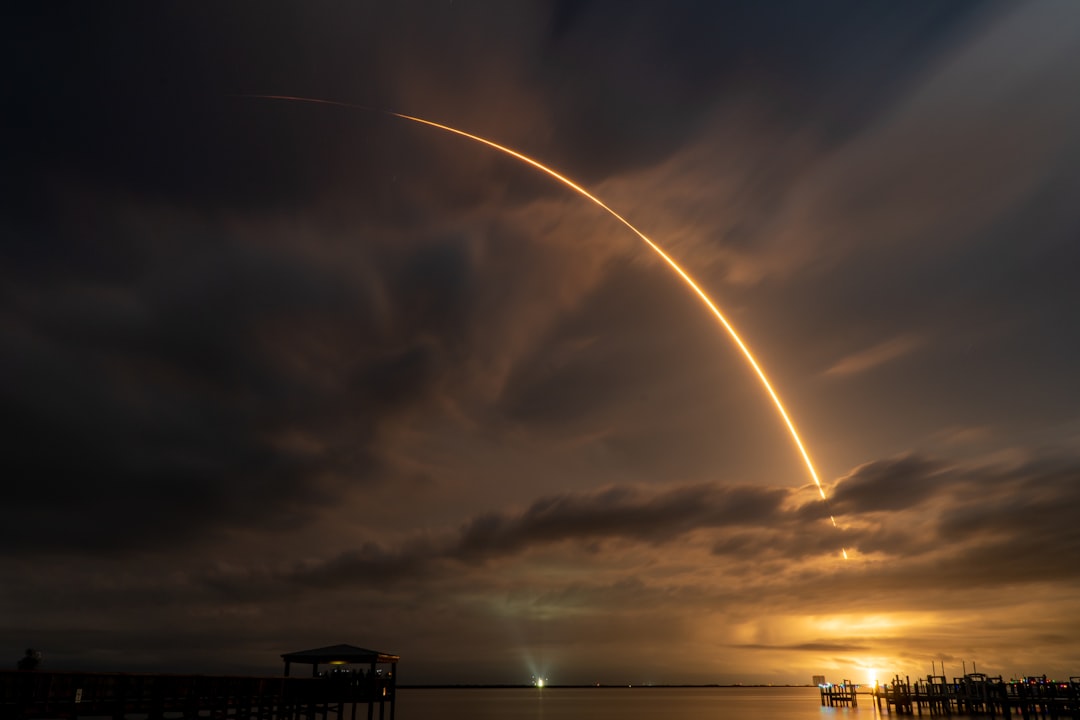
On the morning of June 23, 2026, SpaceX plans to launch a groundbreaking demonstration mission for a new reentry capsule known as 'Starfall' from Cape Canaveral Space Force Station. This mission, conducted aboard a Falcon 9 rocket, promises to unveil another layer of SpaceX's capabilities in space transport and delivery.
The launch, scheduled for 6:53 a.m. EDT (1053 UTC), has been anticipated with high expectations due to its potential implications for future space logistics. However, SpaceX has been notably reticent about the specifics of the Starfall mission, including the exact nature and number of payloads it will carry. This has left space enthusiasts and experts speculating about the technology and objectives of this mysterious capsule.
According to an environmental assessment published by the Federal Aviation Administration (FAA) in May, SpaceX intends to perform two Starfall reentries to showcase its capability in delivering goods through space. However, it remains uncertain whether this demonstration will involve more than one Starfall capsule. The mission profile remains largely under wraps, with the company cutting public updates after the booster landing event.
The Falcon 9 rocket, tasked with delivering Starfall, will utilize the first stage booster B1078, marking its 29th flight. This booster has previously supported significant missions, including NASA's Crew-6. If successful, the landing on the drone ship 'A Shortfall of Gravitas' will mark the 157th landing on this vessel, contributing to SpaceX's impressive tally of 628 booster landings to date.
As SpaceX continues to expand its portfolio of spacecraft, Starfall joins a line of creatively named projects like Starlink, Starshield, and the much-anticipated Starship. Yet, much like Starshield, details about Starfall's reentry capability remain sparse. The final environmental assessment suggests that the capsule could be launched into either low Earth orbit or on a suborbital trajectory, offering flexibility in its deployment.
The introduction of Starfall could signify a significant shift in how space is leveraged for transport, particularly for cargo missions. If successful, Starfall might enable more efficient and cost-effective means of transporting goods, potentially revolutionizing supply chains that reach beyond Earth.
While SpaceX's exact plans for Starfall remain undisclosed, the timing of this launch aligns with a broader trend in the aerospace industry: the development of reusable and versatile space vehicles. As space becomes an increasingly critical frontier for both governmental and commercial endeavors, innovations like Starfall could play a pivotal role in shaping the future of space exploration and commerce.
The weather forecast for the launch, provided by the 45th Weather Squadron, predicts a 95% chance of favorable conditions, with only a slight possibility of interference from cumulus clouds. This optimistic outlook sets the stage for a successful launch and subsequent demonstration of SpaceX's latest technological advancement.
In the context of SpaceX's evolving mission, the Starfall demonstration might just be the beginning. As the company continues to push the boundaries of space technology, the implications for both scientific research and commercial applications are vast. The aerospace community watches with anticipation as SpaceX once again attempts to redefine what is possible in space travel and transport.