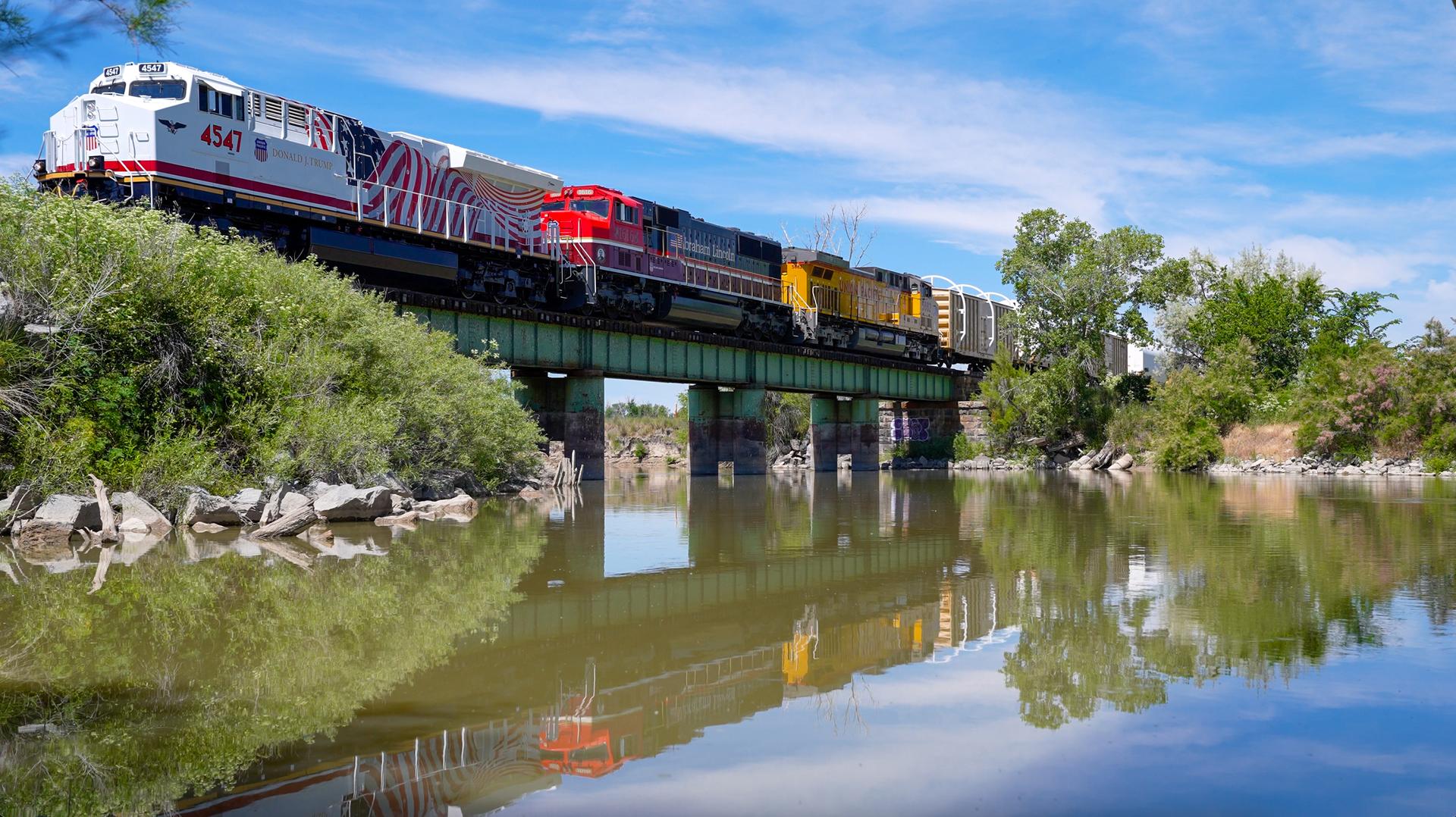
The journey to the Moon takes another significant step as the final booster motor segments for NASA’s Artemis III mission are transported to the Kennedy Space Center in Florida. The eight segments, critical components of the Space Launch System (SLS) rocket, departed from Northrop Grumman’s Railyard Shipping Facility in Corinne, Utah, on June 2, 2026. This transit marks a pivotal moment in the preparation for what is set to be a historic mission, aiming to return astronauts to the lunar surface.
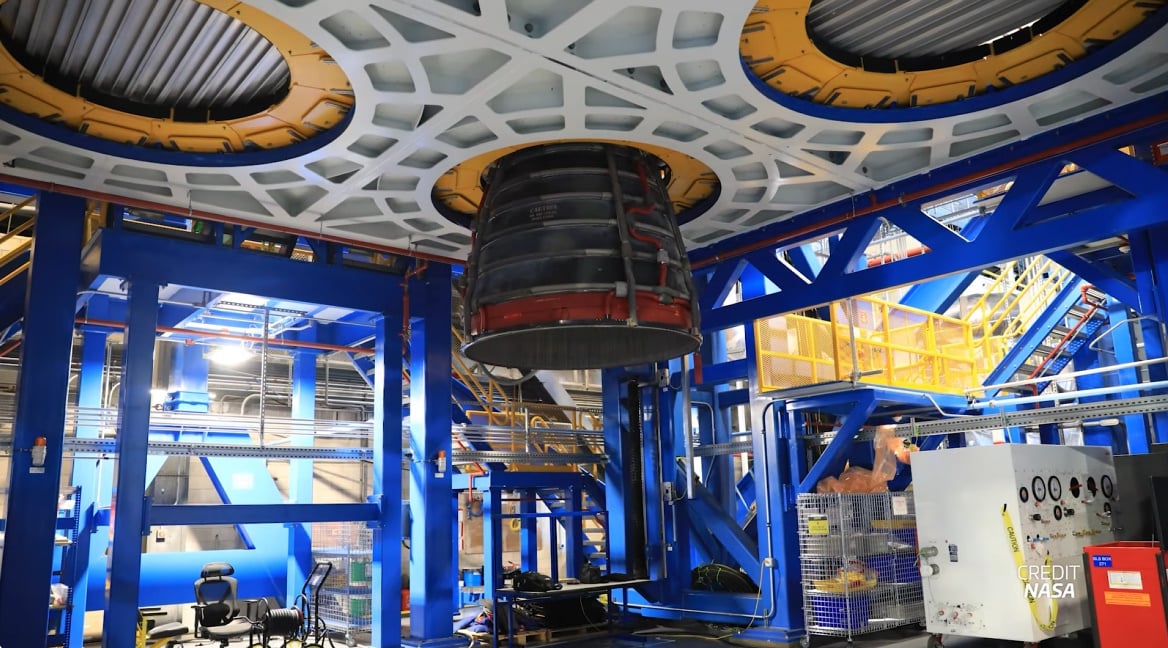
The Space Launch System, NASA's next-generation launch vehicle, is central to the Artemis program, which seeks to establish a sustainable human presence on the Moon by the end of the decade. The SLS rocket is designed to be the most powerful rocket ever built, and the booster segments are a crucial element of this system. They will provide the enormous thrust needed to propel the Artemis III astronauts beyond Earth’s atmosphere.
The transportation of these segments involves a meticulously planned journey from Utah to Florida. At the Kennedy Space Center, the segments will undergo careful inspection and integration with the other components of the SLS. The booster segments' arrival is a vital milestone in the timeline of Artemis III, as it enables the next phases of assembly and testing to ensure readiness for the mission.
Artemis III is poised to make history by landing the first woman and the next man on the Moon. The mission will build on the successes of its predecessors in the Artemis program, with the ultimate goal of preparing for future missions to Mars. As the project progresses, each element of the mission, from the technology to the training of the crew, is aimed at achieving a sustainable human presence beyond our planet.
The Artemis program, named after the twin sister of Apollo, represents a new era of exploration. It seeks not only to return humans to the Moon but also to inspire a new generation of explorers and scientists. The arrival of the booster segments at Kennedy Space Center signifies the tangible advancements being made towards these ambitious goals.
While the transportation of hardware like the SLS booster segments may appear routine, it embodies years of engineering, planning, and collaboration across various sectors. This effort underscores the extensive groundwork required to support what promises to be one of the most significant achievements in space exploration.
As these segments make their way to their final destination, the world watches with anticipation, knowing that each step brings humanity closer to once again setting foot on the Moon. The Artemis III mission is not merely a return to lunar exploration but a stepping stone towards the broader horizons of deep space exploration.