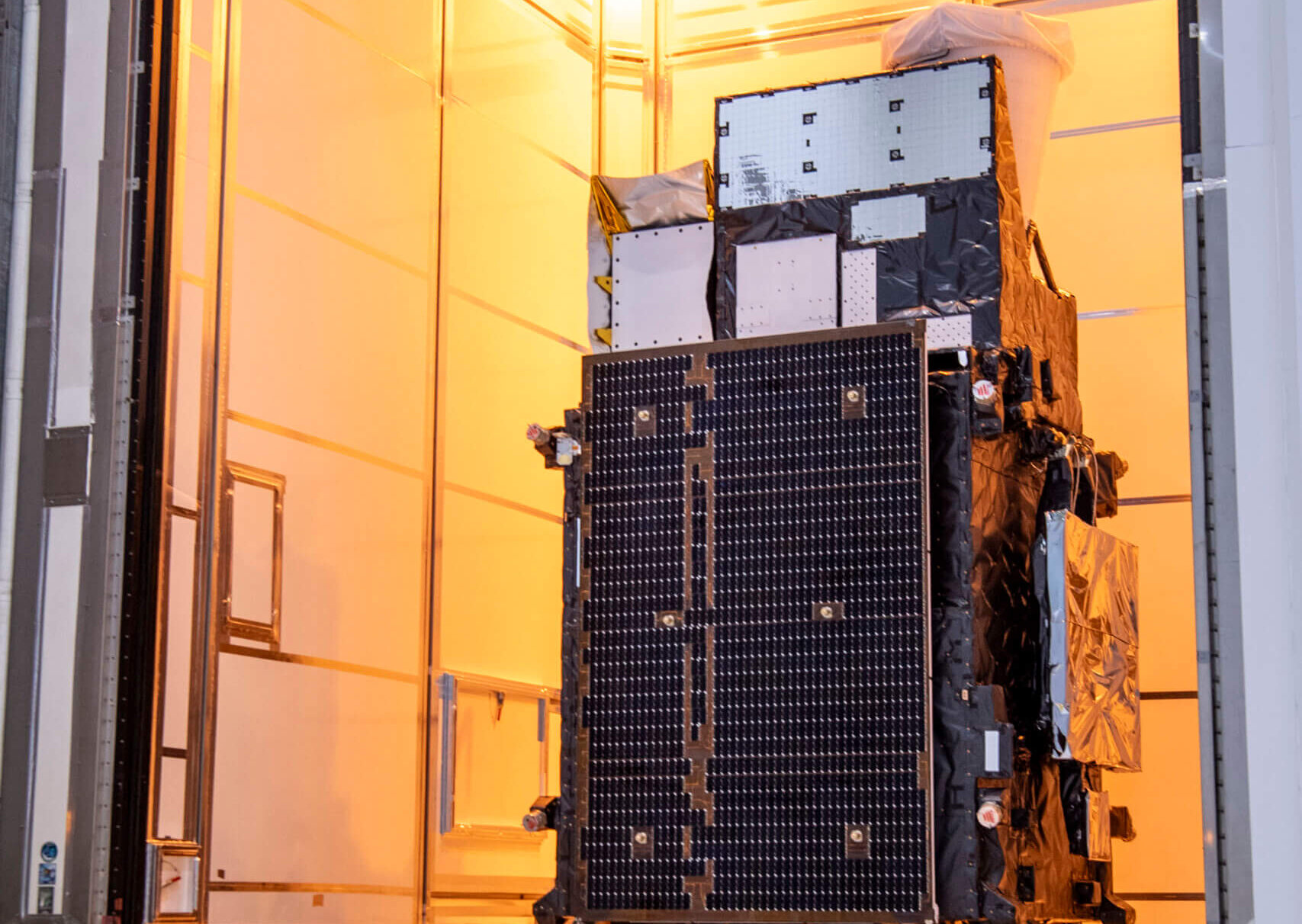
AAC Clyde Space, a prominent player in the space industry, has secured a new contract with the European Space Agency (ESA) to advance maritime monitoring technology. The contract, valued at 10.9 million euros (approximately $12.6 million), is designated for the development and demonstration of the VHF Data Exchange System (VDES) satellites.
The VDES satellites are a crucial component of maritime communication, offering enhanced data exchange capabilities over traditional systems. This technology promises to improve the safety and efficiency of maritime operations by providing more reliable communication links between ships and shore facilities.
The VHF Data Exchange System is designed to augment existing Automatic Identification System (AIS) technology, which is widely used for vessel tracking and collision avoidance. Unlike AIS, which has limitations in terms of data bandwidth and range, VDES provides a broader communication spectrum. This allows for higher volumes of data to be transmitted, facilitating more comprehensive monitoring and management of maritime traffic.
AAC Clyde Space's role in this project involves the completion of the satellite constellation that will form the backbone of the VDES network. The company is tasked with developing and demonstrating the satellite technology necessary to implement this advanced communication system. The project underscores AAC Clyde Space's commitment to enhancing global maritime safety and efficiency through innovative satellite solutions.
According to the contract details, the development phase will focus on refining the satellite technology to ensure it meets the rigorous standards required for maritime operations. The demonstration phase will then validate the satellites' capabilities in real-world environments, paving the way for full-scale deployment.
This initiative aligns with the European Space Agency's broader objectives to leverage space technology for practical applications that benefit society. By improving maritime communication infrastructure, the ESA aims to support the maritime industry's growth while ensuring safer and more sustainable operations.
The successful execution of this contract could have far-reaching implications for the maritime sector, particularly in enhancing navigational safety and operational efficiency. The improved communication capabilities could also facilitate more effective enforcement of maritime regulations and support environmental monitoring initiatives.
The collaboration between AAC Clyde Space and the ESA highlights the growing importance of public-private partnerships in advancing space technology applications. Such partnerships are instrumental in driving innovation and ensuring that space-based solutions address real-world challenges effectively.